MSI Gaming GS75 8SG-064ES Stealth RAM upgrade specifications
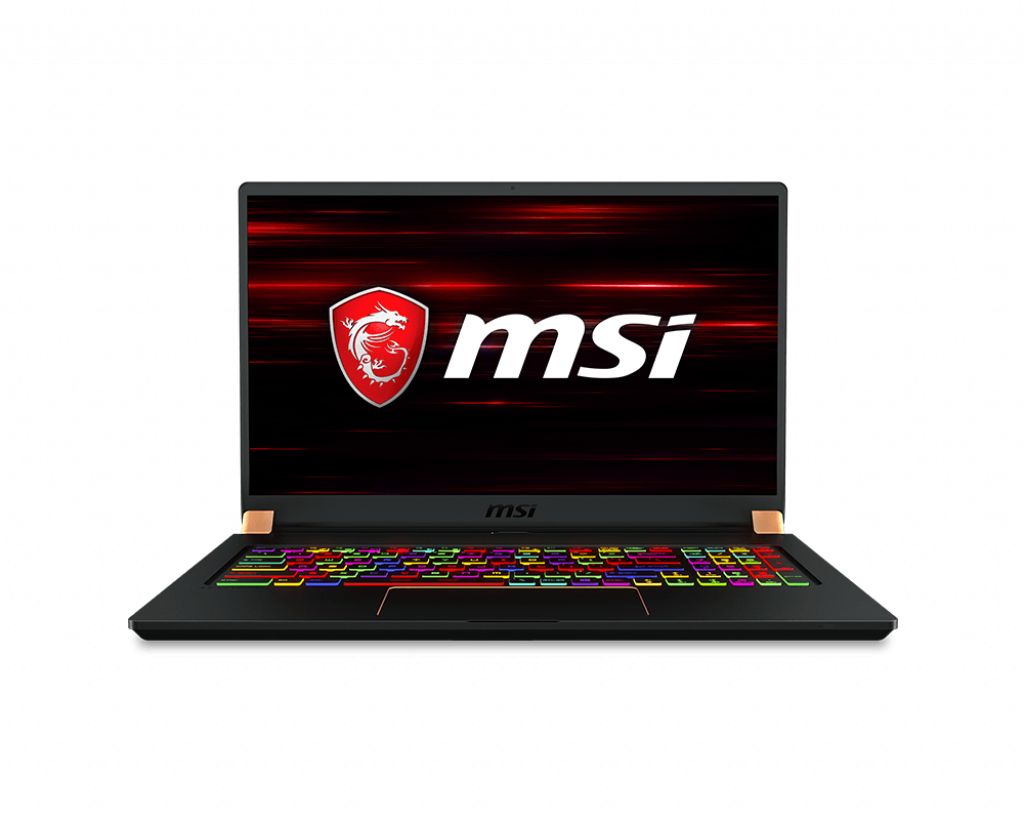
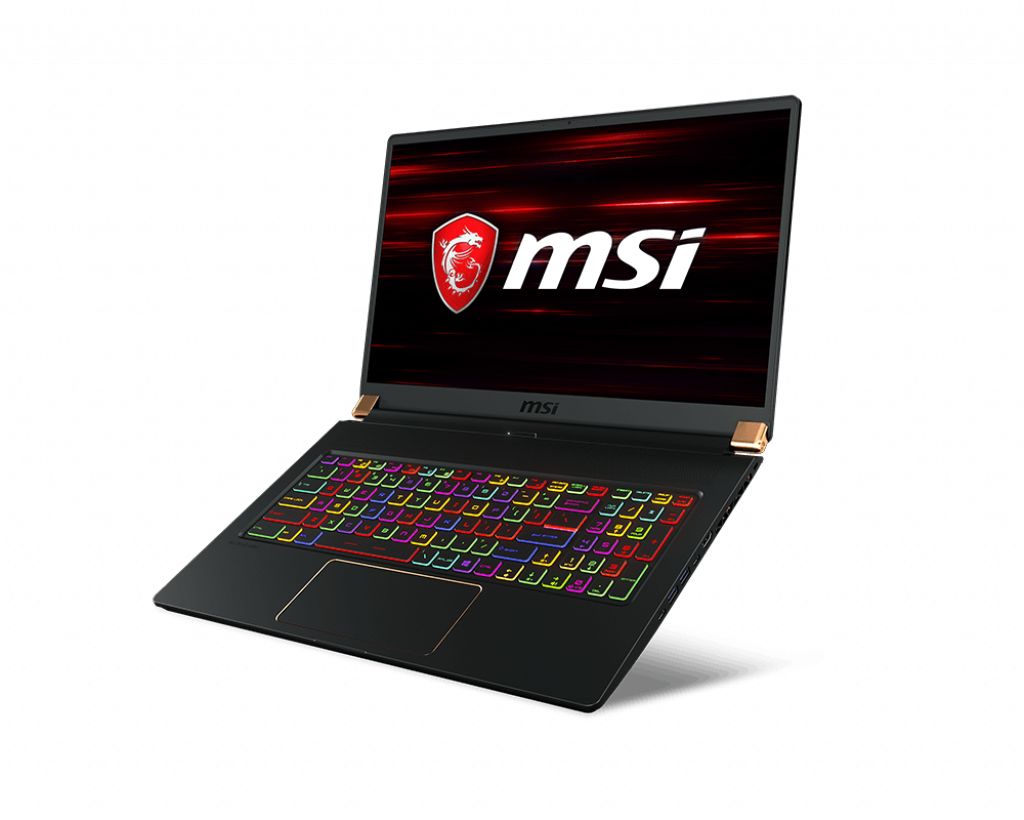
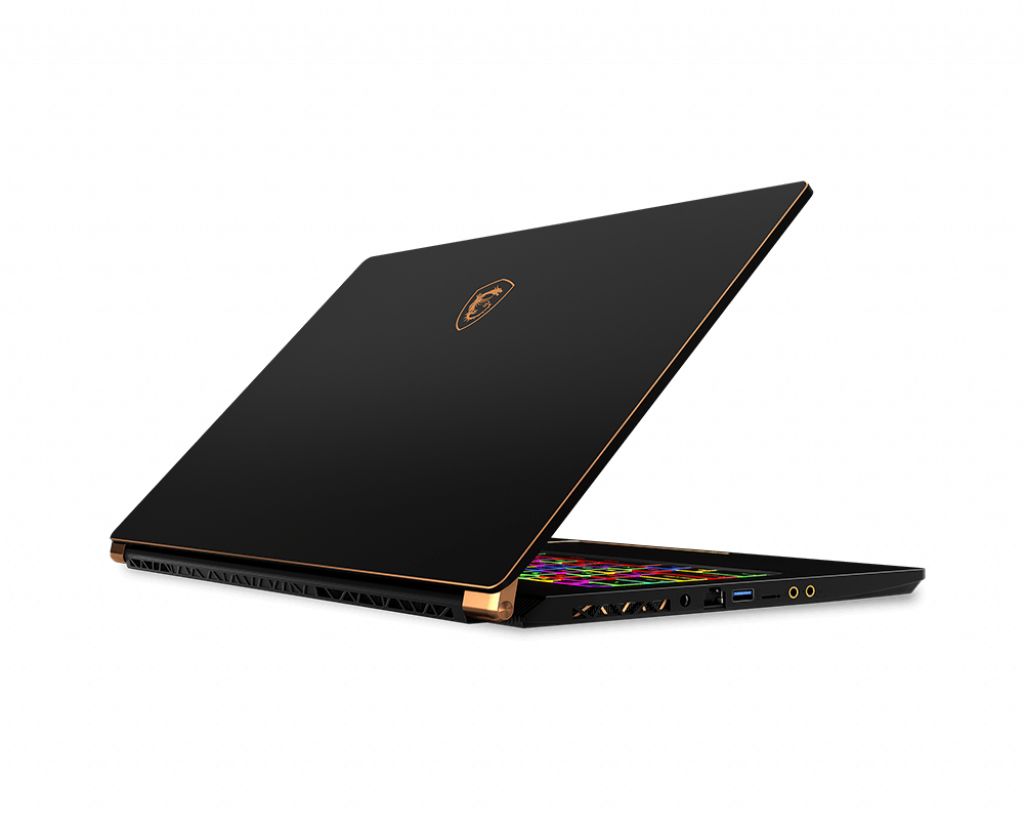
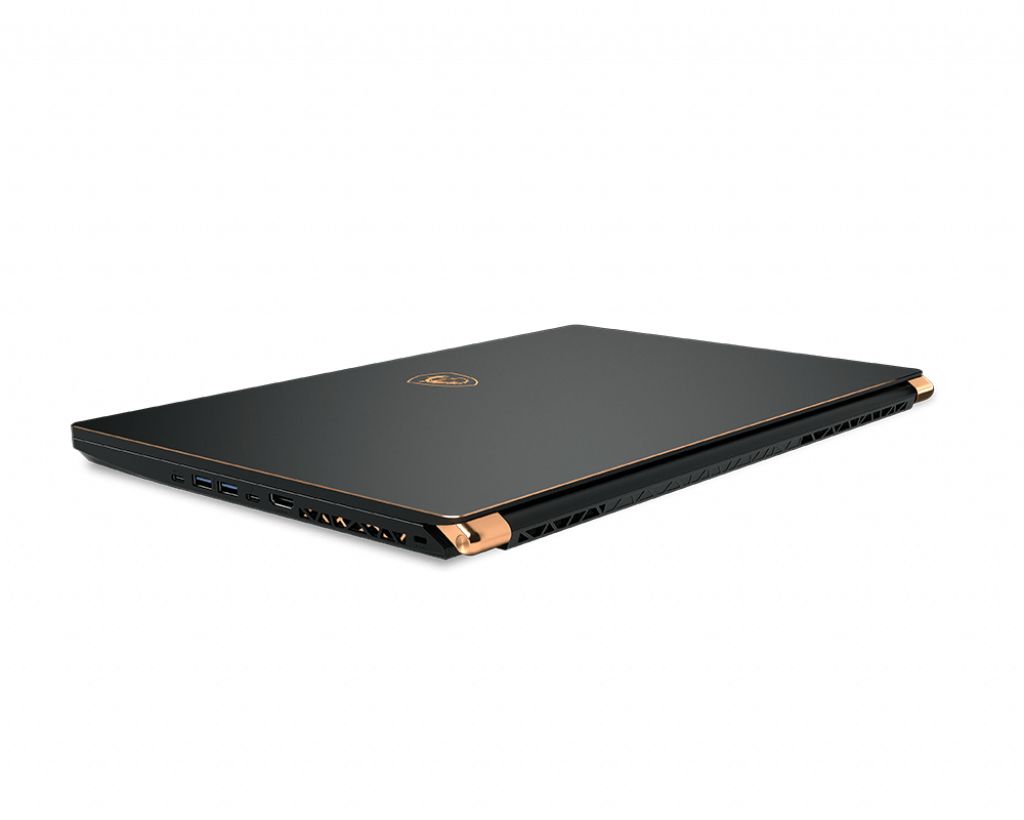

MSI GS75 8SG-064ES Stealth gaming laptop memory upgrade specifications indicate DDR4-SDRAM compatibility with two SO-DIMM slots supporting maximum RAM capacity of 32 GB. Compatible memory operates at 2666 MHz frequency. Upgrade slots accommodate SO-DIMM form factor modules. Current specifications establish baseline for memory expansion within the GS series gaming family platform.
Memory Upgrade Specifications
| Specification | Value |
|---|---|
| Memory slots | 2x SO-DIMM |
| Form factor | SO-DIMM |
| Memory type | DDR4-SDRAM |
| Frequency | 2666 MHz |
| Maximum RAM | 32 GB |
| Voltage | 1.2V |
| Number of pins | 260-pin |
| Interface | PC4 |
| PC Speed Rating | PC4-2666 (PC4-21328) |
| Bandwidth | 21.3 GB/s |
| Laptop Release date | 16 March 2019 |
Additional Notes
- The MSI GS75 8SG-064ES Stealth utilizes SO-DIMM modules rather than full-size DIMMs, requiring laptop-specific memory components that differ physically from desktop RAM.
- DDR4-SDRAM architecture operates at lower voltage than DDR3, preventing backwards compatibility with older generation modules.
- The 2666 MHz frequency represents a PC4-21300 bandwidth specification, delivering 21.3 GB/s theoretical maximum transfer rate per channel.
- Dual-channel configuration enables combined throughput of 42.6 GB/s when both slots operate synchronously with matched modules.
- The 32 GB maximum capacity constraint originates from chipset addressing limitations, preventing recognition of higher-density modules even if physically compatible.
- Installing mismatched frequency modules forces all memory to operate at the speed of the slowest component, negating performance benefits of faster RAM.
- Non-standard voltage modules may cause POST failures or system instability despite matching speed and capacity specifications.
- Single-slot population sacrifices approximately half the memory bandwidth by disabling dual-channel interleaving.
- Intel-based platforms typically support 2400 MHz and 2666 MHz JEDEC standard speeds without requiring XMP profile activation.
- ECC SO-DIMM modules remain incompatible with consumer-grade gaming chipsets despite matching physical form factor.
- Memory access latency in CAS cycles differs from true nanosecond latency, requiring calculation based on frequency to determine actual response time.
- Rank configuration affects maximum capacity per slot, with dual-rank 16 GB modules necessary to achieve the 32 GB ceiling.
- Thermal constraints in thin gaming chassis may throttle performance before memory reaches thermal limits, making heat spreaders cosmetic rather than functional.
- User-accessible SO-DIMM slots typically preserve warranty coverage, unlike soldered memory configurations that void service agreements when tampered with.