MSI Gaming GS75 9SD-1039XES Stealth RAM upgrade specifications


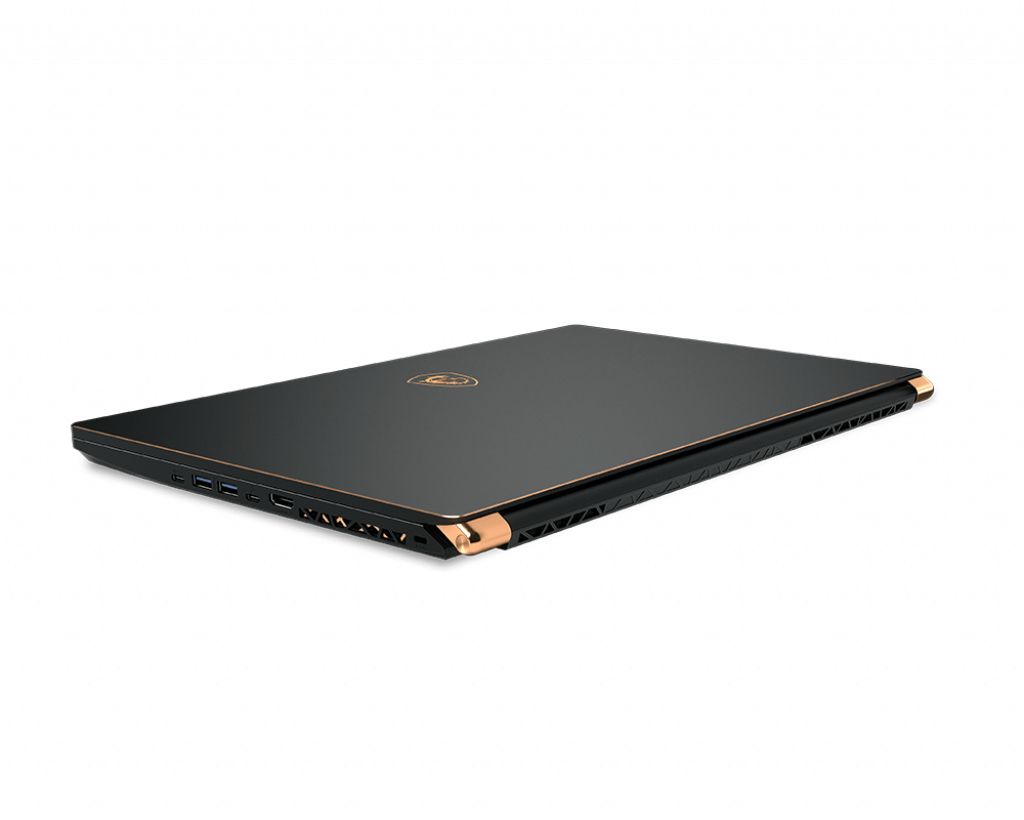


The MSI GS75 9SD-1039XES Stealth gaming laptop features DDR4-SDRAM memory with two SO-DIMM slots for upgrade capability. Maximum compatible RAM capacity reaches 64 GB, with memory operating at 2666 MHz frequency. The laptop specifications support DDR4 SO-DIMM form factor modules for RAM expansion and upgrades. Current memory configuration permits installation of compatible DDR4 memory modules within the two available slots up to the maximum specifications listed.
Memory Upgrade Specifications
| Specification | Value |
|---|---|
| Memory slots | 2x SO-DIMM |
| Form factor | SO-DIMM |
| Memory type | DDR4-SDRAM |
| Frequency | 2666 MHz |
| Maximum RAM | 64 GB |
| Voltage | 1.2V |
| Number of pins | 260-pin |
| Interface | PC4 |
| PC Speed Rating | PC4-2666 (PC4-21328) |
| Bandwidth | 21.3 GB/s |
| Laptop Release date | 07 September 2019 |
Additional Notes
- The internal layout of the MSI GS75 9SD-1039XES Stealth utilizes a flipped motherboard design which necessitates the removal of the entire mainboard to access memory slots for upgrades.
- Deployment of 64 GB of memory requires two 32 GB modules to ensure dual channel bandwidth optimization and prevent memory controller bottlenecks during high load tasks.
- Hardware parity demands unbuffered non-ECC modules to maintain system stability and avoid POST failure sequences.
- Installing modules with frequencies higher than 2666 MHz results in automatic downclocking to match the native chipset limitations of the processor architecture.
- The physical thickness of replacement modules must adhere to standard SO-DIMM height restrictions to prevent thermal pad misalignment or chassis pressure against the keyboard deck.
- Total memory capacity expansion beyond factory defaults increases the electrical load on the voltage regulator modules which may slightly alter internal thermal profiles under sustained operation.
- Loss of dual channel functionality occurs if mismatched capacities are installed across the two available slots resulting in significantly reduced integrated memory bandwidth performance.