MSI Gaming GS75 9SD-265NL Stealth RAM upgrade specifications
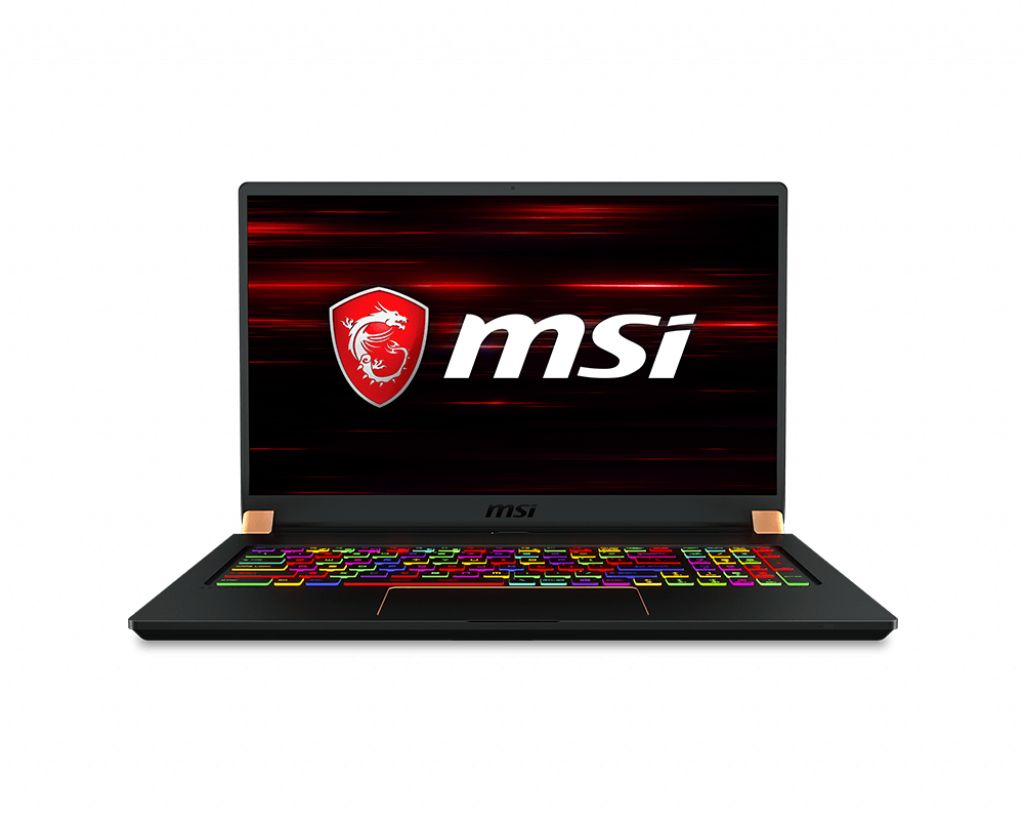
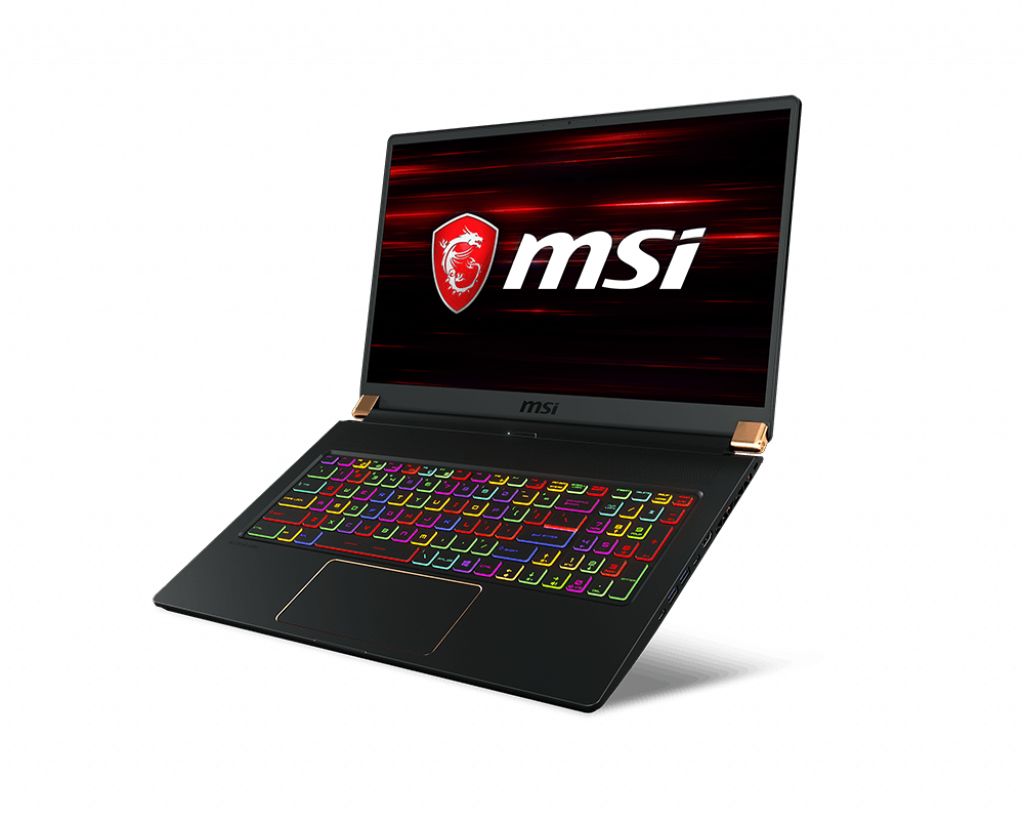
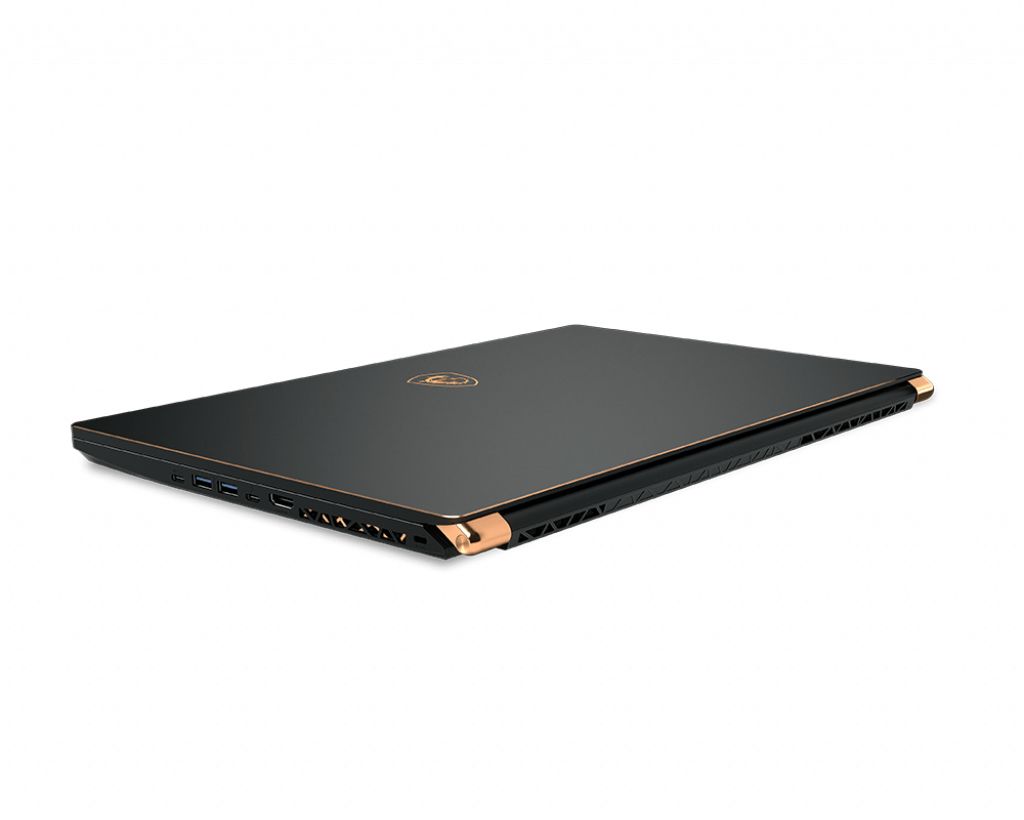

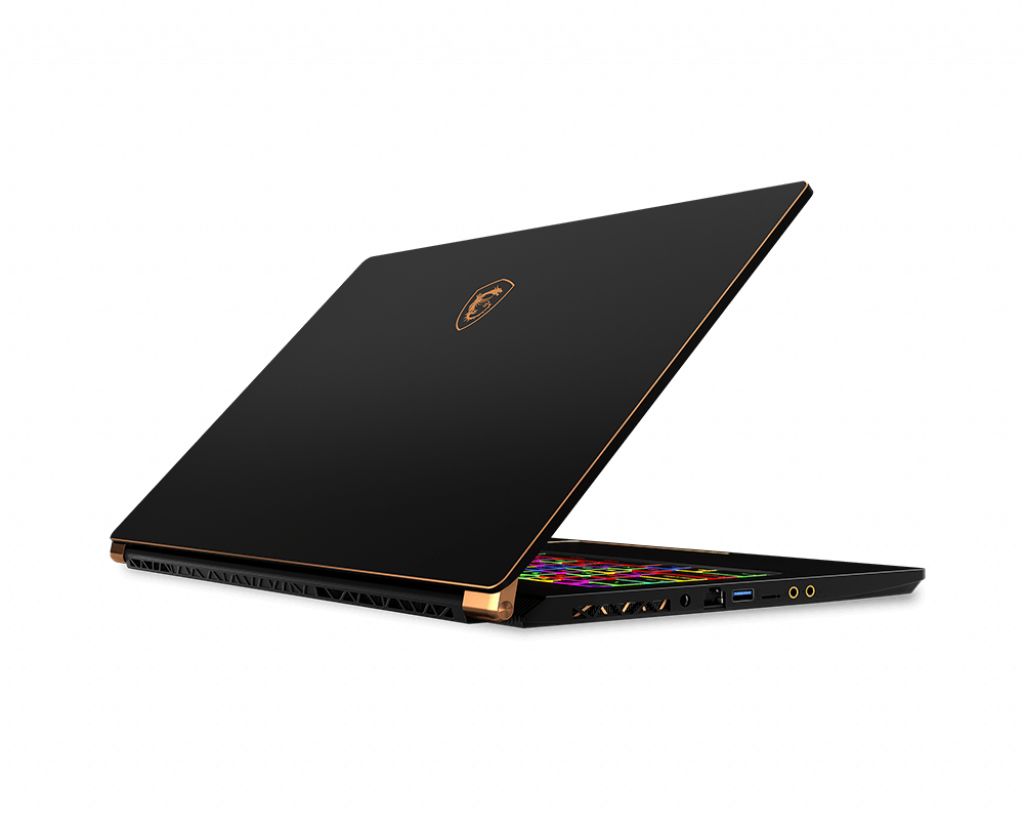
MSI GS75 9SD-265NL Stealth gaming laptop supports DDR4-SDRAM memory upgrades with 2x SO-DIMM slots. Maximum RAM capacity reaches 64 GB, with compatible modules operating at 2666 MHz frequency. Specifications indicate SO-DIMM form factor for memory modules. Upgrade configurations accommodate varying capacity options within maximum specifications for enhanced system performance.
Memory Upgrade Specifications
| Specification | Value |
|---|---|
| Memory slots | 2x SO-DIMM |
| Form factor | SO-DIMM |
| Memory type | DDR4-SDRAM |
| Frequency | 2666 MHz |
| Maximum RAM | 64 GB |
| Voltage | 1.2V |
| Number of pins | 260-pin |
| Interface | PC4 |
| PC Speed Rating | PC4-2666 (PC4-21328) |
| Bandwidth | 21.3 GB/s |
| Laptop Release date | 07 April 2019 |
Additional Notes
- The MSI GS75 9SD-265NL Stealth uses SO-DIMM memory architecture, which restricts upgrade options to laptop-specific modules and eliminates compatibility with standard desktop DDR4 memory.
- The 2666 MHz specification indicates 9th-generation Intel platform integration, which means memory modules rated above 2933 MHz will operate at the lower native frequency due to processor memory controller limitations.
- Dual SO-DIMM configuration creates a single expansion pathway: removal of the factory-installed module is mandatory to reach the 64 GB maximum, as both slots must be populated simultaneously.
- The 64 GB ceiling reflects 2-rank SO-DIMM density constraints typical of 2019-era mobile platforms; individual modules cannot exceed 32 GB within the SO-DIMM form factor specification for this generation.
- Memory frequency negotiation occurs through Intel's SPD (Serial Presence Detect) auto-detection, meaning module selection must prioritize SPD compatibility over marketing specifications to prevent boot failures or instability.
- SO-DIMM modules occupy minimal physical space, creating thermal proximity concerns with M.2 storage and GPU components if passive heatspreaders are selected; active cooling or aluminum heatspreaders reduce throttling risk.
- Warranty retention requires DDR4 modules meeting JEDEC standards for 2666 MHz operation; overclocked or non-standard XMP profiles may void manufacturer coverage despite physical installation capability.