MSI Gaming GS75 9SD-284CA Stealth RAM upgrade specifications
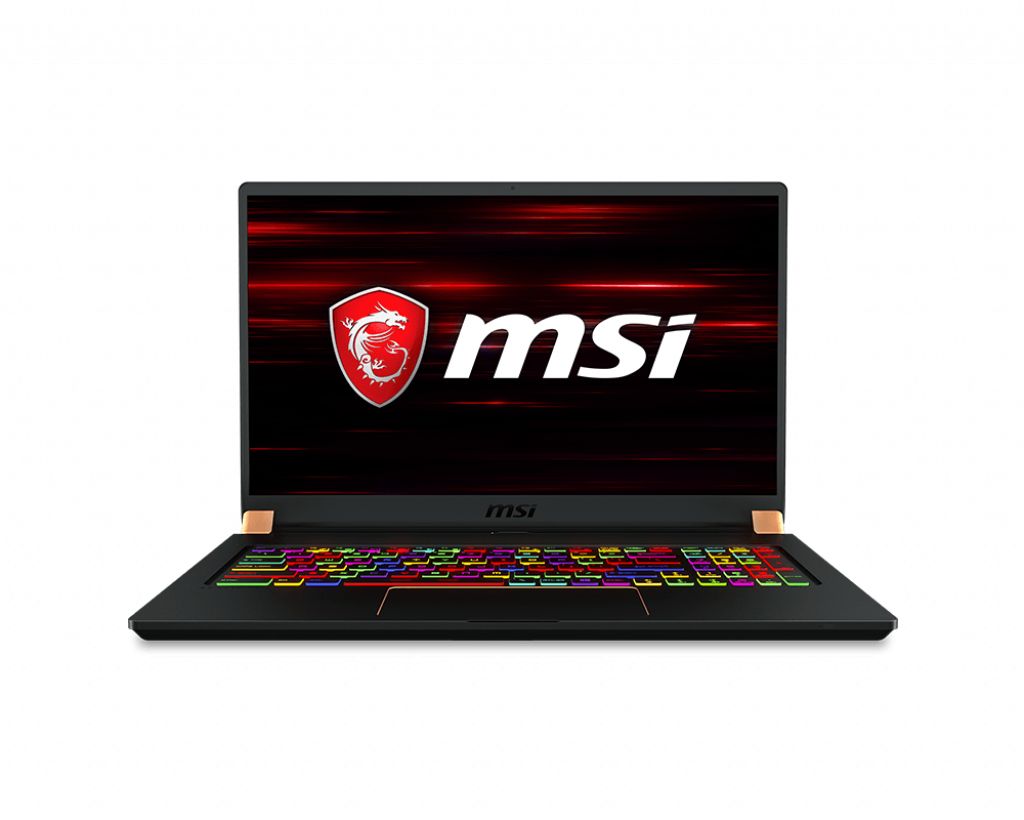

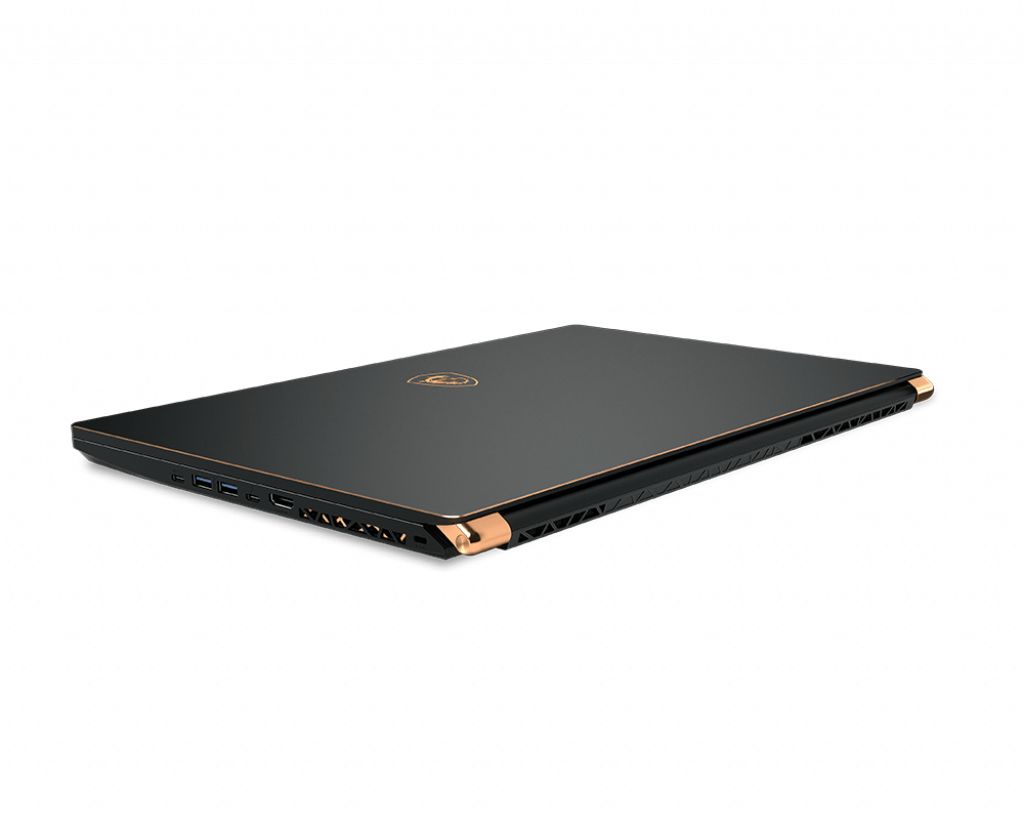

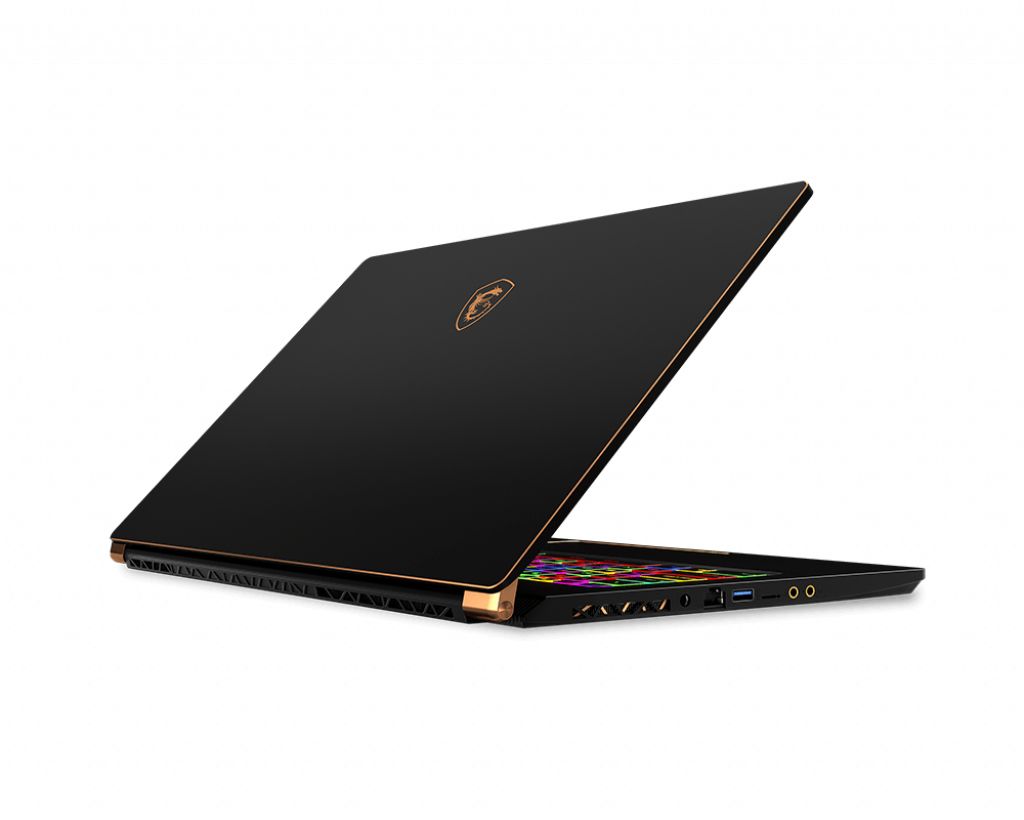
MSI GS75 9SD-284CA Stealth gaming laptop features DDR4-SDRAM memory upgrade capacity. Compatible memory specifications include 2x SO-DIMM slots supporting maximum RAM expansion to 64 GB. Memory operates at 2666 MHz frequency. Upgrade slots accommodate SO-DIMM form factor modules. Specifications indicate available memory upgrade pathways for enhanced performance on the GS series gaming model.
Memory Upgrade Specifications
| Specification | Value |
|---|---|
| Memory slots | 2x SO-DIMM |
| Form factor | SO-DIMM |
| Memory type | DDR4-SDRAM |
| Frequency | 2666 MHz |
| Maximum RAM | 64 GB |
| Voltage | 1.2V |
| Number of pins | 260-pin |
| Interface | PC4 |
| PC Speed Rating | PC4-2666 (PC4-21328) |
| Bandwidth | 21.3 GB/s |
| Laptop Release date | 19 May 2019 |
Additional Notes
- The MSI GS75 9SD-284CA Stealth accepts only SO-DIMM modules, which excludes standard desktop DIMM memory physically incompatible with the notebook's slot design.
- DDR4-SDRAM specification prevents installation of DDR3, DDR3L, or DDR5 modules due to voltage and pin configuration differences that would damage the memory controller.
- The 2666 MHz frequency represents JEDEC-standard speed, while higher-rated modules at 3200 MHz will downclock automatically to match the chipset's maximum supported rate.
- A 64 GB ceiling requires 2 modules of 32 GB each to reach maximum capacity, as single-module configurations leave half the bandwidth potential unused through unpopulated dual-channel architecture.
- Dual SO-DIMM slot configuration enables symmetric memory installation for interleaved access, where mismatched module sizes force the controller into asymmetric or single-channel mode with measurable throughput reduction.
- Factory-installed memory often occupies both slots in gaming systems, necessitating complete removal of existing modules rather than simple capacity addition when upgrading beyond baseline specifications.
- Non-ECC unbuffered modules match the gaming platform's architecture, as registered or ECC memory types designed for server workloads will fail POST diagnostics or operate with reduced stability.
- The 260-pin SO-DIMM standard differs from older 204-pin DDR3 variants, preventing physical insertion of legacy modules into the slot mechanism.
- Maximum capacity limitation stems from memory controller addressing capabilities within the 9th generation Intel mobile platform, independent of physical slot availability.
- Mixing modules with different CAS latencies forces all installed memory to operate at the slowest common timing, potentially negating performance gains from otherwise identical frequency specifications.