MSI Gaming GS75 9SD-428IT Stealth RAM upgrade specifications
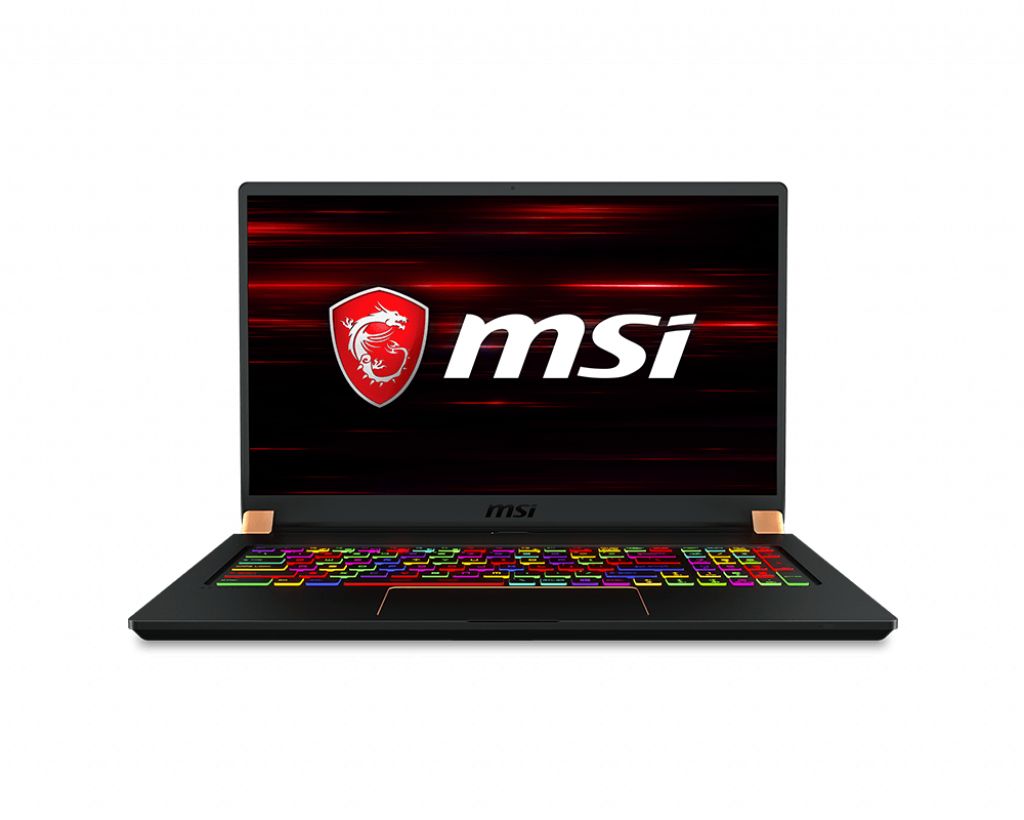
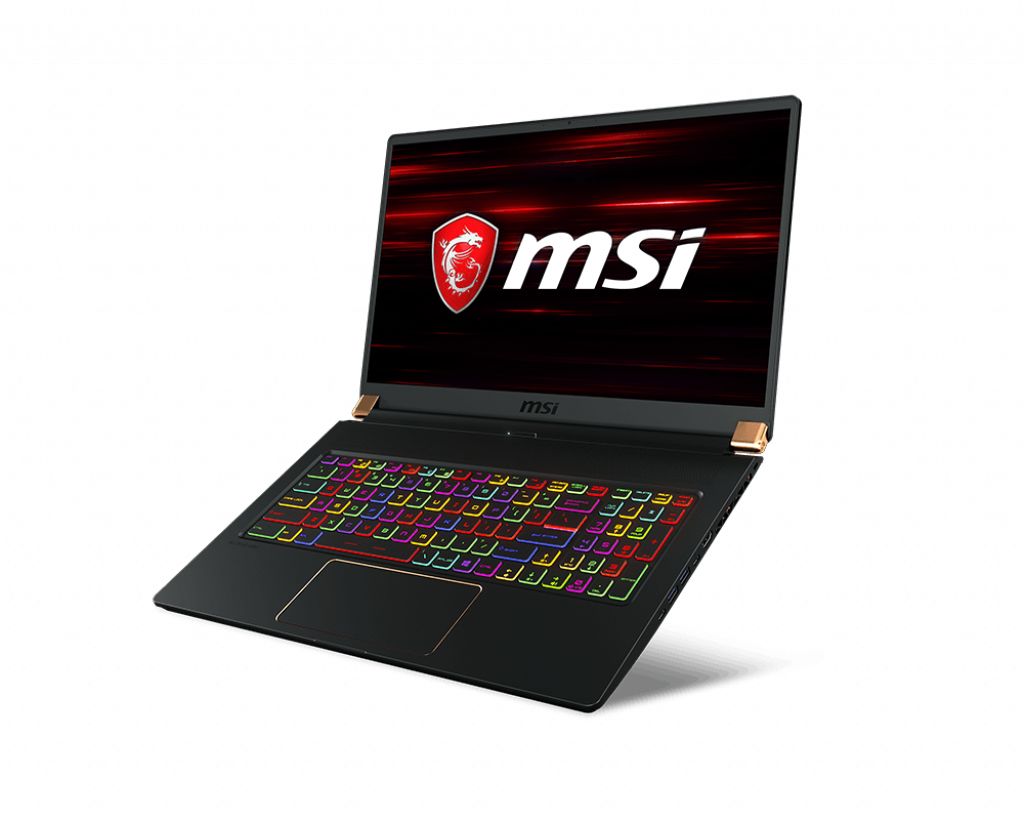
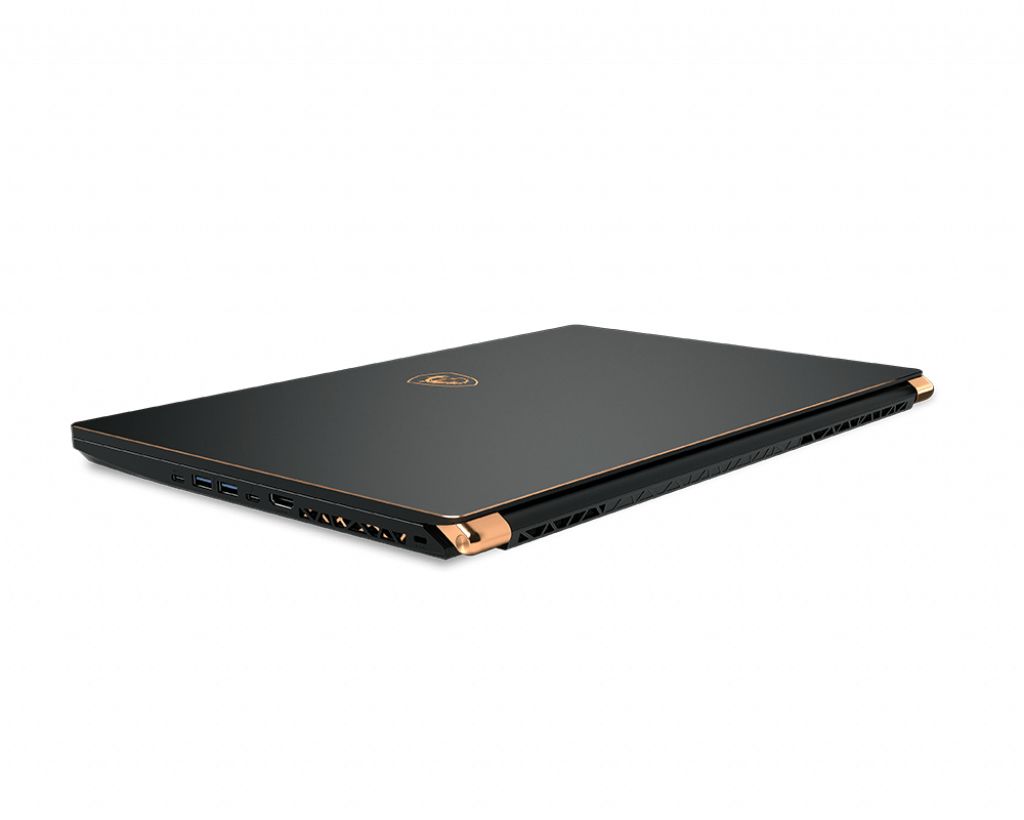
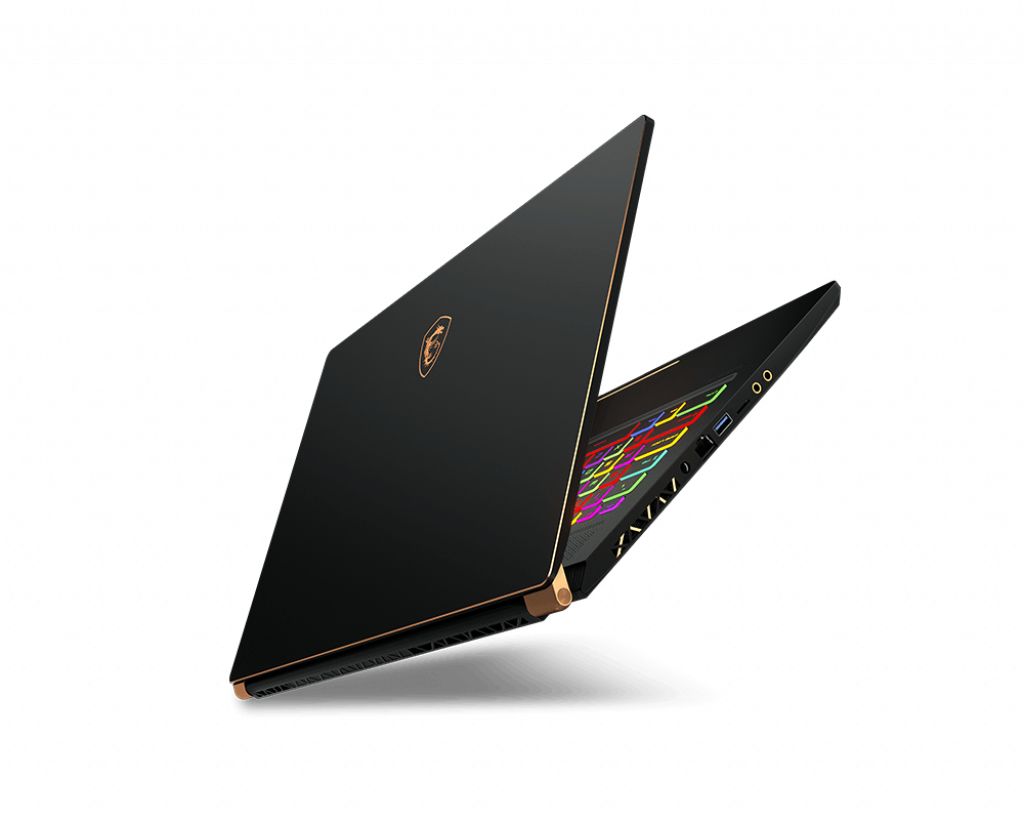
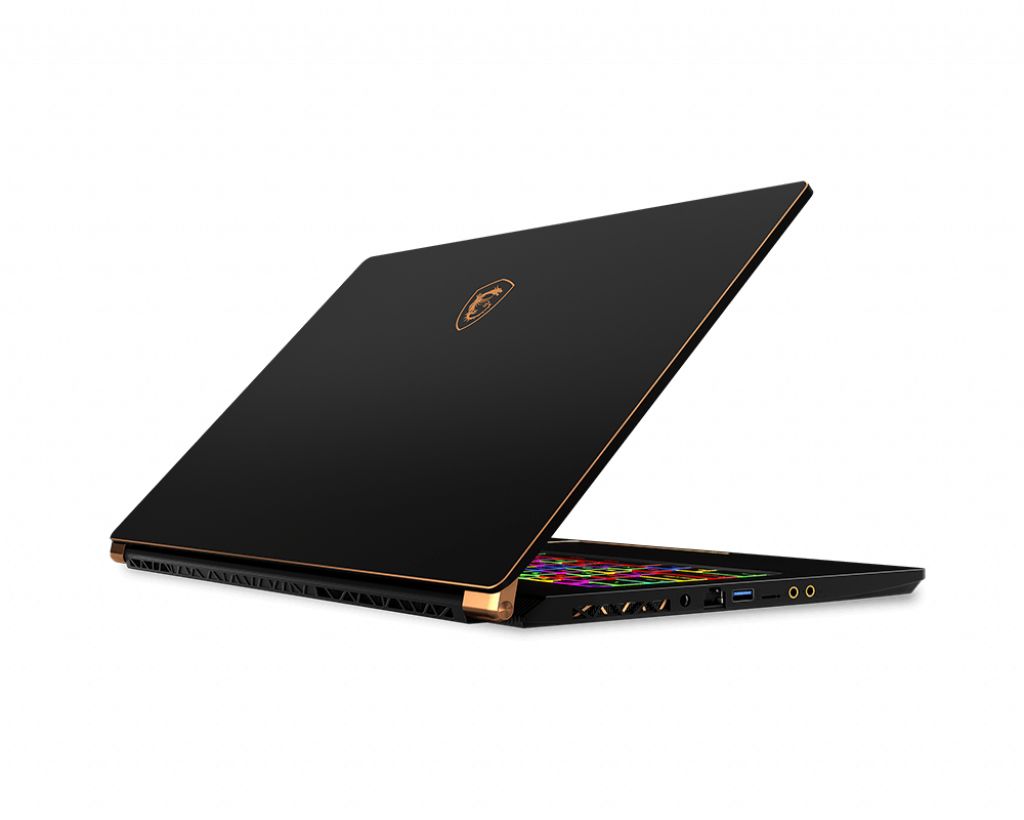
MSI GS75 9SD-428IT Stealth laptop memory upgrade specifications detail DDR4-SDRAM compatibility with maximum capacity of 64 GB across 2x SO-DIMM slots. Each slot accepts standard SO-DIMM form factor modules operating at 2666 MHz frequency. Upgrade options compatible with GS75 9SD-428IT Stealth gaming series support memory configurations from 8 GB to 64 GB total capacity, enabling RAM expansion for enhanced multitasking and performance capabilities in the MSI GS gaming family.
Memory Upgrade Specifications
| Specification | Value |
|---|---|
| Memory slots | 2x SO-DIMM |
| Form factor | SO-DIMM |
| Memory type | DDR4-SDRAM |
| Frequency | 2666 MHz |
| Maximum RAM | 64 GB |
| Voltage | 1.2V |
| Number of pins | 260-pin |
| Interface | PC4 |
| PC Speed Rating | PC4-2666 (PC4-21328) |
| Bandwidth | 21.3 GB/s |
| Laptop Release date | 08 May 2019 |
Additional Notes
- The MSI GS75 9SD-428IT Stealth contains 2 SO-DIMM slots that operate as a dual-channel configuration, meaning matched pairs of identical modules deliver optimal bandwidth. Installing mismatched capacities or speeds will cause the system to default to the slower module's specifications across both slots.
- DDR4-2666 MHz represents the native JEDEC standard for this platform's 9th-generation Intel processor architecture. DDR4 modules rated above 2666 MHz will function only if manually overclocked through BIOS; warranty coverage may not apply to settings outside manufacturer specifications.
- The 64 GB capacity ceiling implies a single-channel bottleneck constraint if only one SO-DIMM slot is populated. Dual-channel operation requires both slots to be active, even with asymmetrical capacities, to avoid significant bandwidth loss during memory-intensive workloads.
- SO-DIMM form factor occupies less physical space than standard UDIMM modules, which is standard for mobile platforms but complicates upgrade accessibility. The confined internal layout may restrict heatsink heights on third-party modules; low-profile memory (up to 32 mm) installation is mandatory to prevent clearance conflicts with internal components.
- Upgrading from the stock configuration to 64 GB total requires removing existing modules first; the platform does not support mixed DDR4 generations or asymmetrical paired modules without triggering automatic frequency downclocking across the entire memory subsystem.