MSI Gaming GS75 9SE-1051FR Stealth RAM upgrade specifications
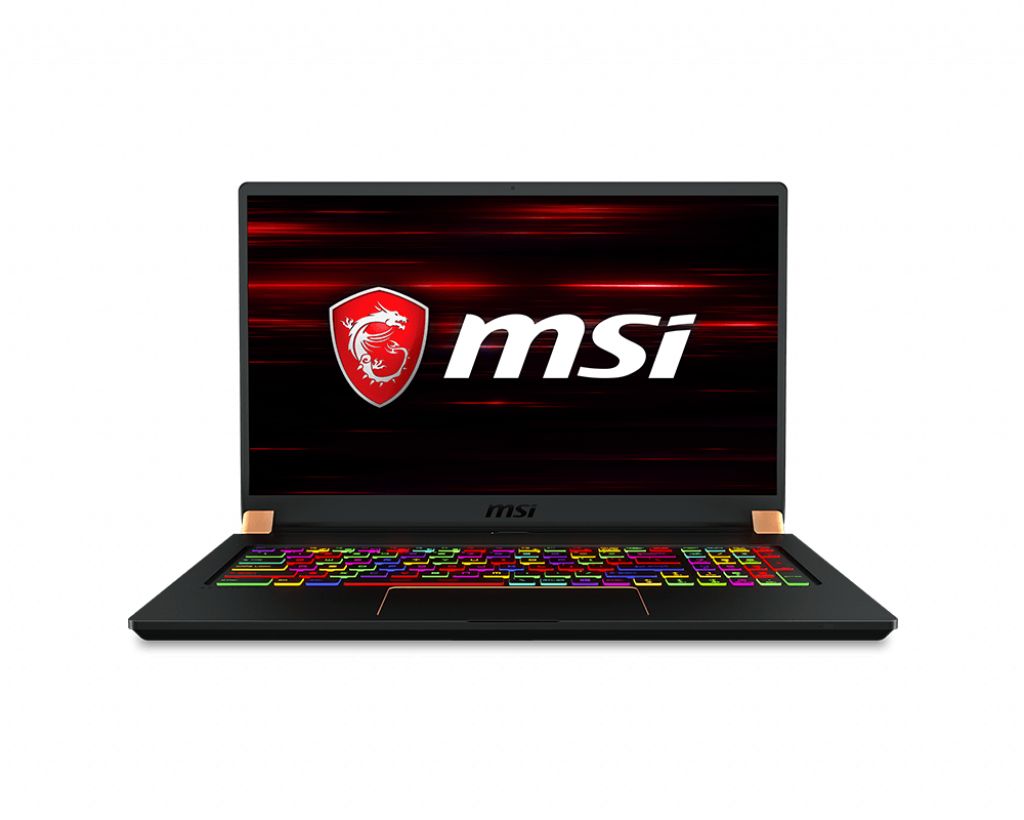
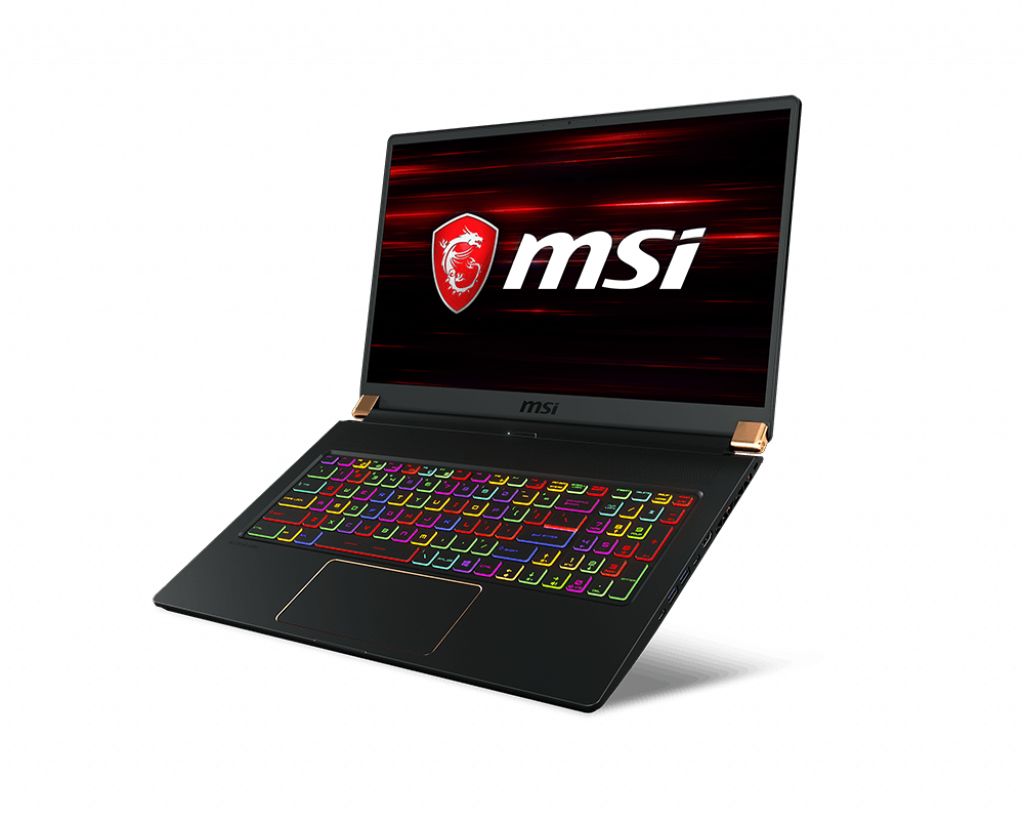
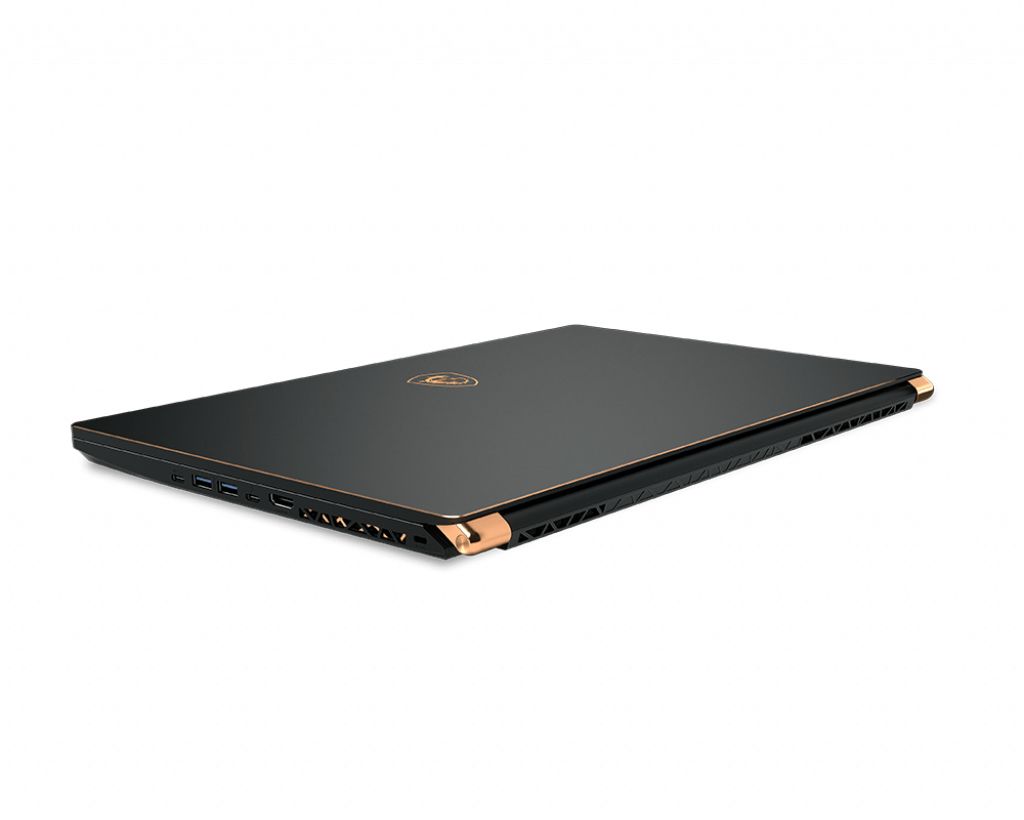


The MSI GS75 9SE-1051FR Stealth Gaming series laptop features DDR4-SDRAM memory specifications with 2x SO-DIMM slots for RAM upgrade capabilities. The system supports maximum memory capacity of 64 GB total, with compatible modules operating at 2666 MHz frequency. The SO-DIMM form factor specifications enable straightforward memory expansion for users requiring enhanced multitasking and performance specifications on the GS75 9SE-1051FR Stealth model.
Memory Upgrade Specifications
| Specification | Value |
|---|---|
| Memory slots | 2x SO-DIMM |
| Form factor | SO-DIMM |
| Memory type | DDR4-SDRAM |
| Frequency | 2666 MHz |
| Maximum RAM | 64 GB |
| Voltage | 1.2V |
| Number of pins | 260-pin |
| Interface | PC4 |
| PC Speed Rating | PC4-2666 (PC4-21328) |
| Bandwidth | 21.3 GB/s |
| Laptop Release date | 08 November 2019 |
Additional Notes
- The MSI GS75 9SE-1051FR Stealth contains 2 SO-DIMM slots, which means both slots must be populated simultaneously to enable dual-channel operation. Upgrading requires removing the existing module(s) and installing matched pairs to achieve rated bandwidth performance.
- DDR4-2666 MHz represents the baseline specification for 9th-generation Intel platforms. Memory modules rated for DDR4-3000 MHz or higher will operate at 2666 MHz due to controller limitations, resulting in no performance gain from higher-frequency purchases.
- The 64 GB maximum capacity ceiling is determined by SO-DIMM form factor constraints and chipset limitations. Individual modules larger than 32 GB per slot do not guarantee compatibility on this platform regardless of DDR4 compliance.
- SO-DIMM modules occupy minimal physical space in the chassis. Installation typically requires removing bottom panels without disturbing thermal solutions or major components, making this upgrade path warranty-safe when performed without system damage.
- A single 32 GB SO-DIMM upgrade to reach maximum capacity requires purchasing matching pairs, as mismatched DIMM capacities (asymmetrical configurations) disable dual-channel mode and reduce memory bandwidth by 50 percent.
- The 2-slot architecture prevents incremental upgrade strategies. Future expansion beyond current capacity requires replacing existing modules entirely rather than adding capacity alongside them.