MSI Gaming GS75 9SE-263NL Stealth RAM upgrade specifications
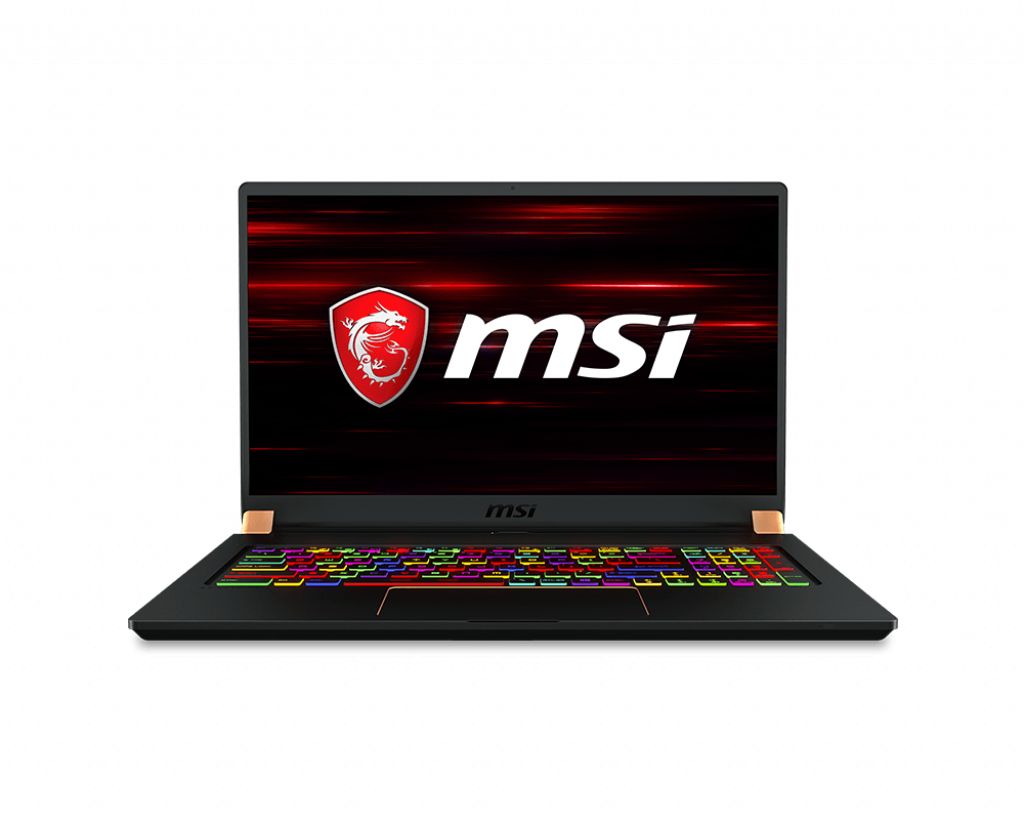

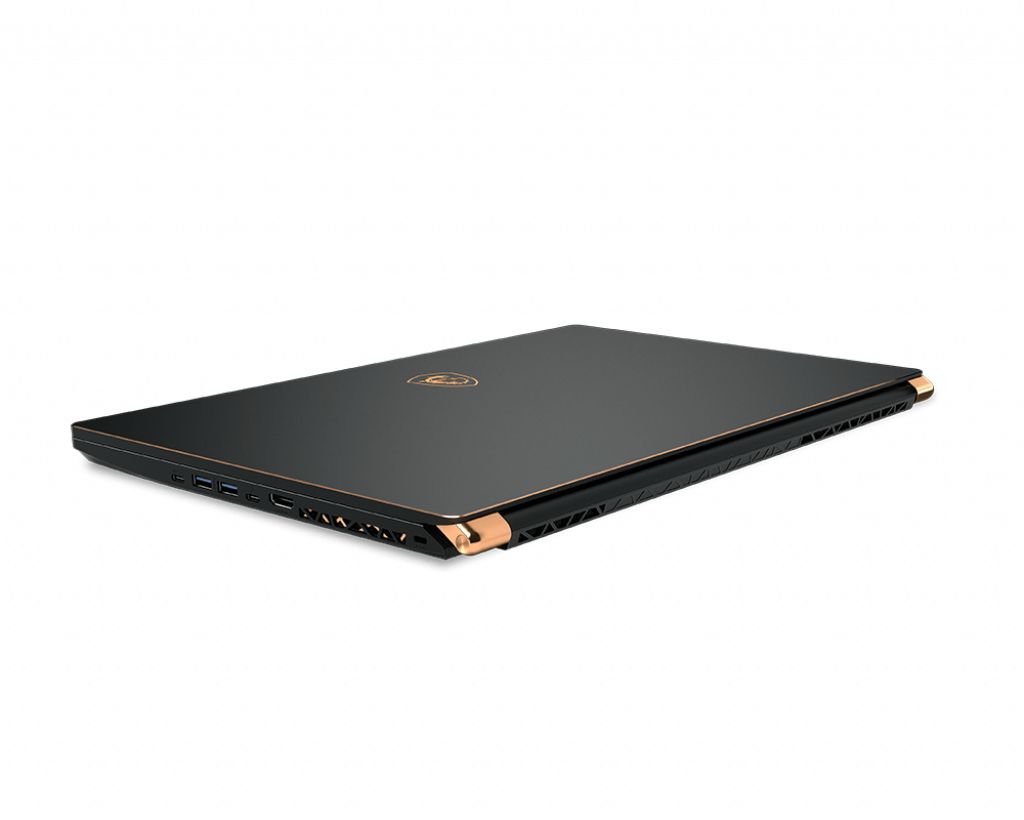


The MSI GS75 9SE-263NL Stealth gaming laptop supports DDR4-SDRAM memory upgrades with two SO-DIMM slots. The system accommodates a maximum RAM capacity of 64 GB, enabling significant memory expansion for enhanced multitasking and performance. Compatible upgrades operate at 2666 MHz frequency specifications. The SO-DIMM form factor specifications ensure proper fitting within the designated memory slots on the GS75 9SE-263NL Stealth model. Users can upgrade the existing memory configuration by installing compatible DDR4 modules to maximize the laptop's RAM capacity up to the specified 64 GB limit.
Memory Upgrade Specifications
| Specification | Value |
|---|---|
| Memory slots | 2x SO-DIMM |
| Form factor | SO-DIMM |
| Memory type | DDR4-SDRAM |
| Frequency | 2666 MHz |
| Maximum RAM | 64 GB |
| Voltage | 1.2V |
| Number of pins | 260-pin |
| Interface | PC4 |
| PC Speed Rating | PC4-2666 (PC4-21328) |
| Bandwidth | 21.3 GB/s |
| Laptop Release date | 03 May 2019 |
Additional Notes
- The MSI GS75 9SE-263NL Stealth supports dual-channel memory architecture, enabling simultaneous data transfers across both slots for enhanced bandwidth delivery to the CPU and integrated graphics subsystem.
- Standard desktop DIMM modules are physically incompatible due to the SO-DIMM form factor requirement, which measures 67.6 mm versus the 133.35 mm length of full-size modules.
- Single-channel configurations operating with only one populated slot reduce memory bandwidth by approximately 50 percent compared to matched dual-module installations.
- The 2666 MHz specification indicates a peak theoretical transfer rate of 21.3 GB/s per channel, though effective throughput depends on CPU memory controller efficiency and workload characteristics.
- Achieving the 64 GB capacity ceiling requires two 32 GB SO-DIMM modules, which typically operate at higher density configurations that may carry premium pricing compared to 16 GB counterparts.
- Memory modules rated above 2666 MHz will function but downclock to match the system's validated frequency limit, providing no performance advantage despite potential cost differences.
- Mixing modules with different capacities remains functional but forces operation in asymmetric dual-channel mode, where only matched capacity portions benefit from full bandwidth while excess capacity on the larger module operates in single-channel mode.
- Upgrading memory typically preserves manufacturer warranty coverage, as RAM replacement through accessible bottom panel slots does not require disassembly of sealed components or tampering with warranty stickers on critical assemblies.
- Non-ECC unbuffered modules represent the required specification, as registered or error-correcting memory types designed for server platforms lack compatibility with consumer mobile chipsets.
- Voltage specifications for DDR4 SO-DIMM standardize at 1.2V, though incorrect installation of DDR3L modules operating at 1.35V poses physical keying incompatibility due to notch position differences preventing insertion.