MSI Gaming GS75 9SF-262BE Stealth RAM upgrade specifications
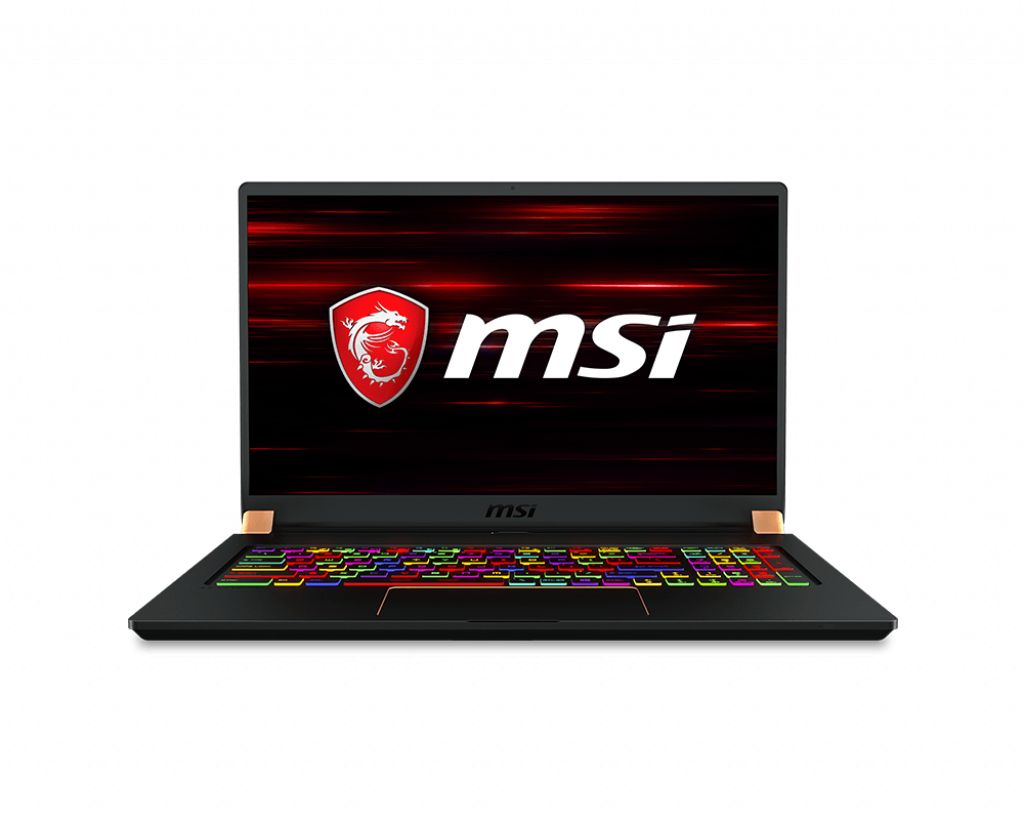
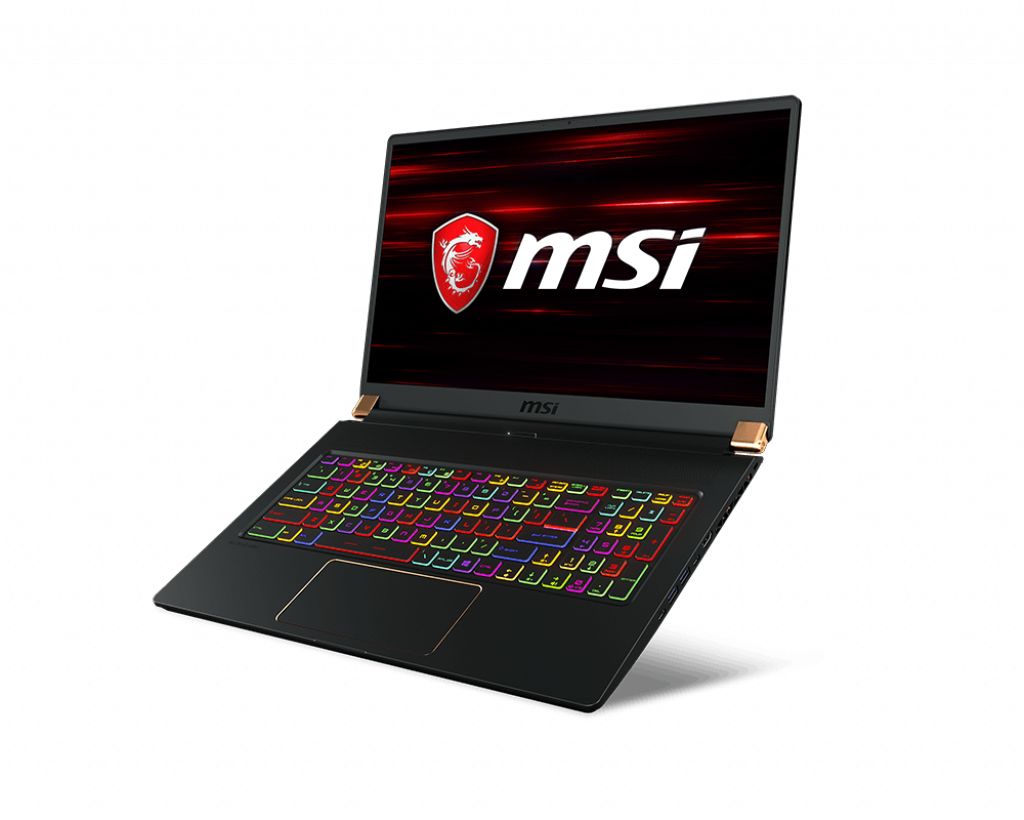
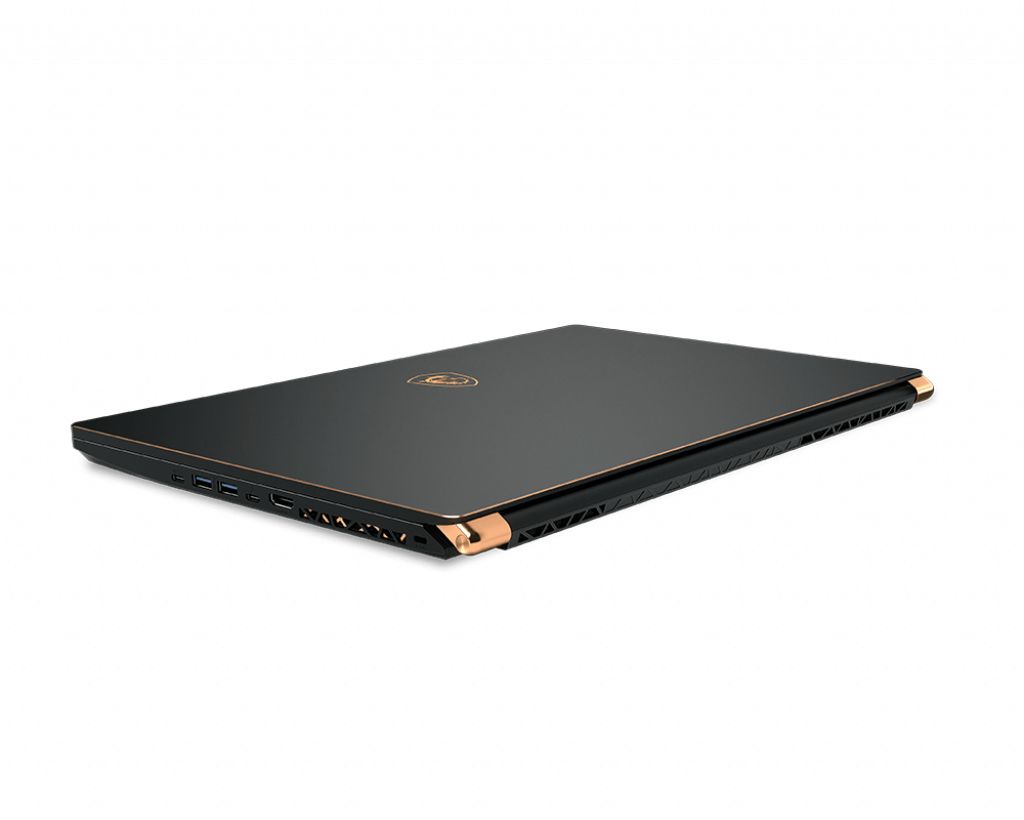


The MSI GS75 9SF-262BE Stealth gaming laptop features two SO-DIMM memory slots supporting DDR4-SDRAM upgrades at 2666 MHz frequency. The maximum RAM capacity reaches 64 GB total, enabling significant memory expansion from factory specifications. Compatible memory modules must meet SO-DIMM form factor standards and DDR4 specifications for proper installation and operation in the GS Series gaming system.
Memory Upgrade Specifications
| Specification | Value |
|---|---|
| Memory slots | 2x SO-DIMM |
| Form factor | SO-DIMM |
| Memory type | DDR4-SDRAM |
| Frequency | 2666 MHz |
| Maximum RAM | 64 GB |
| Voltage | 1.2V |
| Number of pins | 260-pin |
| Interface | PC4 |
| PC Speed Rating | PC4-2666 (PC4-21328) |
| Bandwidth | 21.3 GB/s |
| Laptop Release date | 08 April 2019 |
Additional Notes
- The MSI GS75 9SF-262BE Stealth utilizes dual-channel architecture through its 2 memory slots, meaning optimal performance requires matched module pairs rather than single-stick configurations.
- The 2666 MHz frequency specification indicates compatibility with JEDEC standard DDR4 modules, though higher-rated modules will downclock to this speed due to chipset or processor memory controller limitations.
- SO-DIMM form factor limits aftermarket module selection compared to desktop DIMM availability, particularly for higher-density configurations approaching the 64 GB ceiling.
- Access to memory slots typically requires bottom panel removal, which may involve multiple screw types and potential warranty seal disruption depending on regional service policies.
- The 64 GB maximum capacity translates to 32 GB modules per slot, a configuration that may require specific BIOS versions for full recognition on this platform generation.
- DDR4-2666 operates at 1.2V standard voltage, eliminating compatibility concerns with low-voltage or overclocking-specific modules that could cause POST failures.
- Mixing modules of different densities or timings across the 2 slots may force the memory controller to lowest-common-denominator settings, reducing effective bandwidth.
- Thermal considerations become relevant at maximum capacity since higher-density modules generate more heat in the confined SO-DIMM slot area beneath the chassis.
- Single-rank versus dual-rank module architecture affects interleaving efficiency on this dual-slot configuration, with performance implications for memory-intensive workloads.
- ECC memory modules are incompatible with this platform despite physical SO-DIMM compatibility, as consumer-grade chipsets lack error-correction support.