MSI Gaming GS75 9SF-282CA Stealth RAM upgrade specifications
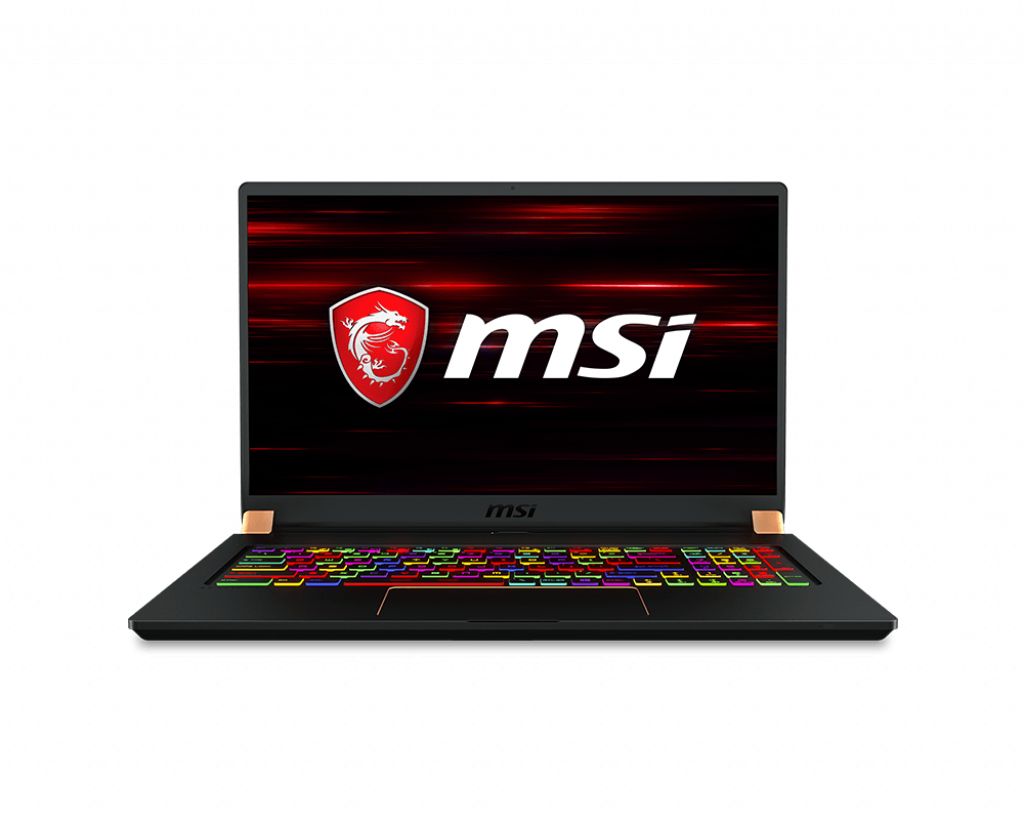
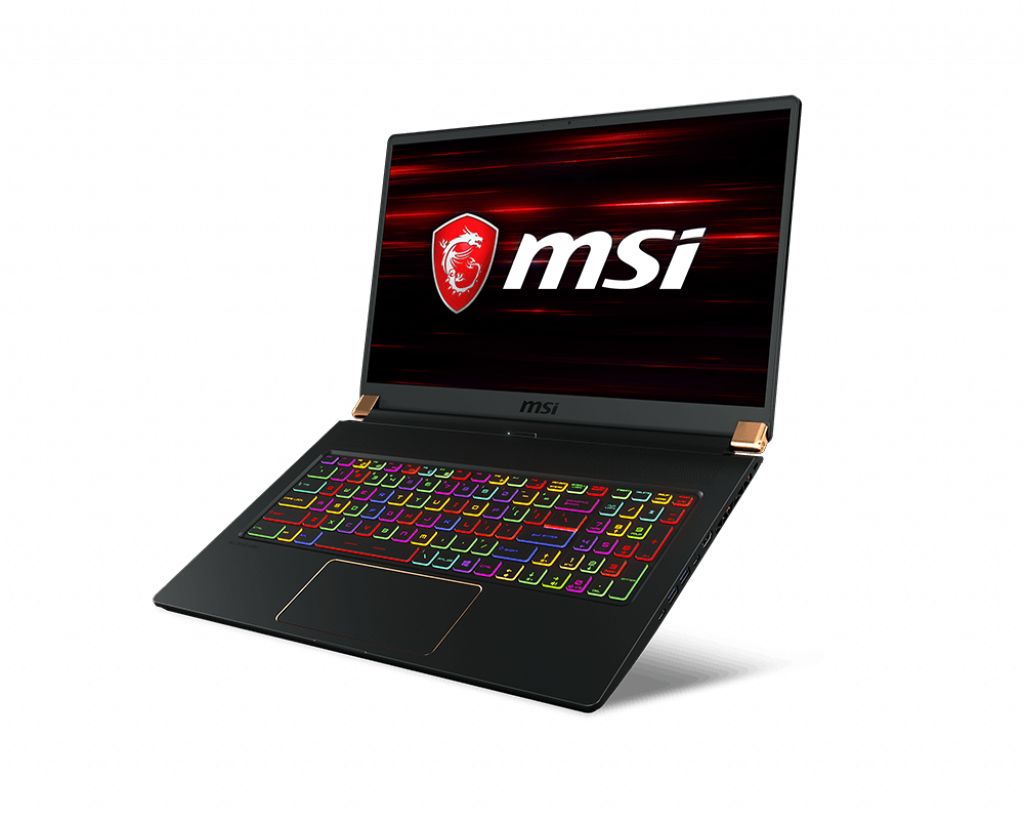
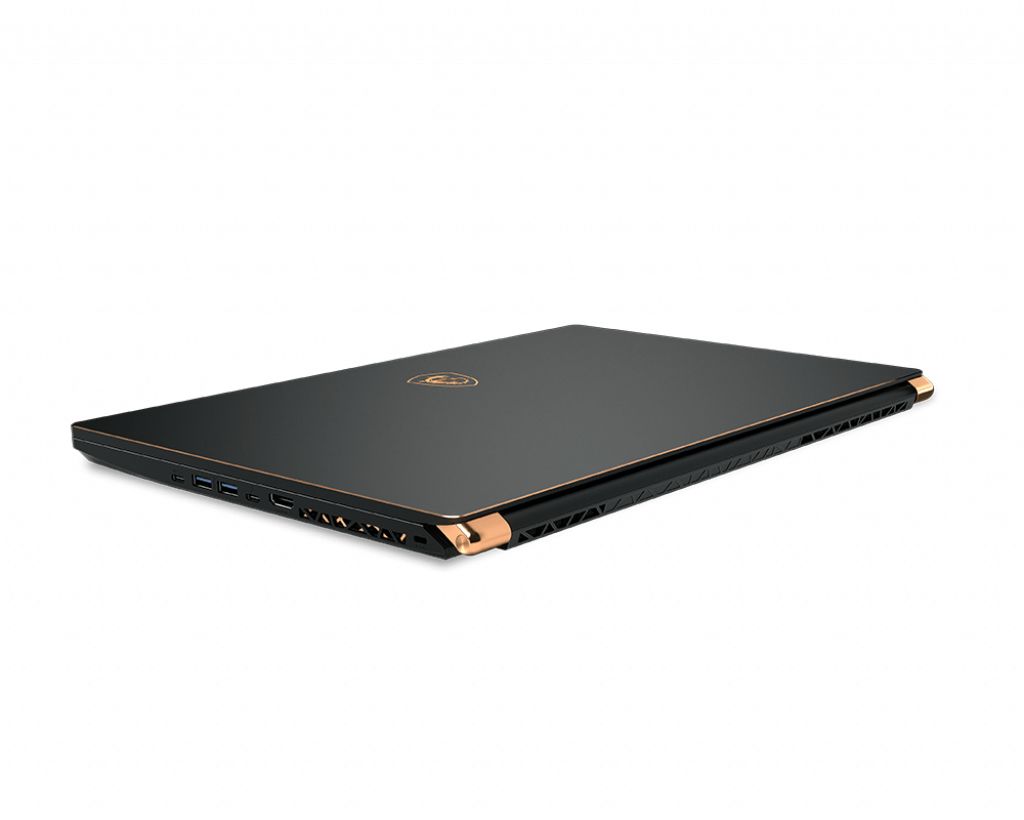
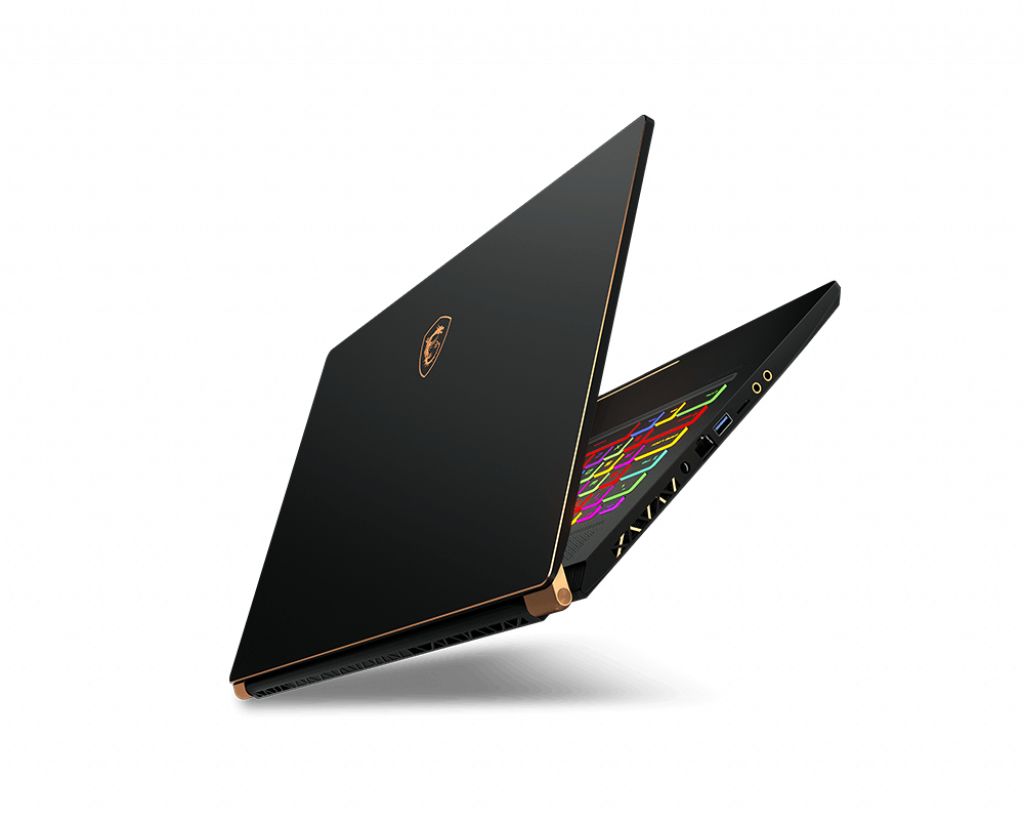
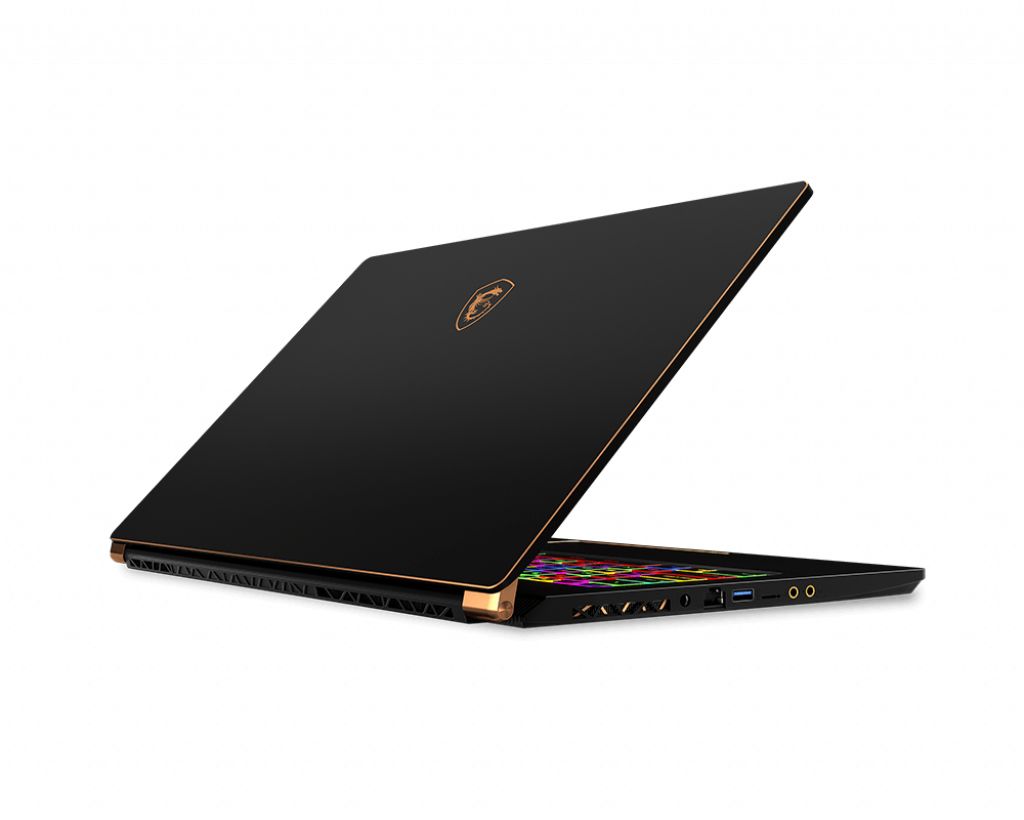
MSI GS75 9SF-282CA Stealth gaming laptop upgrade specifications include DDR4-SDRAM memory with 2x SO-DIMM slots supporting maximum capacity of 64 GB. Compatible memory modules operate at 2666 MHz frequency with SO-DIMM form factor. Specifications indicate upgrade potential for enhanced RAM capacity to optimize laptop performance for gaming and intensive applications.
Memory Upgrade Specifications
| Specification | Value |
|---|---|
| Memory slots | 2x SO-DIMM |
| Form factor | SO-DIMM |
| Memory type | DDR4-SDRAM |
| Frequency | 2666 MHz |
| Maximum RAM | 64 GB |
| Voltage | 1.2V |
| Number of pins | 260-pin |
| Interface | PC4 |
| PC Speed Rating | PC4-2666 (PC4-21328) |
| Bandwidth | 21.3 GB/s |
| Laptop Release date | 19 May 2019 |
Additional Notes
- The 2666 MHz frequency specification represents the maximum officially supported speed, meaning faster modules rated at 2933 MHz or 3200 MHz will downclock to 2666 MHz when installed in this system.
- Both memory slots must be populated with identical capacity modules to enable dual-channel mode, which doubles the effective memory bandwidth compared to single-channel operation with only one module installed.
- The 64 GB maximum capacity constraint indicates that each SO-DIMM slot accepts up to 32 GB modules, requiring density considerations when selecting replacement memory.
- DDR4 SO-DIMM modules operate at 1.2 volts standard specification, and non-standard voltage modules may cause stability issues or prevent the system from posting.
- The SO-DIMM form factor physically measures 67.6 mm in length compared to standard desktop DIMM modules at 133.35 mm, making desktop memory physically incompatible with this chassis.
- Memory upgrade installations in the MSI GS75 9SF-282CA Stealth typically require complete bottom panel removal to access the slots, as gaming laptops rarely include dedicated service doors for RAM access.
- Mixing different capacity modules between the two slots, such as pairing 16 GB with 8 GB, will still function but forces the system into asymmetric dual-channel or flex mode with reduced performance optimization.
- The 9th generation Intel Core processor architecture in this model supports DDR4-2666 natively, meaning higher frequency modules provide no performance benefit even if specified as compatible by the manufacturer.
- Thermal considerations become relevant above 32 GB total capacity, as higher-density memory modules generate additional heat in the confined laptop environment during sustained workloads.
- Non-ECC unbuffered modules are required for consumer laptop platforms, as ECC registered memory designed for server applications will not initialize in this configuration.