MSI Gaming GS75 9SF-416 Stealth RAM upgrade specifications
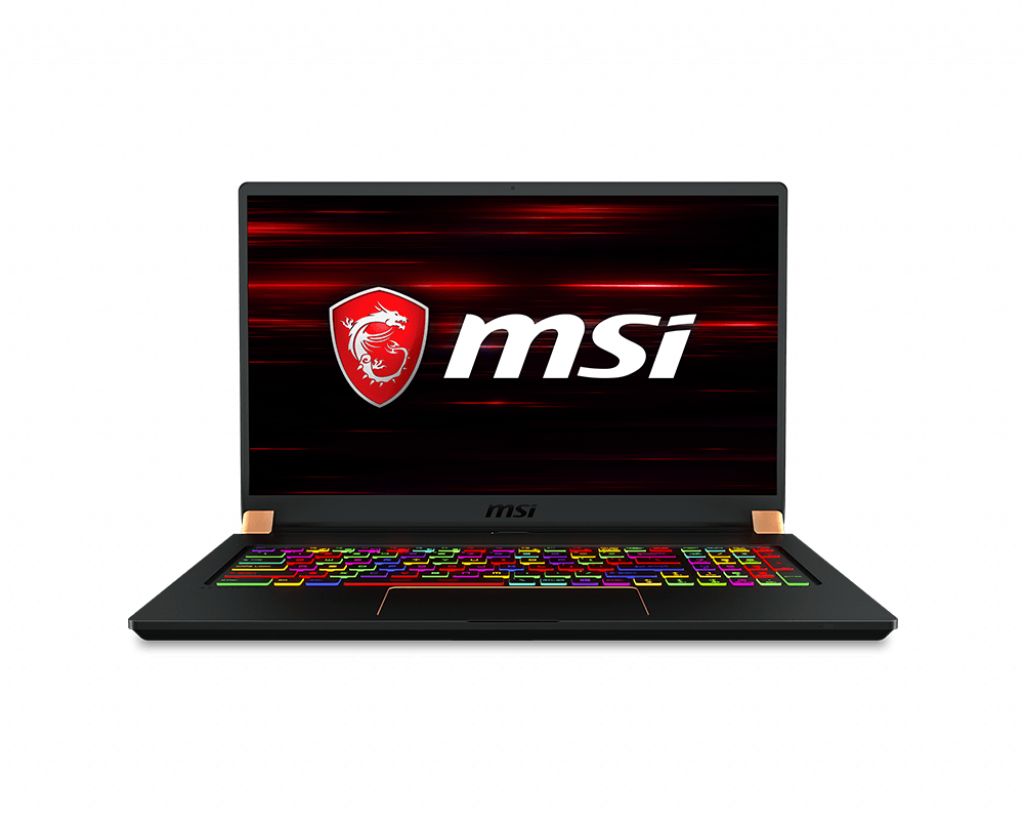
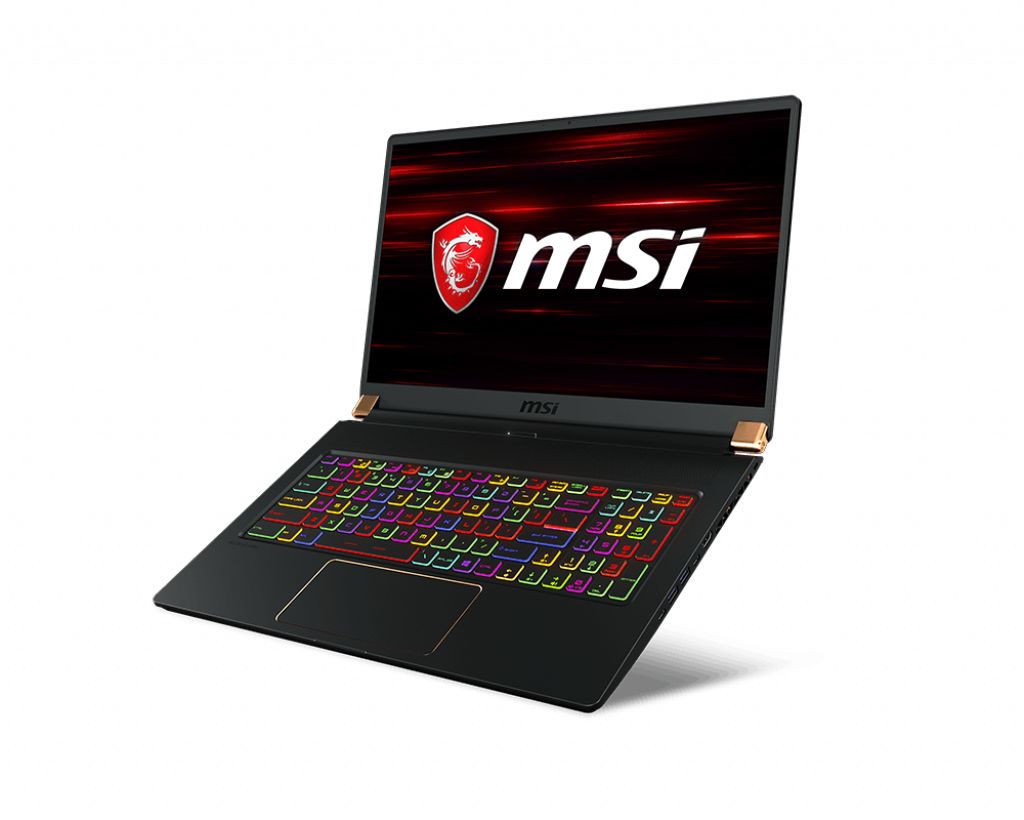
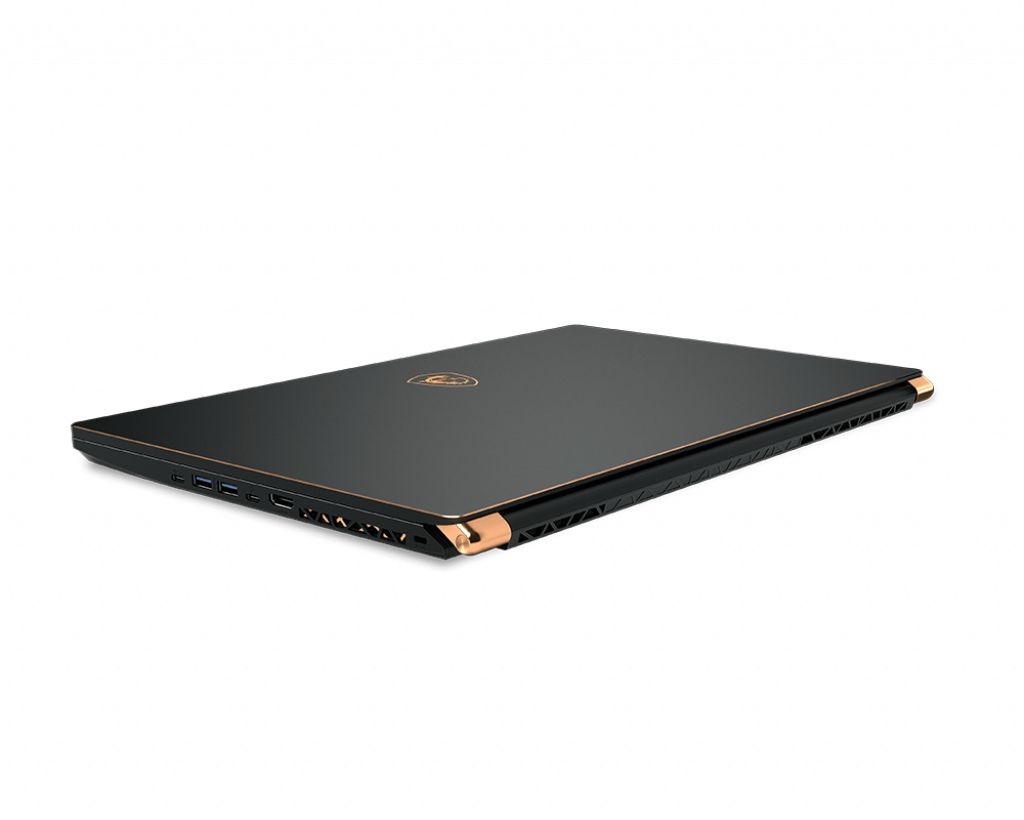

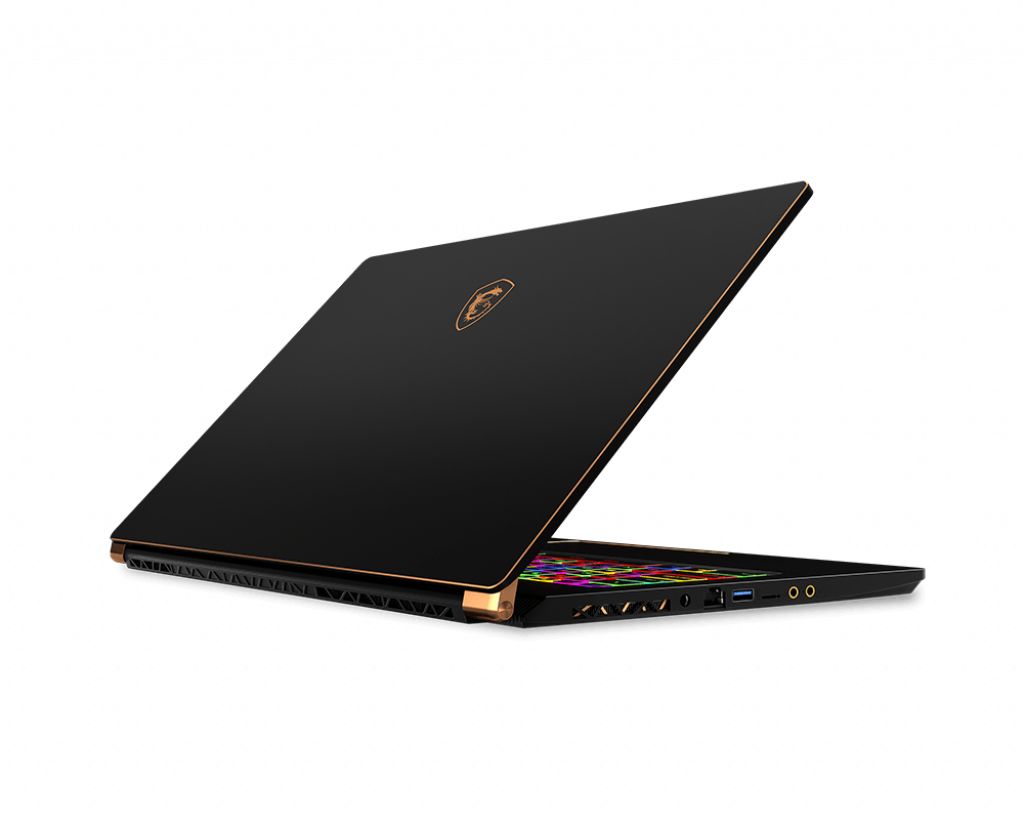
The MSI GS75 9SF-416 Stealth gaming laptop features DDR4-SDRAM memory upgrade specifications. The system contains 2x SO-DIMM slots supporting a maximum RAM capacity of 64 GB. Memory modules operate at 2666 MHz frequency using the SO-DIMM form factor. Compatible DDR4 upgrades enable users to expand memory capacity according to specifications. The Gaming GS series laptop supports memory configurations up to the maximum 64 GB capacity through available upgrade slots.
Memory Upgrade Specifications
| Specification | Value |
|---|---|
| Memory slots | 2x SO-DIMM |
| Form factor | SO-DIMM |
| Memory type | DDR4-SDRAM |
| Frequency | 2666 MHz |
| Maximum RAM | 64 GB |
| Voltage | 1.2V |
| Number of pins | 260-pin |
| Interface | PC4 |
| PC Speed Rating | PC4-2666 (PC4-21328) |
| Bandwidth | 21.3 GB/s |
| Laptop Release date | 10 May 2019 |
Additional Notes
- The MSI GS75 9SF-416 Stealth supports DDR4-2666 memory, which operates at a lower standard frequency than contemporary DDR4-3200 modules; upgrading to faster-rated memory will not increase performance beyond 2666 MHz due to BIOS limitations tied to the 9th-generation Intel processor platform.
- Dual SO-DIMM architecture creates a symmetrical dual-channel configuration; unmatched memory capacities or speeds between slots will force the system into single-channel mode, reducing effective bandwidth by approximately 50 percent.
- The 64 GB maximum capacity assumes both slots populated with 32 GB modules; DDR4 SO-DIMM availability at 32 GB density remains limited in the used market, making practical upgrades to 48 GB (16+32) or 32 GB (16+16) configurations substantially more accessible.
- SO-DIMM modules require partial palmrest or keyboard removal for access; any RAM upgrade voids thermal paste seals and necessitates resealing to prevent thermal throttling during sustained gaming workloads.
- Warranty coverage may be contingent on official MSI service for memory installation; aftermarket upgrades performed outside authorized channels can forfeit remaining manufacturer protection on the integrated graphics and power delivery systems.
- The 2666 MHz specification indicates compatibility with Intel's 6th through 9th-generation mobile processors; mixing memory designated for 10th-generation systems will create boot failures or forced downclocking to 2400 MHz.