MSI Gaming GS75 9SF-448FR Stealth RAM upgrade specifications
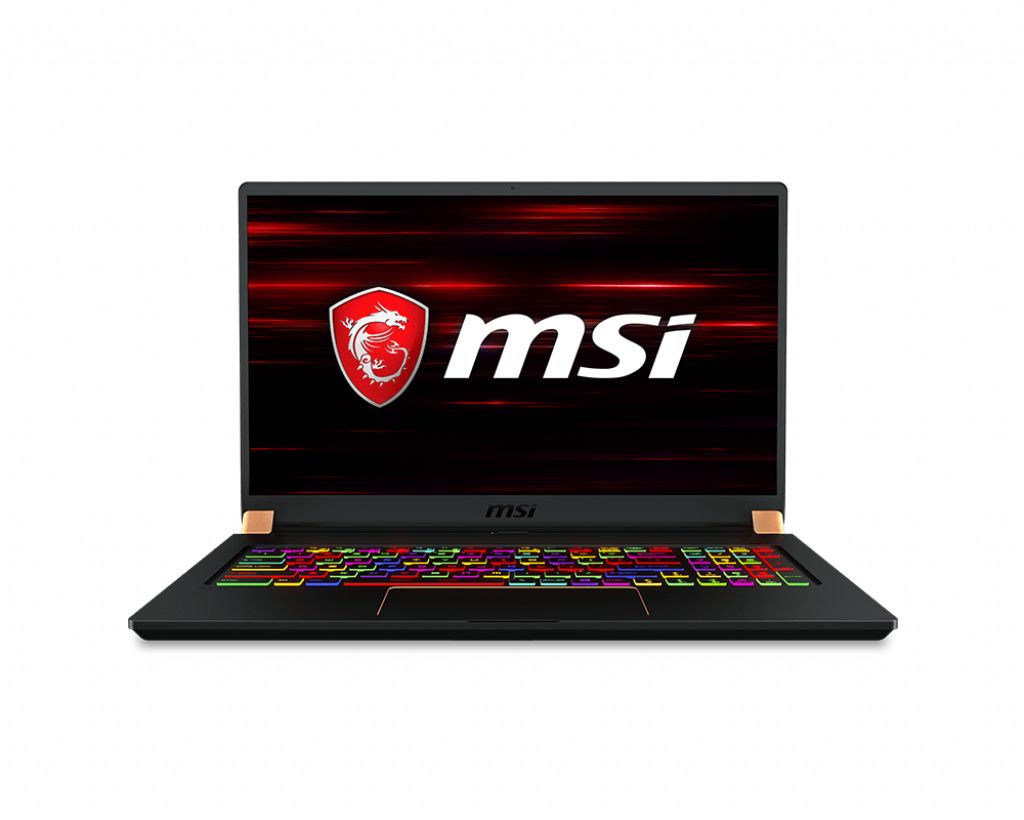
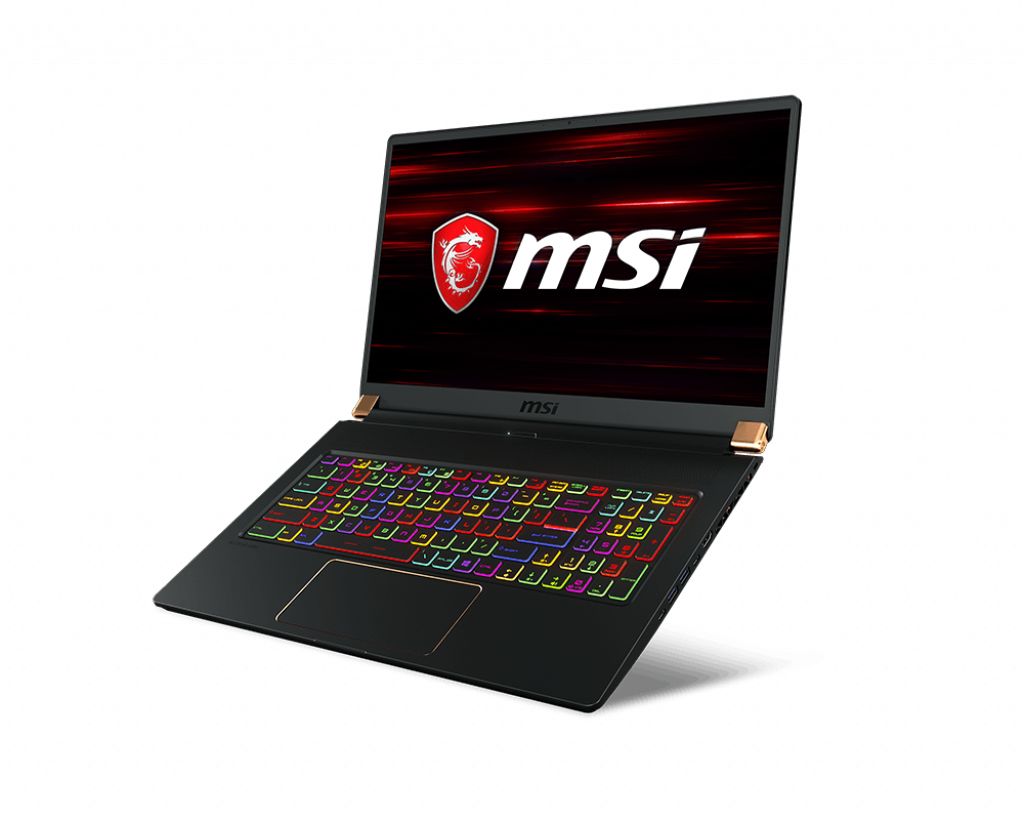
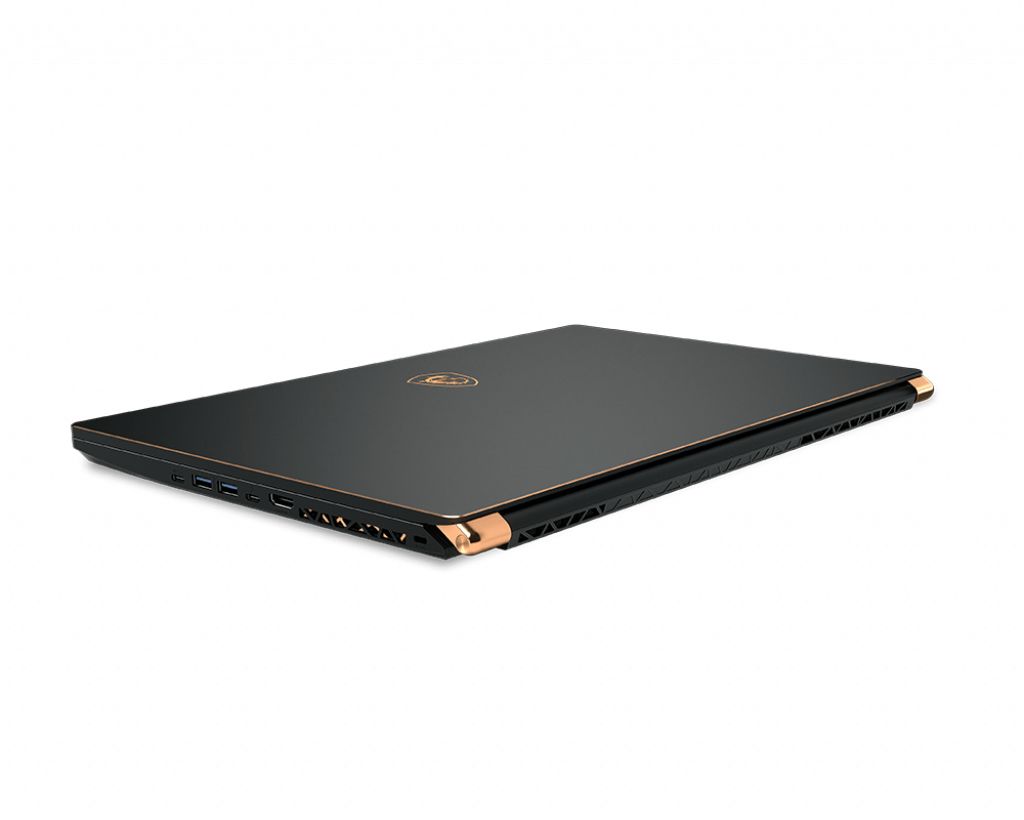
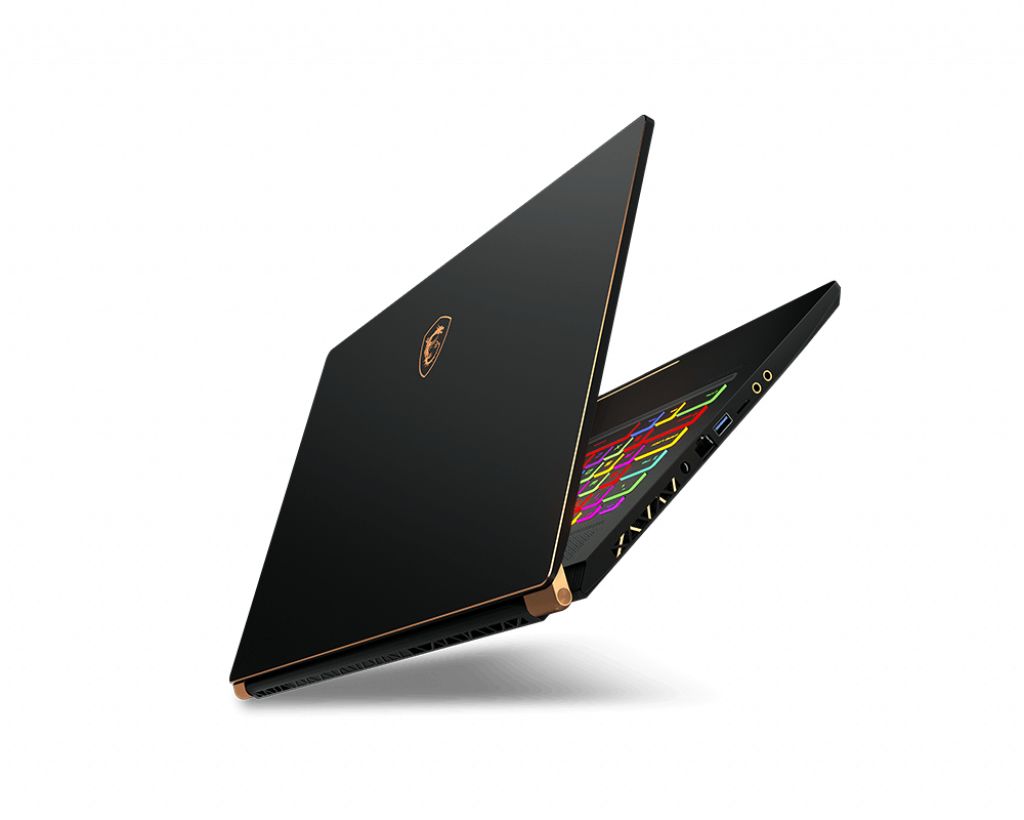
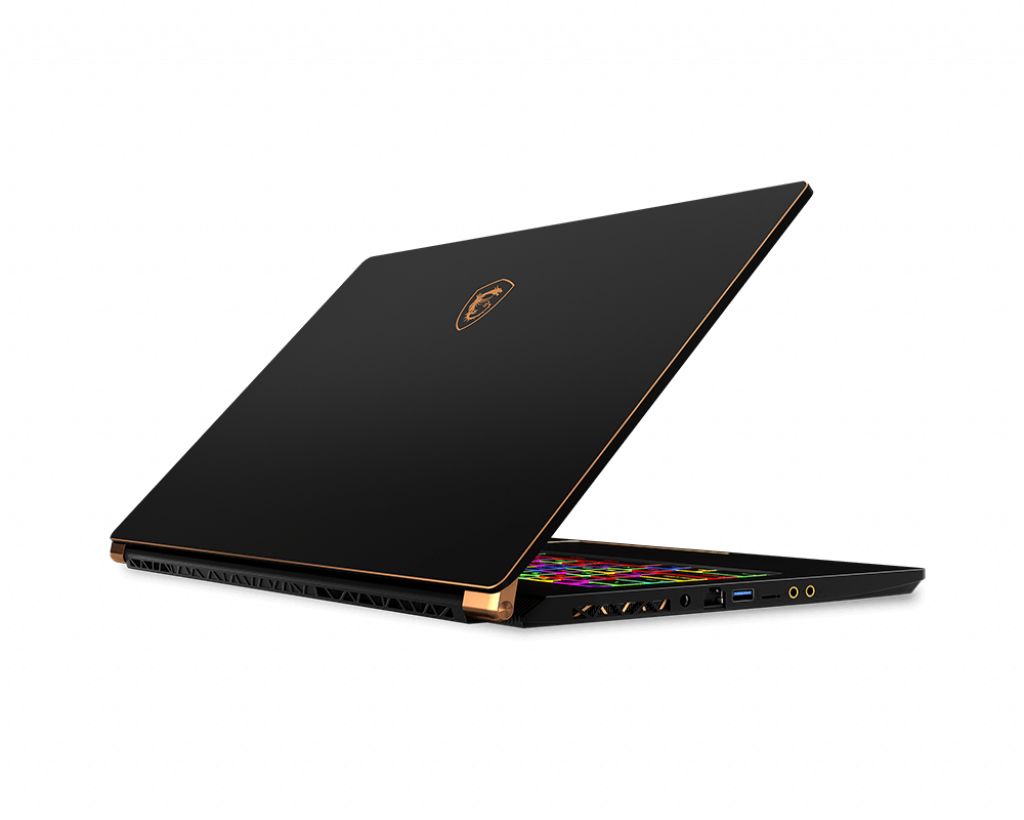
MSI GS75 9SF-448FR Stealth gaming laptop supports DDR4-SDRAM memory upgrades through two SO-DIMM slots. Maximum RAM capacity reaches 32 GB total, with compatible modules operating at 2666 MHz frequency. Each slot accommodates SO-DIMM form factor memory, enabling users to upgrade from factory configuration to maximum specifications. Memory specifications compatible with GS75 9SF-448FR Stealth series include DDR4 modules rated for 2666 MHz operation.
Memory Upgrade Specifications
| Specification | Value |
|---|---|
| Memory slots | 2x SO-DIMM |
| Form factor | SO-DIMM |
| Memory type | DDR4-SDRAM |
| Frequency | 2666 MHz |
| Maximum RAM | 32 GB |
| Voltage | 1.2V |
| Number of pins | 260-pin |
| Interface | PC4 |
| PC Speed Rating | PC4-2666 (PC4-21328) |
| Bandwidth | 21.3 GB/s |
| Laptop Release date | 31 August 2019 |
Additional Notes
- The MSI GS75 9SF-448FR Stealth accepts only SO-DIMM modules, excluding desktop-grade DIMMs regardless of speed or capacity ratings.
- The 32 GB ceiling necessitates a 2x16 GB configuration, as 2x32 GB kits will either fail POST or downclock to registered capacity limits.
- DDR4-2666 represents the validated JEDEC speed, meaning higher-frequency modules rated at 3200 MHz or 3600 MHz will automatically downclock to 2666 MHz without manual intervention.
- Modules exceeding 1.2V operational voltage may trigger thermal throttling in confined laptop chassis designs, particularly under sustained workloads.
- Single-channel operation with one populated slot halves memory bandwidth to approximately 21 GB/s, directly impacting integrated graphics performance and frame pacing consistency.
- Non-standard pin configurations or server-grade ECC SO-DIMMs lack compatibility with consumer chipset memory controllers in gaming-oriented platforms.
- Mixing modules with different density chips or rank configurations often forces the system to operate at the lowest common timings, increasing latency beyond baseline CAS 19 specifications.
- The dual-slot limitation prevents capacity expansion beyond initial installation without replacing existing modules entirely, prohibiting incremental upgrades.
- XMP profiles embedded in enthusiast-grade modules remain inactive unless BIOS firmware explicitly supports SPD reprogramming, otherwise reverting to JEDEC defaults.
- Installation requires bottom panel removal with potential warranty seal breakage, depending on regional service policies and factory assembly methods.