MSI Gaming GS75 9SG-1056FR Stealth RAM upgrade specifications
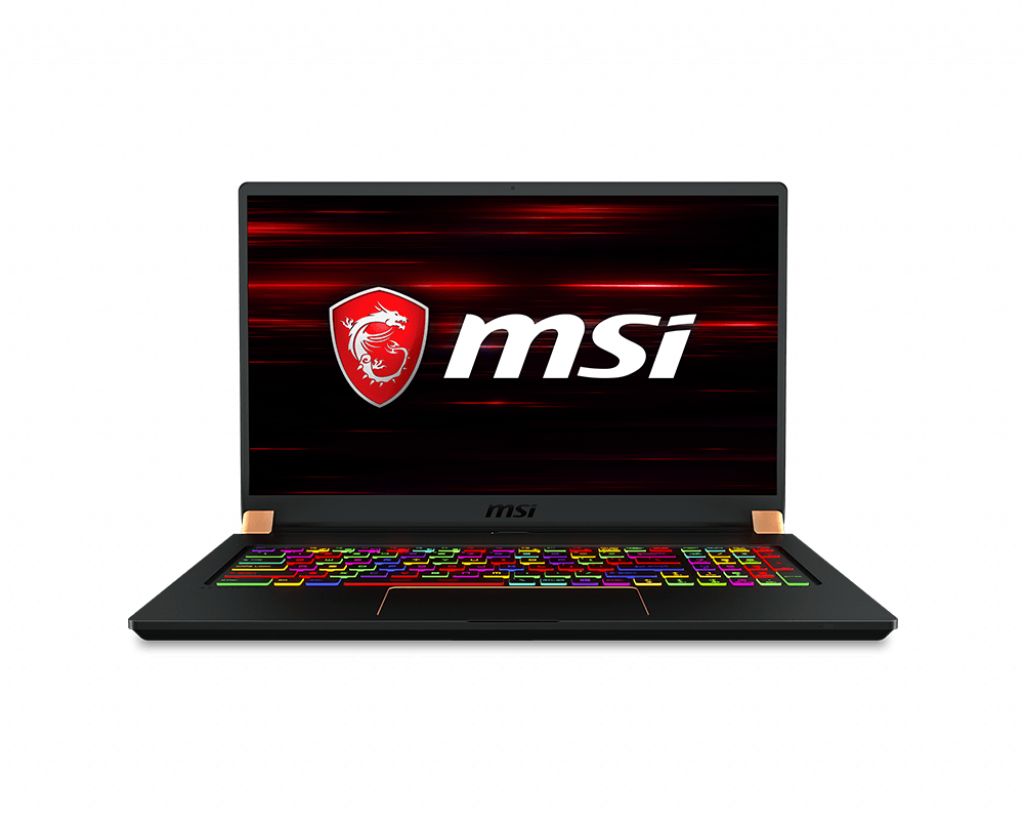
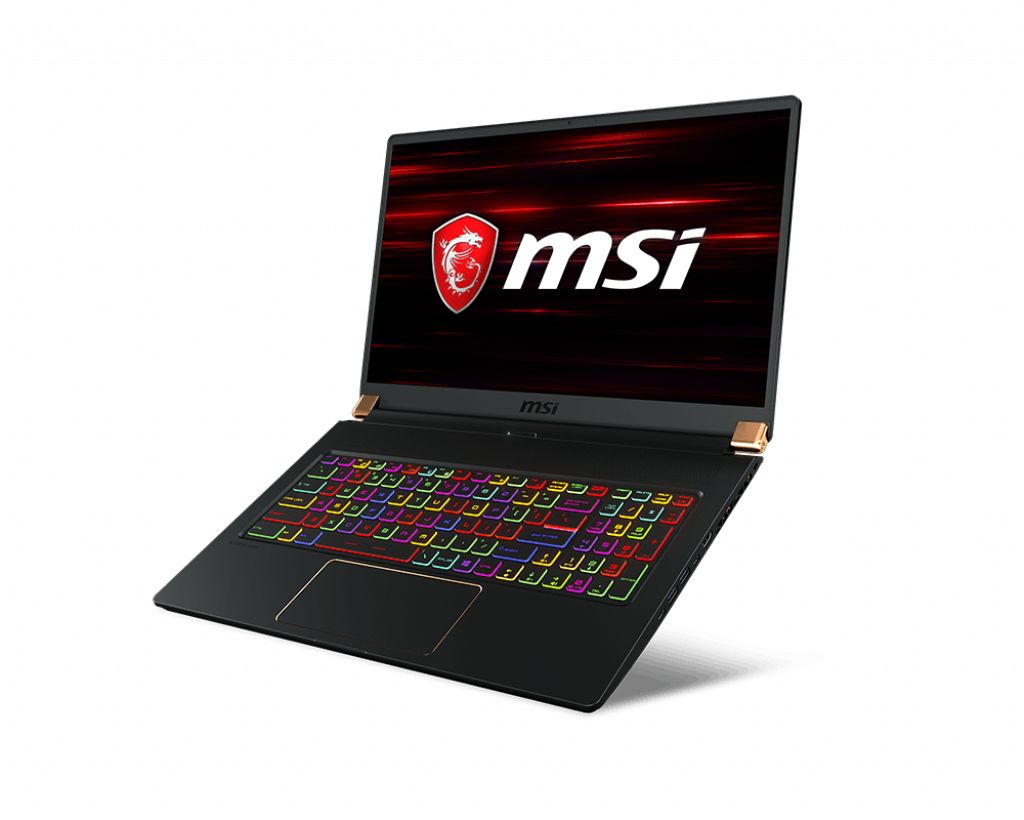

MSI GS75 9SG-1056FR Stealth gaming laptop supports DDR4-SDRAM memory upgrade through dual SO-DIMM slots. Maximum compatible RAM capacity reaches 64 GB total. Memory specifications operate at 2666 MHz frequency. Upgrade slots accept SO-DIMM form factor modules. Current memory configuration details and compatible upgrade options require verification against laptop specifications documentation for optimal compatibility and performance.
Memory Upgrade Specifications
| Specification | Value |
|---|---|
| Memory slots | 2x SO-DIMM |
| Form factor | SO-DIMM |
| Memory type | DDR4-SDRAM |
| Frequency | 2666 MHz |
| Maximum RAM | 64 GB |
| Voltage | 1.2V |
| Number of pins | 260-pin |
| Interface | PC4 |
| PC Speed Rating | PC4-2666 (PC4-21328) |
| Bandwidth | 21.3 GB/s |
| Laptop Release date | 08 November 2019 |
Additional Notes
- The MSI GS75 9SG-1056FR Stealth supports dual-channel memory architecture through its 2 SO-DIMM slots, enabling maximum memory bandwidth when populated with matched pairs rather than a single module.
- DDR4-2666 operates at a lower clock speed than DDR4-3200 modules that may be installed, as the system will downclock faster memory to the supported 2666 MHz frequency.
- The 64 GB ceiling requires two 32 GB modules, a configuration that limits future expansion since both slots must be occupied to reach maximum capacity.
- SO-DIMM form factor measures physically smaller than standard DIMM modules, preventing compatibility with desktop memory despite identical DDR4 specifications.
- Intel 9th generation mobile processors impose the 2666 MHz limit through memory controller specifications, making higher frequency modules a wasteful investment without performance return.
- Warranty preservation typically requires manufacturer-approved memory or installation by authorized service centers, as user upgrades may void coverage depending on regional service policies.
- Single versus dual-module configurations create measurable performance gaps in memory-intensive workloads, with integrated graphics suffering the most significant throughput reduction in asymmetric setups.
- DDR4 voltage standards at 1.2V differ from DDR3L specifications, creating an incompatibility barrier that prevents physical installation of previous-generation modules despite similar SO-DIMM dimensions.
- JEDEC standard latency timings at 2666 MHz typically run CL19, though some modules may achieve tighter CL17 or CL15 timings without guaranteed stability across all system configurations.
- Non-ECC unbuffered memory remains the only supported specification, as Error-Correcting Code modules designed for servers will either fail to initialize or operate without error correction benefits.