MSI Gaming GS75 9SG-259NL Stealth RAM upgrade specifications


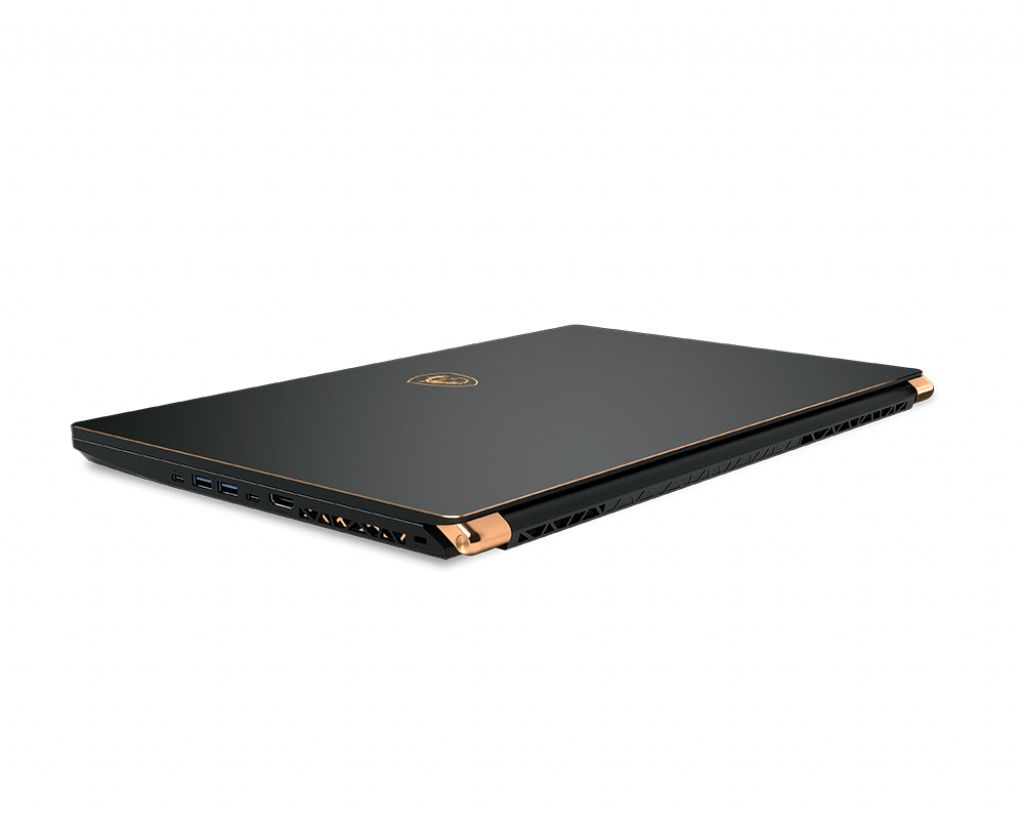


The MSI GS75 9SG-259NL Stealth Gaming series laptop features DDR4-SDRAM memory upgrade specifications. The device contains 2x SO-DIMM memory slots supporting a maximum RAM capacity of 64 GB. Compatible memory modules operate at 2666 MHz frequency. The SO-DIMM form factor specifications define the physical and technical requirements for compatible memory upgrades to this laptop model.
Memory Upgrade Specifications
| Specification | Value |
|---|---|
| Memory slots | 2x SO-DIMM |
| Form factor | SO-DIMM |
| Memory type | DDR4-SDRAM |
| Frequency | 2666 MHz |
| Maximum RAM | 64 GB |
| Voltage | 1.2V |
| Number of pins | 260-pin |
| Interface | PC4 |
| PC Speed Rating | PC4-2666 (PC4-21328) |
| Bandwidth | 21.3 GB/s |
| Laptop Release date | 07 April 2019 |
Additional Notes
- The 2666 MHz frequency represents the maximum officially supported speed, meaning faster modules will downclock to this rate without providing performance benefits.
- Dual SO-DIMM configuration requires matched pairs for optimal dual-channel bandwidth, as mismatched capacities or timings can force single-channel operation or reduce throughput.
- The 64 GB ceiling limits professional workloads requiring larger memory pools for virtual machines, large dataset processing, or high-resolution video editing with multiple layers.
- DDR4 SO-DIMM modules physically differ from desktop DIMM counterparts in pin count and length, preventing accidental installation of incompatible desktop memory.
- Voltage compatibility matters as standard DDR4 operates at 1.2V, while low-voltage or overclocking variants may cause stability issues or refuse to POST on this platform.
- Accessing the two slots typically requires bottom panel removal on the MSI GS75 9SG-259NL Stealth, which may involve breaking factory seals that void warranty coverage if performed by unauthorized parties.
- Single-rank versus dual-rank module architecture affects memory interleaving and can influence performance in bandwidth-sensitive applications despite identical capacity ratings.
- The 2666 MHz specification indicates 9th-generation Intel mobile processor compatibility, which lacks native support for DDR4-3200 found in newer platforms.
- Mixed module configurations with different manufacturers can introduce CAS latency conflicts, requiring the system to adopt the slowest timing across both slots.
- Thermal constraints in thin gaming chassis mean densely populated 32 GB modules may generate more heat than dual 16 GB configurations at equivalent total capacity.