MSI Gaming GS75 9SG-250AU Stealth RAM upgrade specifications
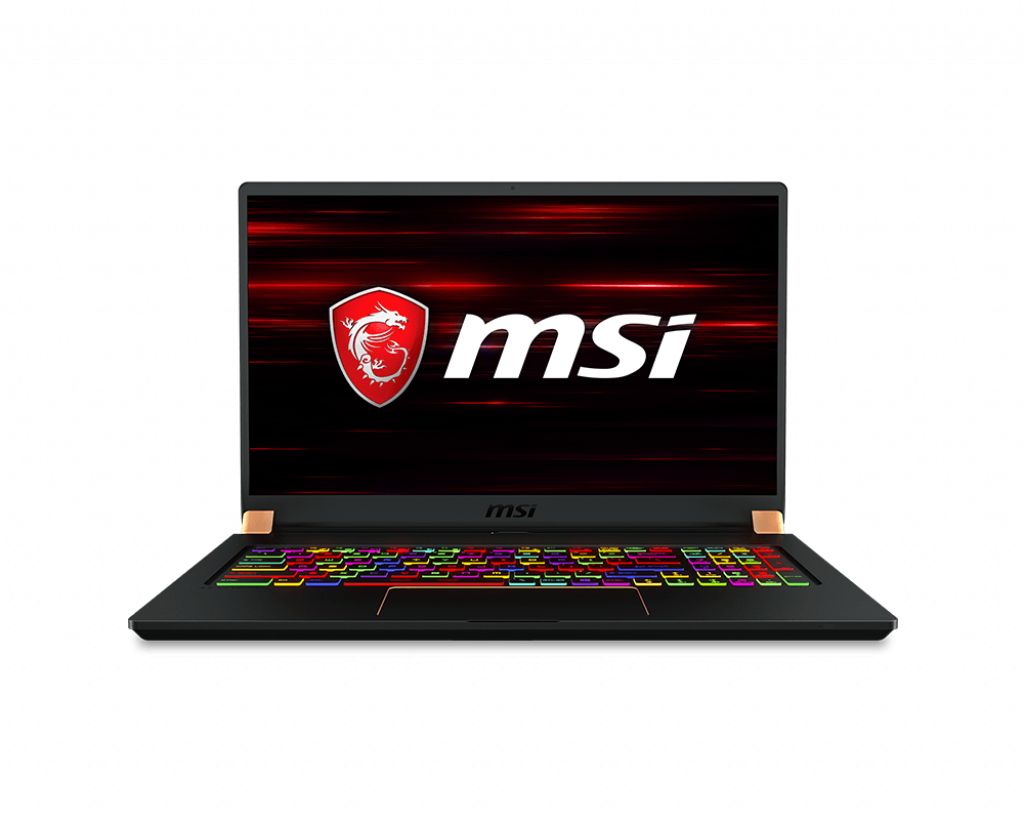
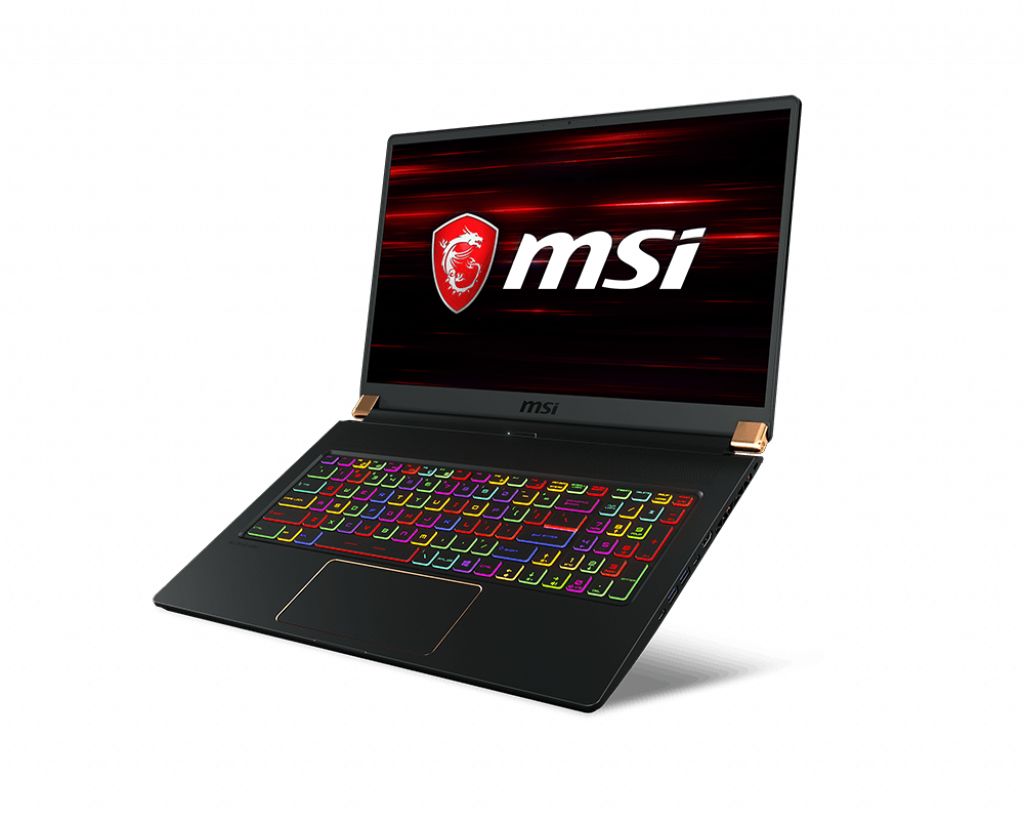
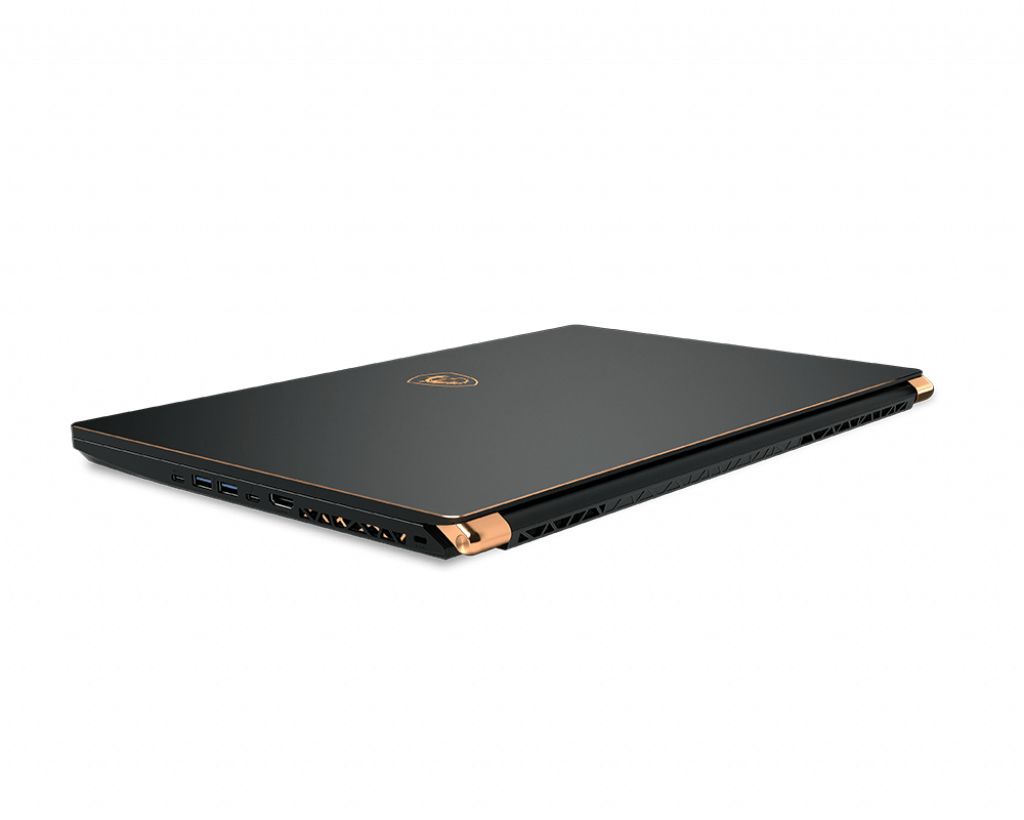

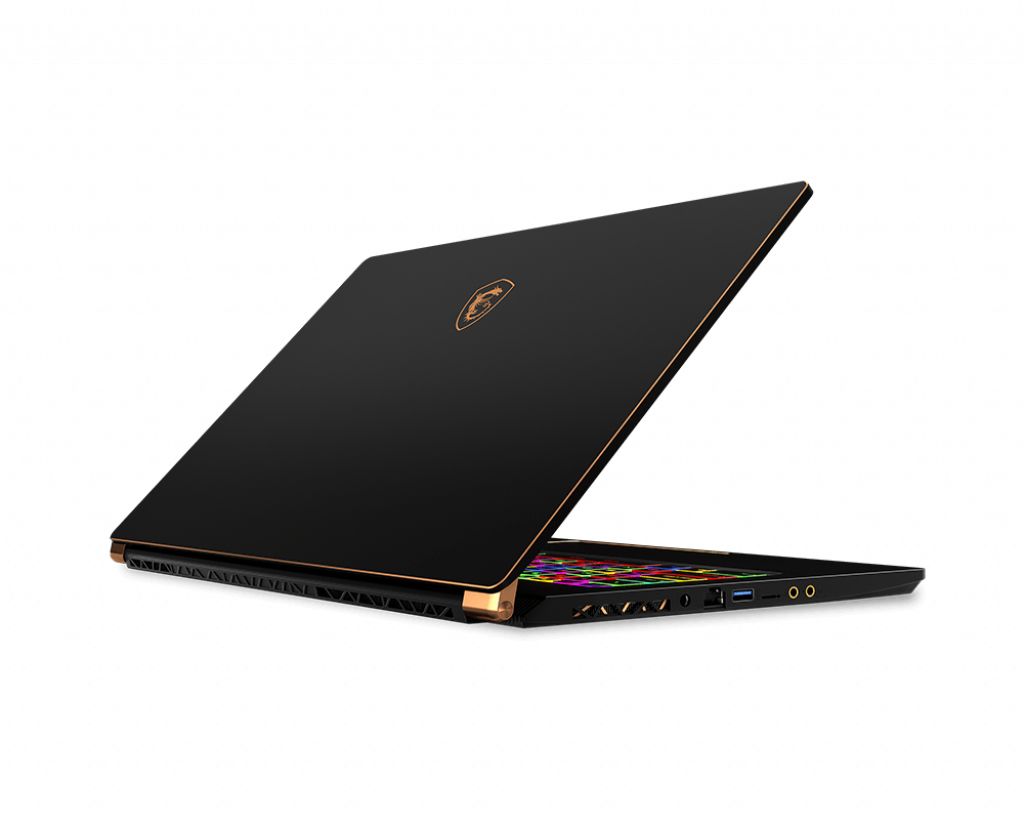
The MSI GS75 9SG-250AU Stealth gaming laptop features DDR4-SDRAM memory upgrade specifications with two SO-DIMM slots supporting maximum capacity of 64 GB. Compatible memory modules operate at 2666 MHz frequency. RAM upgrade slots accept SO-DIMM form factor memory modules. Specifications enable memory expansion for enhanced multitasking and performance in the GS series gaming platform.
Memory Upgrade Specifications
| Specification | Value |
|---|---|
| Memory slots | 2x SO-DIMM |
| Form factor | SO-DIMM |
| Memory type | DDR4-SDRAM |
| Frequency | 2666 MHz |
| Maximum RAM | 64 GB |
| Voltage | 1.2V |
| Number of pins | 260-pin |
| Interface | PC4 |
| PC Speed Rating | PC4-2666 (PC4-21328) |
| Bandwidth | 21.3 GB/s |
| Laptop Release date | 17 September 2019 |
Additional Notes
- The 2x SO-DIMM slot configuration limits expansion to a maximum of 64 GB total capacity, meaning each module cannot exceed 32 GB per slot to reach the ceiling.
- DDR4-2666 MHz frequency represents the JEDEC standard for this generation, but the MSI GS75 9SG-250AU Stealth may support faster XMP/DOCP profiles up to DDR4-3200 MHz or higher depending on BIOS revision, provided modules are installed in matched pairs.
- SO-DIMM form factor requires low-profile modules; standard UDIMM memory is physically incompatible with the 2 available slots regardless of capacity or speed specifications.
- Mixed-capacity configurations (such as 16 GB plus 32 GB modules) function in dual-channel mode only if both modules operate at the slower frequency and timings of the conservative module, reducing potential bandwidth by up to 50 percent compared to matched-pair operation.
- Removing factory memory to install aftermarket modules typically voids no warranty provisions for RAM itself, but any damage to surrounding components during installation may trigger exclusions; thermal stress near DIMM slots during high-load gaming sessions can degrade adjacent solder joints over extended periods.
- The single-channel configuration of the original factory module(s) creates a 25 to 40 percent latency penalty in memory-bound operations; upgrading both slots with matched pairs yields measurable frame rate improvements in CPU-limited scenarios, particularly in esports titles.