MSI Gaming GS75 9SG-276 Stealth RAM upgrade specifications
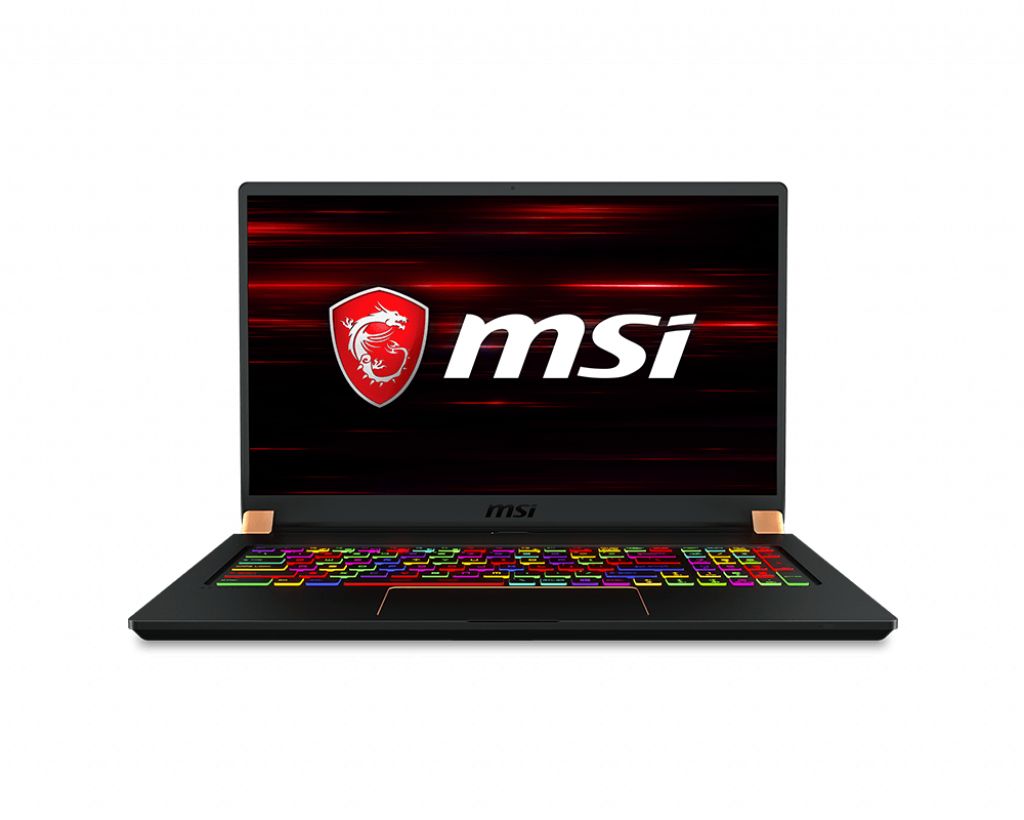

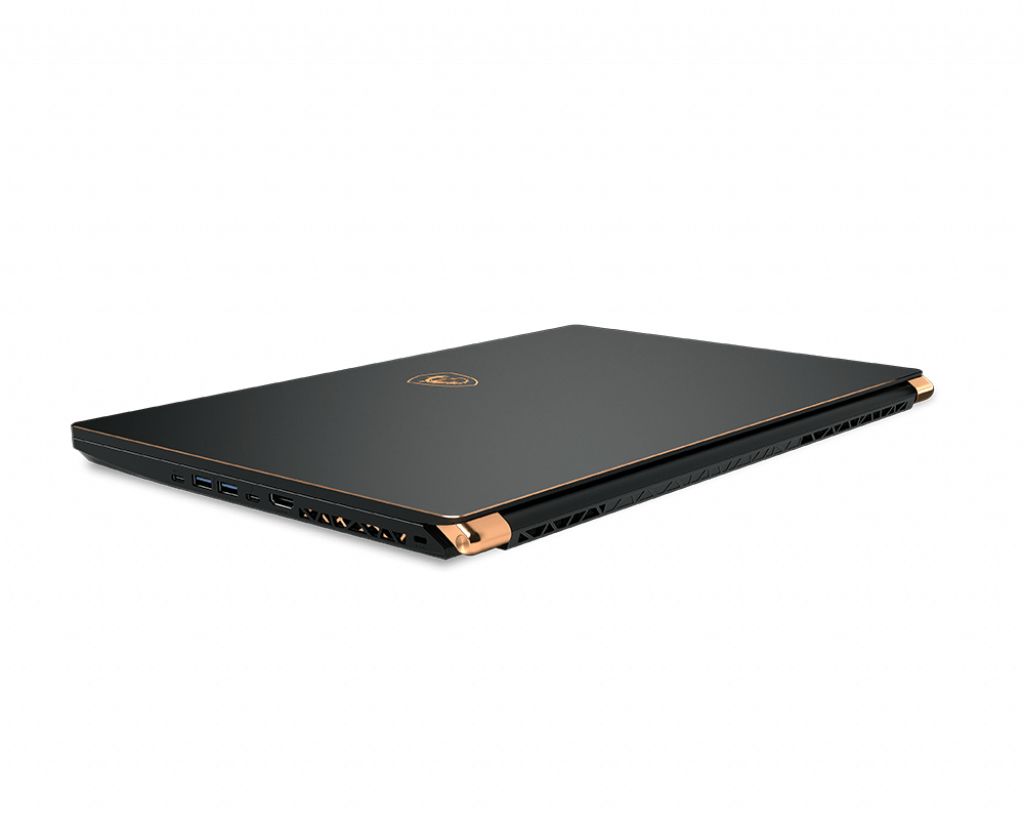


The MSI GS75 9SG-276 Stealth gaming laptop supports DDR4-SDRAM memory upgrades through 2x SO-DIMM slots. Maximum RAM capacity reaches 64 GB, with compatible modules operating at 2666 MHz frequency. The SO-DIMM form factor specifications enable memory expansion beyond factory configurations. Upgrade options accommodate standard DDR4 modules meeting the established frequency and slot specifications for the GS75 9SG-276 Stealth series.
Memory Upgrade Specifications
| Specification | Value |
|---|---|
| Memory slots | 2x SO-DIMM |
| Form factor | SO-DIMM |
| Memory type | DDR4-SDRAM |
| Frequency | 2666 MHz |
| Maximum RAM | 64 GB |
| Voltage | 1.2V |
| Number of pins | 260-pin |
| Interface | PC4 |
| PC Speed Rating | PC4-2666 (PC4-21328) |
| Bandwidth | 21.3 GB/s |
| Laptop Release date | 05 May 2019 |
Additional Notes
- The MSI GS75 9SG-276 Stealth contains 2 SO-DIMM slots operating at 2666 MHz, which represents a bandwidth ceiling of approximately 42.6 GB/s per channel. This frequency aligns with 9th-generation Intel mobile processor specifications and may not support higher DDR4 speeds even if faster modules are physically installed.
- SO-DIMM modules occupy minimal physical space within the chassis, but accessing both slots requires removal of the bottom panel. Thermal management around the memory area should be verified post-installation, as gaming laptops generate substantial heat that can affect DRAM stability in confined spaces.
- The 64 GB maximum capacity ceiling means users cannot exceed this threshold regardless of module density. Upgrading to dual 32 GB SO-DIMMs provides full saturation of the memory subsystem without future expansion options.
- DDR4-2666 memory operates at a notably lower frequency than contemporary DDR4-3000 or DDR4-3200 modules. Installing faster-rated memory will default to 2666 MHz operation due to BIOS limitations, making speed-premium modules unnecessary and non-cost-effective for this system.
- SO-DIMM DDR4 modules from this generation exhibit minimal variation in voltage specifications across manufacturers. Voltage compatibility remains straightforward, but CAS latency should be cross-referenced with original equipment specifications to avoid potential stability issues.
- The 2-slot configuration creates a single upgrade path: either populate both slots identically or replace the existing module(s) entirely. Mismatched capacity or latency values between slots may trigger reduced performance or boot failures depending on BIOS implementation.