MSI Gaming GS75 9SG-280CA Stealth RAM upgrade specifications
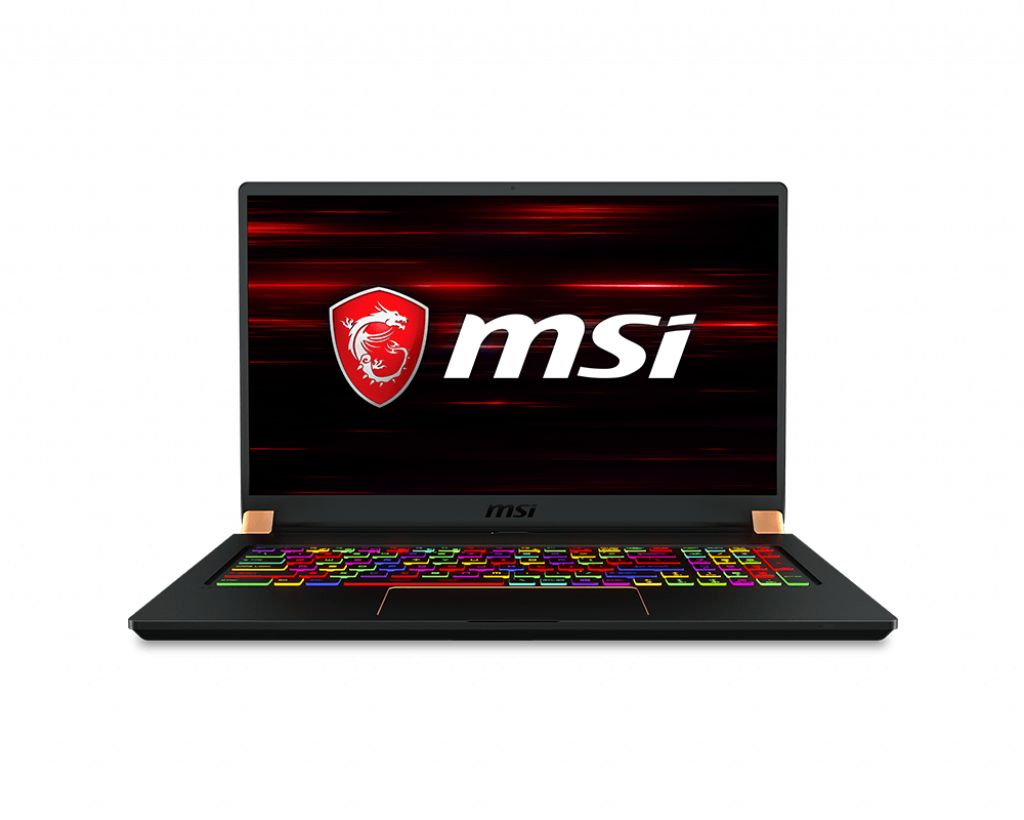
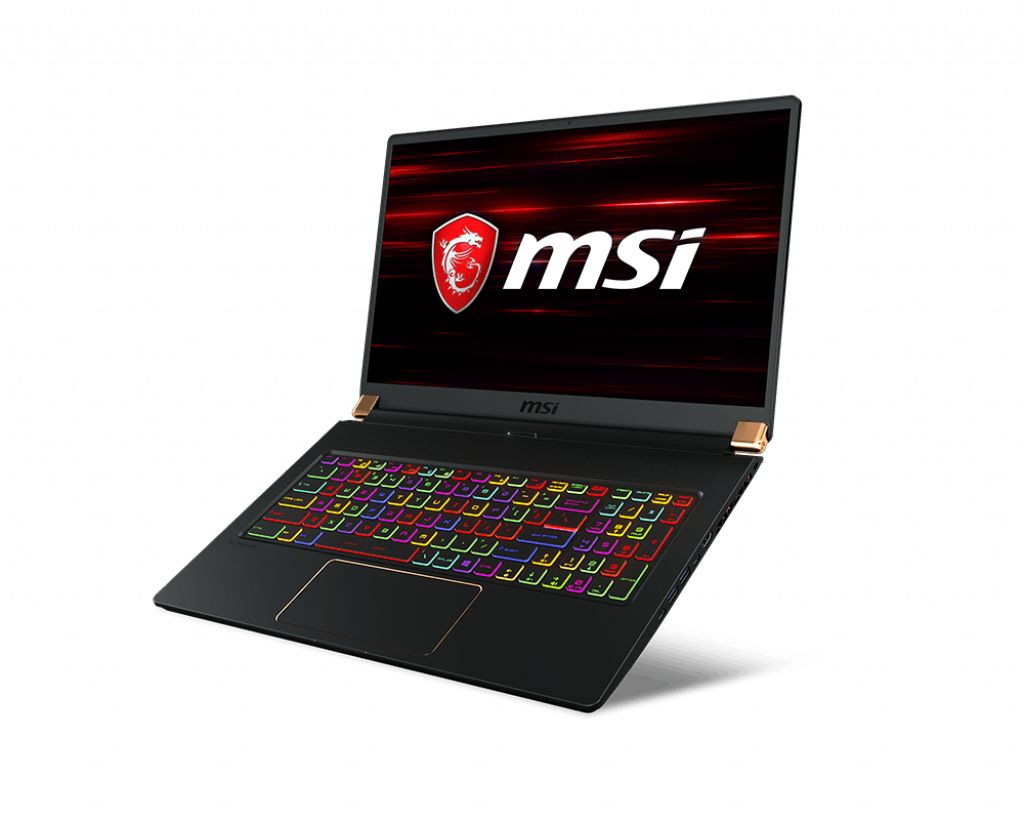
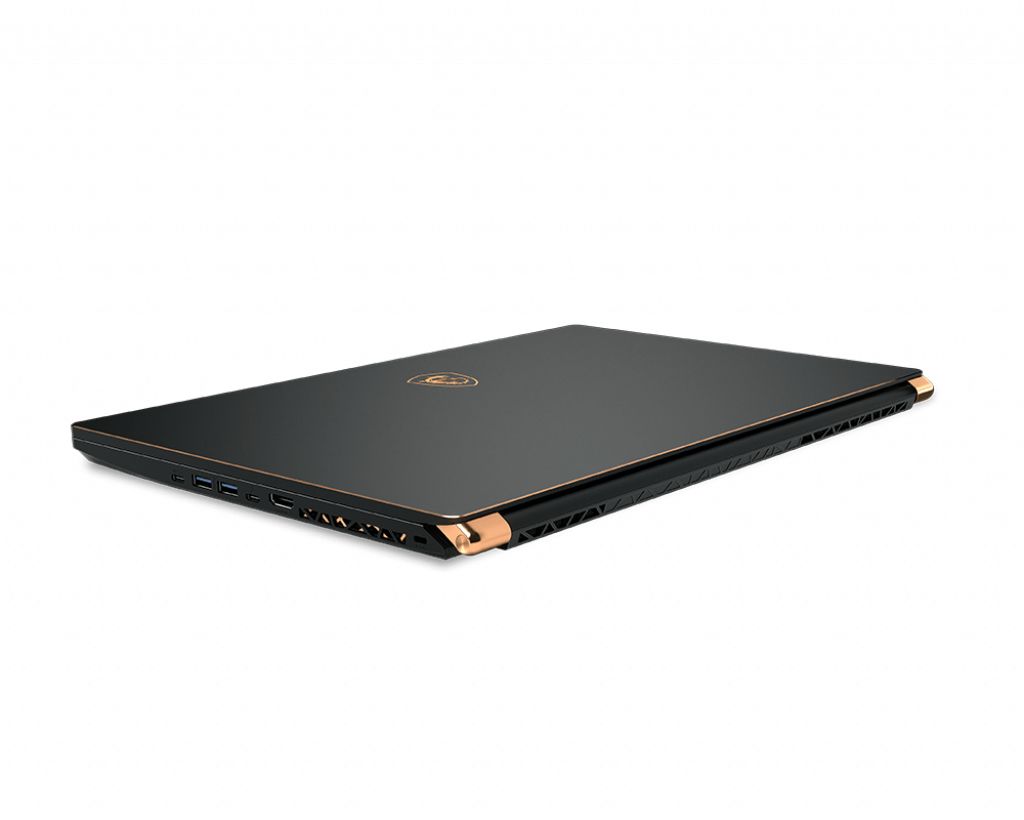
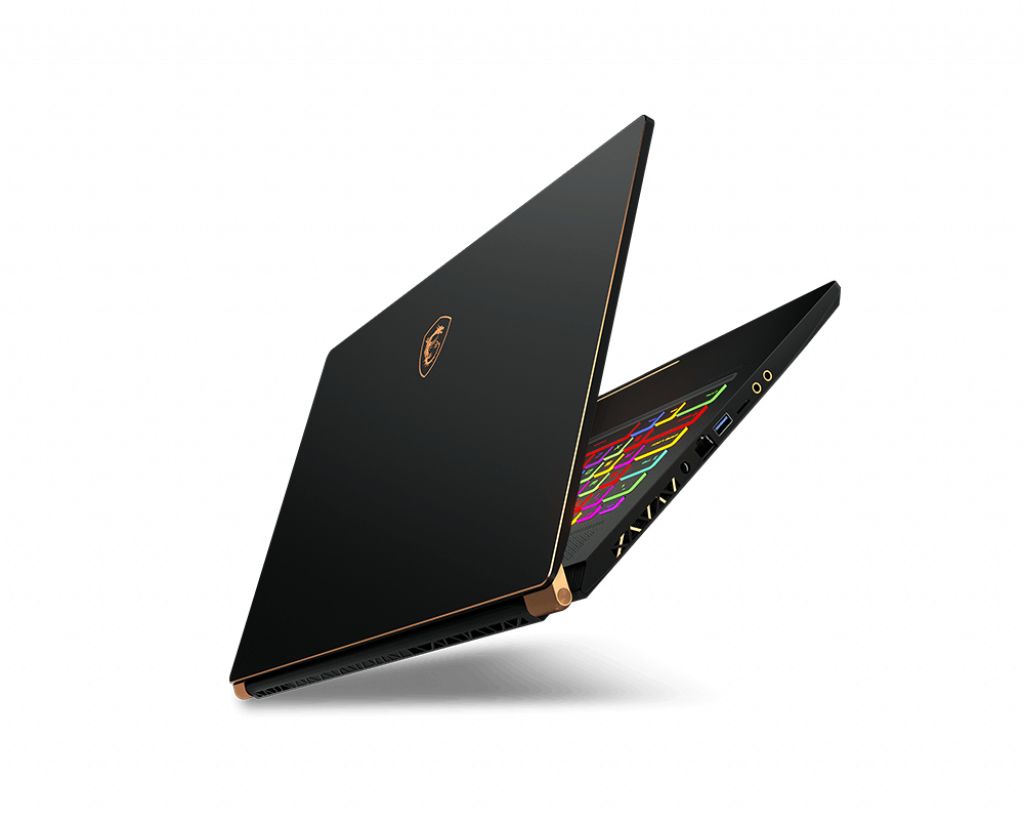
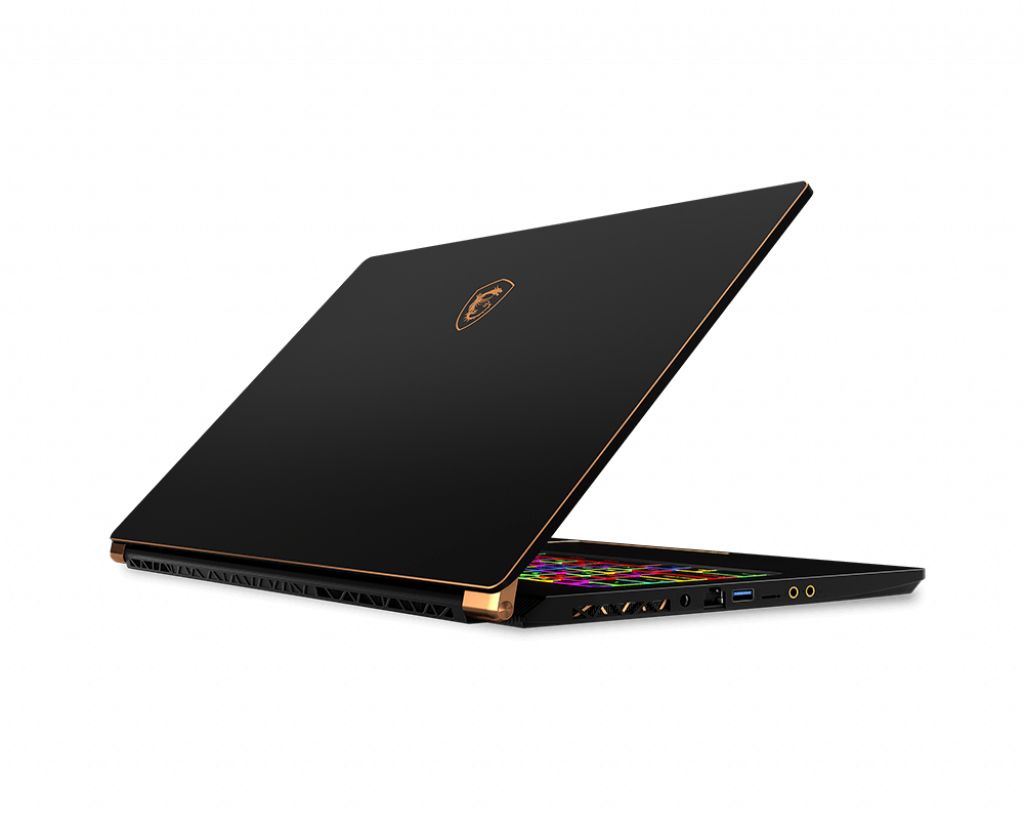
MSI GS75 9SG-280CA Stealth gaming laptop RAM upgrade specifications detail DDR4-SDRAM memory compatibility with 2x SO-DIMM slots supporting maximum capacity of 64 GB total. The upgrade configuration utilizes SO-DIMM form factor modules operating at 2666 MHz frequency. Compatible memory modules must meet these specifications for proper installation and system functionality. Existing memory can be replaced or supplemented within the available slots to reach maximum supported capacity on this MSI Gaming GS series model.
Memory Upgrade Specifications
| Specification | Value |
|---|---|
| Memory slots | 2x SO-DIMM |
| Form factor | SO-DIMM |
| Memory type | DDR4-SDRAM |
| Frequency | 2666 MHz |
| Maximum RAM | 64 GB |
| Voltage | 1.2V |
| Number of pins | 260-pin |
| Interface | PC4 |
| PC Speed Rating | PC4-2666 (PC4-21328) |
| Bandwidth | 21.3 GB/s |
| Laptop Release date | 13 May 2019 |
Additional Notes
- The MSI GS75 9SG-280CA Stealth accepts only SO-DIMM modules, which are physically shorter than standard desktop DIMMs and incompatible with standard DDR4 RAM. Purchasing full-size desktop memory will result in incompatibility.
- The 2666 MHz native frequency represents a constraint on performance scaling. Modules rated above 2666 MHz will throttle to this speed due to CPU-level limitations in 9th-generation Intel processors, negating the performance benefit of faster RAM.
- Dual-slot architecture means maximum capacity depends on individual module density. Two 32 GB modules are required to reach the 64 GB ceiling; single-module upgrades cannot exceed 32 GB on this platform.
- Replacement requires removal of both existing modules to free slots for upgrades. Unlike systems with 4+ slots, there is no option to incrementally add memory while preserving existing modules.
- SO-DIMM modules generate less heat dissipation than desktop variants, but this laptop's thermal design does not provide active cooling pathways for memory. Thermal consideration for ultra-high-density modules is minimal compared to CPU or GPU thermal constraints.
- DDR4 production for SO-DIMM form factor at 2666 MHz speeds has largely shifted to industrial/legacy supply chains. Retail availability of matching pairs may require extended sourcing time compared to standard desktop DDR4 modules.