MSI Gaming GS75 9SG-447FR Stealth RAM upgrade specifications
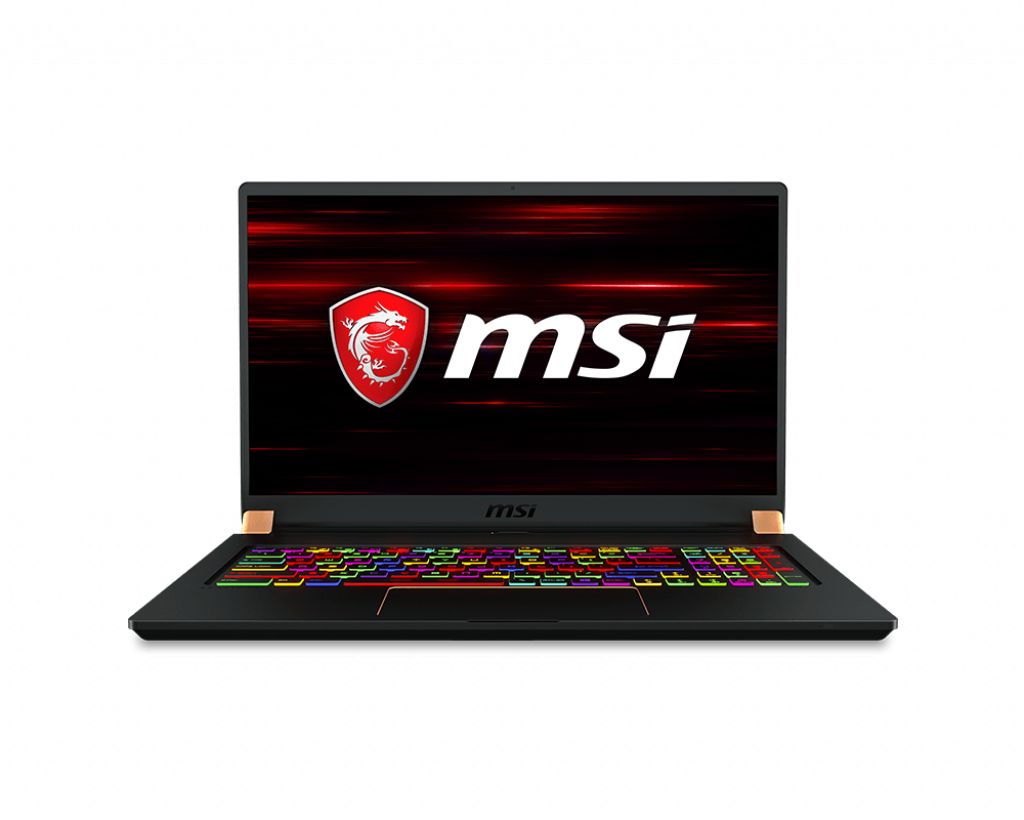
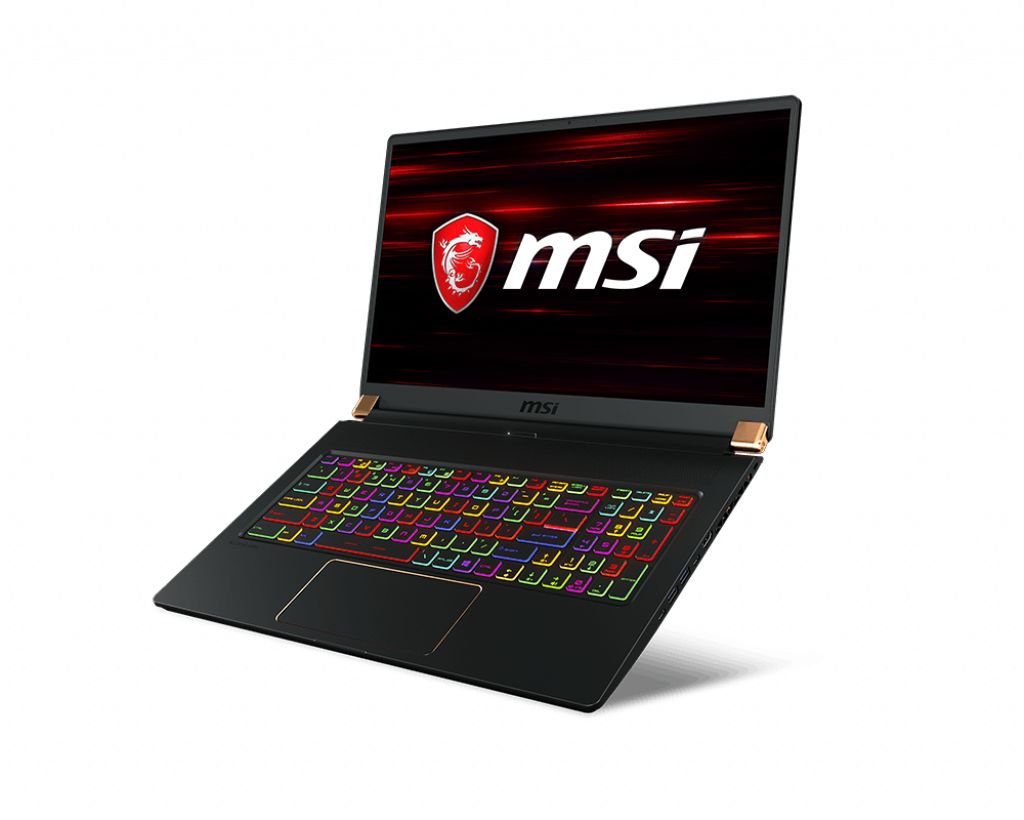
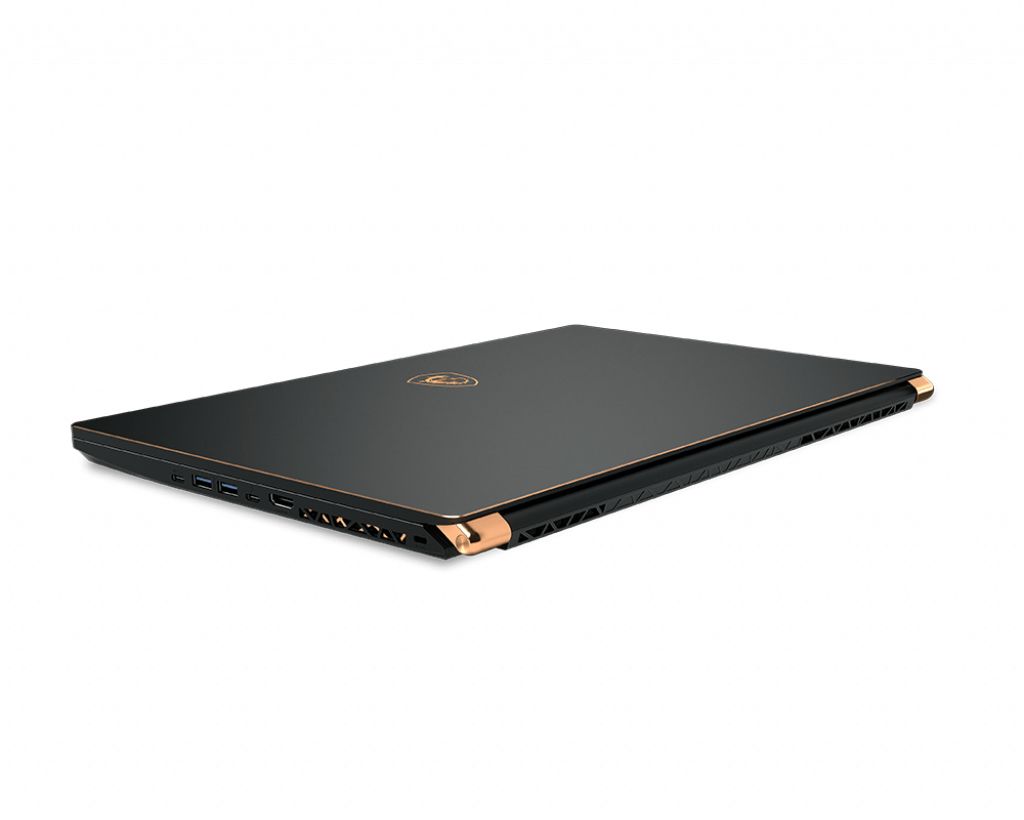

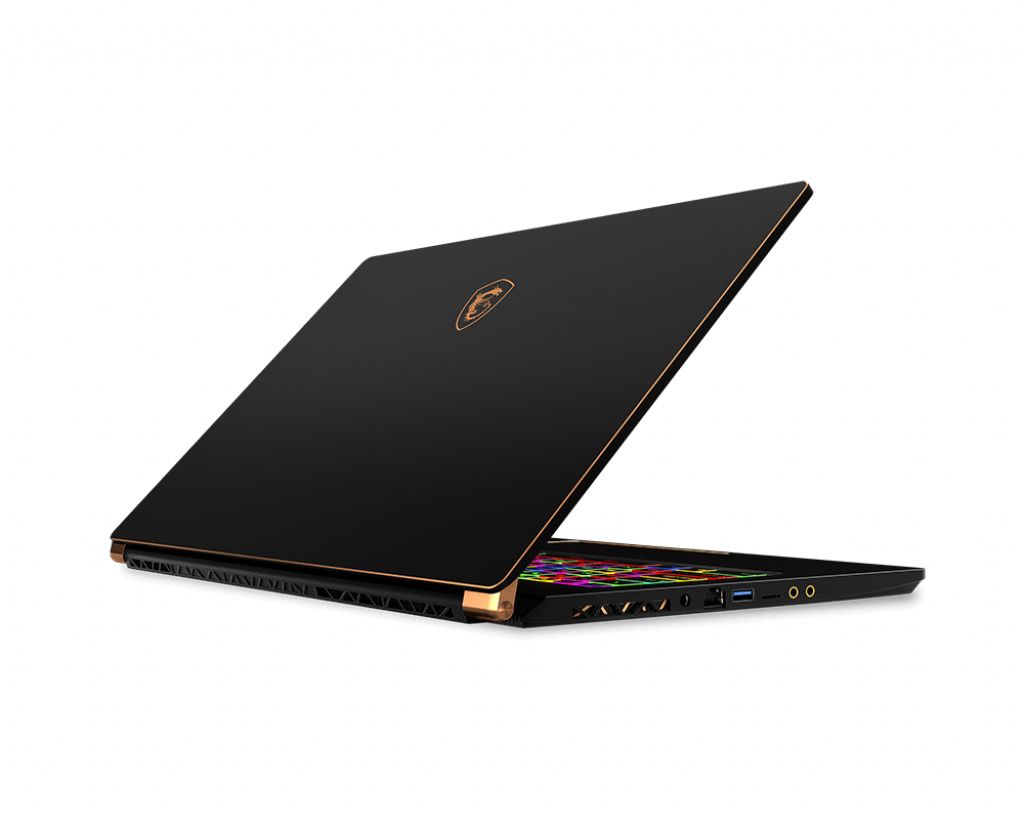
The MSI GS75 9SG-447FR Stealth Gaming series laptop features DDR4-SDRAM memory upgrade specifications. The system contains 2x SO-DIMM slots compatible with DDR4 memory modules operating at 2666 MHz frequency. Maximum supported RAM capacity reaches 64 GB total. The SO-DIMM form factor specifications enable memory expansion through direct slot upgrades. These upgrade specifications define the compatible memory parameters for the GS75 9SG-447FR Stealth model.
Memory Upgrade Specifications
| Specification | Value |
|---|---|
| Memory slots | 2x SO-DIMM |
| Form factor | SO-DIMM |
| Memory type | DDR4-SDRAM |
| Frequency | 2666 MHz |
| Maximum RAM | 64 GB |
| Voltage | 1.2V |
| Number of pins | 260-pin |
| Interface | PC4 |
| PC Speed Rating | PC4-2666 (PC4-21328) |
| Bandwidth | 21.3 GB/s |
| Laptop Release date | 25 May 2019 |
Additional Notes
- The dual-channel architecture requires matched pairs of SO-DIMM modules to achieve optimal memory bandwidth, with mismatched modules potentially defaulting to single-channel operation and reducing throughput by approximately 50%.
- The 2666 MHz frequency specification represents the JEDEC standard speed, though XMP/overclocked modules rated above this frequency will downclock to match the chipset limitation of the MSI GS75 9SG-447FR Stealth.
- Accessing the SO-DIMM slots typically requires bottom panel removal, which may involve voiding warranty seals depending on regional regulations and manufacturer policies in effect at time of purchase.
- The 64 GB maximum capacity constraint stems from the Intel mobile platform's memory controller limitations rather than physical slot restrictions, making theoretical higher-capacity modules incompatible regardless of form factor compliance.
- DDR4 SO-DIMM voltage tolerance typically operates at 1.2V standard, with high-performance modules rated at 1.35V potentially causing thermal throttling in compact chassis designs without adequate ventilation around memory zones.
- Population of both slots with identical capacity modules enables rank interleaving, which reduces latency for sequential memory operations compared to asymmetric configurations using different capacity sticks.
- Non-ECC unbuffered modules represent the only compatible specification, as registered or error-correcting memory types trigger POST failures due to chipset incompatibility in consumer-grade mobile platforms.
- CAS latency timings (CL) beyond the baseline CL19 specification provide diminishing returns in gaming workloads, with CL16 or CL17 modules offering negligible real-world performance gains at identical frequencies.
- Mixing modules from different manufacturers introduces potential instability due to variance in IC chip sourcing and subtiming parameters, even when primary specifications appear identical on product labels.