MSI Gaming GS75 9SG-805CN Stealth RAM upgrade specifications
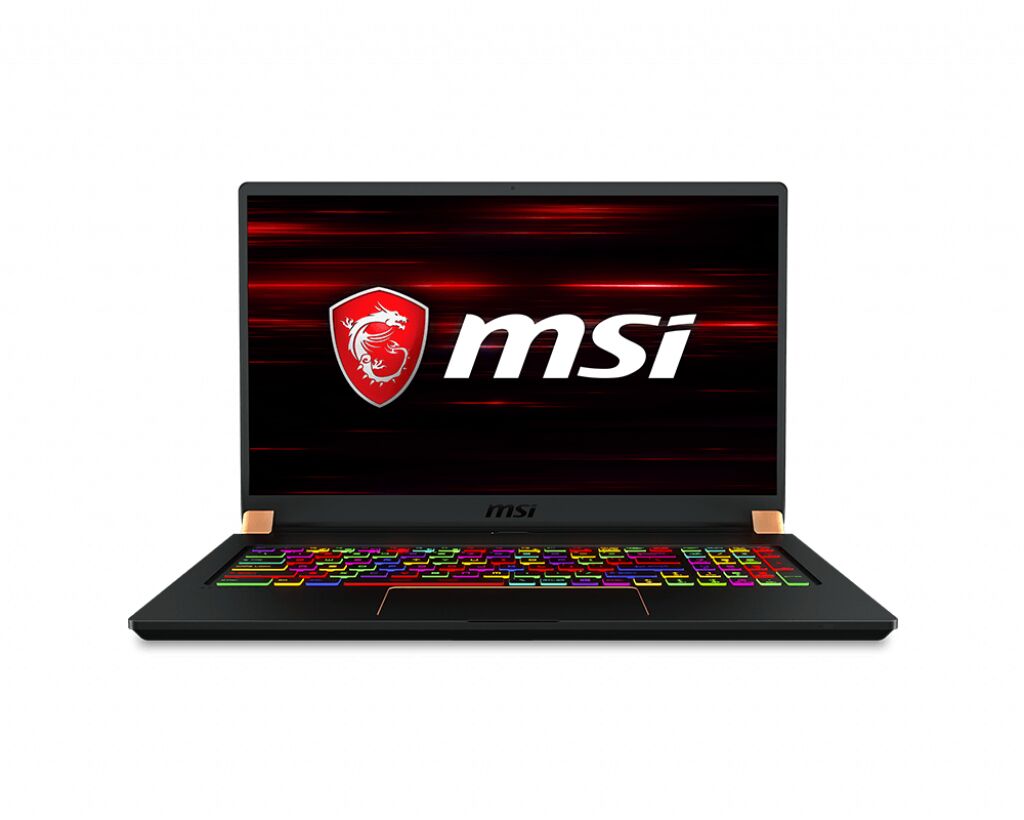

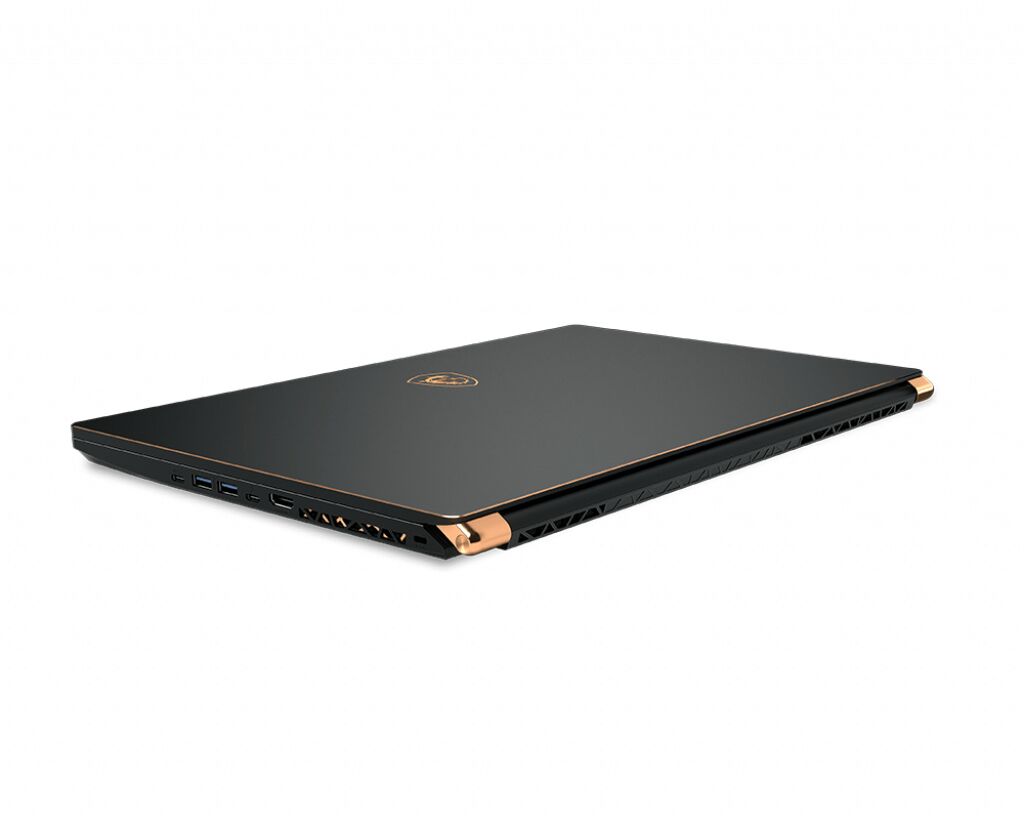


The MSI GS75 9SG-805CN Stealth gaming laptop features two SO-DIMM slots supporting DDR4-SDRAM memory modules at 2666 MHz frequency. Maximum RAM capacity reaches 64 GB total, enabling significant memory upgrade potential from factory specifications. Compatible DDR4 SO-DIMM modules can be installed to expand available system memory for enhanced multitasking and performance. Upgrade procedures require accessing internal components and ensuring proper module installation in designated slots for optimal compatibility and operation.
Memory Upgrade Specifications
| Specification | Value |
|---|---|
| Memory slots | 2x SO-DIMM |
| Form factor | SO-DIMM |
| Memory type | DDR4-SDRAM |
| Frequency | 2666 MHz |
| Maximum RAM | 64 GB |
| Voltage | 1.2V |
| Number of pins | 260-pin |
| Interface | PC4 |
| PC Speed Rating | PC4-2666 (PC4-21328) |
| Bandwidth | 21.3 GB/s |
| Laptop Release date | 29 June 2020 |
Additional Notes
- The 2666 MHz frequency represents the JEDEC standard speed for DDR4 SO-DIMMs in this generation, which may limit performance gains from modules rated at higher speeds like 3200 MHz unless the chipset and BIOS support XMP profiles.
- With only 2 SO-DIMM slots available, reaching the 64 GB maximum capacity requires purchasing two 32 GB modules rather than incremental upgrades, making partial upgrades less cost-effective.
- The SO-DIMM form factor restriction eliminates compatibility with standard desktop DIMM modules, requiring laptop-specific memory modules that typically carry higher per-gigabyte costs.
- DDR4-SDRAM operates at lower voltages than DDR3, typically 1.2V, which improves thermal characteristics but prevents backward compatibility with older DDR3L systems.
- Dual-channel architecture depends on matched pairs in both slots, meaning mixing different capacity modules will force the system to operate in asymmetric or single-channel mode, reducing memory bandwidth.
- The MSI GS75 9SG-805CN Stealth uses ninth-generation Intel mobile processors that lock memory speed at 2666 MHz through the memory controller, regardless of module rated speeds.
- Accessing the SO-DIMM slots typically requires removing the bottom panel, which may involve disassembling multiple components and potentially voiding warranty seals depending on regional regulations.
- Operating 64 GB at 2666 MHz generates more heat than lower capacities, potentially requiring the cooling system to work harder during sustained memory-intensive tasks in the compact chassis.
- Non-ECC unbuffered SO-DIMMs are required, as the mobile platform lacks support for error-correcting or registered memory types common in workstation systems.
- The maximum capacity of 64 GB exceeds the requirements of most current gaming titles but provides headroom for content creation workloads like video editing and 3D rendering.