MSI Gaming GS77 12UGS-073AU Stealth RAM upgrade specifications




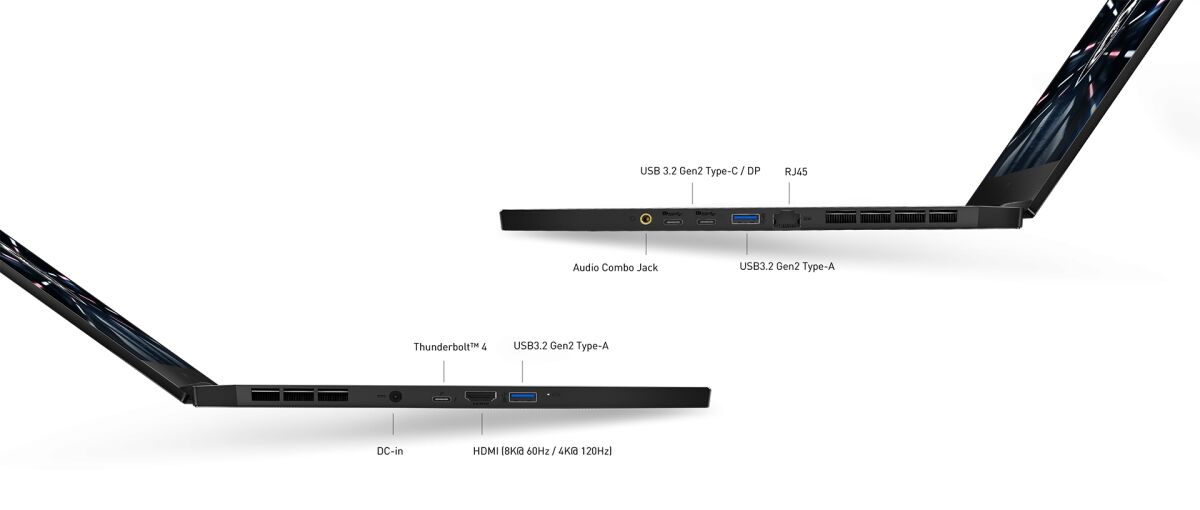
The MSI GS77 12UGS-073AU Stealth gaming laptop features DDR5-SDRAM memory upgrade capabilities with 2x SO-DIMM slots supporting maximum capacity of 64 GB total. Compatible memory operates at 4800 MHz frequency with SO-DIMM form factor specifications. Upgrade configurations allow for flexible RAM capacity installations across both available slots, providing scalability for enhanced multitasking and performance requirements on the GS series gaming platform.
Memory Upgrade Specifications
| Specification | Value |
|---|---|
| Memory slots | 2x SO-DIMM |
| Form factor | SO-DIMM |
| Memory type | DDR5-SDRAM |
| Frequency | 4800 MHz |
| Maximum RAM | 64 GB |
| Voltage | 1.1V |
| Number of pins | 262-pin |
| Interface | PC5 |
| PC Speed Rating | PC5-4800 (PC5-38400) |
| Bandwidth | 38.4 GB/s |
| Laptop Release date | 05 May 2022 |
Additional Notes
- The DDR5 architecture prevents backward compatibility with DDR4 modules, requiring complete replacement rather than mixing technologies across the 2 available slots.
- The 64 GB ceiling indicates a dual-channel configuration limited to 32 GB modules per slot, as higher-density options exceed the memory controller's addressing capability.
- SO-DIMM form factor restricts installation to notebook-specific modules, as standard desktop DIMM memory physically cannot mount in the smaller slot design.
- The 4800 MHz specification represents JEDEC baseline speed for DDR5, leaving headroom for XMP-enabled modules rated at 5200 MHz or 5600 MHz if the chipset supports overclocking profiles.
- Dual-slot configuration enables symmetric population for full dual-channel bandwidth, though asymmetric configurations will force the memory controller into single-channel mode with halved throughput.
- The MSI GS77 12UGS-073AU Stealth supports non-ECC unbuffered memory exclusively, as registered or error-correcting modules require server-grade memory controllers absent in mobile gaming platforms.
- Mixing modules with different latency timings forces the system to adopt the slowest CAS latency across both slots, potentially degrading performance below single-module operation.
- Bottom-panel access typically requires complete disassembly on thin gaming chassis, increasing installation complexity compared to trap-door designs found in workstation notebooks.
- Operating voltage standardizes at 1.1V for DDR5, reducing power consumption compared to DDR4's 1.2V requirement while maintaining lower heat generation during sustained workloads.
- Warranty preservation depends on whether the manufacturer considers memory upgrades user-serviceable, as some regions classify component replacement as modifications that void coverage terms.