MSI Gaming GS77 12UGS-084 Stealth RAM upgrade specifications



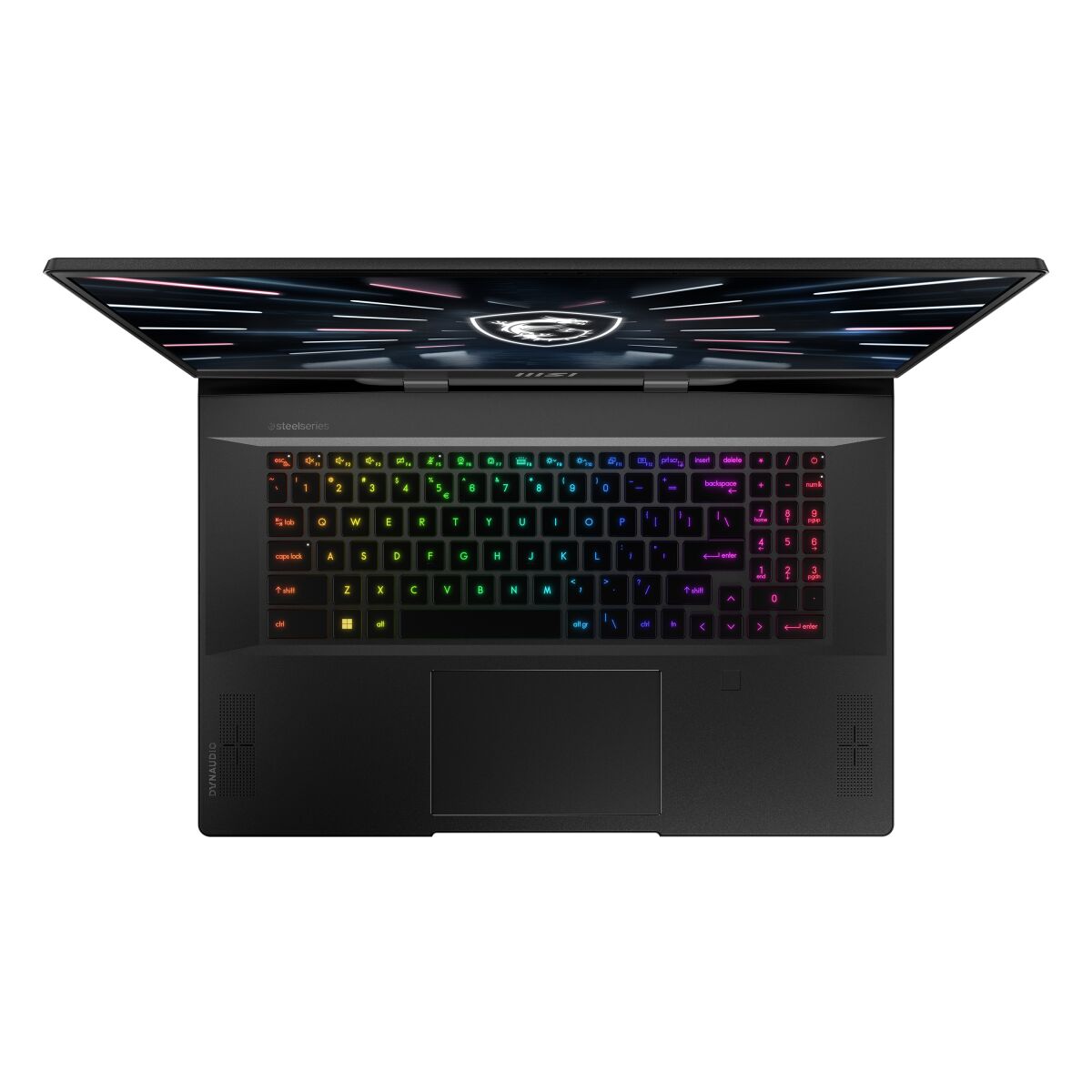
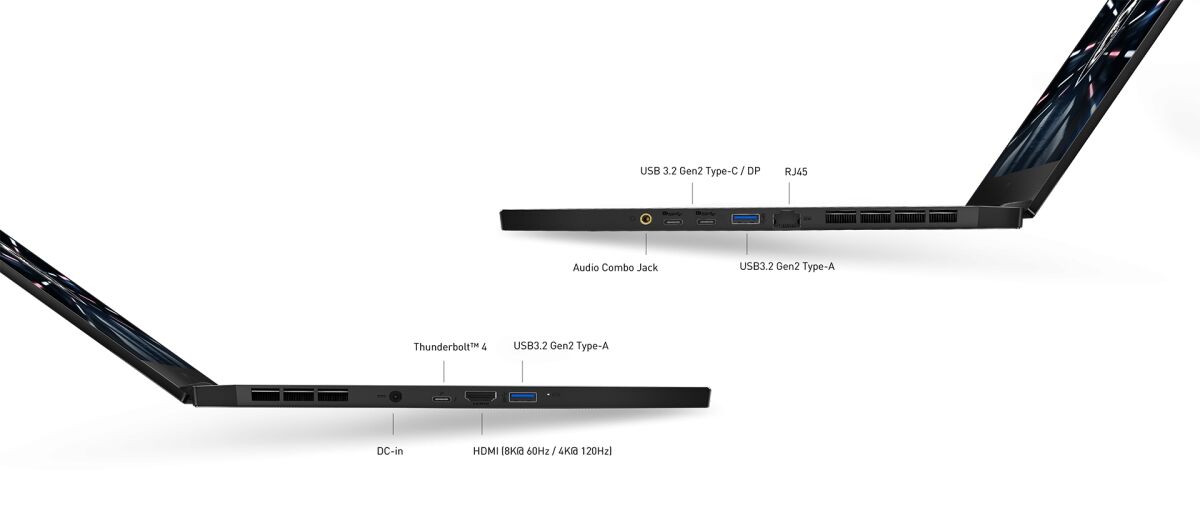
MSI GS77 12UGS-084 Stealth gaming laptop supports DDR5-SDRAM memory upgrade through 2x SO-DIMM slots. Maximum memory capacity reaches 64 GB total. Compatible RAM operates at 4800 MHz frequency. Memory upgrade specifications accommodate SO-DIMM form factor modules. Current configuration details and compatible upgrade options available for this MSI Gaming GS series model.
Memory Upgrade Specifications
| Specification | Value |
|---|---|
| Memory slots | 2x SO-DIMM |
| Form factor | SO-DIMM |
| Memory type | DDR5-SDRAM |
| Frequency | 4800 MHz |
| Maximum RAM | 64 GB |
| Voltage | 1.1V |
| Number of pins | 262-pin |
| Interface | PC5 |
| PC Speed Rating | PC5-4800 (PC5-38400) |
| Bandwidth | 38.4 GB/s |
| Laptop Release date | 14 January 2022 |
Additional Notes
- The MSI GS77 12UGS-084 Stealth accepts only DDR5 modules, excluding all DDR4 inventory from consideration due to incompatible voltage and pin configurations.
- SO-DIMM form factor restricts installation to laptop-specific modules, as standard DIMM desktop memory will not physically fit the socket layout.
- The 64 GB ceiling limits each slot to a 32 GB module maximum, making 48 GB total capacity unachievable without sacrificing the upper limit.
- Native 4800 MHz operation requires compatible module speed ratings, as lower-frequency DDR5 will throttle system bandwidth while higher-rated modules downclock to match the controller specification.
- Dual-channel architecture across 2 slots necessitates matched pairs for optimal memory interleaving, with mismatched capacities forcing single-channel operation on the unpaired portion.
- Twelfth-generation Intel platforms supporting DDR5-4800 typically maintain manufacturer warranty coverage when using JEDEC-standard modules within published specifications.
- The absence of additional slots beyond the existing pair means capacity expansion requires complete module replacement rather than supplementary installation.
- DDR5 on-die ECC operates transparently at this frequency, providing error correction without user configuration or performance penalty.
- Thermal constraints in slim gaming chassis may affect sustained performance under memory-intensive workloads, particularly when both slots operate at maximum capacity and frequency.
- 4800 MHz represents baseline DDR5 speed, offering significant latency advantages over DDR4-3200 despite higher absolute CAS latency values due to faster clock cycles.