MSI Gaming GS77 12UHS-077XIT Stealth RAM upgrade specifications



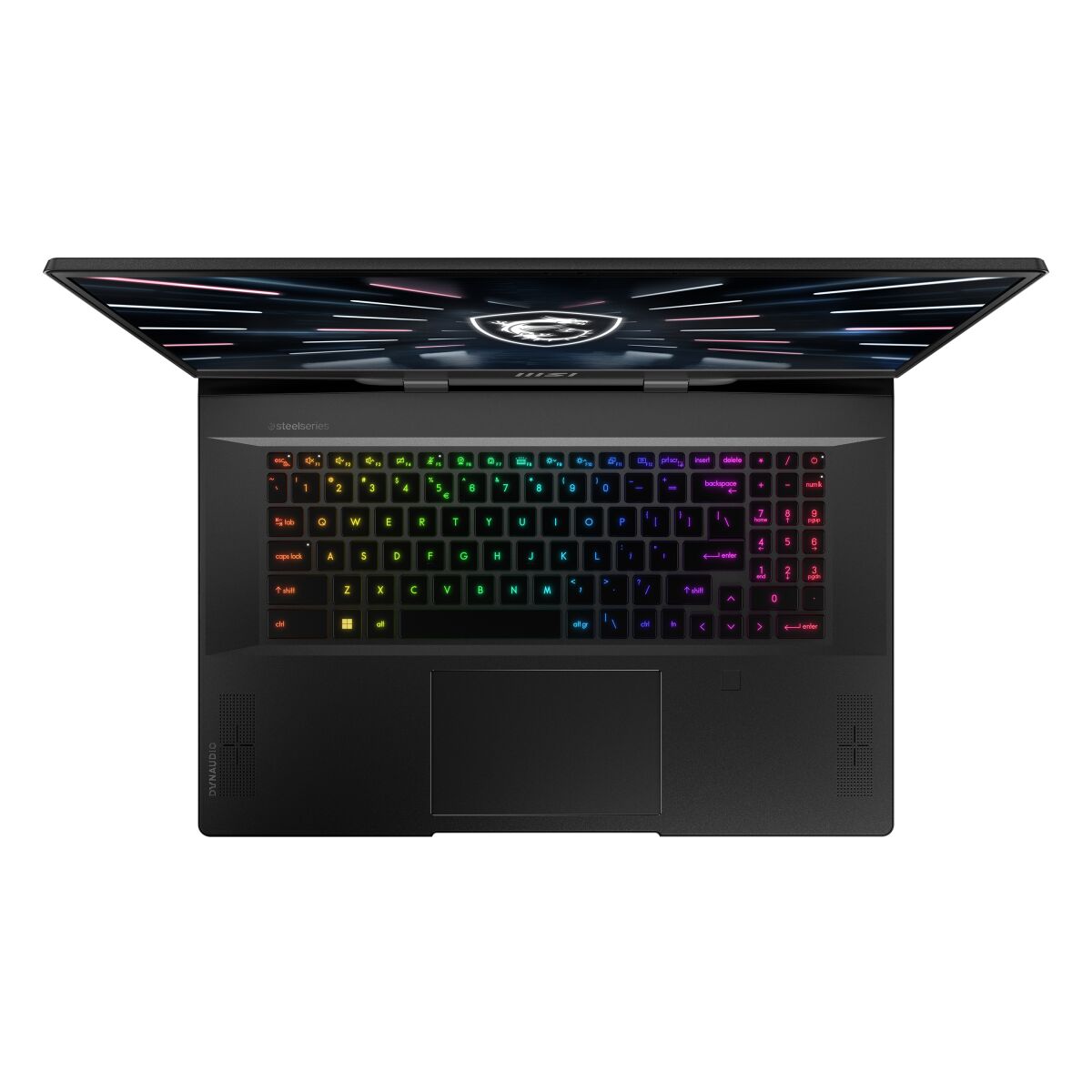
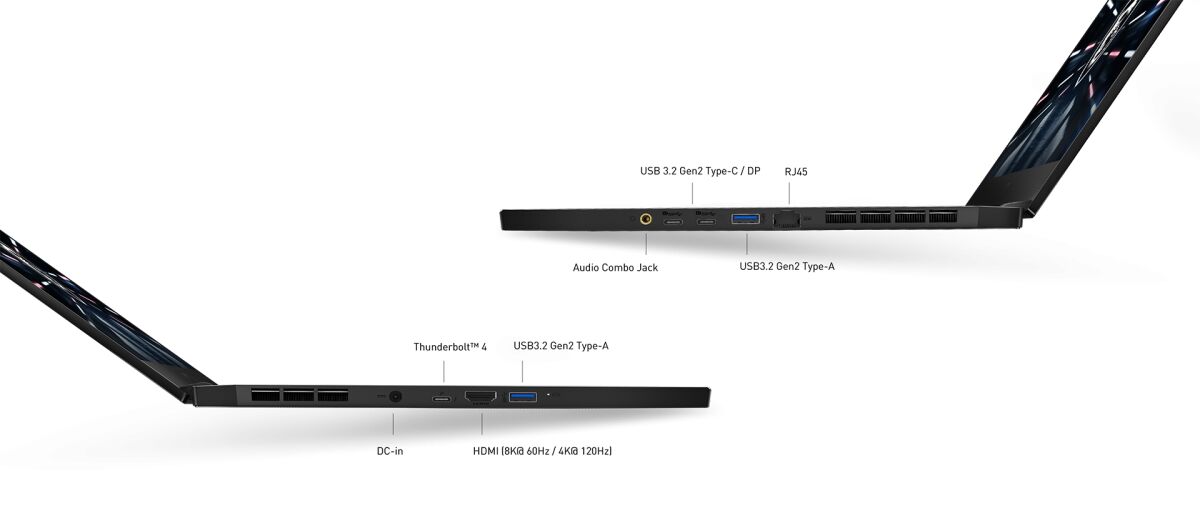
MSI GS77 12UHS-077XIT Stealth gaming laptop supports DDR5-SDRAM memory upgrades via two SO-DIMM slots. Maximum RAM capacity reaches 64 GB total. Compatible memory operates at 4800 MHz frequency. Upgrade specifications accommodate DDR5 SO-DIMM modules for enhanced system performance. The gaming series laptop provides dual memory slot configuration for modular RAM expansion and installation.
Memory Upgrade Specifications
| Specification | Value |
|---|---|
| Memory slots | 2x SO-DIMM |
| Form factor | SO-DIMM |
| Memory type | DDR5-SDRAM |
| Frequency | 4800 MHz |
| Maximum RAM | 64 GB |
| Voltage | 1.1V |
| Number of pins | 262-pin |
| Interface | PC5 |
| PC Speed Rating | PC5-4800 (PC5-38400) |
| Bandwidth | 38.4 GB/s |
| Laptop Release date | 01 March 2022 |
Additional Notes
- The dual channel architecture requires symmetrical module pairs to maintain peak memory bandwidth and prevent latency increases during heavy computational loads.
- Utilizing the maximum 64 GB capacity on the MSI GS77 12UHS-077XIT Stealth involves replacing both pre installed modules since no additional expansion slots exist.
- The DDR5 architecture integrates on die ECC and local power management circuits which generate more localized heat compared to older DDR4 standards within the thin chassis.
- Internal component access for memory replacement necessitates the removal of the entire base panel which might involve breaking a factory seal depending on regional service policies.
- Higher frequency kits exceeding 4800 MHz will automatically downclock to the system defined ceiling set by the Alder Lake mobile chipset firmware.
- Physical clearance within the SO DIMM sockets restricts the use of memory modules equipped with thick aftermarket heat spreaders.
- Upgrading to the maximum supported density reduces reliance on virtual memory page files and extends the operational lifespan of the primary solid state drive by minimizing write cycles.