MSI Gaming GS77 12UHS-083 Stealth RAM upgrade specifications



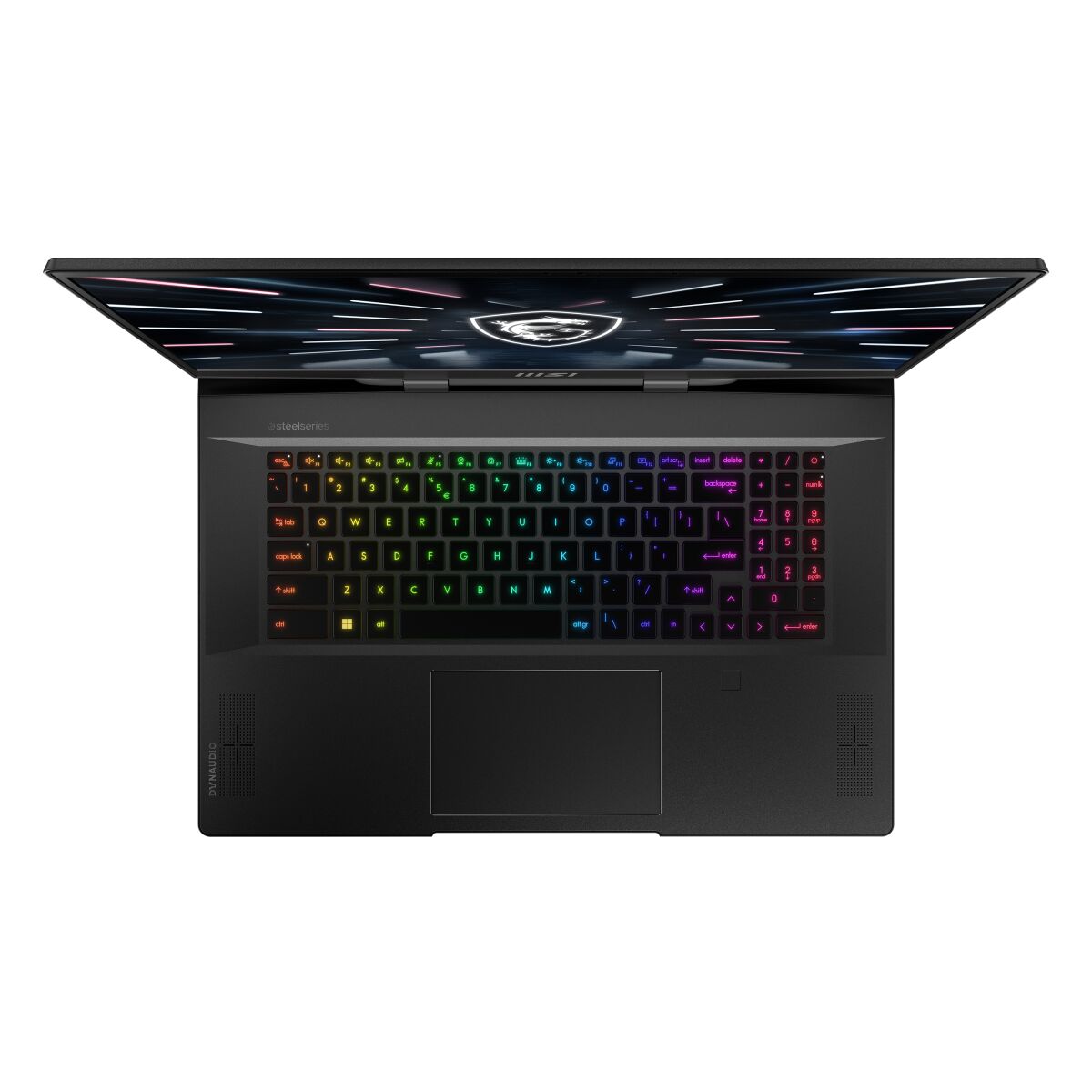
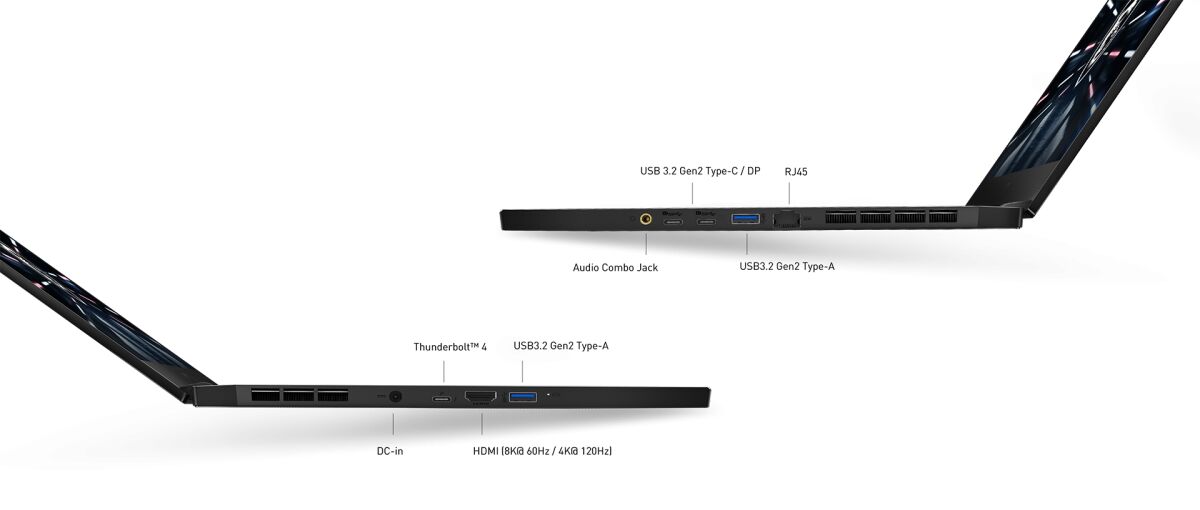
The MSI GS77 12UHS-083 Stealth gaming laptop features two SO-DIMM slots supporting DDR5-SDRAM memory upgrades. Maximum compatible RAM capacity reaches 64 GB, with specifications supporting 4800 MHz frequency operation. Memory upgrade options accommodate standard SO-DIMM form factor modules, enabling users to expand system memory from the factory configuration. Upgrade configurations support dual-module installations within the designated SO-DIMM slots for enhanced multitasking and gaming performance capabilities.
Memory Upgrade Specifications
| Specification | Value |
|---|---|
| Memory slots | 2x SO-DIMM |
| Form factor | SO-DIMM |
| Memory type | DDR5-SDRAM |
| Frequency | 4800 MHz |
| Maximum RAM | 64 GB |
| Voltage | 1.1V |
| Number of pins | 262-pin |
| Interface | PC5 |
| PC Speed Rating | PC5-4800 (PC5-38400) |
| Bandwidth | 38.4 GB/s |
| Laptop Release date | 14 January 2022 |
Additional Notes
- The 64 GB ceiling represents a controller-level limitation rather than a slot restriction, preventing dual 48 GB configurations even if physically compatible modules exist.
- DDR5 operates under different voltage parameters than DDR4, eliminating backward compatibility and requiring complete module replacement during any transition from older systems.
- SO-DIMM packaging constrains module height to approximately 30mm, automatically excluding standard DIMM variants used in desktop environments regardless of electrical compatibility.
- The 4800 MHz frequency represents JEDEC standard speeds for DDR5, while higher XMP-rated modules will downclock to this baseline unless BIOS supports profile activation.
- Dual-channel architecture in the MSI GS77 12UHS-083 Stealth requires matched pair installation to maintain bandwidth symmetry, as asymmetric configurations halve effective throughput on the smaller module.
- DDR5's on-die ECC functionality operates independently of system-level error correction, providing internal data integrity without the capacity penalty associated with registered modules.
- The 2-slot configuration eliminates incremental upgrade paths, forcing complete kit replacement when moving from 32 GB to 64 GB rather than allowing partial additions.
- Thermal specifications for SO-DIMM DDR5 modules may necessitate low-profile heatsinks in this chassis, as standard heat spreaders can interfere with keyboard assemblies in thin gaming laptops.
- Module rank configuration affects compatibility despite matching capacity specifications, with single-rank modules offering better stability at higher frequencies compared to dual-rank alternatives.
- Warranty preservation typically requires avoiding unofficial module removal prior to authorized service windows, as broken retention clips constitute user-induced damage under most coverage terms.