MSI Gaming STEALTH GS77 12UGS-029PT RAM upgrade specifications



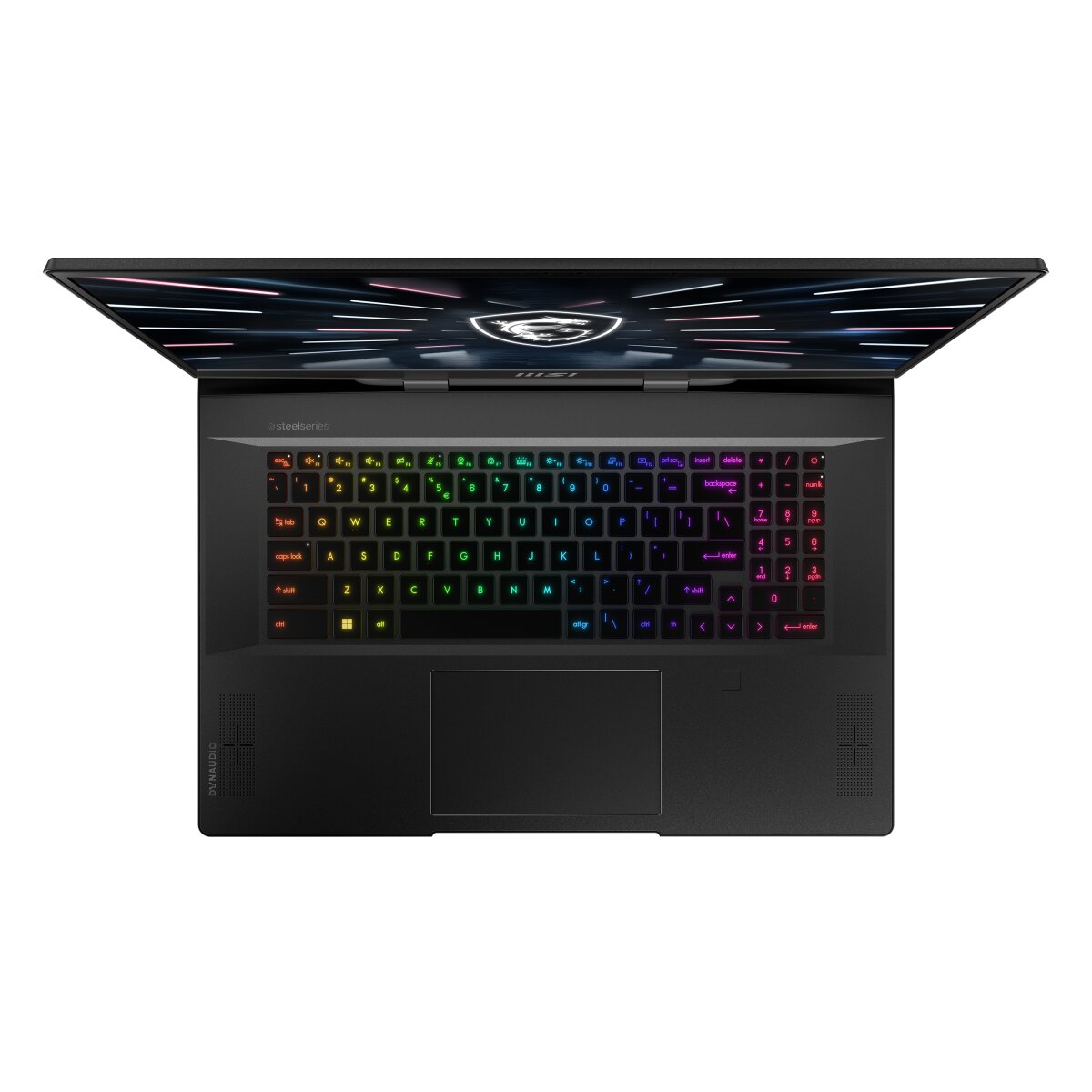
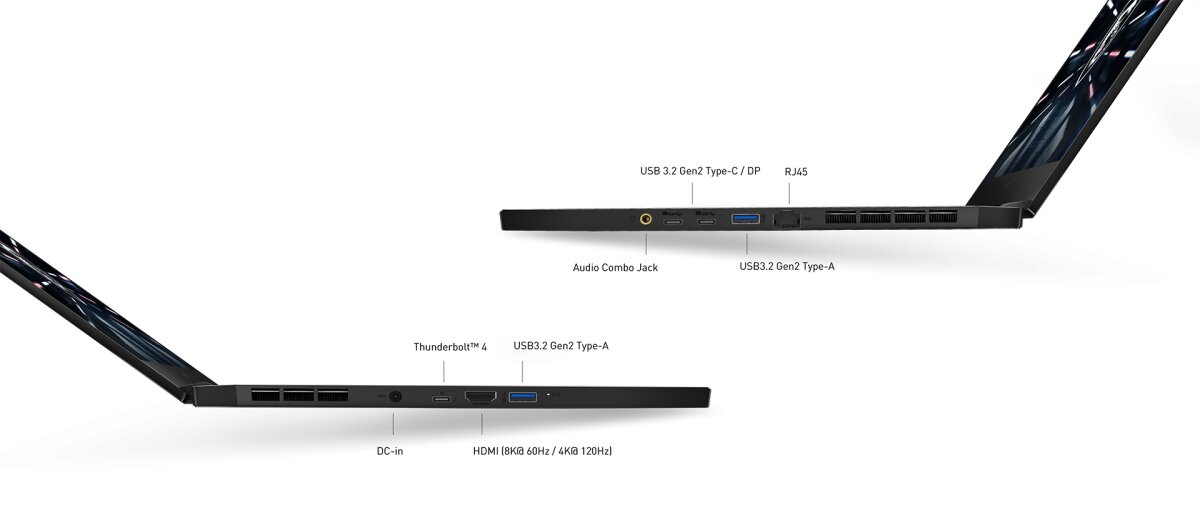
The MSI STEALTH GS77 12UGS-029PT gaming laptop features DDR5-SDRAM memory upgrade specifications. The system contains 2x SO-DIMM slots for memory expansion, supporting a maximum RAM capacity of 64 GB. Compatible DDR5 modules operate at 4800 MHz frequency. The SO-DIMM form factor accommodates standard laptop memory modules. Specifications enable users to upgrade the notebook's memory configuration to enhance multitasking performance and application responsiveness within the maximum supported capacity limits.
Memory Upgrade Specifications
| Specification | Value |
|---|---|
| Memory slots | 2x SO-DIMM |
| Form factor | SO-DIMM |
| Memory type | DDR5-SDRAM |
| Frequency | 4800 MHz |
| Maximum RAM | 64 GB |
| Voltage | 1.1V |
| Number of pins | 262-pin |
| Interface | PC5 |
| PC Speed Rating | PC5-4800 (PC5-38400) |
| Bandwidth | 38.4 GB/s |
| Laptop Release date | 28 October 2022 |
Additional Notes
- The DDR5 standard at 4800 MHz represents JEDEC baseline specification, meaning faster modules rated at 5200 MHz or 5600 MHz will downclock to match the chipset's supported speed.
- The 64 GB ceiling requires 2x32 GB modules, which eliminates partial upgrade scenarios where a single slot could be populated with a higher capacity module.
- SO-DIMM DDR5 operates at 1.1V compared to DDR4's 1.2V, reducing heat generation but making any DDR4 module physically incompatible despite similar physical dimensions.
- The MSI STEALTH GS77 12UGS-029PT dual-channel architecture means asymmetric configurations like 16 GB plus 32 GB will function but sacrifice bandwidth efficiency compared to matched pairs.
- Accessing SO-DIMM slots in slim gaming chassis typically requires bottom panel removal, which may involve breaking tamper-evident seals that some manufacturers link to warranty terms.
- DDR5's on-module PMIC (power management integrated circuit) shifts voltage regulation from the motherboard to individual modules, making mixed-brand configurations more stable than previous DDR generations but still subject to XMP profile conflicts.
- The 4800 MHz baseline provides 38.4 GB/s per channel theoretical bandwidth, totaling 76.8 GB/s in dual-channel mode, which serves as the data transfer ceiling regardless of installed capacity.
- Non-ECC unbuffered modules remain the only compatible type, as registered or load-reduced DIMMs require server-grade memory controllers absent in mobile gaming platforms.
- Thermal considerations become relevant beyond 32 GB total capacity since denser memory chips generate additional heat in confined laptop spaces where airflow prioritizes GPU and CPU cooling.