MSI Gaming STEALTH GS77 12UGS-065 RAM upgrade specifications



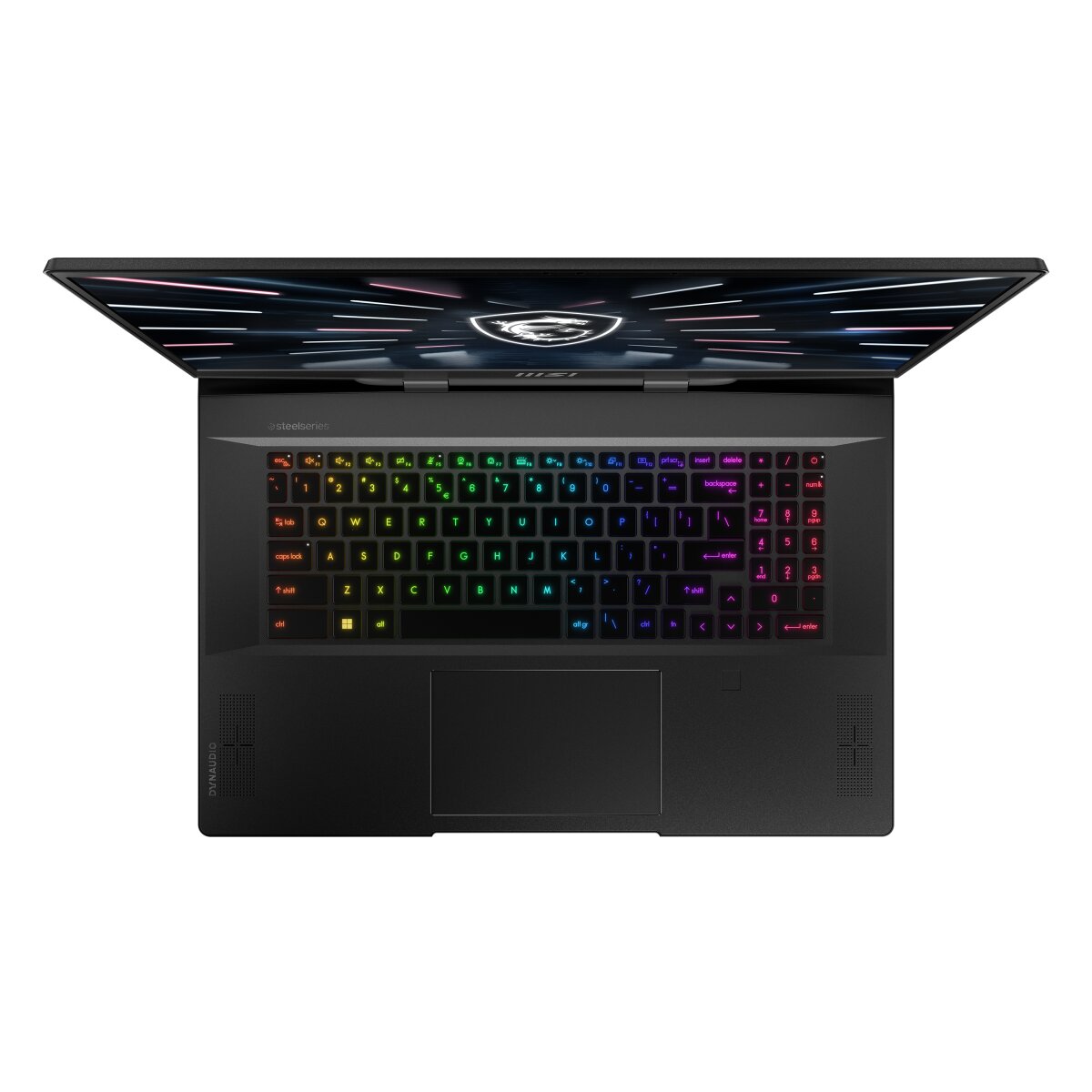
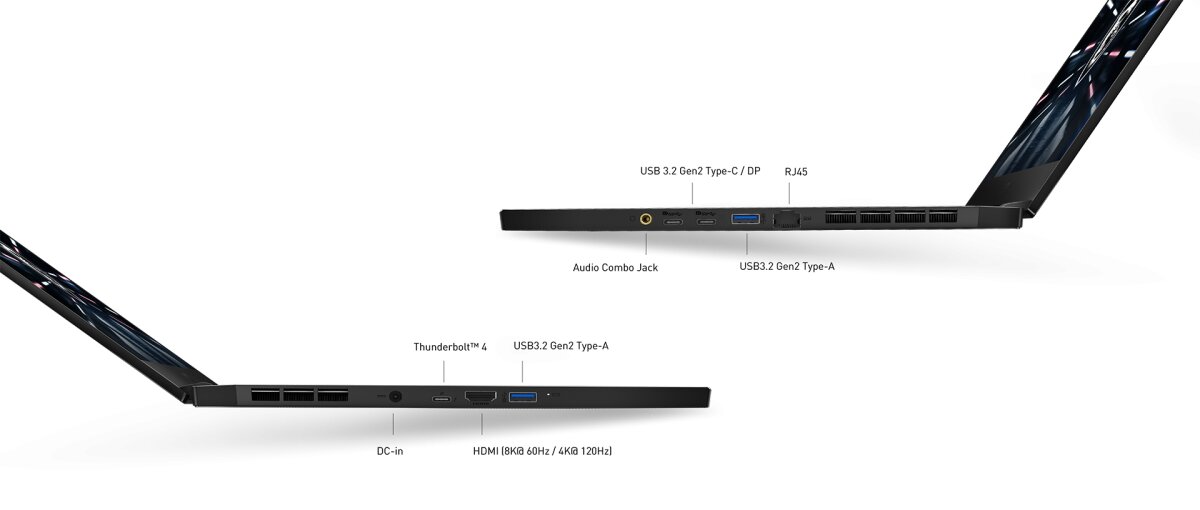
The MSI STEALTH GS77 12UGS-065 gaming laptop features DDR5-SDRAM memory upgrade specifications with 2x SO-DIMM slots supporting maximum RAM capacity of 64 GB. Compatible memory modules operate at 4800 MHz frequency with SO-DIMM form factor. Upgrade slots accommodate DDR5 memory configurations, enabling users to expand system memory capacity for enhanced multitasking performance. Specifications indicate maximum compatible upgrade capacity reaching 64 GB total memory for the GS series gaming platform.
Memory Upgrade Specifications
| Specification | Value |
|---|---|
| Memory slots | 2x SO-DIMM |
| Form factor | SO-DIMM |
| Memory type | DDR5-SDRAM |
| Frequency | 4800 MHz |
| Maximum RAM | 64 GB |
| Voltage | 1.1V |
| Number of pins | 262-pin |
| Interface | PC5 |
| PC Speed Rating | PC5-4800 (PC5-38400) |
| Bandwidth | 38.4 GB/s |
| Laptop Release date | 28 January 2022 |
Additional Notes
- The MSI STEALTH GS77 12UGS-065 memory controller limits installations to a combined 64 GB across both slots, requiring a 32 GB module configuration when targeting maximum capacity.
- DDR5-SDRAM modules rated above 4800 MHz may downclock to this validated frequency unless XMP profiles receive explicit chipset support in this platform generation.
- SO-DIMM physical dimensions differ from standard DIMM desktop modules, preventing installation of conventional 288-pin DDR5 memory despite electrical compatibility.
- Dual-channel operation requires matched modules in both slots, as asymmetric configurations force single-channel mode and halve theoretical bandwidth.
- The 4800 MHz specification indicates JEDEC base speeds rather than overclocked profiles, establishing compatibility with standard DDR5 SO-DIMMs without premium binning requirements.
- Replacing soldered memory is impossible on this platform since both slots accept removable modules, eliminating scenarios where base RAM blocks upgrade paths.
- DDR5 voltage regulation integrated into modules rather than motherboards creates compatibility dependencies on PMIC circuitry within the SO-DIMM itself.
- Thermal constraints in thin gaming chassis may trigger throttling when operating sustained workloads at maximum 64 GB capacity due to increased heat output from populated slots.
- Mixing DDR5 module generations with different on-die ECC implementations can cause POST failures despite matching speeds and capacities.
- The 2-slot configuration prevents incremental upgrades beyond 32 GB per module, forcing complete replacement when transitioning from 32 GB total to 64 GB total configurations.