MSI Gaming GT62VR 7RD(Dominator)-228NE RAM upgrade specifications
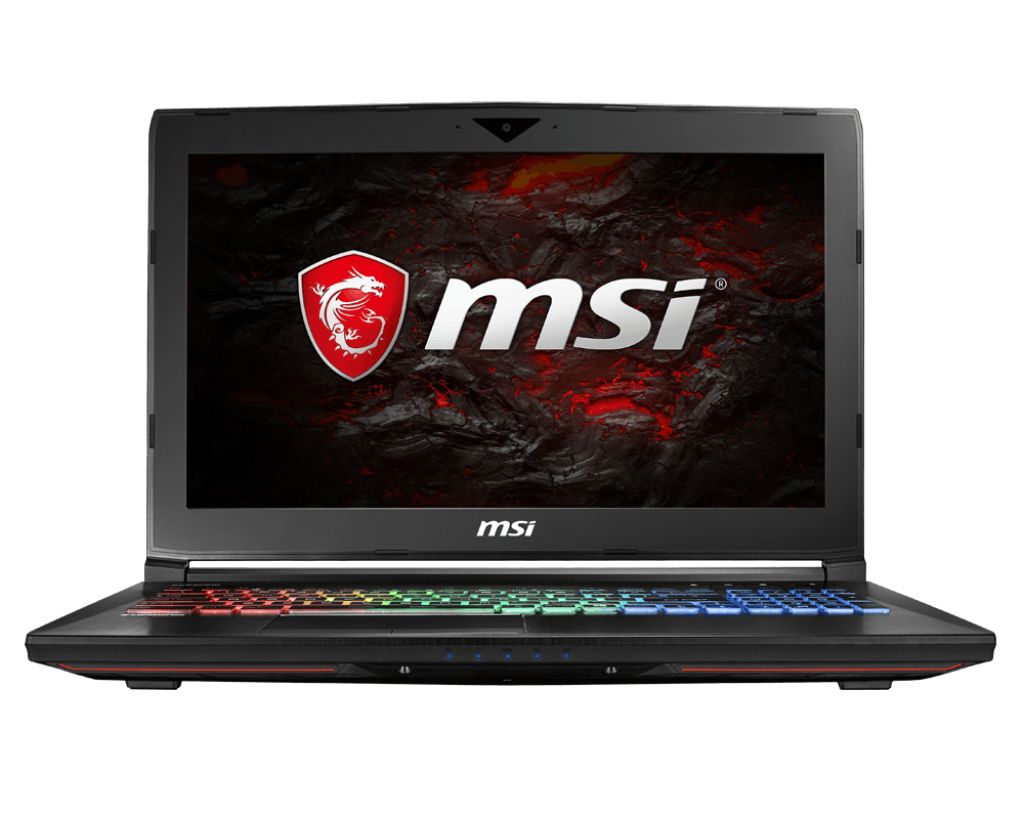
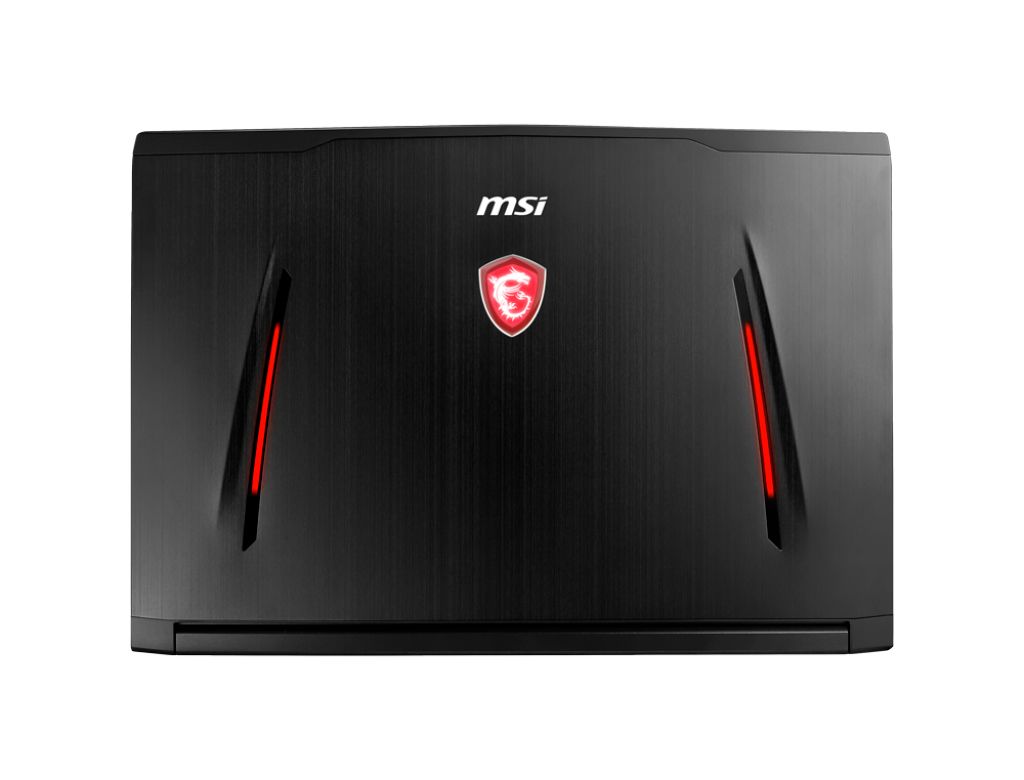
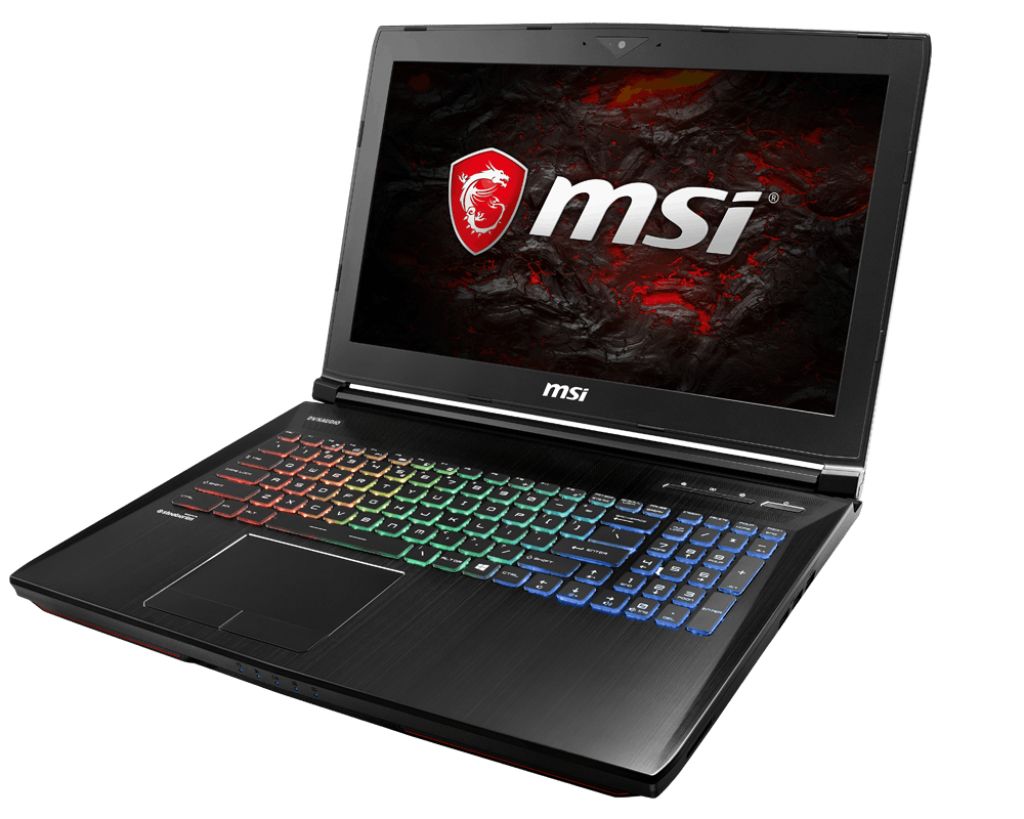
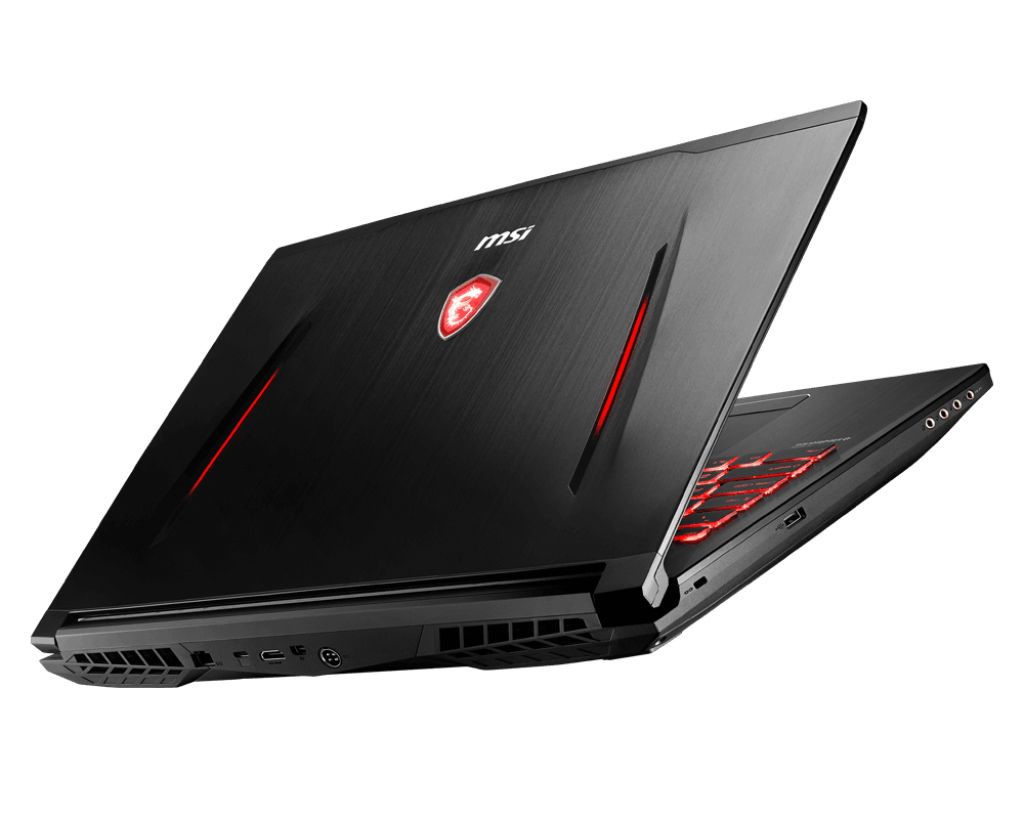
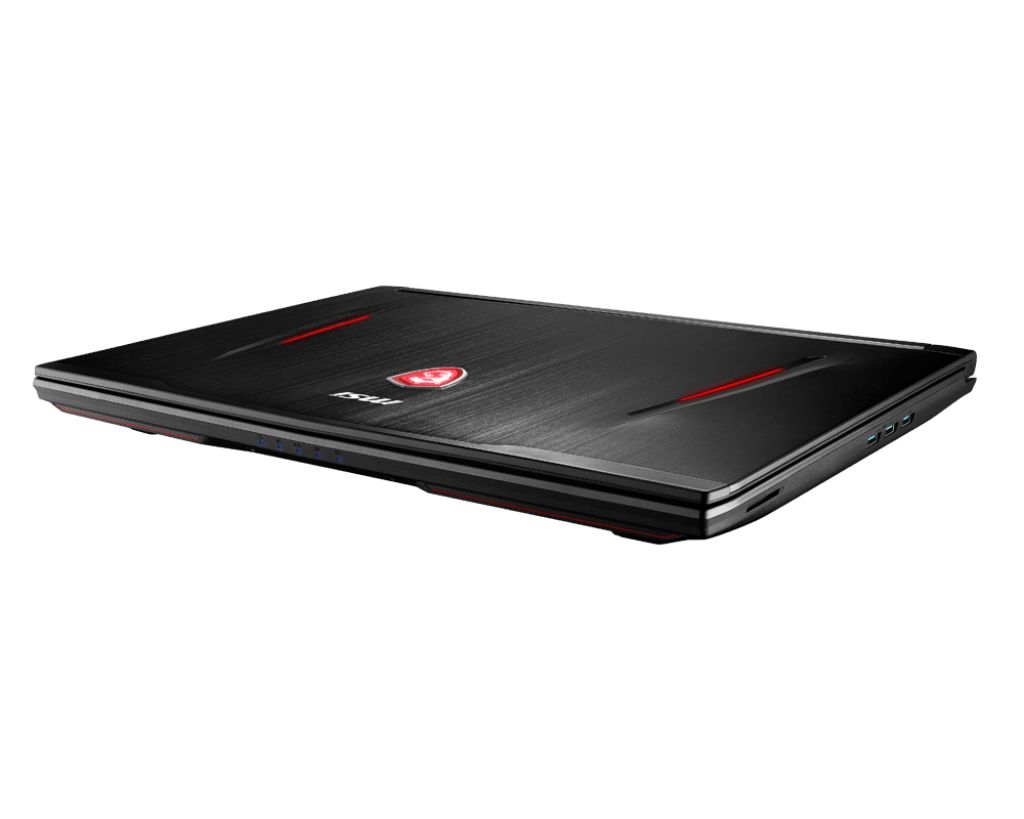
MSI GT62VR 7RD(Dominator)-228NE gaming laptop supports DDR4-SDRAM memory upgrade across 4x SO-DIMM slots. Maximum RAM capacity reaches 64 GB total. Compatible memory operates at 2400 MHz frequency with SO-DIMM form factor. Current specifications provide upgrade flexibility for enhanced multitasking and performance capabilities on the GT series mobile workstation.
Memory Upgrade Specifications
| Specification | Value |
|---|---|
| Memory slots | 4x SO-DIMM |
| Form factor | SO-DIMM |
| Memory type | DDR4-SDRAM |
| Frequency | 2400 MHz |
| Maximum RAM | 64 GB |
| Voltage | 1.2V |
| Number of pins | 260-pin |
| Interface | PC4 |
| PC Speed Rating | PC4-2400 (PC4-19200) |
| Bandwidth | 19.2 GB/s |
| Laptop Release date | 10 January 2017 |
Additional Notes
- The 4 available slots enable incremental memory expansion without requiring immediate replacement of existing modules, allowing staged upgrades as workload demands increase.
- The 64 GB ceiling accommodates professional workflows involving large datasets, extensive virtual machines, or memory-intensive rendering tasks that exceed typical gaming requirements.
- Running 2400 MHz modules on platforms that support higher frequencies will force downclocking to this specification, potentially leaving performance headroom unused if mixing components across systems.
- Populating all 4 slots with dual-rank modules may reduce memory controller stability margins compared to configurations using 2 slots, particularly under sustained high-frequency workloads.
- The SO-DIMM form factor limits aftermarket module selection compared to desktop DIMM availability, with fewer options for low-latency or enthusiast-grade kits at equivalent capacities.
- Non-matching module configurations across slots can trigger single-channel fallback behavior, halving theoretical bandwidth and impacting applications that scale with memory throughput.
- Exceeding the validated 64 GB threshold with higher-density modules risks POST failure or intermittent instability, as memory controller compatibility depends on density per rank rather than total installed capacity alone.
- Third-party modules lacking XMP profiles at exactly 2400 MHz may default to lower JEDEC speeds unless manually configured through BIOS, reducing effective performance below specification.
- The MSI GT62VR 7RD Dominator chipset architecture prevents memory frequency overrides beyond factory-validated speeds, eliminating manual timing adjustments as an upgrade path for reducing latency.
- Warranty preservation requires avoiding physical damage to retention clips during installation, as SO-DIMM slots use fragile plastic mechanisms prone to stress fractures under repeated insertion cycles.