MSI Gaming GT75 8SF-037 Titan RAM upgrade specifications
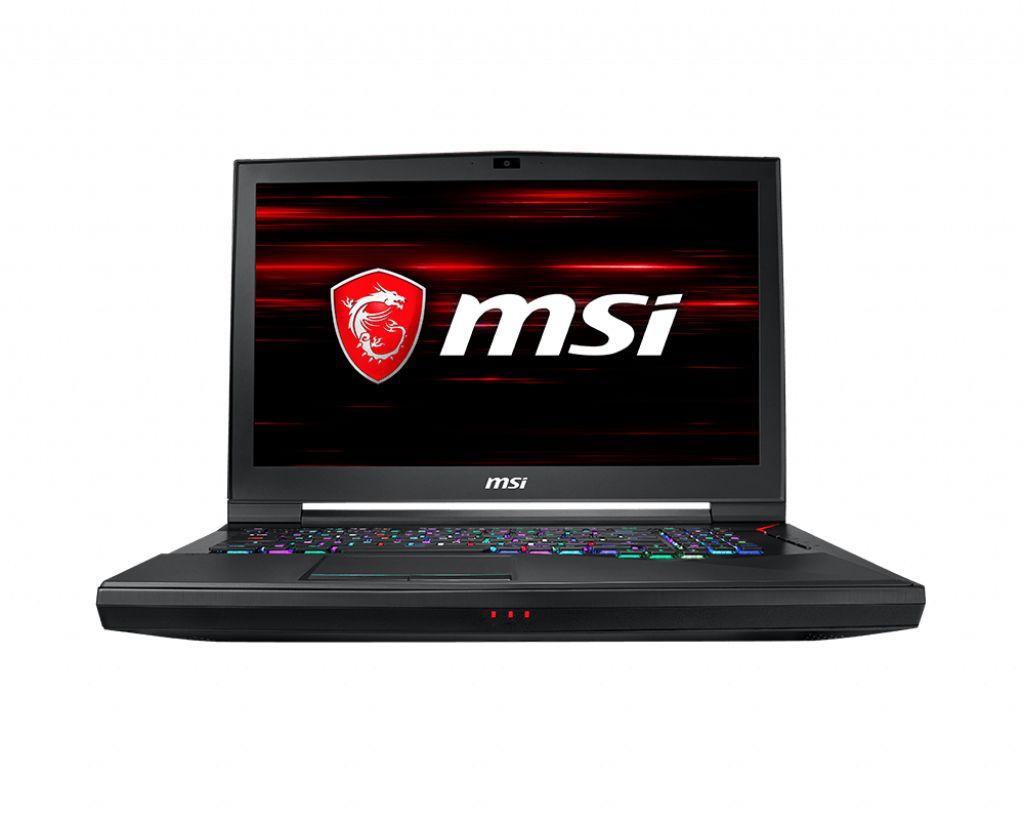
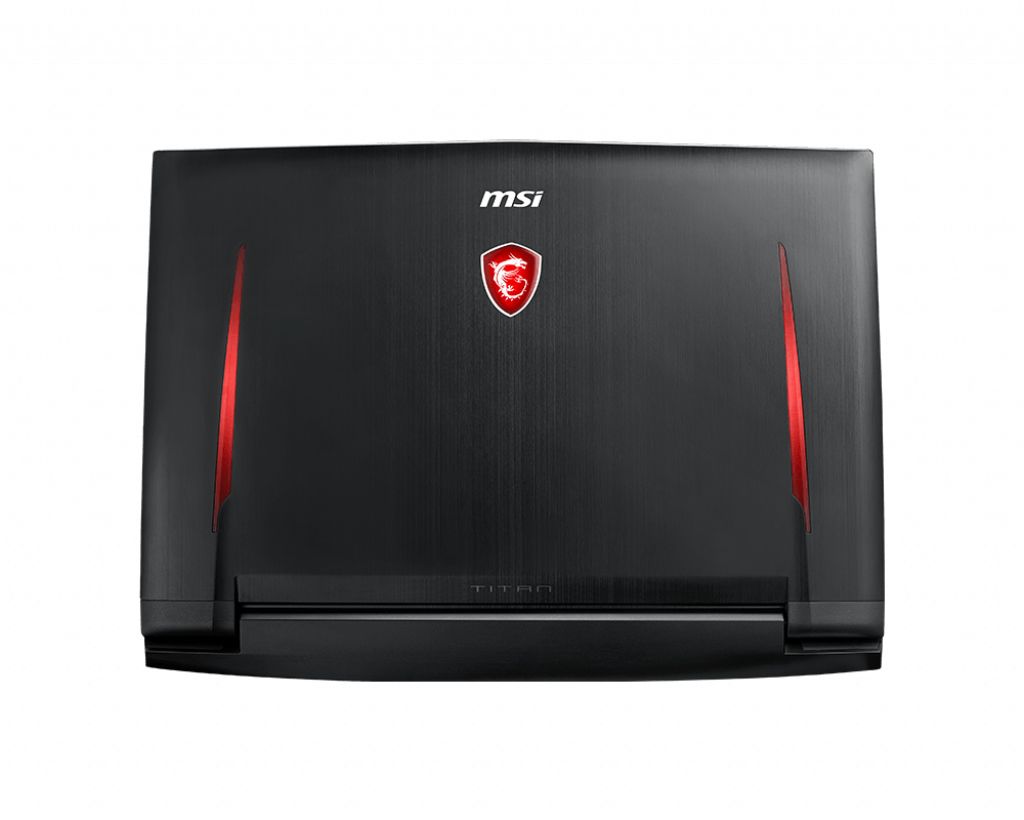
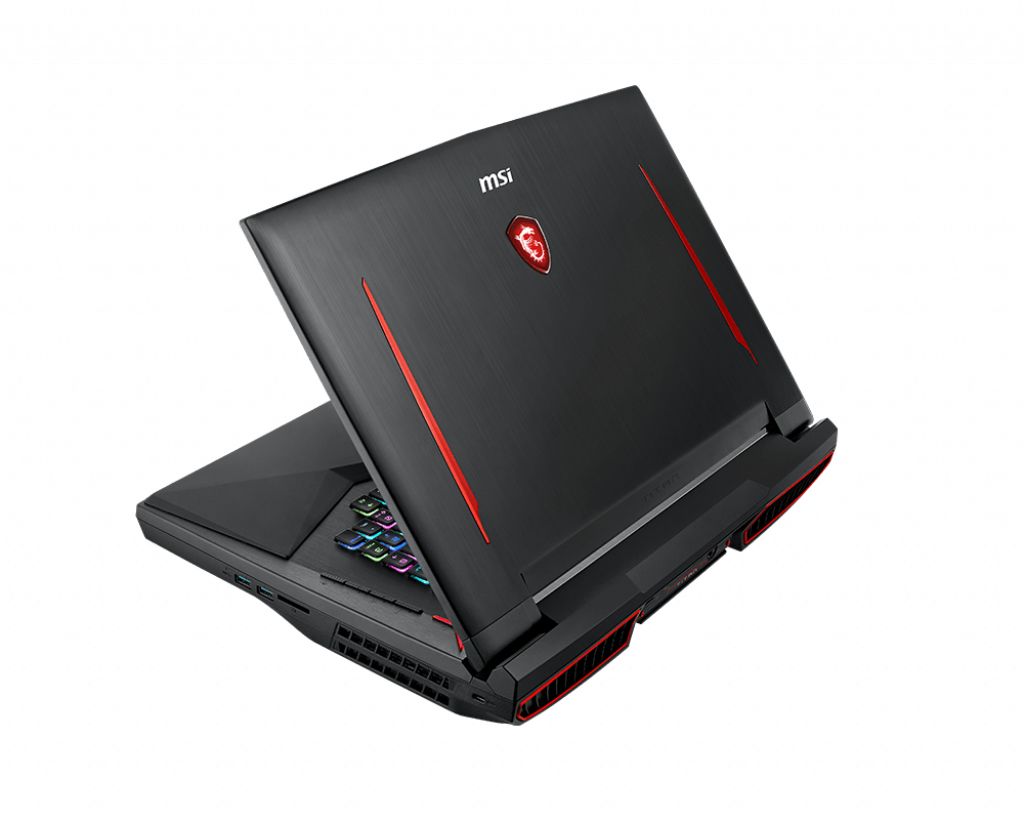
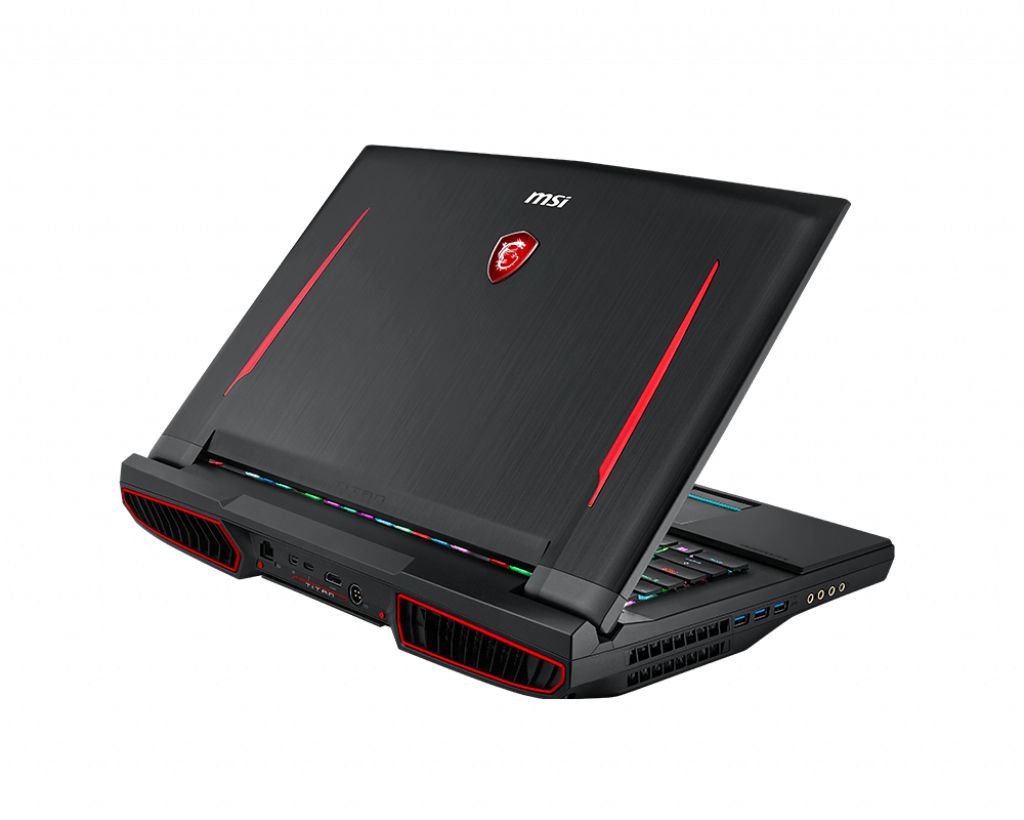
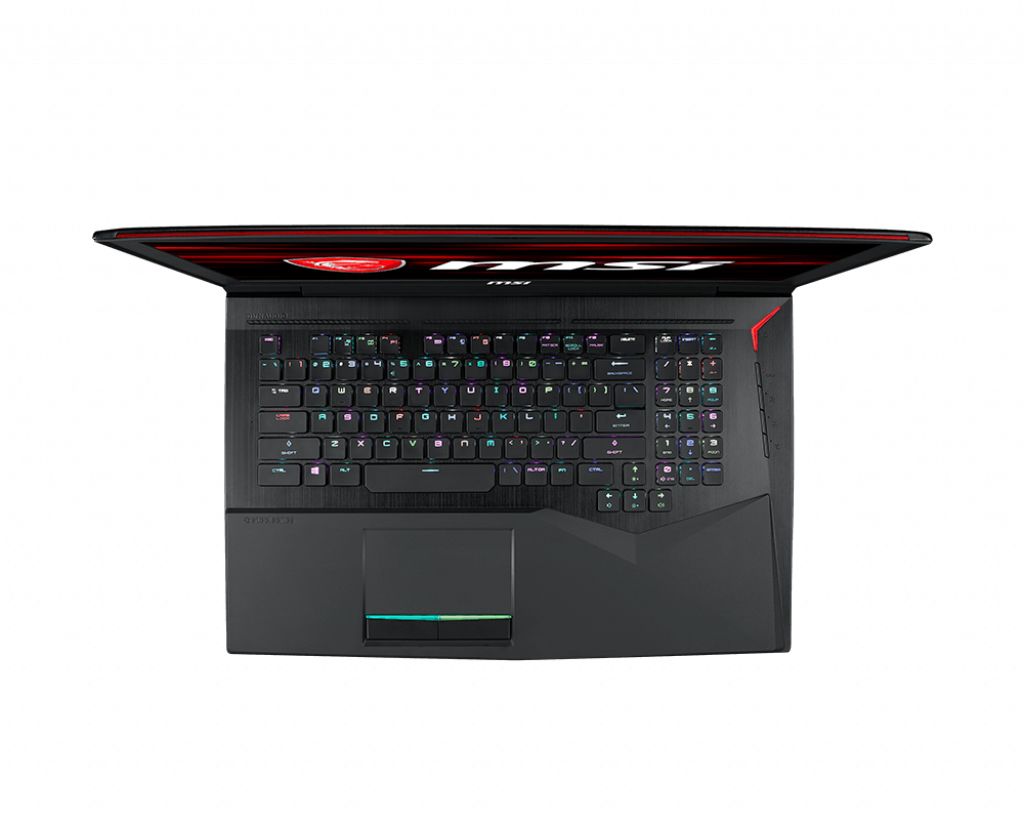
The MSI GT75 8SF-037 Titan Gaming series laptop features four SO-DIMM memory slots supporting DDR4-SDRAM upgrade specifications. The Gaming GT series model accommodates maximum RAM capacity of 128 GB with compatible memory modules operating at 2666 MHz frequency. Upgrade slots utilize SO-DIMM form factor, enabling users to expand memory capacity from factory configurations. Specifications indicate the GT75 8SF-037 Titan supports DDR4 memory technology, providing compatible upgrade options for increased multitasking and performance capabilities within the Gaming GT series platform.
Memory Upgrade Specifications
| Specification | Value |
|---|---|
| Memory slots | 4x SO-DIMM |
| Form factor | SO-DIMM |
| Memory type | DDR4-SDRAM |
| Frequency | 2666 MHz |
| Maximum RAM | 128 GB |
| Voltage | 1.2V |
| Number of pins | 260-pin |
| Interface | PC4 |
| PC Speed Rating | PC4-2666 (PC4-21328) |
| Bandwidth | 21.3 GB/s |
| Laptop Release date | 01 February 2019 |
Additional Notes
- Accessing the secondary pair of memory slots requires total removal of the motherboard because 2 sockets are located on the underside of the PCB.
- Mixing modules with different CAS latencies forces the system to default to the slowest timing profile across all 4 channels.
- Populating all 4 slots with high-density modules increases the thermal load on the internal heat pipe assembly during sustained memory-intensive tasks.
- The processor memory controller limits the maximum effective transfer rate to 2666 MHz even if 3200 MHz modules are installed.
- Utilizing 4 identical modules is necessary to maintain symmetrical dual-channel interleaving across the entire 128 GB address space.
- Installation of non-ECC unbuffered memory is mandatory as the chipset does not support error-correcting code functionality.
- Total system power draw increases slightly when 4 modules are active which may marginally reduce battery runtime during mobile use.
- Factory-installed RAM occupies the most accessible slots while the hidden slots are often left vacant for aftermarket expansion.