MSI Gaming GT75 8SF-039IT Titan RAM upgrade specifications
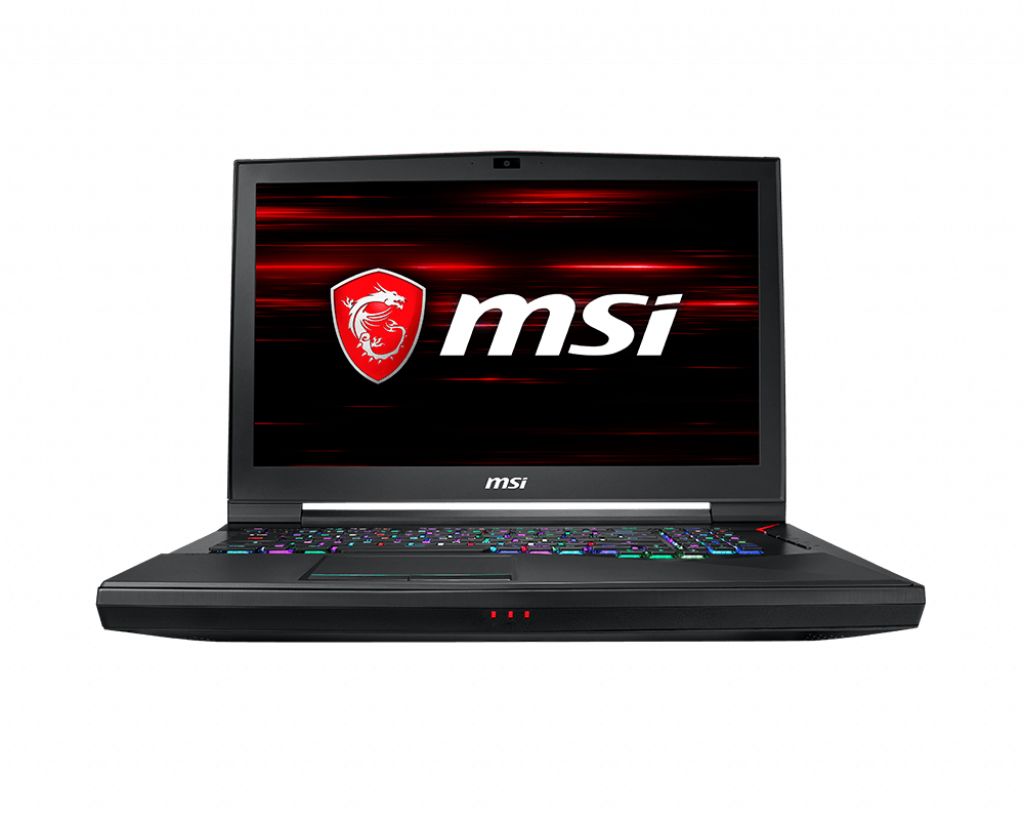
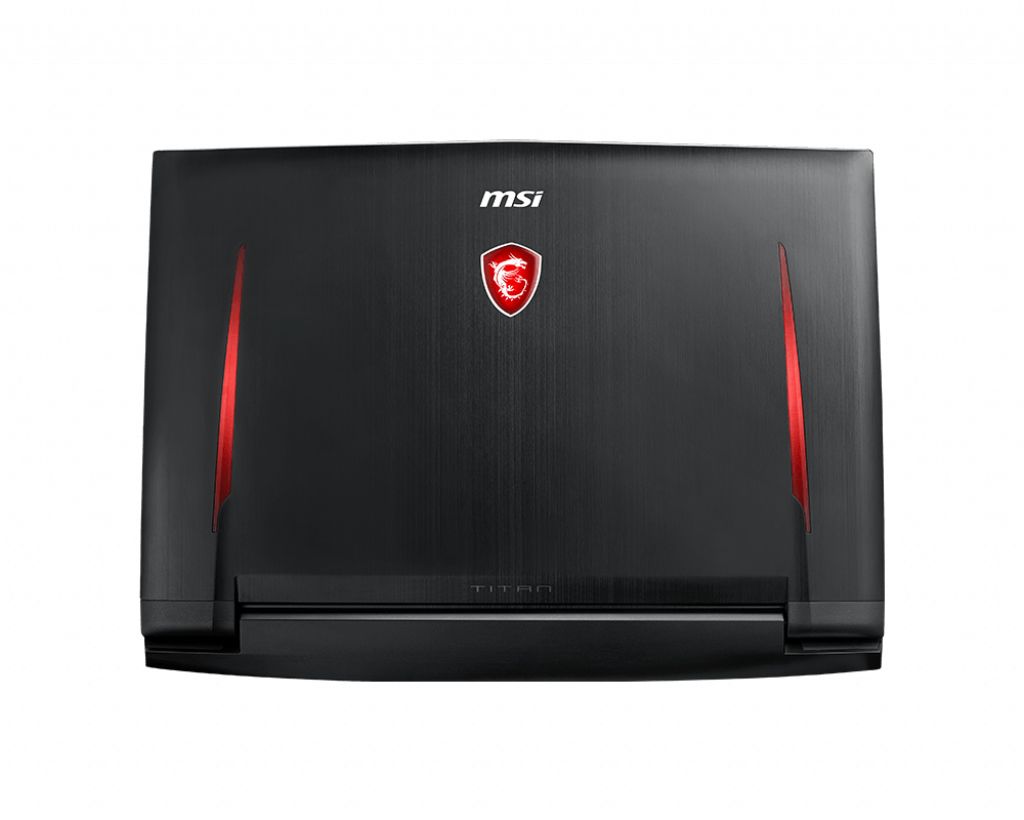
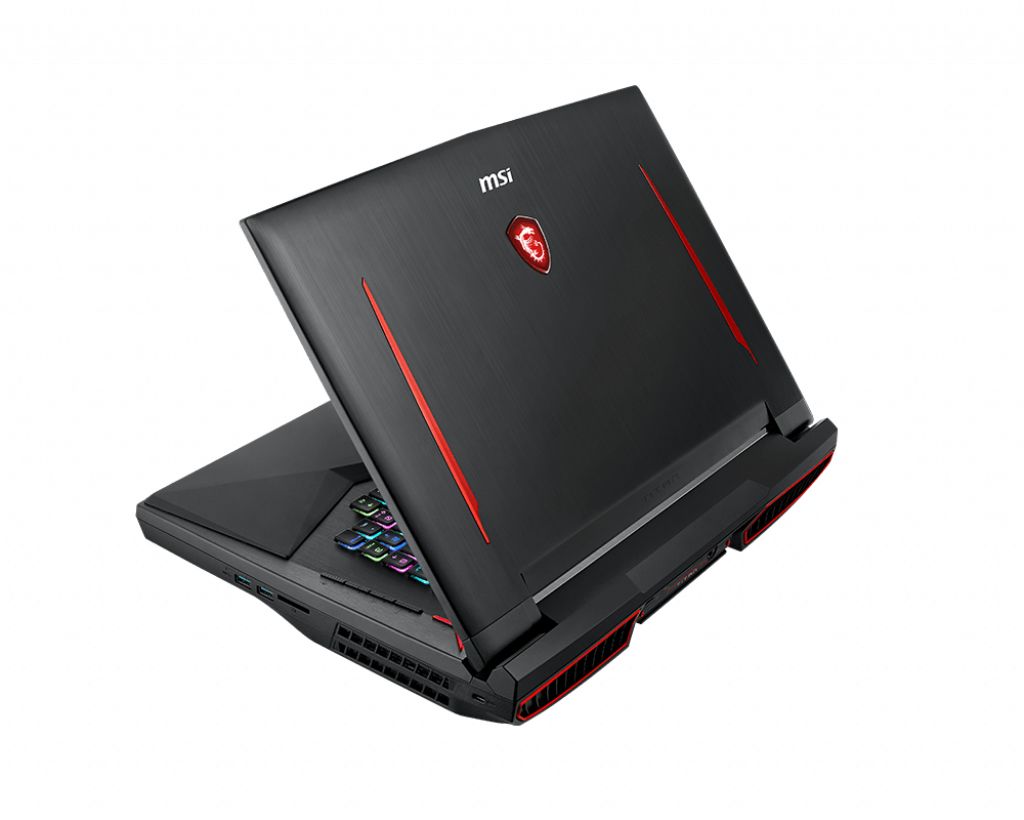
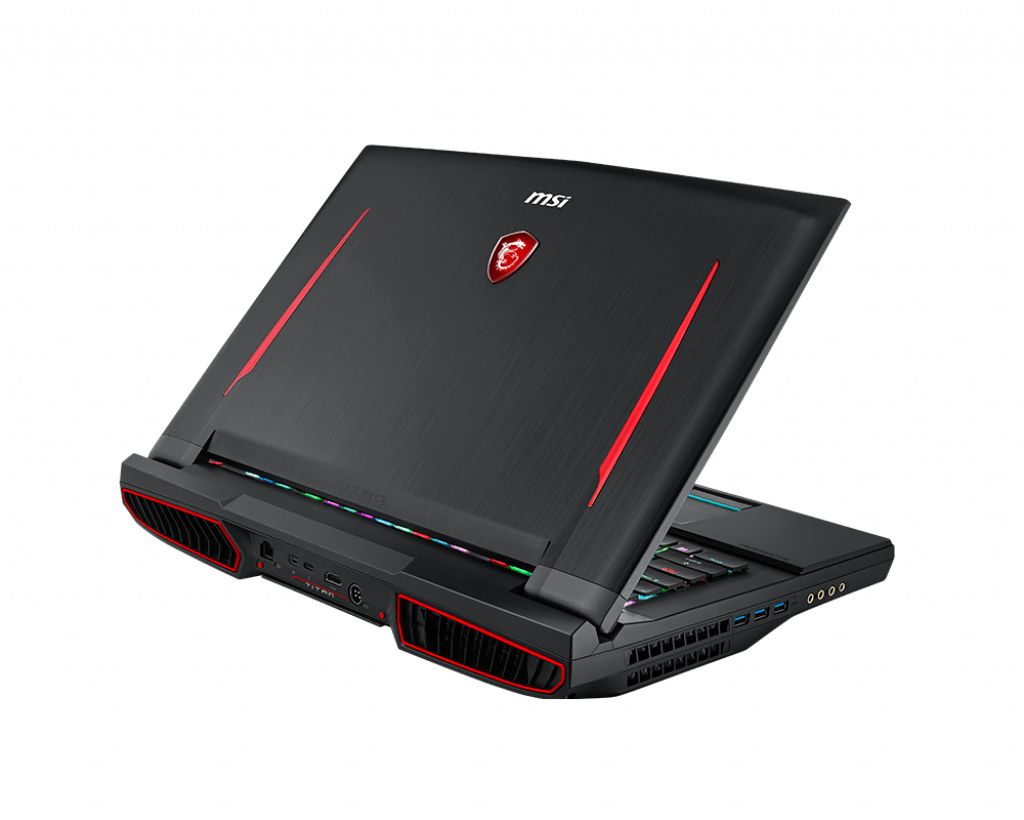
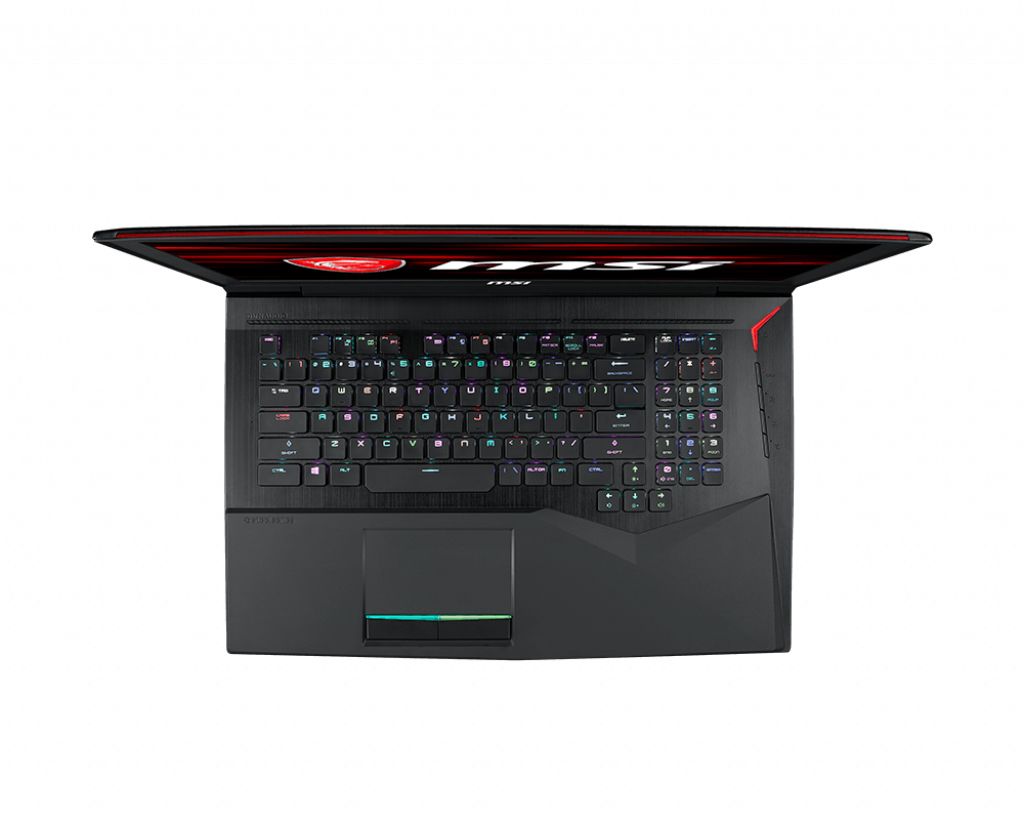
The MSI GT75 8SF-039IT Titan gaming laptop features four SO-DIMM slots for DDR4-SDRAM memory upgrade compatibility. The system supports maximum RAM capacity of 128 GB with DDR4-2666 MHz specifications. Users can install compatible memory modules in the available slots to enhance system performance. The laptop's memory upgrade specifications indicate support for standard DDR4 SO-DIMM form factor modules, allowing flexibility in configuring the RAM to meet performance requirements for gaming and intensive applications.
Memory Upgrade Specifications
| Specification | Value |
|---|---|
| Memory slots | 4x SO-DIMM |
| Form factor | SO-DIMM |
| Memory type | DDR4-SDRAM |
| Frequency | 2666 MHz |
| Maximum RAM | 128 GB |
| Voltage | 1.2V |
| Number of pins | 260-pin |
| Interface | PC4 |
| PC Speed Rating | PC4-2666 (PC4-21328) |
| Bandwidth | 21.3 GB/s |
| Laptop Release date | 16 January 2019 |
Additional Notes
- The MSI GT75 8SF-039IT Titan contains 4 independent SO-DIMM slots, enabling asymmetrical configurations where mismatched capacities per slot remain functional without triggering BIOS errors, though dual-channel performance optimization requires matched pairs.
- DDR4-2666 MHz specification indicates 8th-generation Core i7/i9 processor architecture compatibility, which caps native memory speed at 2666 MHz regardless of faster aftermarket modules installed, creating a hard performance ceiling for this platform generation.
- The 128 GB addressable limit establishes a theoretical maximum of 32 GB per slot; however, BIOS revision and UEFI firmware updates may artificially restrict recognition to 16 GB or 8 GB per slot despite physical module capacity, requiring BIOS validation before purchase.
- SO-DIMM form factor requires laptop-specific modules unavailable in standard desktop DDR4 packaging; this eliminates generic bulk inventory substitution and restricts upgrade sourcing to specialized memory retailers with longer lead times.
- Four-slot configuration consuming both available memory channels means total bandwidth saturation at 2 × 64-bit parallel paths, leaving no architectural headroom for asymmetrical channel loading that might otherwise compensate for single-slot failures during troubleshooting.
- Warranty preservation typically requires purchase documentation and unopened packaging retention; third-party memory installation voids coverage on many OEM configurations unless performed by authorized service centers charging diagnostic fees.