MSI Gaming GT75 8SG-079CA Titan RAM upgrade specifications
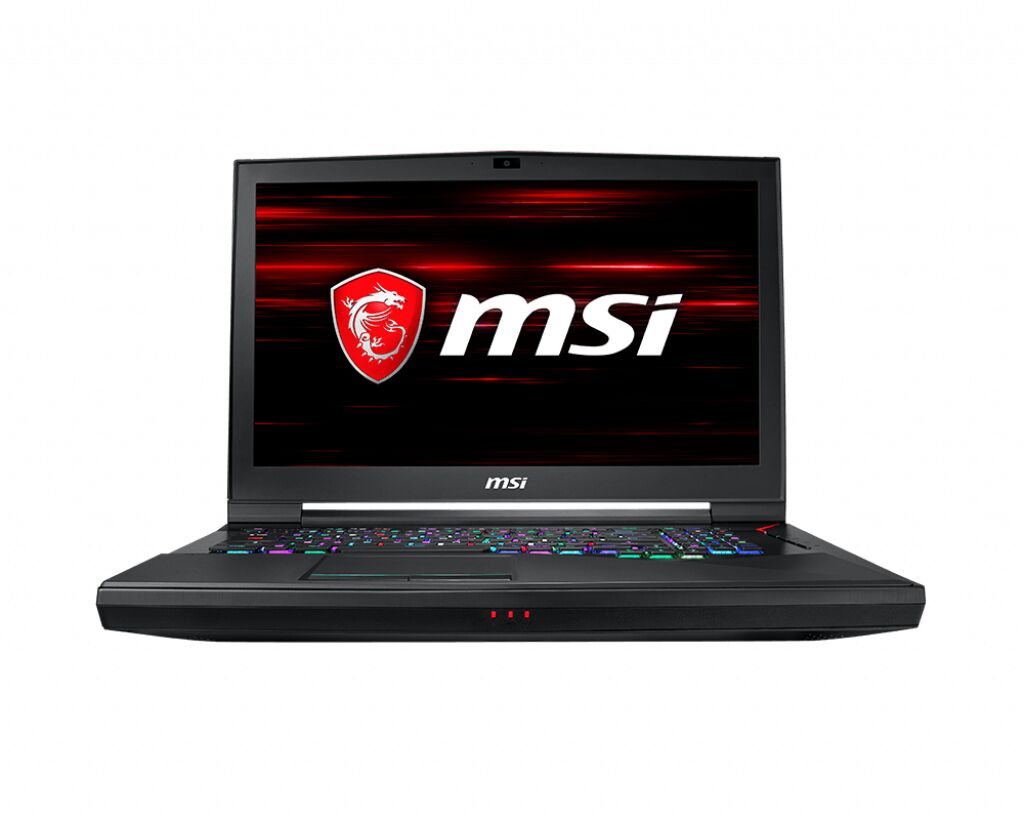
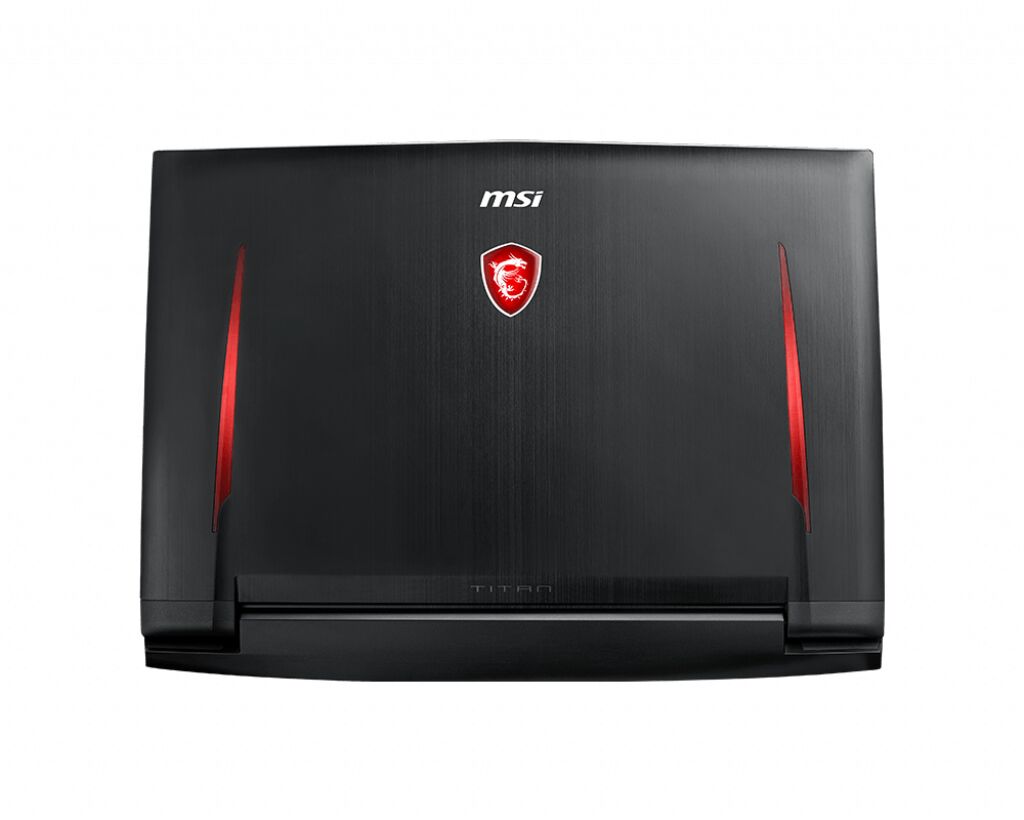
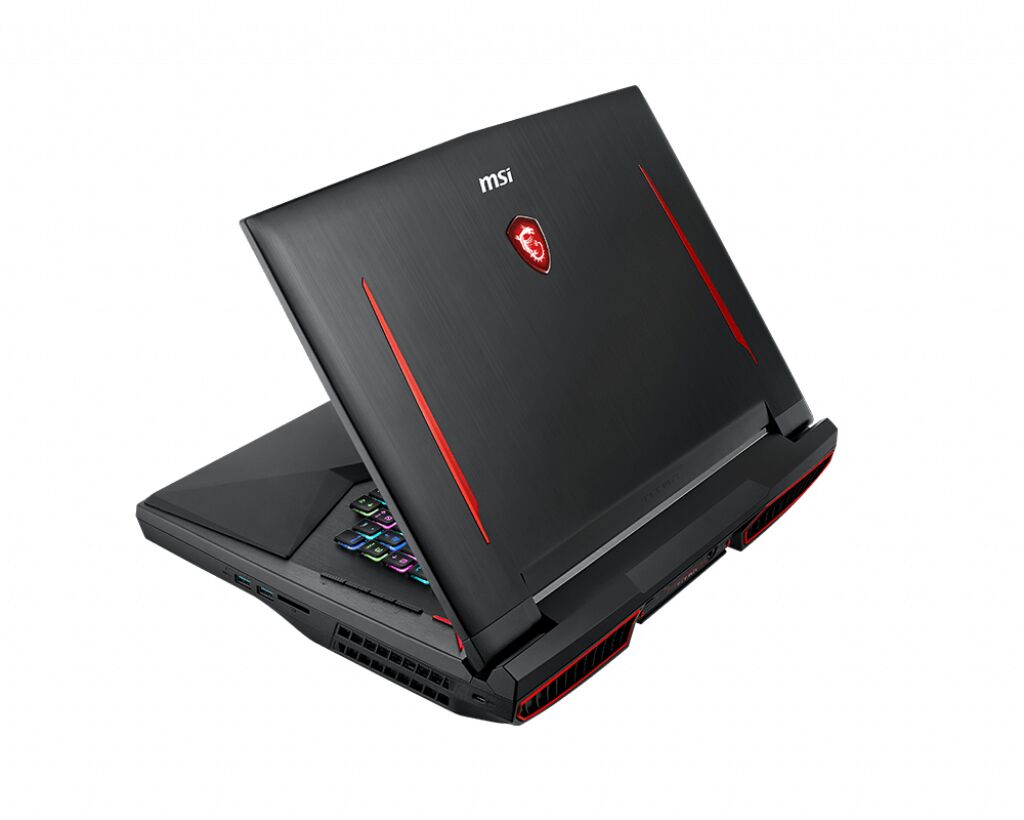
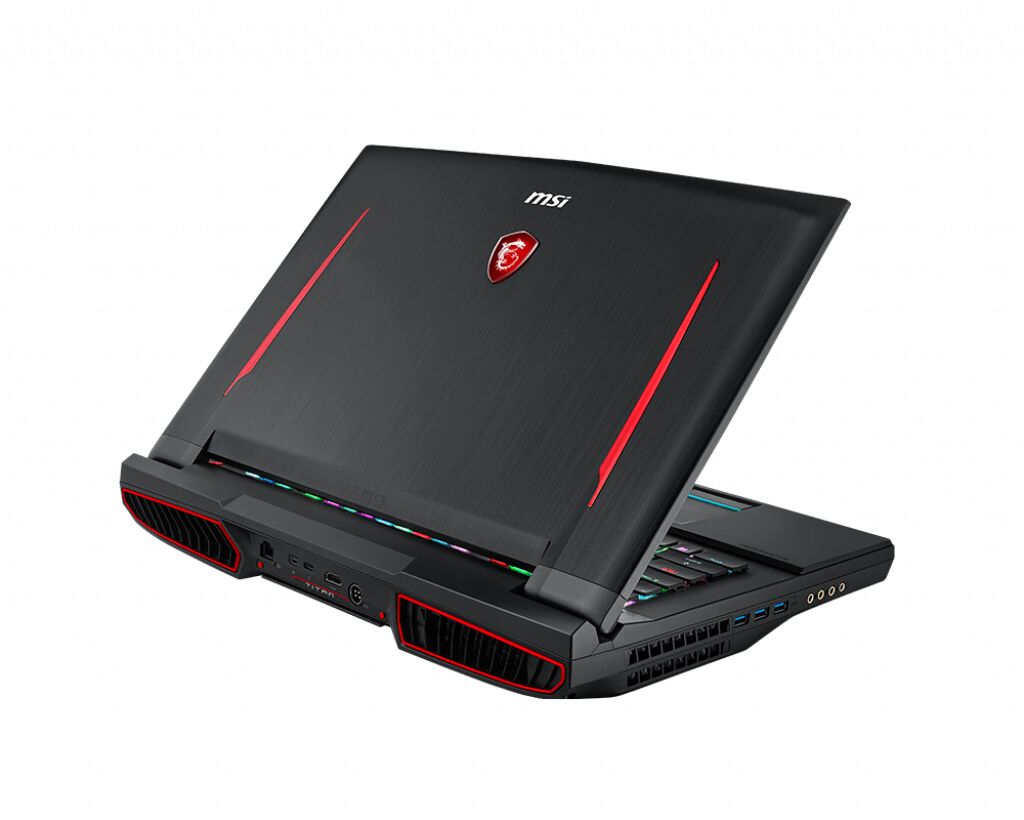
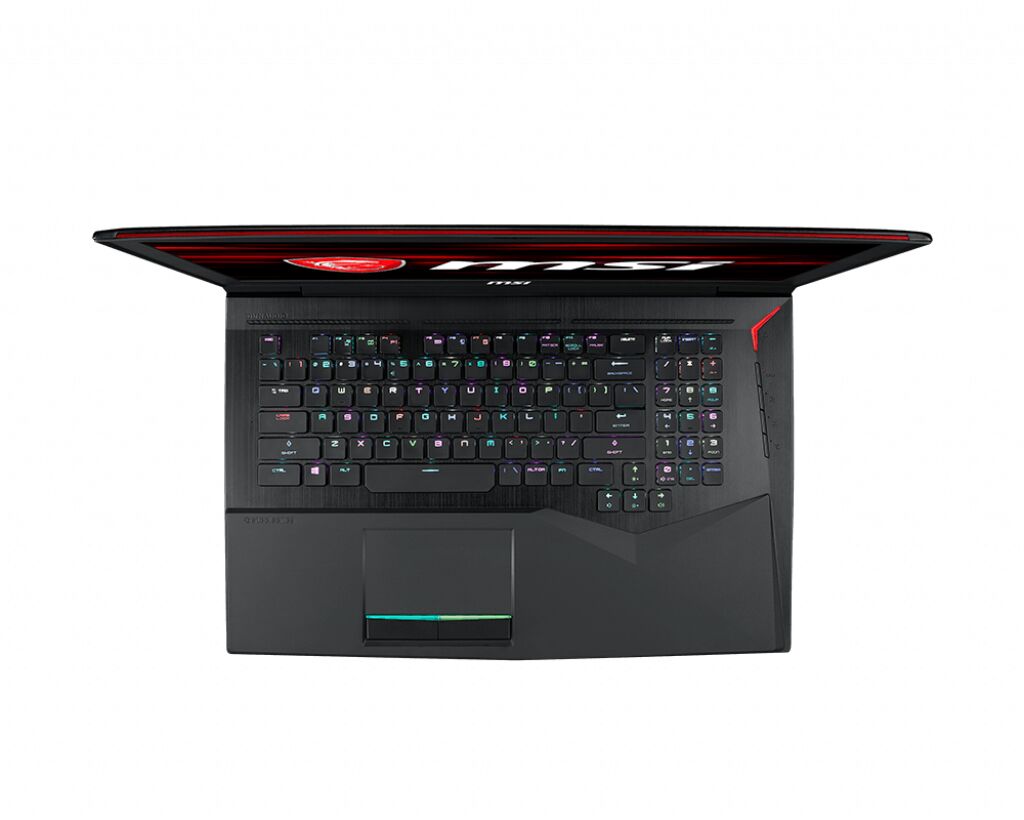
The MSI GT75 8SG-079CA Titan gaming laptop features four SO-DIMM slots for memory upgrades. Compatible RAM specifications include DDR4-SDRAM operating at 2666 MHz frequency. The maximum RAM capacity supported reaches 128 GB total. Current upgrade slots accommodate SO-DIMM form factor modules. Memory specifications and maximum capacity enable substantial RAM expansion for enhanced multitasking and performance on the GT75 Titan series platform.
Memory Upgrade Specifications
| Specification | Value |
|---|---|
| Memory slots | 4x SO-DIMM |
| Form factor | SO-DIMM |
| Memory type | DDR4-SDRAM |
| Frequency | 2666 MHz |
| Maximum RAM | 128 GB |
| Voltage | 1.2V |
| Number of pins | 260-pin |
| Interface | PC4 |
| PC Speed Rating | PC4-2666 (PC4-21328) |
| Bandwidth | 21.3 GB/s |
| Laptop Release date | 12 September 2019 |
Additional Notes
- The MSI GT75 8SG-079CA Titan accepts only SO-DIMM modules despite its desktop replacement form factor, requiring physically smaller memory modules than standard DIMM sticks used in tower PCs.
- DDR4-2666 represents the certified speed limit for this system, meaning higher frequency modules like 3200 MHz or 3600 MHz will downclock to 2666 MHz, negating any performance premium paid for faster memory.
- The 4 available slots enable quad-channel memory configuration when populated with matched modules, potentially doubling memory bandwidth compared to dual-channel setups found in 2-slot systems.
- Reaching the 128 GB ceiling requires 4 modules of 32 GB each, a configuration that relies on double-sided high-density memory which may generate more heat than lower capacity single-sided modules.
- Mixing memory modules of different capacities or timings across the 4 slots will force all modules to operate at the speed and timings of the slowest stick, creating potential performance inconsistency.
- The DDR4 specification means this system cannot accept DDR3L or DDR5 modules due to incompatible voltage requirements and physical notch positioning that prevents insertion.
- Installing memory beyond the validated 128 GB threshold may prevent POST completion or cause the system to ignore modules exceeding the chipset's addressing capability.
- Unmatched module configurations may disable quad-channel operation and revert to dual-channel mode, reducing theoretical memory bandwidth by 50 percent even with all slots populated.
- The 2666 MHz frequency operates at 1.2 volts standard, while lower voltage variants like DDR4L-2666 at 1.05 volts are incompatible with this platform's memory controller.
- Memory upgrades performed through authorized service channels preserve warranty status, while user-installed modules may void coverage depending on regional service agreements and evidence of installation damage.