MSI Gaming GT75 8SG-081CA Titan RAM upgrade specifications
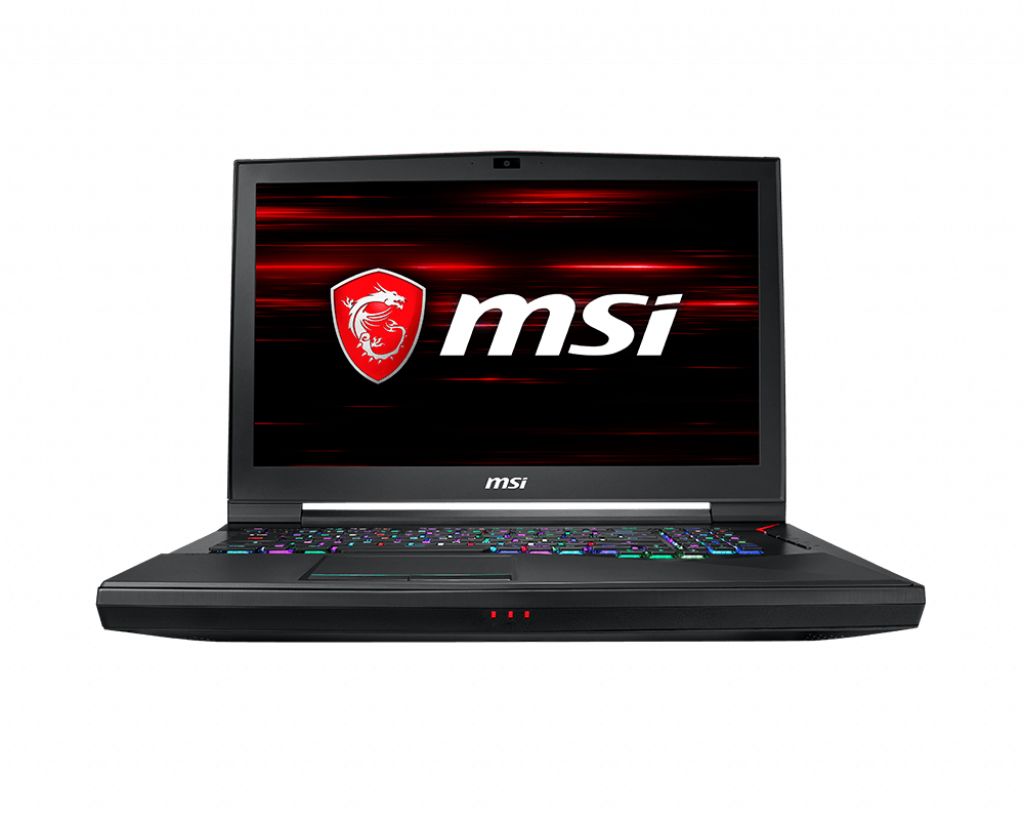
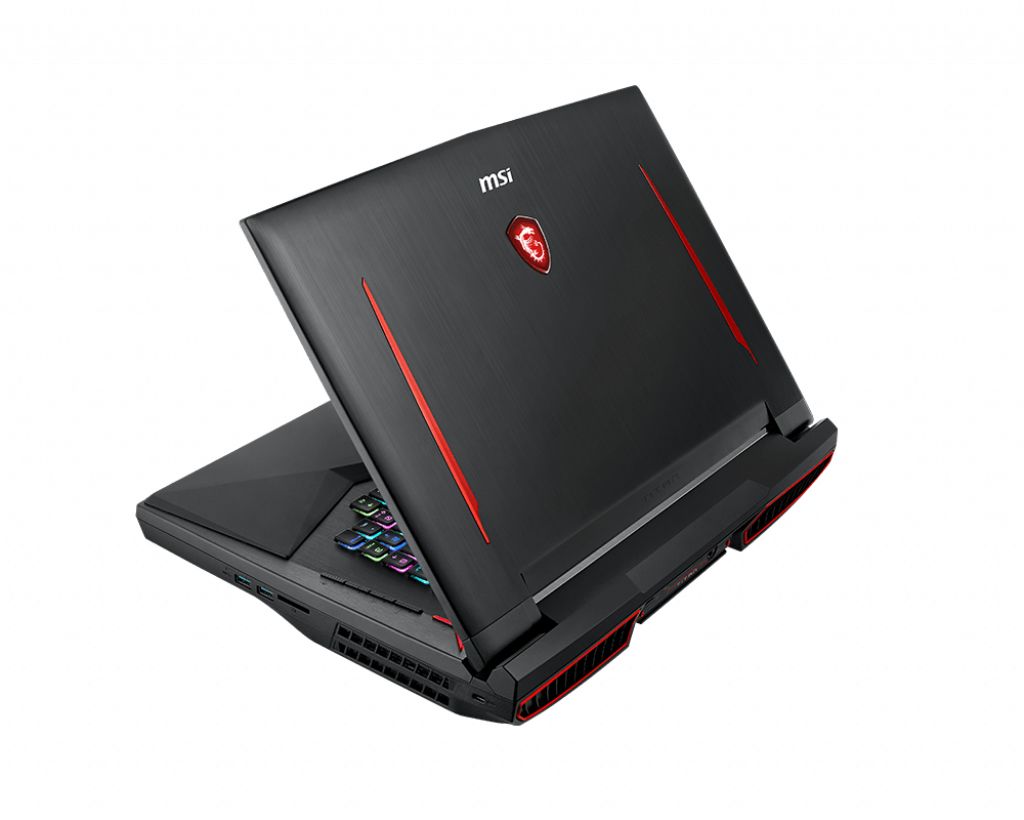
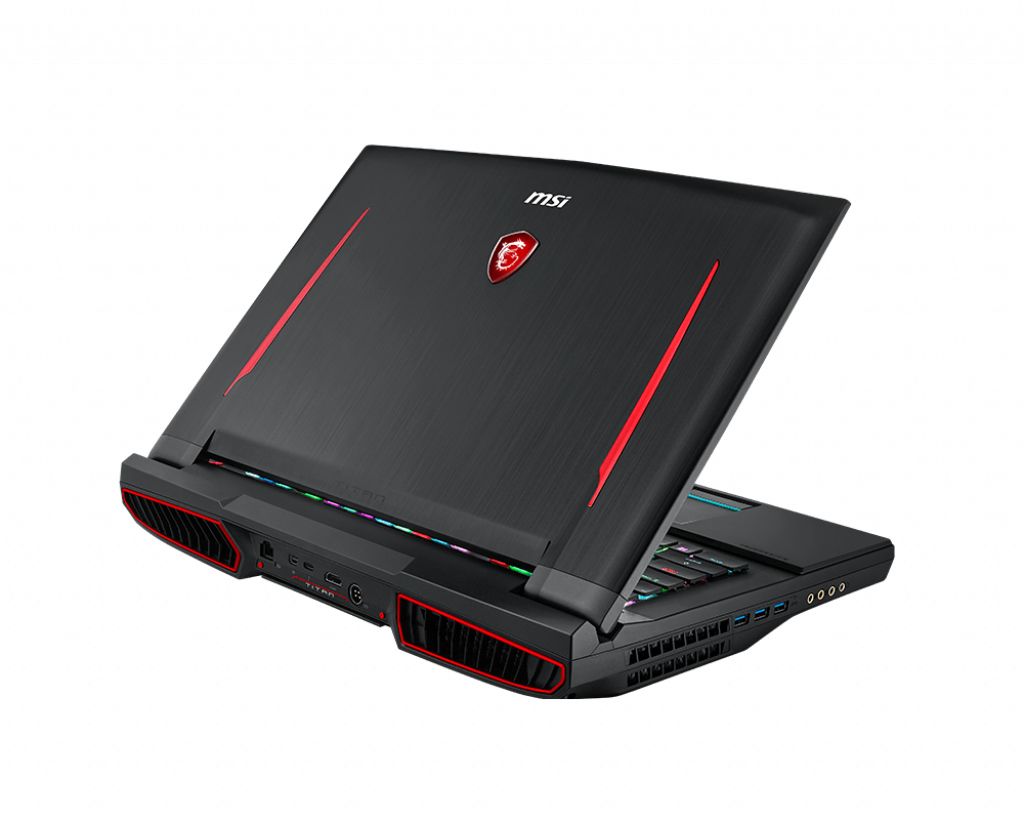
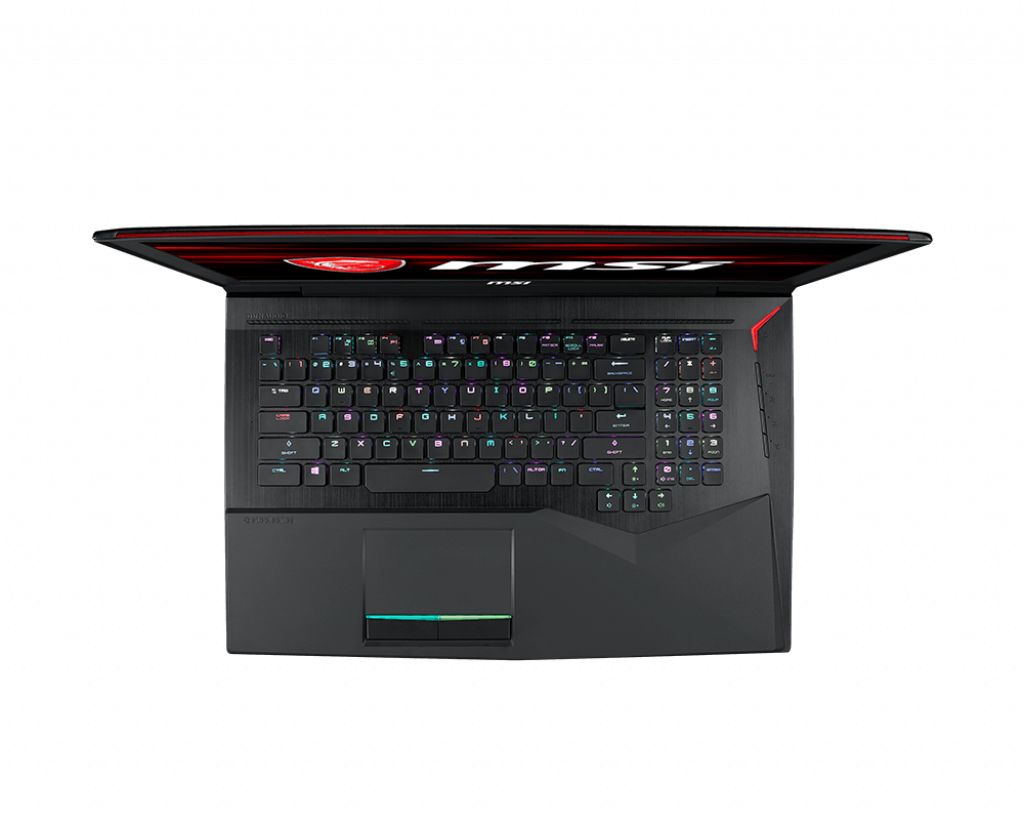
MSI GT75 8SG-081CA Titan gaming laptop supports DDR4-SDRAM memory upgrades across 4x SO-DIMM slots. Compatible RAM upgrades accommodate a maximum capacity of 128 GB total memory. Specifications indicate DDR4 modules operating at 2666 MHz frequency with SO-DIMM form factor. The GT series gaming platform provides expandable memory configurations for enhanced multitasking and performance capabilities through dual-channel memory upgrade options.
Memory Upgrade Specifications
| Specification | Value |
|---|---|
| Memory slots | 4x SO-DIMM |
| Form factor | SO-DIMM |
| Memory type | DDR4-SDRAM |
| Frequency | 2666 MHz |
| Maximum RAM | 128 GB |
| Voltage | 1.2V |
| Number of pins | 260-pin |
| Interface | PC4 |
| PC Speed Rating | PC4-2666 (PC4-21328) |
| Bandwidth | 21.3 GB/s |
| Laptop Release date | 12 September 2019 |
Additional Notes
- The MSI GT75 8SG-081CA Titan architecture supports 32 GB modules per slot, which represents the maximum density available in DDR4 SO-DIMM format as of the system's release generation.
- Operating four memory channels simultaneously enables quad-channel bandwidth delivery, providing approximately 85 GB/s theoretical maximum throughput when all slots are populated with matching modules.
- Mixing modules with different speeds will force all installed memory to operate at the frequency of the slowest module, creating a performance reduction if 2666 MHz modules are combined with lower-speed components.
- The DDR4-2666 specification indicates PC4-21300 compatibility, which serves as the reference standard when matching third-party modules to avoid frequency mismatches.
- Single-channel configurations using only 1 or 3 modules will reduce memory bandwidth by 25 to 75 percent compared to symmetric dual-channel or quad-channel population.
- Accessing internal memory slots on this chassis typically requires bottom panel removal and potentially thermal module displacement, necessitating thermal paste reapplication during the upgrade process.
- Non-ECC unbuffered modules are required for consumer-grade compatibility, as registered or ECC variants will prevent successful POST completion.
- The platform's Coffee Lake-H processor architecture enforces the 2666 MHz ceiling through memory controller limitations, making modules rated above this frequency operate at downclocked speeds without overclocking support.
- Optimal thermal performance requires maintaining adequate airflow around SO-DIMM modules, as high-density 32 GB components generate more heat than lower-capacity alternatives during sustained workloads.
- Upgrading beyond 64 GB total capacity requires four matched modules to maintain quad-channel symmetry, as asymmetric configurations will drop portions of the memory subsystem to dual-channel or single-channel operation modes.