MSI Gaming GT75 9SF-270 Titan RAM upgrade specifications
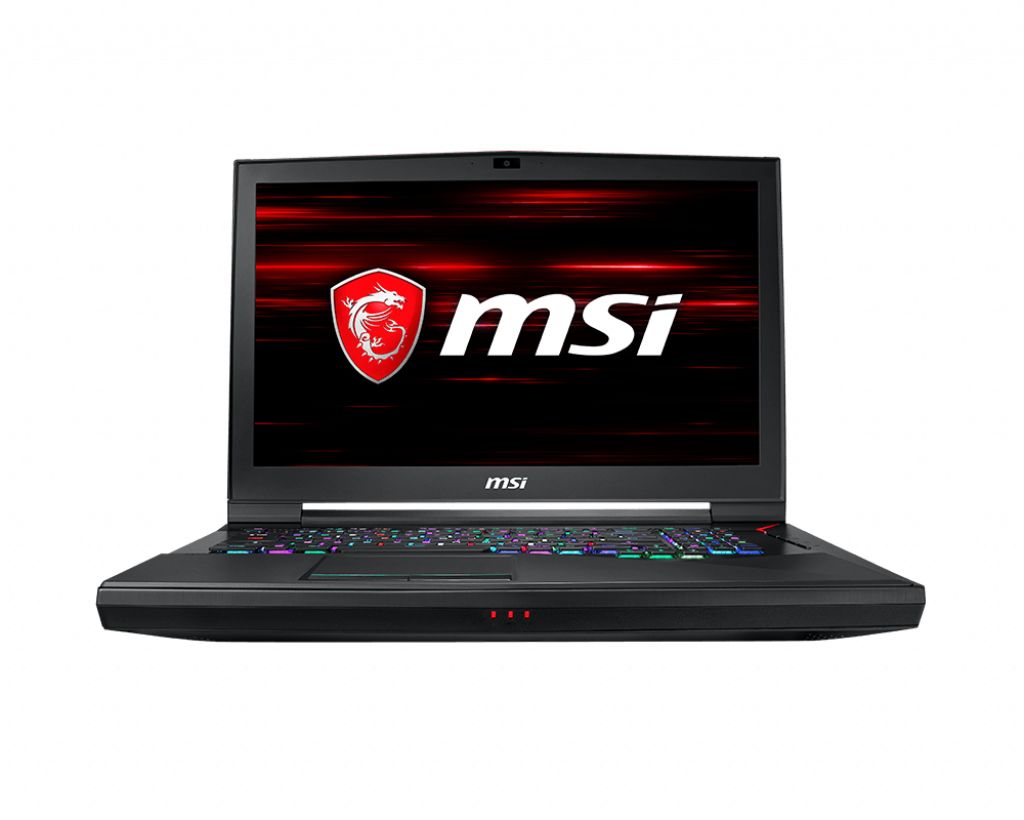
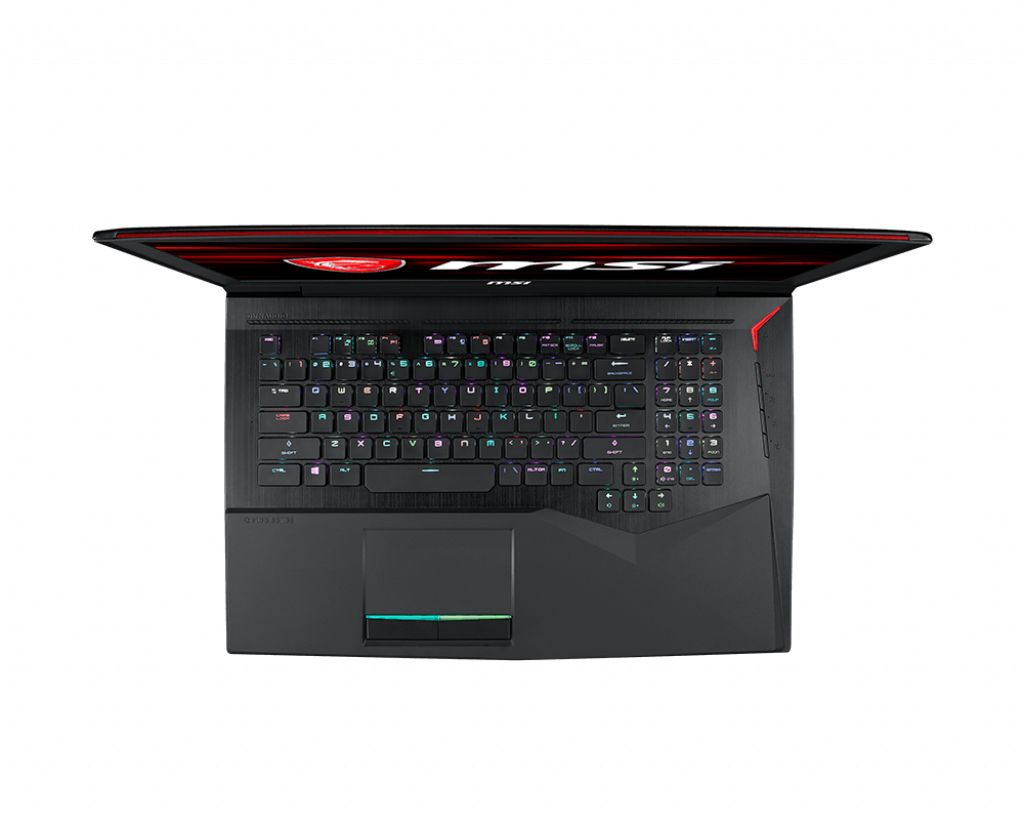
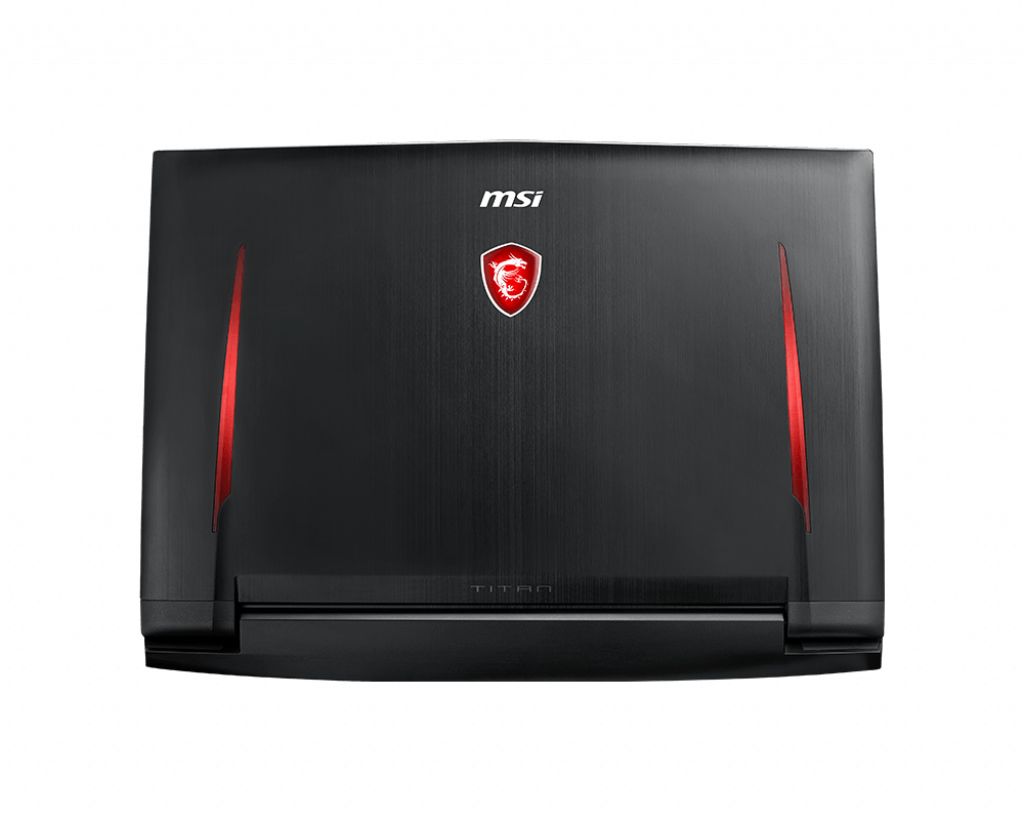
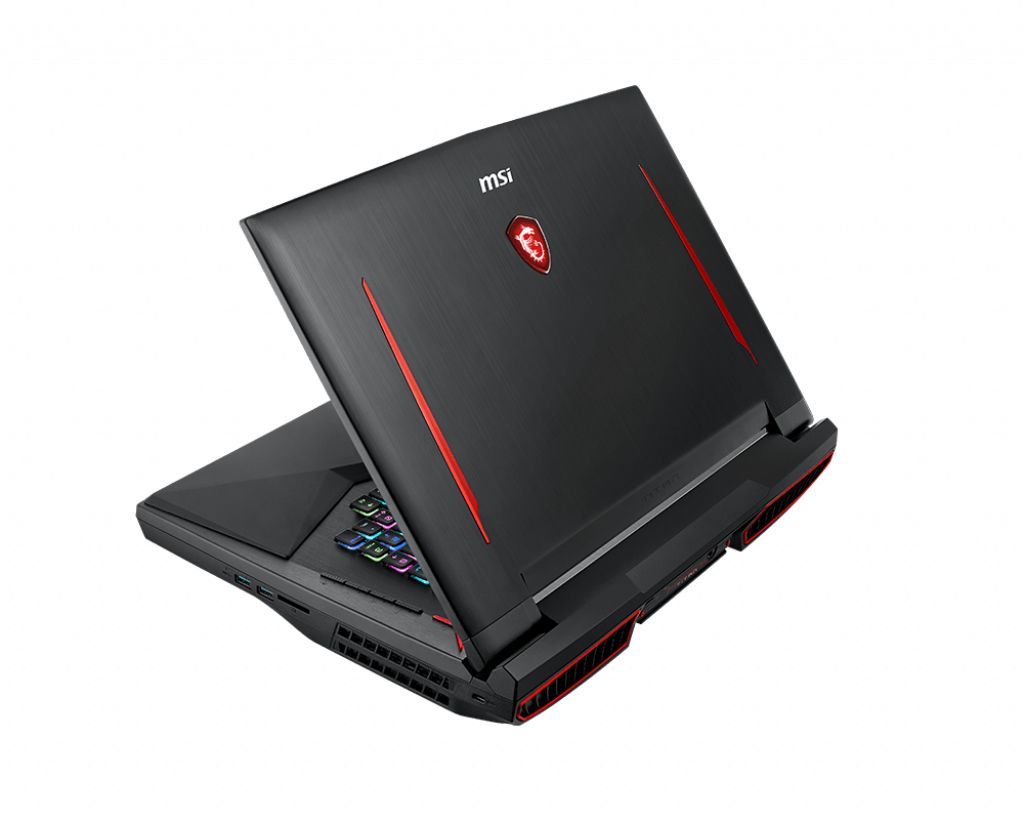
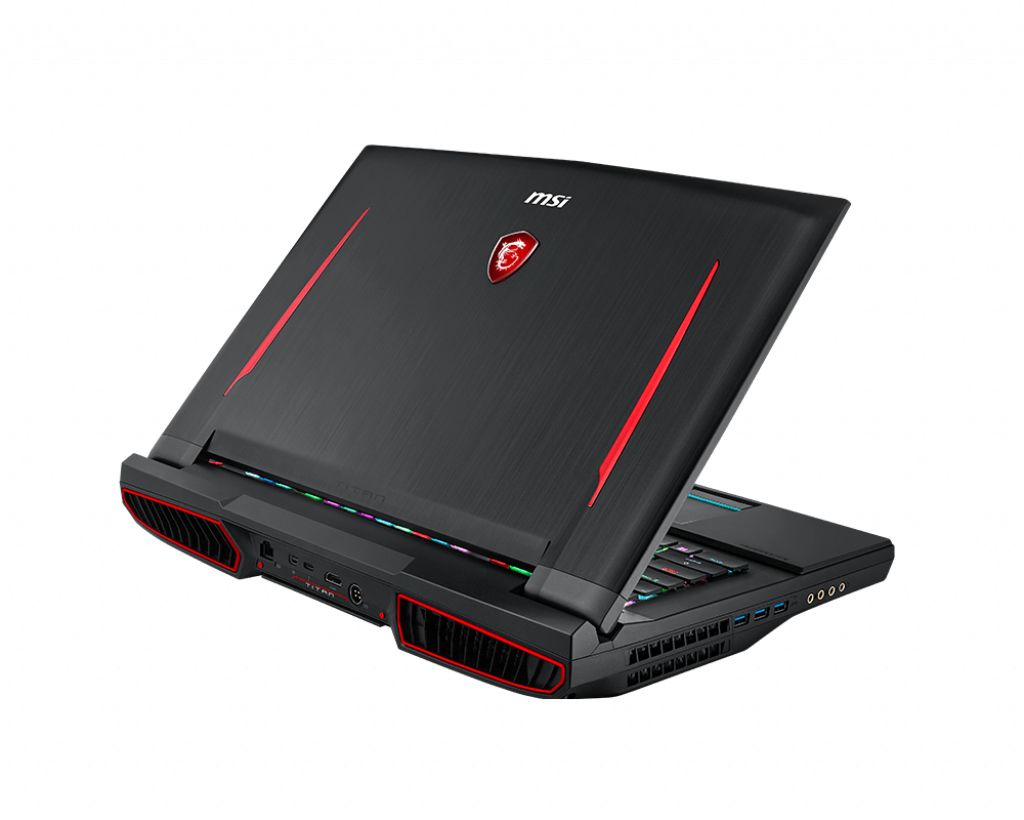
The MSI GT75 9SF-270 Titan gaming laptop features DDR4-SDRAM memory upgrade specifications with two SO-DIMM slots supporting maximum RAM capacity of 128 GB. Compatible memory modules operate at 2666 MHz frequency. Upgrade specifications indicate the Gaming GT series model accommodates SO-DIMM form factor memory for enhanced system performance and multitasking capabilities.
Memory Upgrade Specifications
| Specification | Value |
|---|---|
| Memory slots | 2x SO-DIMM |
| Form factor | SO-DIMM |
| Memory type | DDR4-SDRAM |
| Frequency | 2666 MHz |
| Maximum RAM | 128 GB |
| Voltage | 1.2V |
| Number of pins | 260-pin |
| Interface | PC4 |
| PC Speed Rating | PC4-2666 (PC4-21328) |
| Bandwidth | 21.3 GB/s |
| Laptop Release date | 27 April 2019 |
Additional Notes
- The MSI GT75 9SF-270 Titan supports DDR4-2666 MHz, which operates 266 MHz below the DDR4-2933 MHz standard for 9th-generation Intel processors. This frequency ceiling results in marginal memory bandwidth underutilization relative to the host CPU's capabilities, though the performance delta remains negligible for gaming and productivity workloads.
- Installation of high-capacity SO-DIMM modules approaching the 128 GB ceiling requires verification that both memory slots remain accessible after thermal solution expansion. Gaming laptop chassis typically route heatsinks and vapor chambers across SO-DIMM locations, creating physical interference risks during module insertion or extraction.
- Upgrading beyond the factory configuration requires matching the DDR4-2666 frequency specification exactly. Higher-speed DDR4-2933 or DDR4-3200 modules will downclock to 2666 MHz through SPD profile enforcement, eliminating any performance gain from premium pricing while introducing compatibility stability risks if the BIOS lacks full XMP/DOCP support for non-native frequencies.
- The 2-slot SO-DIMM architecture constrains upgrade modularity. Removing factory modules to install larger replacements may void thermal performance warranties if the system was validated with specific memory mass distributions affecting heat dissipation pathways in the confined chassis.
- DDR4-SDRAM replacement modules must conform to JEDEC standard voltage (1.2V nominal) and timing profiles for 2666 MHz operation. Aftermarket modules marketed for gaming systems often implement non-standard timings that trigger POST failures or throttling in laptops with conservative BIOS memory controllers.