MSI Gaming GT75 9SG-268 Titan RAM upgrade specifications
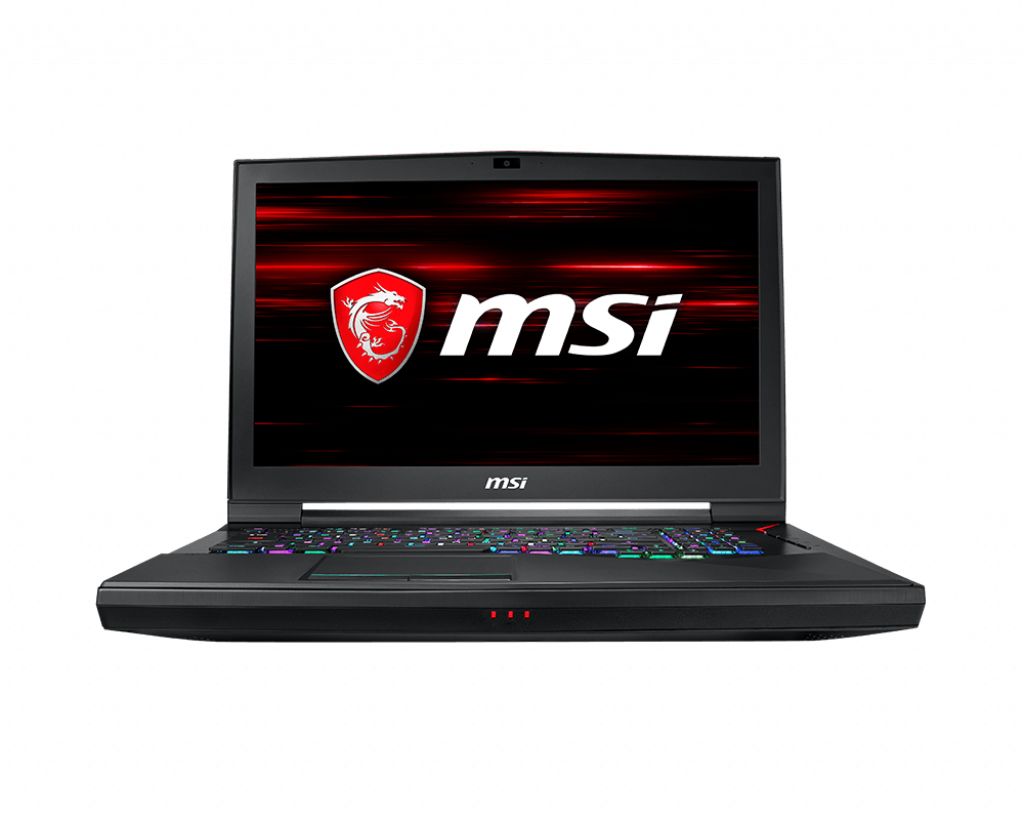
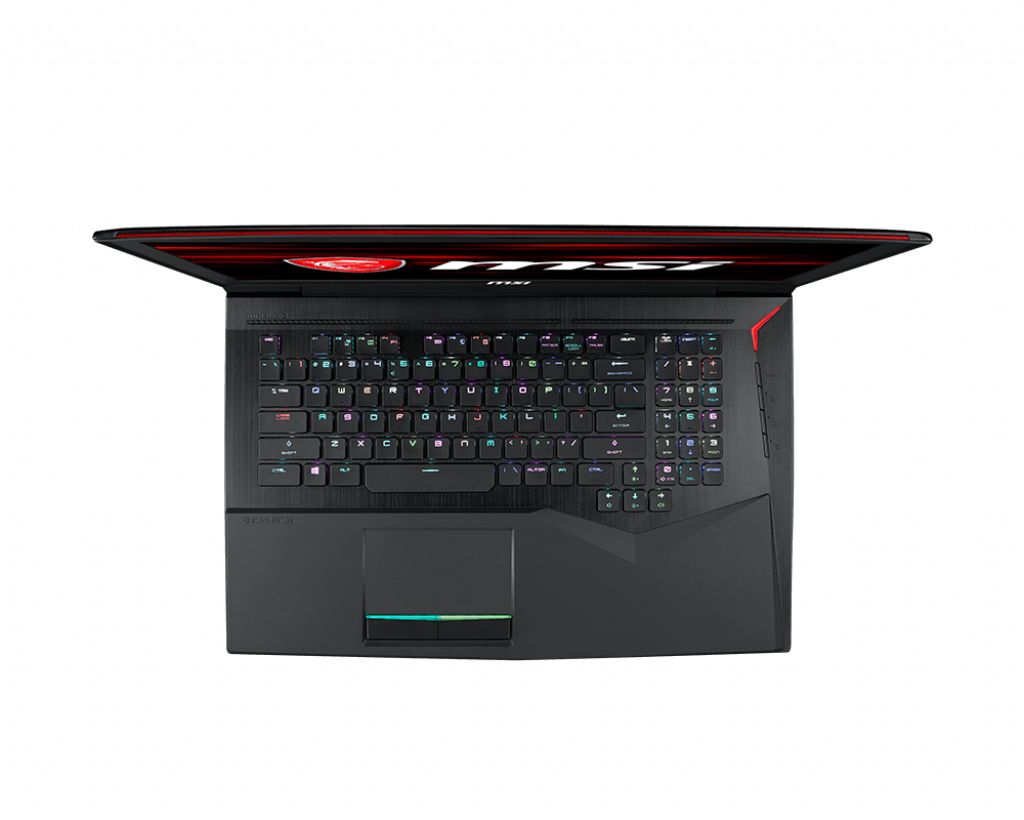
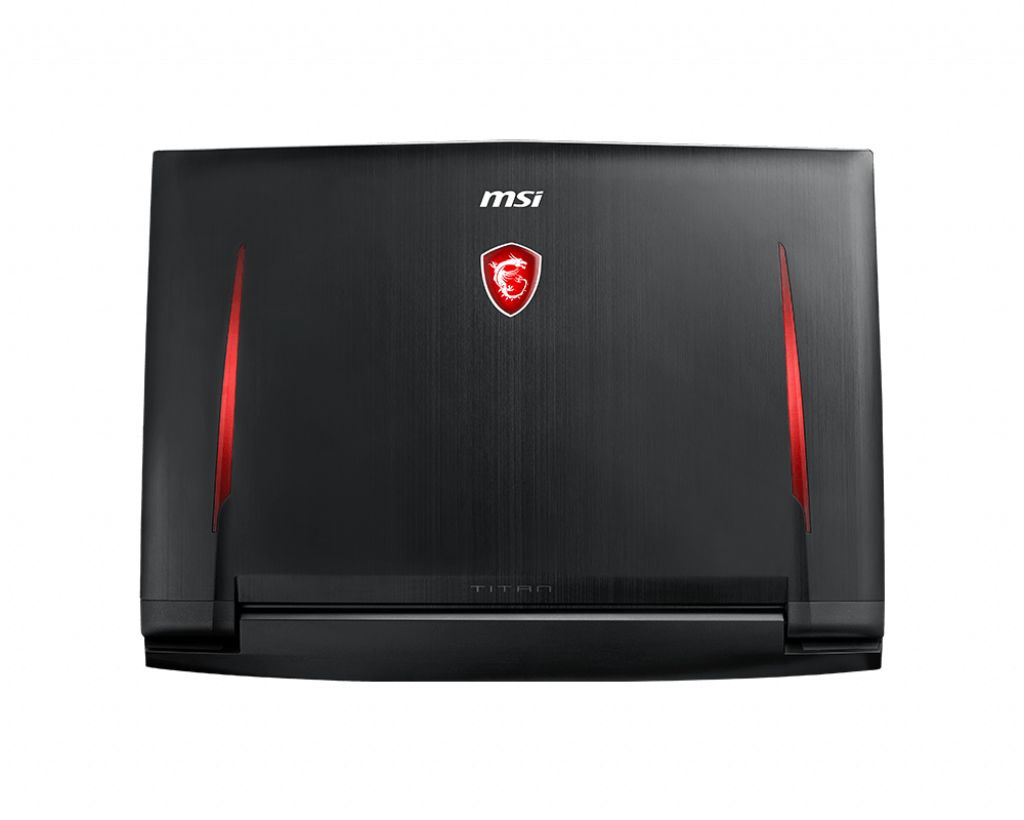
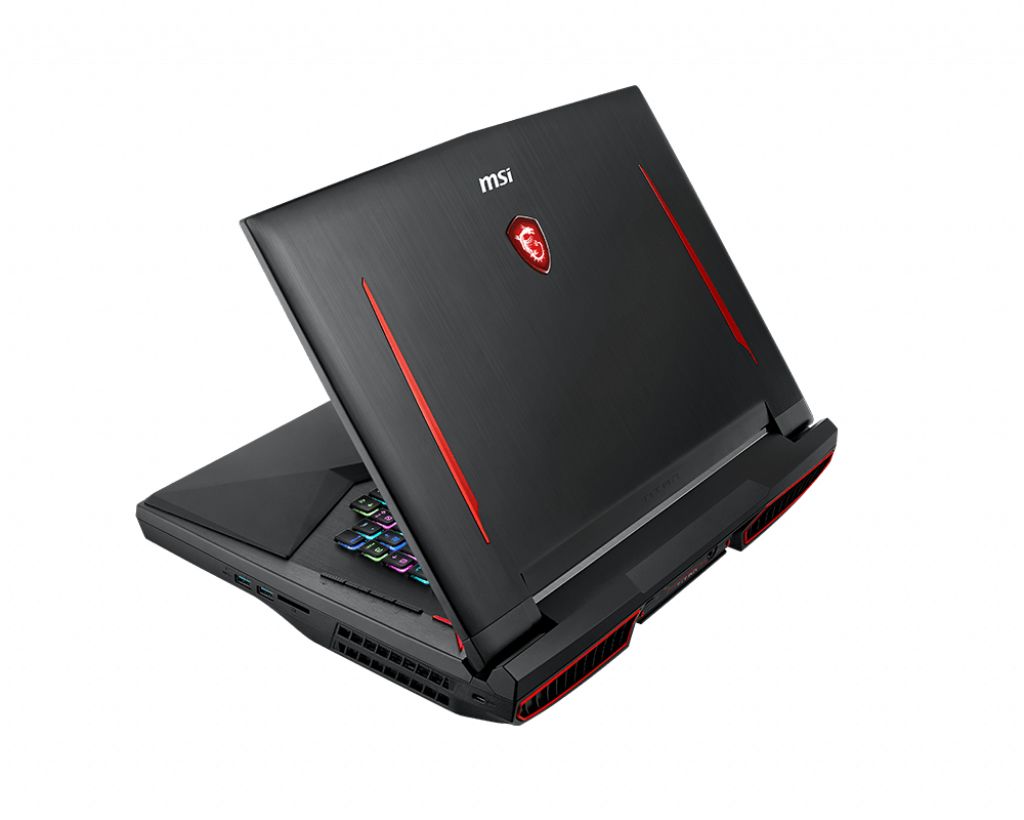
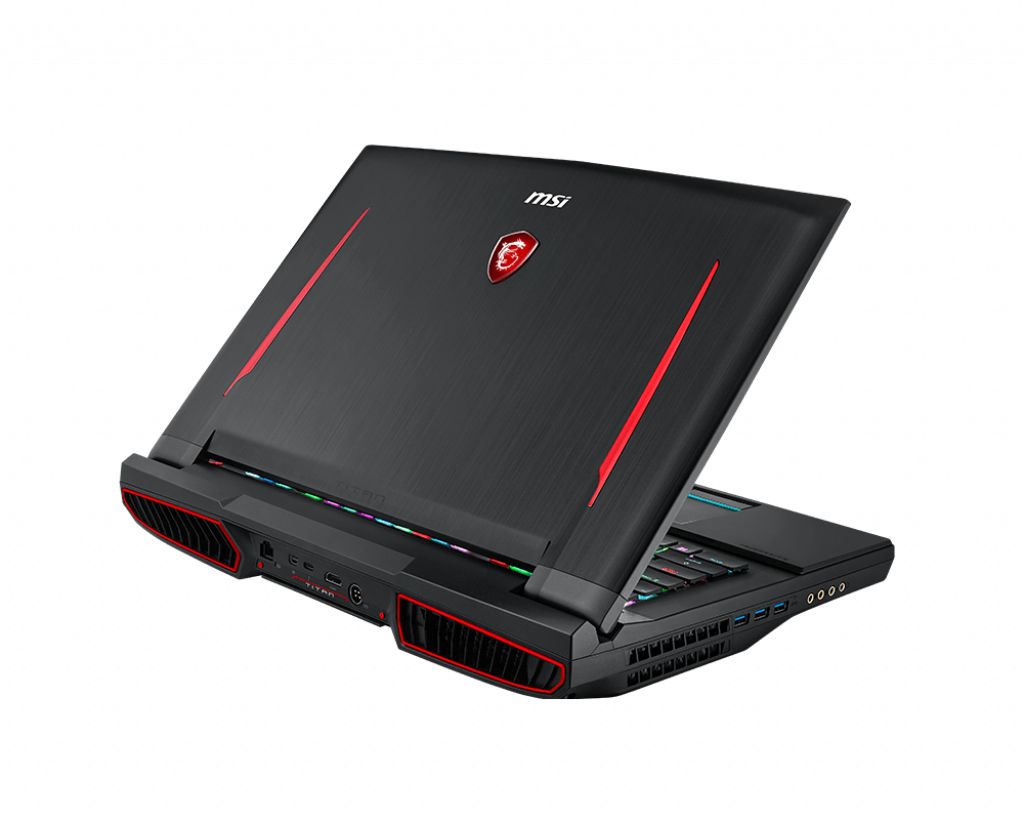
The MSI GT75 9SG-268 Titan gaming laptop features four SO-DIMM slots for DDR4-SDRAM memory upgrade capabilities. Maximum RAM capacity reaches 128 GB total, compatible with DDR4-2666 MHz specifications. Current memory configuration supports expansion through dual SO-DIMM slot architecture, allowing users to upgrade existing modules or add additional compatible memory modules. Specifications indicate the GT75 9SG-268 Titan from MSI's Gaming GT series accommodates standard laptop memory upgrades within DDR4 technology parameters and frequency ratings.
Memory Upgrade Specifications
| Specification | Value |
|---|---|
| Memory slots | 4x SO-DIMM |
| Form factor | SO-DIMM |
| Memory type | DDR4-SDRAM |
| Frequency | 2666 MHz |
| Maximum RAM | 128 GB |
| Voltage | 1.2V |
| Number of pins | 260-pin |
| Interface | PC4 |
| PC Speed Rating | PC4-2666 (PC4-21328) |
| Bandwidth | 21.3 GB/s |
| Laptop Release date | 27 April 2019 |
Additional Notes
- The MSI GT75 9SG-268 Titan supports memory frequencies up to 2666 MHz, which represents a bandwidth constraint relative to newer DDR4 modules rated at 3200 MHz or higher. Installing faster-rated modules will result in automatic downclocking to 2666 MHz, eliminating any performance gain from premium memory purchases.
- Four SO-DIMM slots enable maximum capacity expansion to 128 GB, but the upgrade path requires removing existing modules rather than simple additive installation. Upgrading from factory-installed memory necessitates complete module replacement rather than supplemental additions in free slots.
- DDR4-SDRAM compatibility is generation-locked to 9th-generation Intel processors and associated chipsets. Any future processor upgrades would require concurrent motherboard replacement, rendering existing memory incompatible with newer platforms.
- SO-DIMM form factor represents a physical constraint on module selection. Standard UDIMM variants cannot be installed. Memory modules must originate from laptop-specific product lines, typically limiting supplier options and affecting availability compared to desktop DDR4 alternatives.
- The 128 GB theoretical maximum assumes 32 GB modules per slot at the platform's supported frequency. Current market availability of 32 GB SO-DIMM DDR4-2666 modules is limited, potentially requiring compromise between capacity and warranty compatibility if third-party upgrades are pursued outside manufacturer specifications.
- Thermal management during upgrade becomes relevant given the Gaming family classification. Dual-channel configuration across 4 slots distributes electrical load compared to single-channel alternatives, but sustained load conditions under gaming workloads may elevate memory substrate temperatures beyond standard laptop specifications if non-OEM modules lack thermal profiling optimization.