MSI Gaming GT75 9SG-275 Titan RAM upgrade specifications
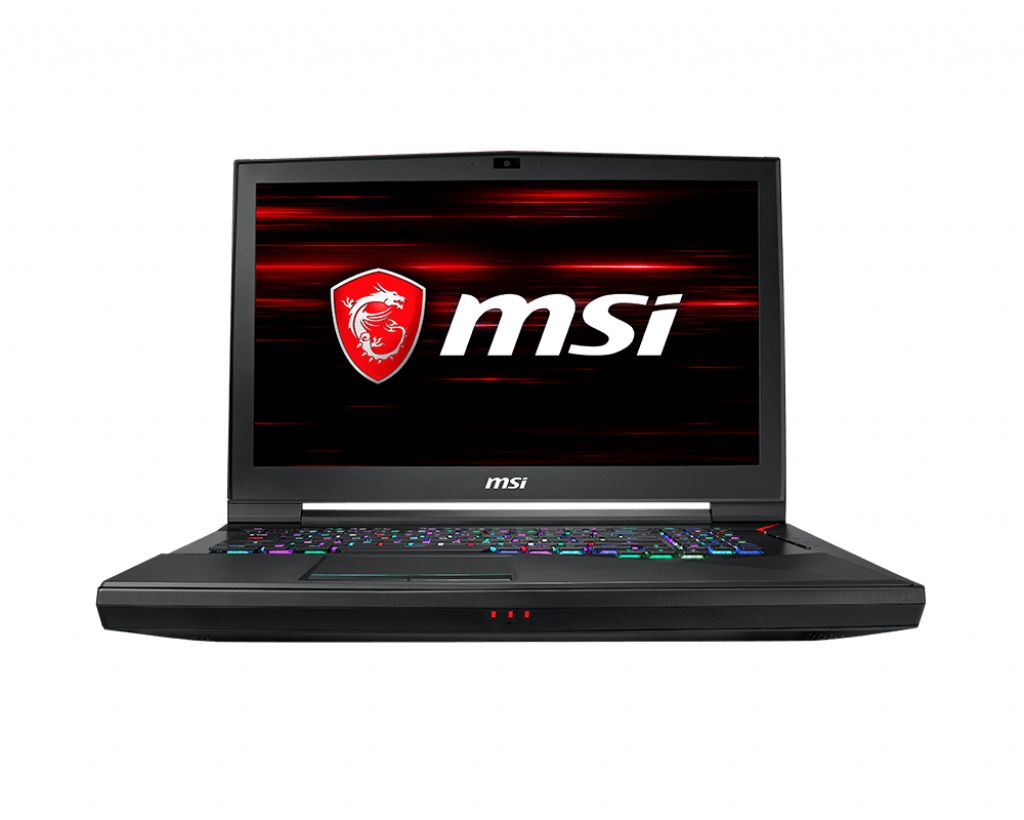
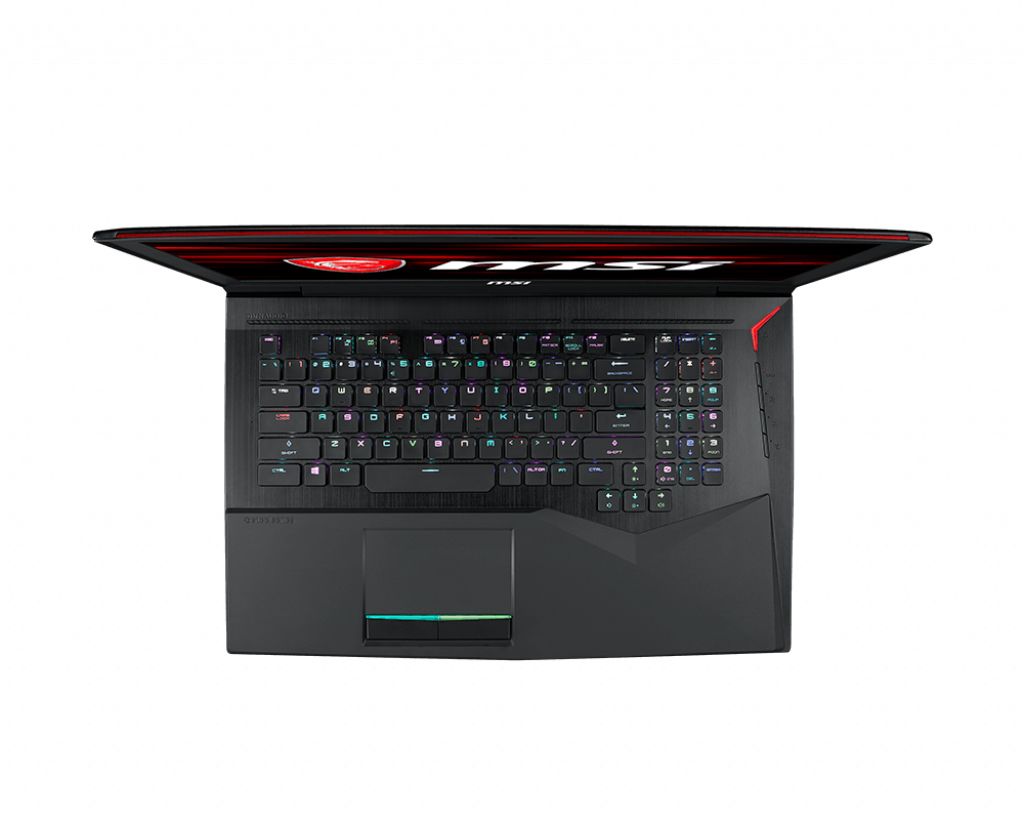
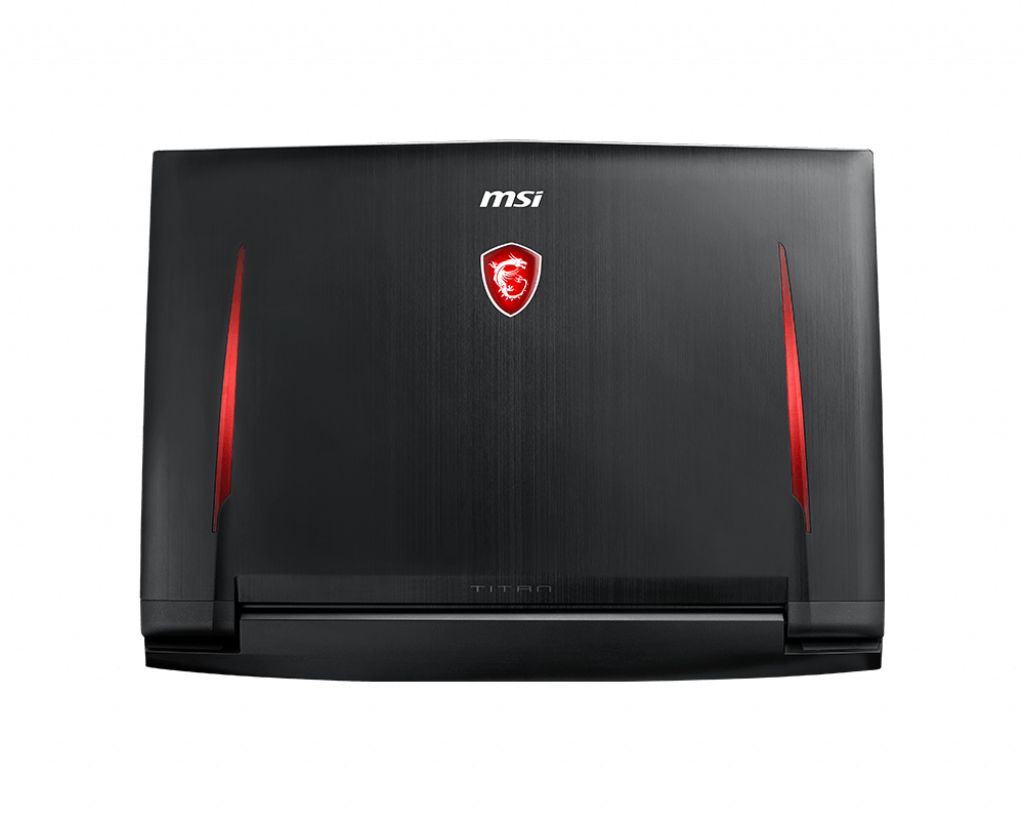
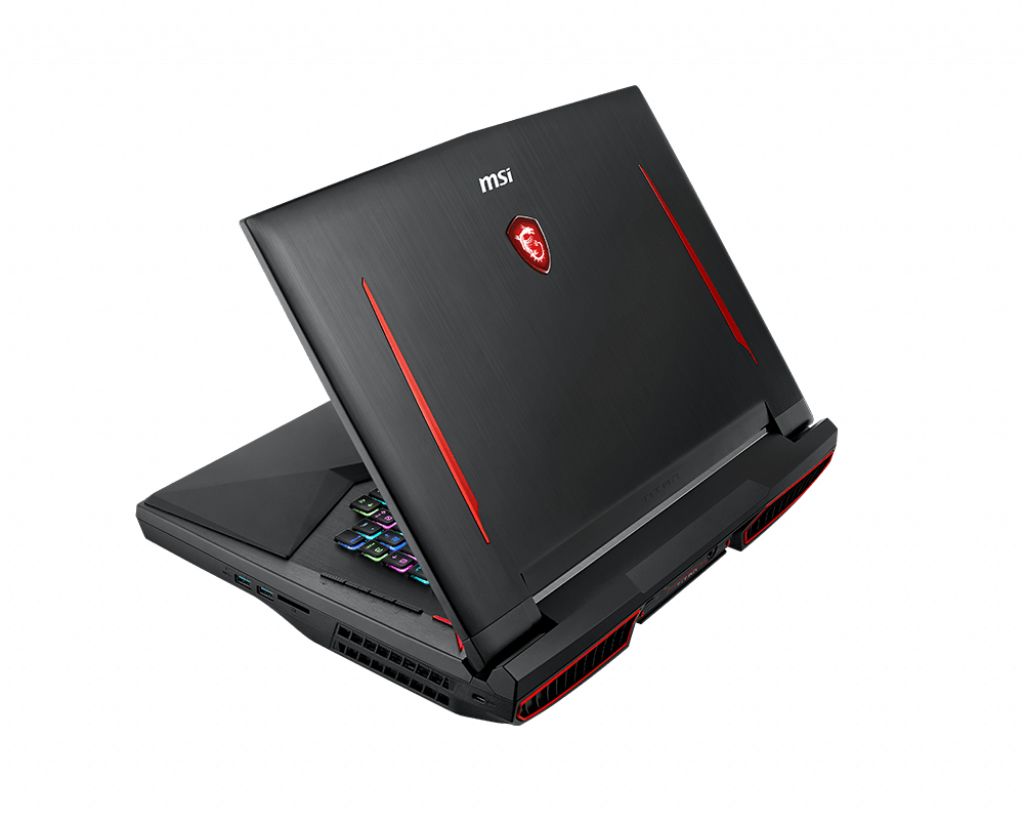
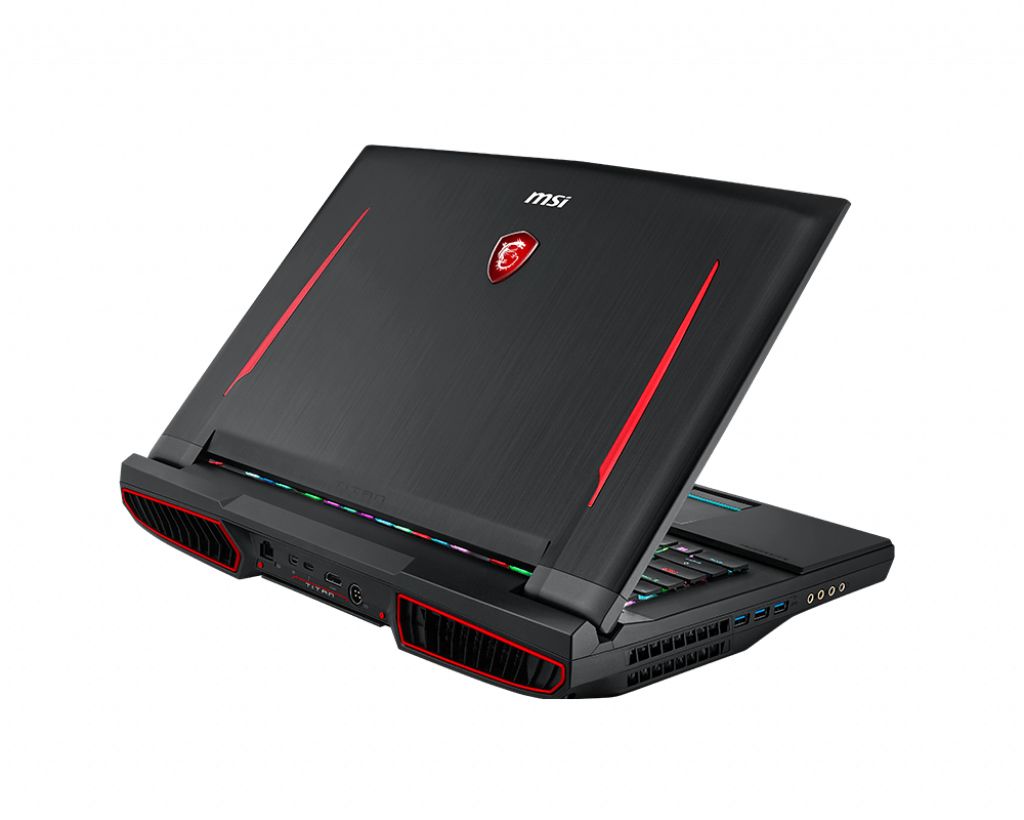
The MSI GT75 9SG-275 Titan Gaming series laptop features four SO-DIMM slots supporting DDR4-SDRAM memory upgrades. Maximum RAM capacity reaches 128 GB with DDR4-2666 MHz specifications. Compatible memory modules utilize the SO-DIMM form factor for this gaming model. The GT75 9SG-275 Titan supports memory upgrades to enhance multitasking performance and system responsiveness. Existing memory modules can be supplemented or replaced to achieve upgraded capacity within manufacturer specifications.
Memory Upgrade Specifications
| Specification | Value |
|---|---|
| Memory slots | 4x SO-DIMM |
| Form factor | SO-DIMM |
| Memory type | DDR4-SDRAM |
| Frequency | 2666 MHz |
| Maximum RAM | 128 GB |
| Voltage | 1.2V |
| Number of pins | 260-pin |
| Interface | PC4 |
| PC Speed Rating | PC4-2666 (PC4-21328) |
| Bandwidth | 21.3 GB/s |
| Laptop Release date | 27 April 2019 |
Additional Notes
- The 4-slot configuration allows for flexible upgrade paths, enabling users to start with 2 modules and expand later without discarding existing memory.
- The 128 GB maximum capacity indicates a 9th generation Intel Core processor platform, as this ceiling is typical for mobile Coffee Lake Refresh chipsets.
- The 2666 MHz frequency represents a JEDEC standard speed rather than an overclocked profile, ensuring broad compatibility with various module manufacturers without XMP configuration requirements.
- SO-DIMM modules with higher frequencies such as 3200 MHz will downclock automatically to 2666 MHz due to chipset limitations, making premium speed bins unnecessary for this platform.
- Mixing different capacity modules across the 4 slots remains possible but may disable dual-channel operation in asymmetric configurations, potentially reducing memory bandwidth by up to 50 percent.
- Non-ECC unbuffered modules are required for this consumer platform, as registered or error-correcting memory types are incompatible with the mobile chipset architecture.
- The DDR4-SDRAM specification operates at 1.2V standard voltage, and low-voltage DDR4L modules at 1.05V are not compatible despite physical similarity.
- Installing 4 modules instead of 2 may limit overclocking headroom on certain memory controllers, though this platform's locked frequency makes this consideration negligible.
- Rank configuration affects maximum capacity per slot, with dual-rank 32 GB SO-DIMMs required to achieve the 128 GB ceiling across all 4 slots.
- Memory access to the bottom slots typically requires partial disassembly including heat sink removal on gaming chassis of this size category, complicating future upgrades.
- CAS latency timings between CL17 and CL19 at 2666 MHz produce minimal real-world performance differences in gaming workloads, making the least expensive modules functionally equivalent.
- Single-rank modules may offer marginal power efficiency benefits over dual-rank configurations, though thermal impact in a laptop chassis remains negligible at 2666 MHz speeds.