MSI Gaming GT75 9SG-295 Titan RAM upgrade specifications
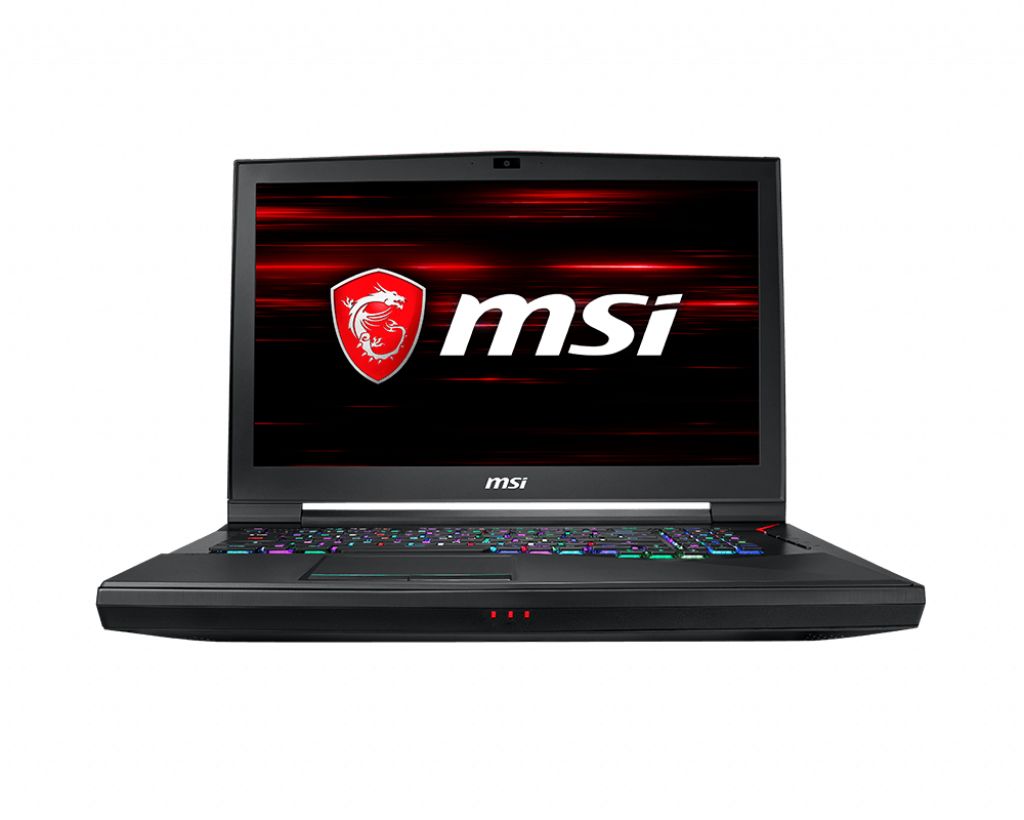
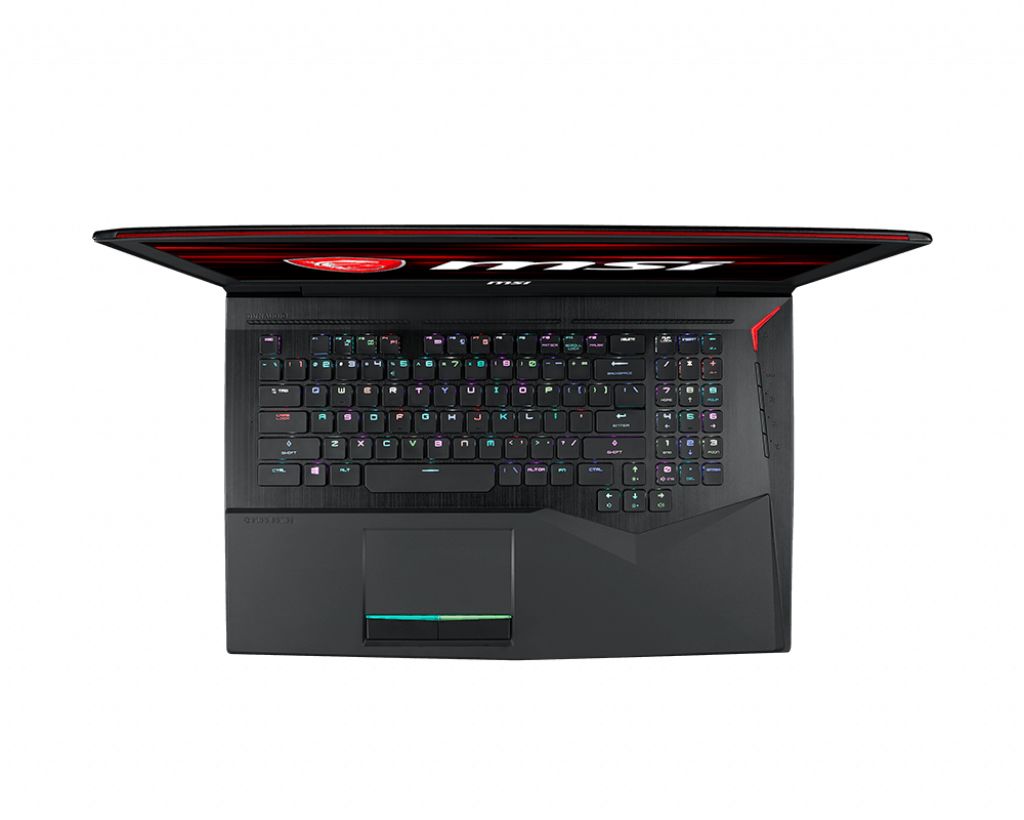
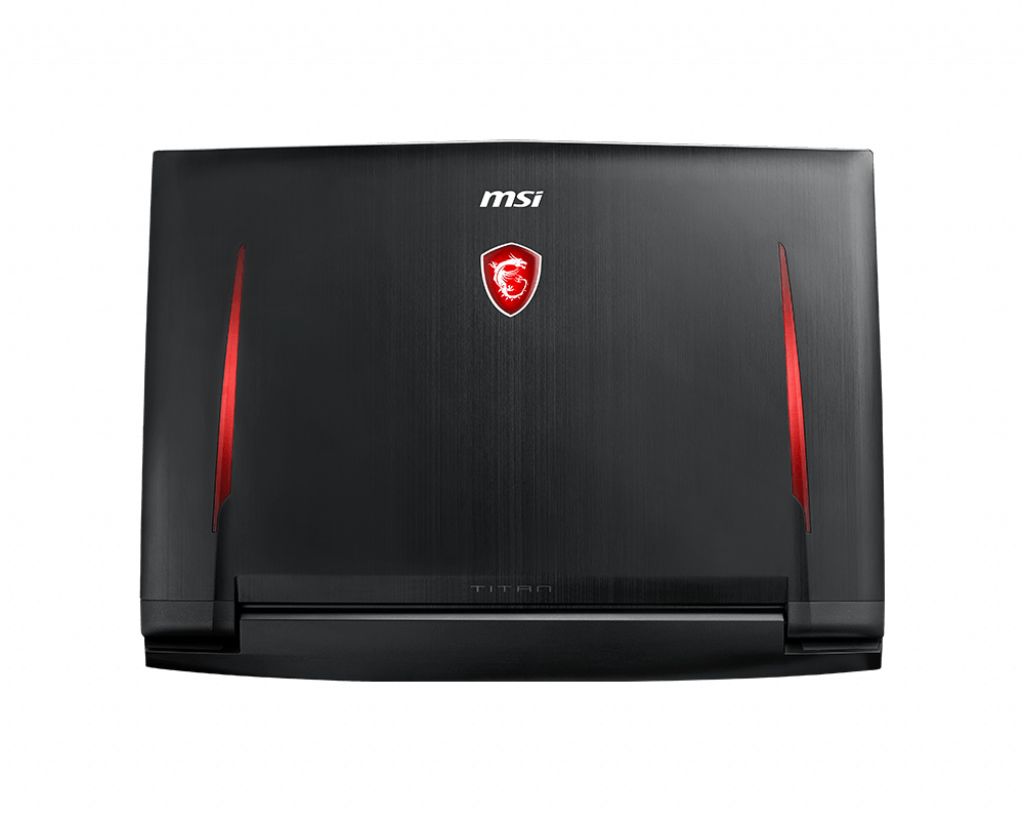
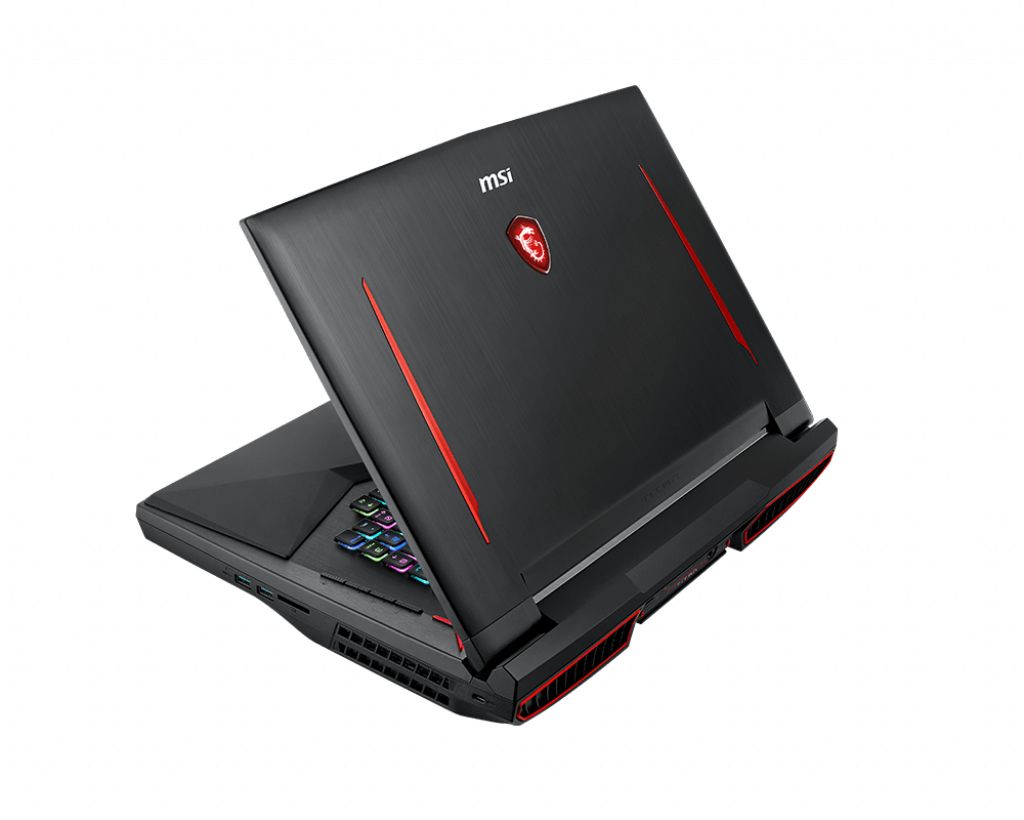
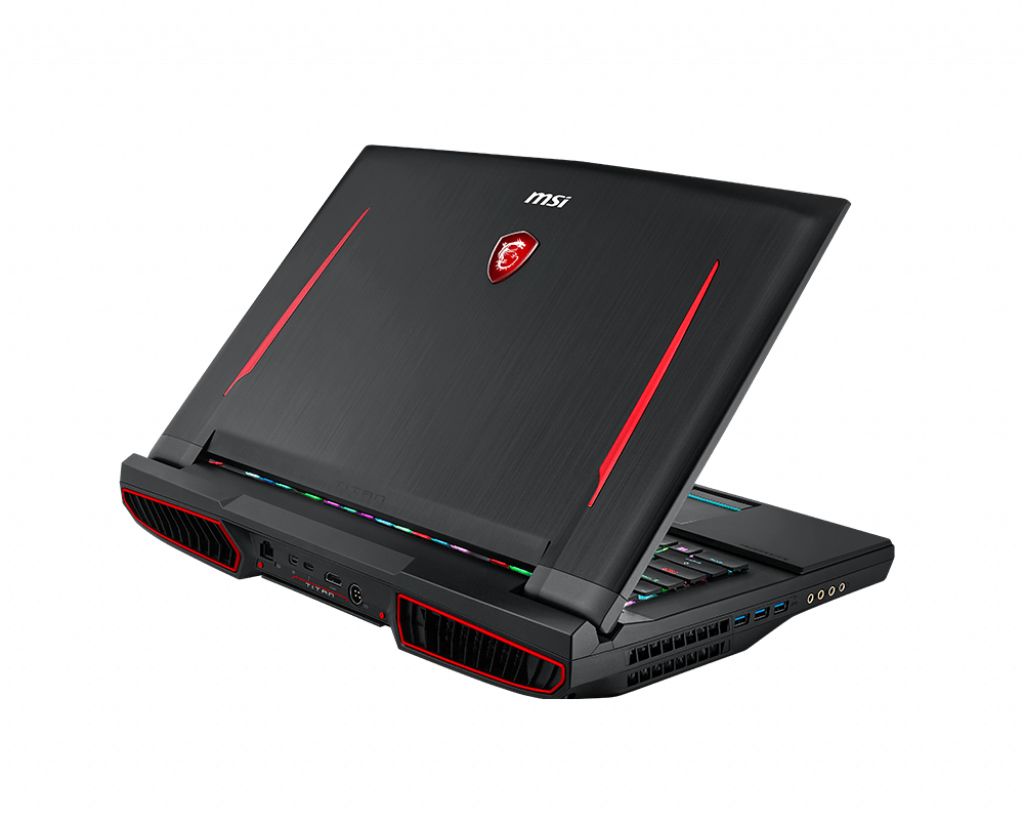
The MSI GT75 9SG-295 Titan gaming laptop supports DDR4-SDRAM memory upgrades through four SO-DIMM slots. Maximum compatible RAM capacity reaches 128 GB total. Memory specifications include DDR4 modules operating at 2666 MHz frequency. The GT series gaming laptop accommodates SO-DIMM form factor memory modules for RAM upgrade configurations. Current memory slots allow for expansion and replacement of existing memory modules to achieve maximum specifications supported by the MSI GT75 9SG-295 Titan platform.
Memory Upgrade Specifications
| Specification | Value |
|---|---|
| Memory slots | 4x SO-DIMM |
| Form factor | SO-DIMM |
| Memory type | DDR4-SDRAM |
| Frequency | 2666 MHz |
| Maximum RAM | 128 GB |
| Voltage | 1.2V |
| Number of pins | 260-pin |
| Interface | PC4 |
| PC Speed Rating | PC4-2666 (PC4-21328) |
| Bandwidth | 21.3 GB/s |
| Laptop Release date | 10 May 2019 |
Additional Notes
- The MSI GT75 9SG-295 Titan supports 4 independent SO-DIMM slots, enabling asymmetrical configurations where mixed capacities can coexist without performance penalties as long as paired slots maintain matching specifications.
- DDR4-2666 MHz frequency represents a constraint tier; modules rated above 2666 MHz will downclock to 2666 MHz automatically, eliminating any performance gain from purchasing premium-speed memory and resulting in wasted expenditure on higher-frequency variants.
- The 128 GB maximum capacity ceiling creates a hard upgrade boundary; configurations exceeding 32 GB per slot are non-compliant and will not initialize regardless of module legitimacy or BIOS updates.
- SO-DIMM form factor requires low-profile memory modules; standard UDIMM desktop-grade RAM is physically incompatible and cannot be force-fitted without permanent damage to retention clips or the motherboard socket.
- Dual-channel architecture on 4 slots distributes across 2 channels, meaning optimal performance configuration involves populating slots symmetrically (either both channels with 2x matched pairs or all 4 slots with identical modules) to avoid single-channel bottleneck conditions on either memory bus.
- Factory-installed RAM typically occupies slots asymmetrically; removing only 1 module from a matched pair creates latency imbalance and can trigger system instability or trigger thermal throttling in sustained workloads due to uneven memory traffic distribution.
- Warranty coverage for RAM upgrades depends on whether modules are installed by authorized technicians; self-installation carries manufacturer's exclusion risk for hardware failure claims unrelated to the upgrade itself.