MSI Gaming GT75 9SG-296 Titan RAM upgrade specifications
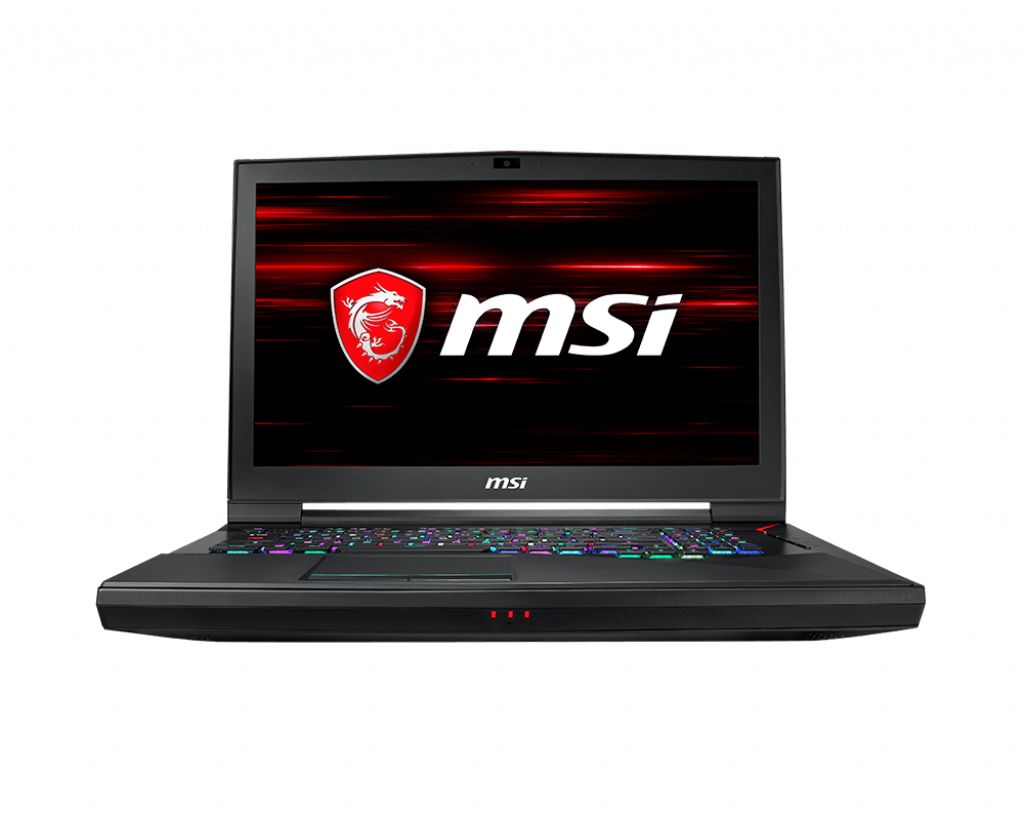
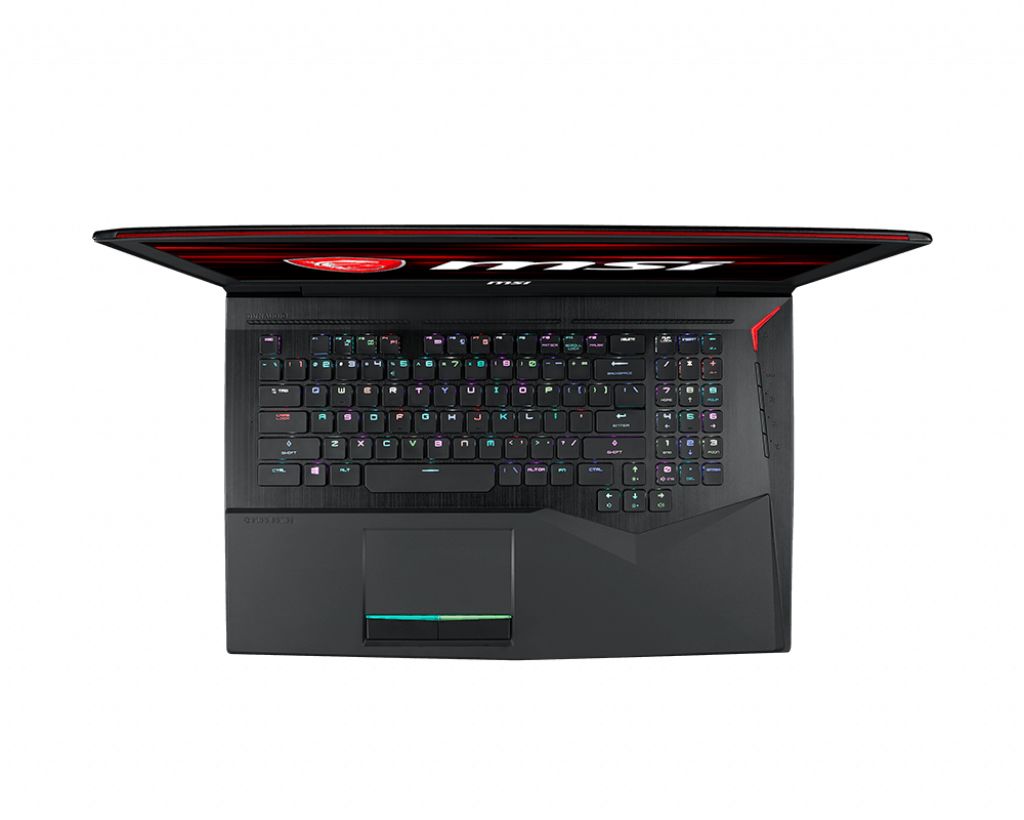
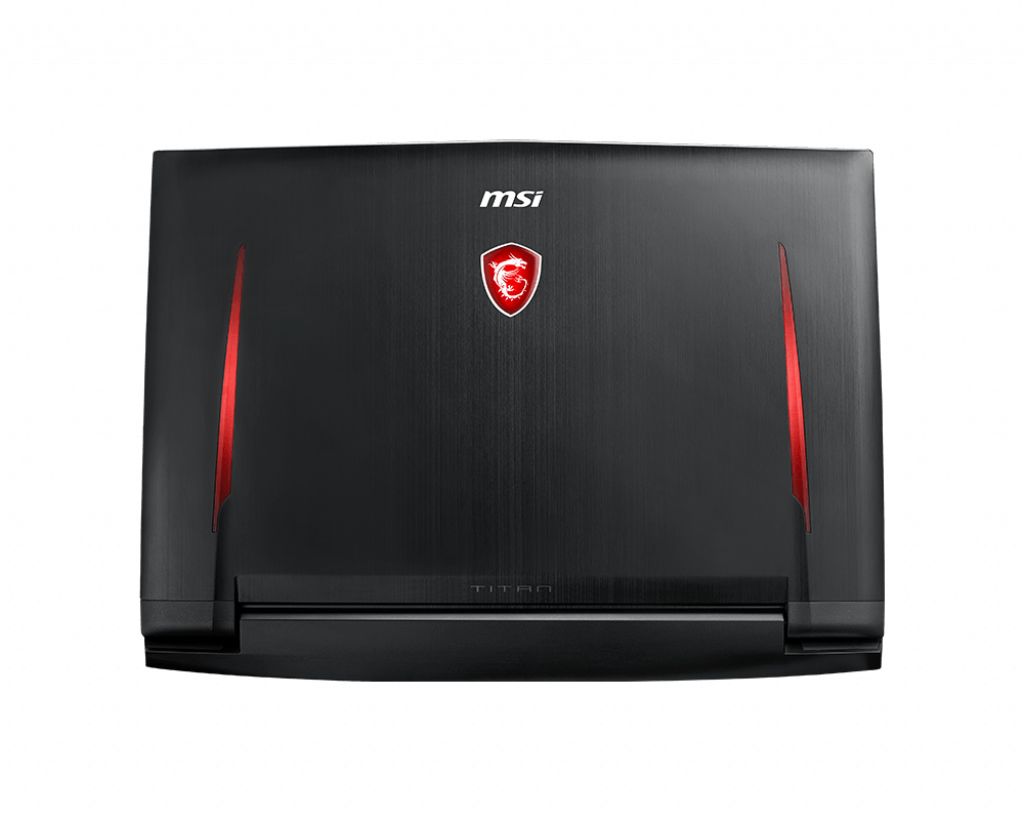
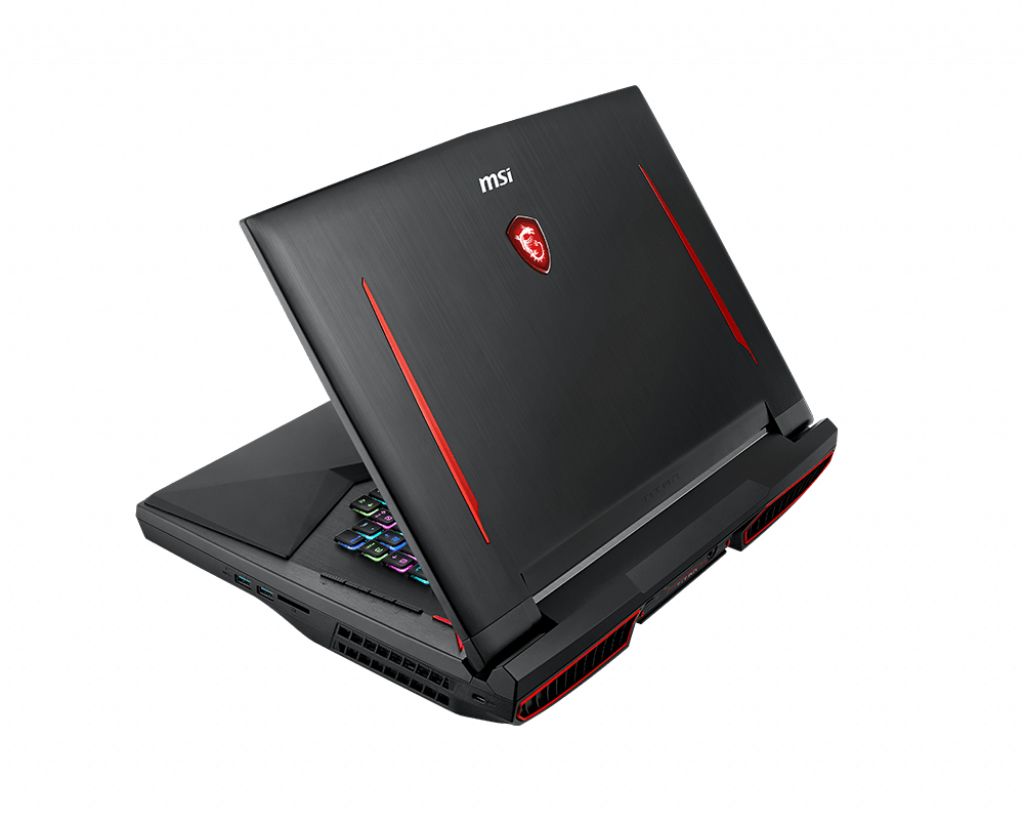
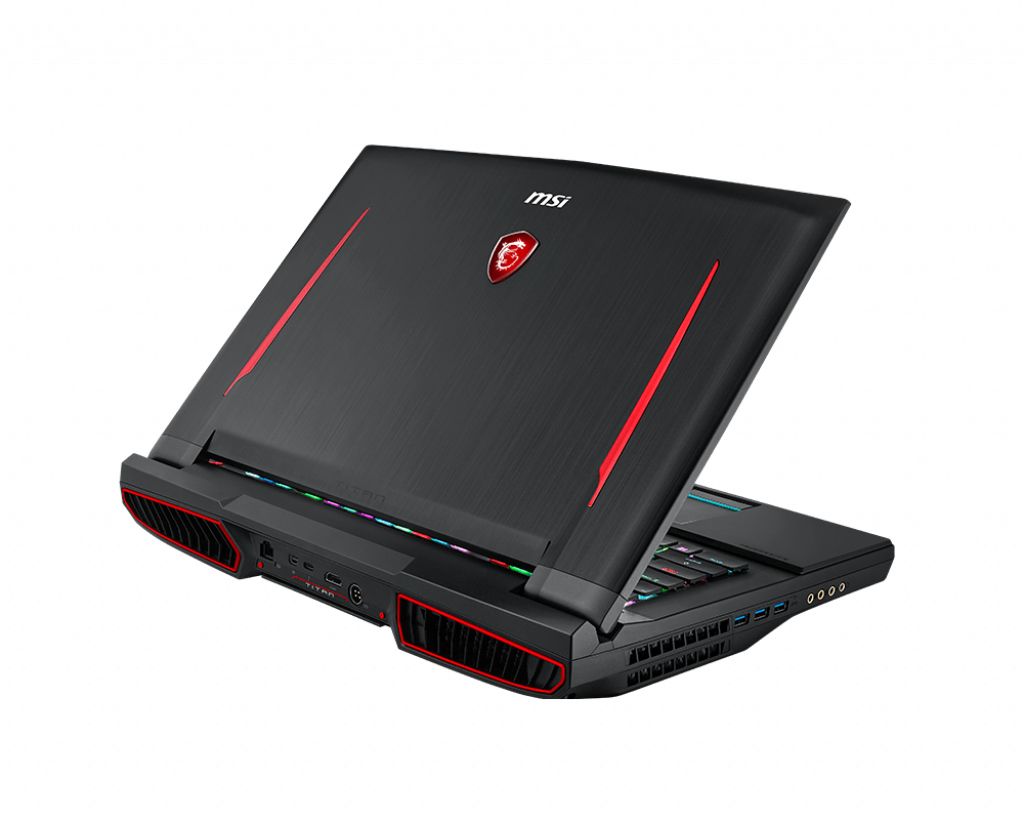
The MSI GT75 9SG-296 Titan gaming laptop features four SO-DIMM memory slots supporting DDR4-SDRAM upgrades. Compatible RAM modules operate at 2400 MHz frequency with maximum capacity reaching 128 GB total. Current specifications accommodate SO-DIMM form factor memory modules. Upgrade configurations allow for flexible RAM expansion within the four available slots to enhance system performance. The GT series Titan model supports DDR4 memory technology for compatible upgrade paths.
Memory Upgrade Specifications
| Specification | Value |
|---|---|
| Memory slots | 4x SO-DIMM |
| Form factor | SO-DIMM |
| Memory type | DDR4-SDRAM |
| Frequency | 2400 MHz |
| Maximum RAM | 128 GB |
| Voltage | 1.2V |
| Number of pins | 260-pin |
| Interface | PC4 |
| PC Speed Rating | PC4-2400 (PC4-19200) |
| Bandwidth | 19.2 GB/s |
| Laptop Release date | 10 May 2019 |
Additional Notes
- The MSI GT75 9SG-296 Titan contains 4 SO-DIMM slots operating at 2400 MHz, which supports DDR4 modules rated for higher frequencies (3200 MHz or above) but will downclock them to the system's native speed, resulting in unutilized bandwidth on premium memory.
- Upgrading to the 128 GB maximum capacity requires installing 32 GB modules per slot, a configuration that depends on dual-rank SO-DIMM availability in the consumer market, as single-rank 32 GB variants remain uncommon for this form factor.
- The 4-slot architecture allows asymmetric configurations during partial upgrades, though mixing module densities (e.g., 16 GB and 32 GB) may impose minor latency penalties if the memory controller enforces conservative timing across mismatched DIMMs.
- SO-DIMM replacement requires internal chassis disassembly beyond standard access panels, constraining upgrade execution to users with technical proficiency or professional service access, potentially voiding coverage if performed outside warranty terms.
- The 2400 MHz base frequency reflects 9th-generation mobile platform constraints and predates the DDR4-3200 standard adoption in newer laptop architectures, establishing a performance ceiling that cannot be overcome through BIOS adjustment on this model generation.