MSI Gaming GT75 9SG-273CA Titan RAM upgrade specifications
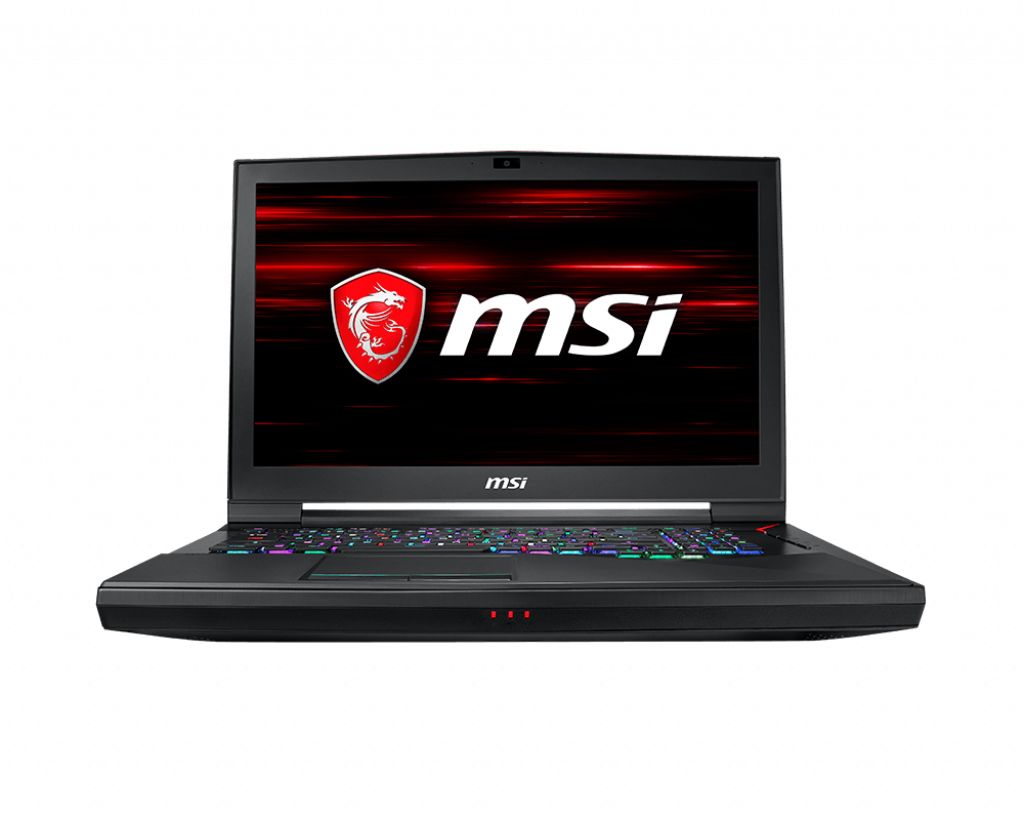
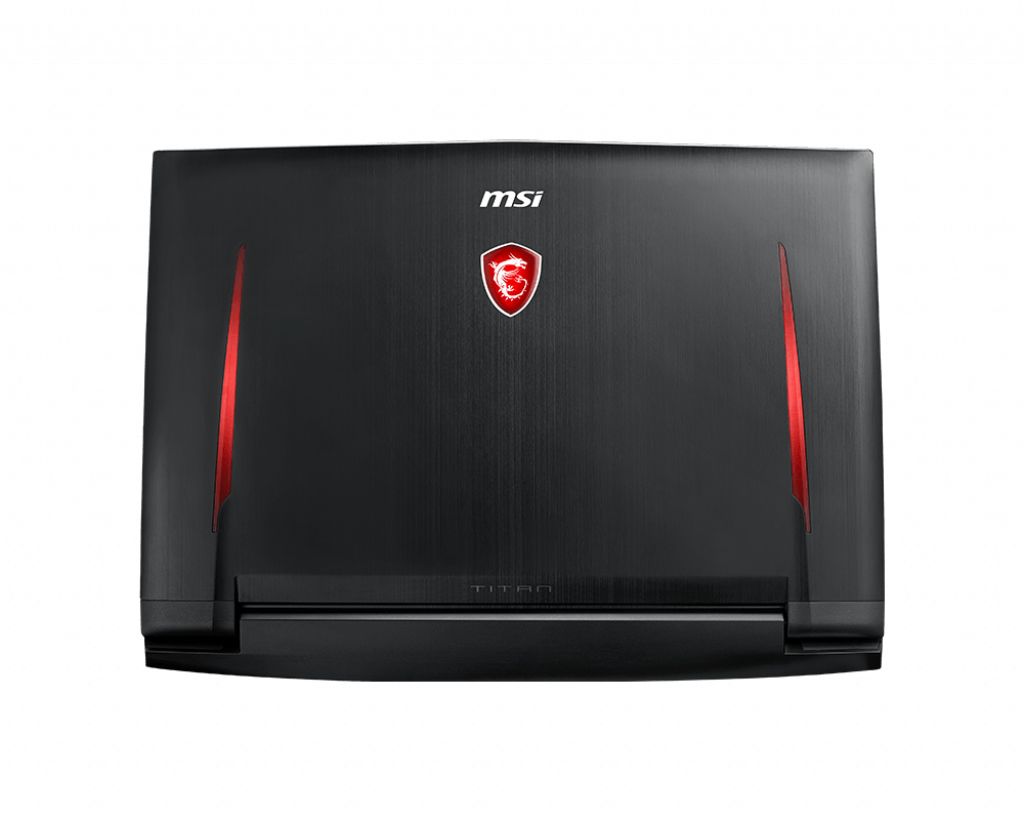
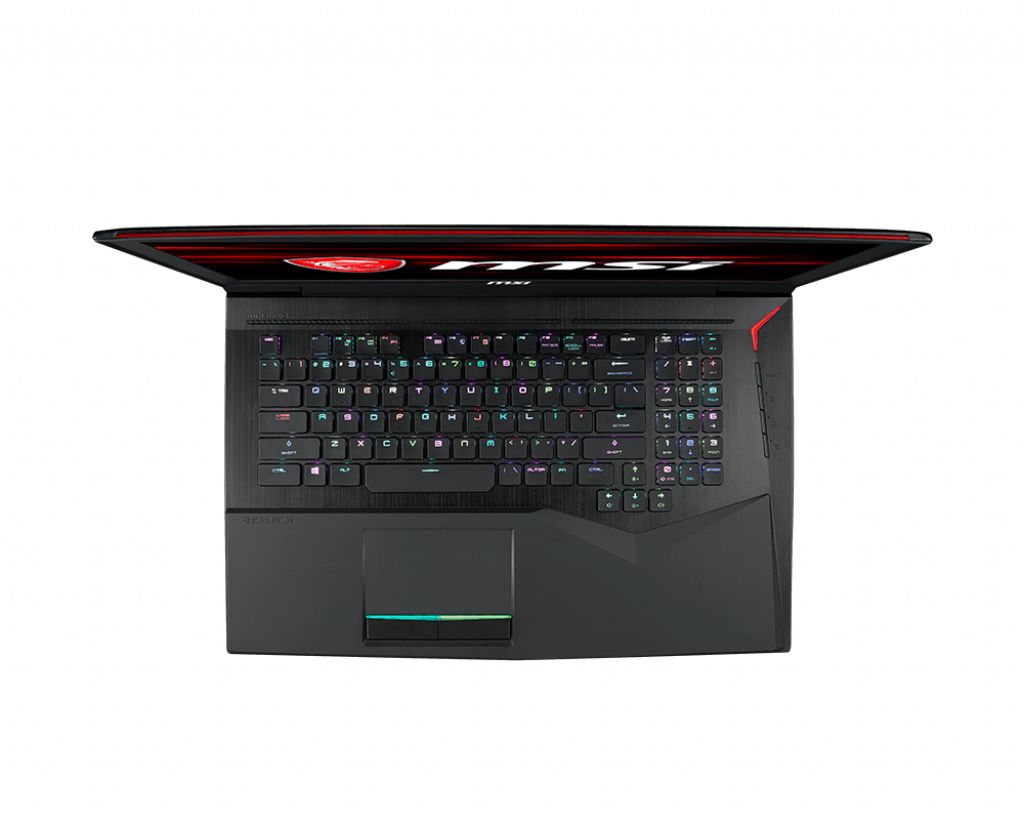
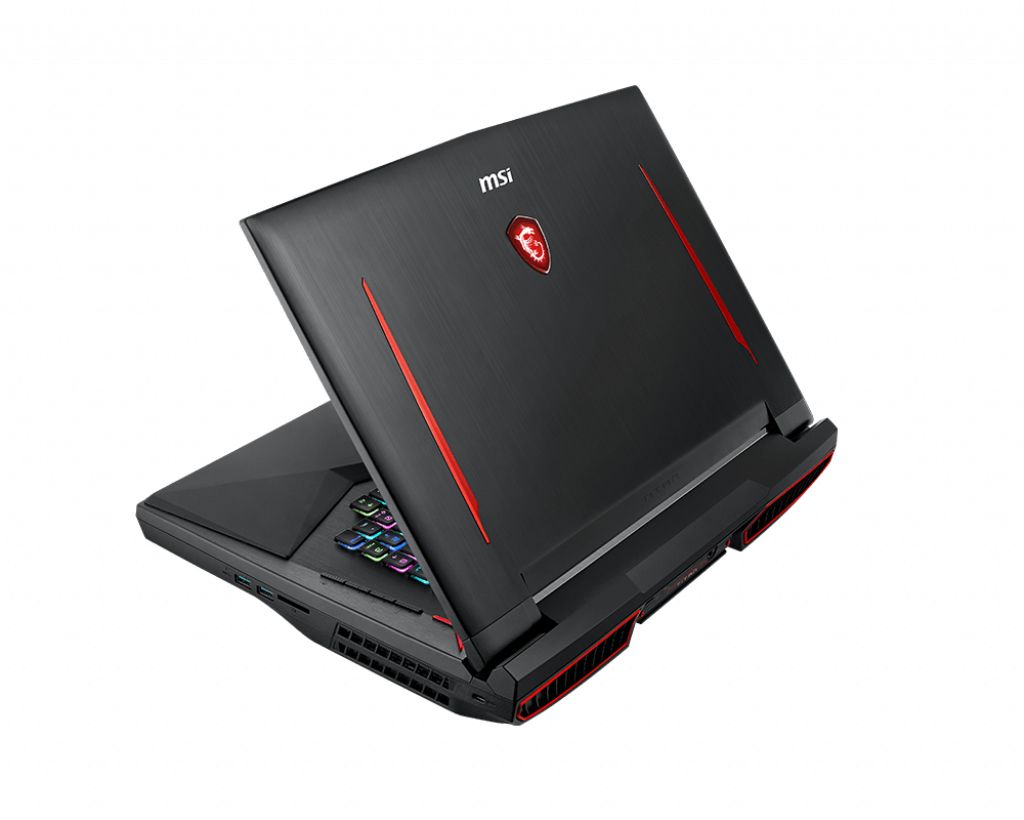
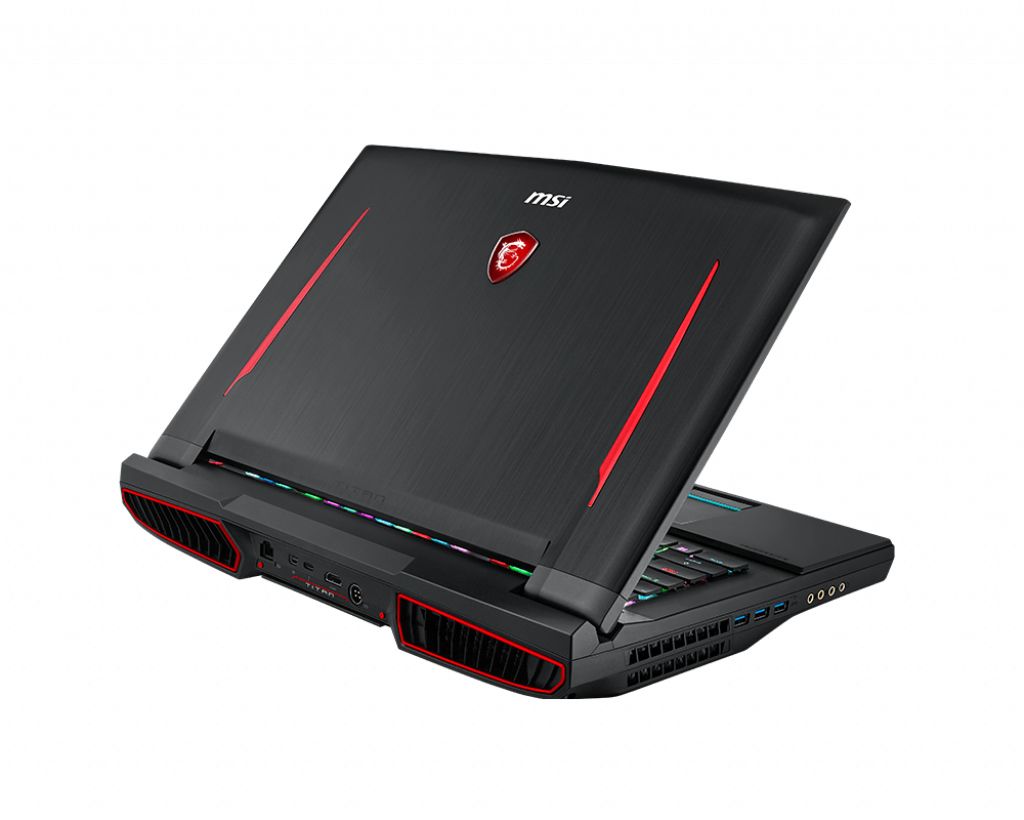
The MSI GT75 9SG-273CA Titan gaming laptop features four SO-DIMM memory slots supporting DDR4-SDRAM upgrades at 2666 MHz frequency. The maximum RAM capacity reaches 128 GB total. Current memory specifications and compatible upgrade options enable users to expand system RAM by replacing or adding DDR4 modules. The GT series Titan model supports standard SO-DIMM form factor memory upgrades to enhance multitasking and performance capabilities. Specifications detail slot configuration and maximum capacity for RAM upgrade planning.
Memory Upgrade Specifications
| Specification | Value |
|---|---|
| Memory slots | 4x SO-DIMM |
| Form factor | SO-DIMM |
| Memory type | DDR4-SDRAM |
| Frequency | 2666 MHz |
| Maximum RAM | 128 GB |
| Voltage | 1.2V |
| Number of pins | 260-pin |
| Interface | PC4 |
| PC Speed Rating | PC4-2666 (PC4-21328) |
| Bandwidth | 21.3 GB/s |
| Laptop Release date | 19 May 2019 |
Additional Notes
- The 4x SO-DIMM slot configuration enables dual-channel memory operation when populated in pairs, but filling all 4 slots simultaneously may require lower-profile modules to clear heatsink or thermal solution obstruction within the confined laptop chassis.
- DDR4-2666 MHz frequency represents a bandwidth ceiling of approximately 42.7 GB/s per channel; gaming workloads on this MSI GT75 9SG-273CA Titan will not benefit from higher-frequency DDR4 modules (3000+ MHz), as the memory controller locks to 2666 MHz JEDEC specification regardless of DIMM rated speed.
- The 128 GB maximum capacity assumes 32 GB SO-DIMM modules, which remain constrained to single-rank configurations; dual-rank variants may trigger compatibility issues or force automatic frequency throttling to 2400 MHz on some BIOS versions.
- SO-DIMM modules generate higher thermal density than full-size UDIMM counterparts; prolonged gaming sessions with 4 slots populated may elevate junction temperatures by 5-8 degrees Celsius if airflow paths are already saturated by discrete GPU exhaust.
- Warranty-safe upgrades require matched pair purchases (identical capacity, speed, brand, and rank configuration) to preserve dual-channel symmetry; mixing single-rank and dual-rank modules in the same channel degrades latency by 10-15% and voids most vendor memory guarantees.
- The 2666 MHz specification predates DDR4-3200 standardization; after-market thermal pads or liquid cooling modifications intended to support faster memory will yield no performance gain unless BIOS microcode is updated to unlock higher JEDEC profiles.