MSI Gaming GT75 8SG-200UK Titan RAM upgrade specifications
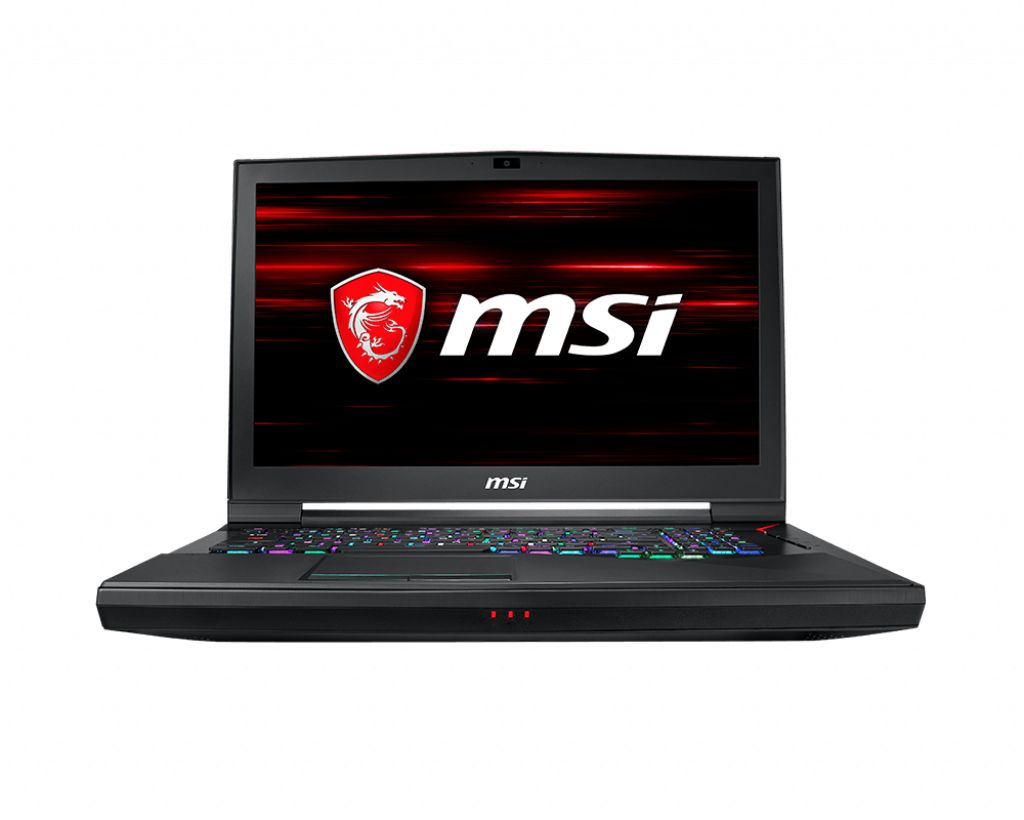
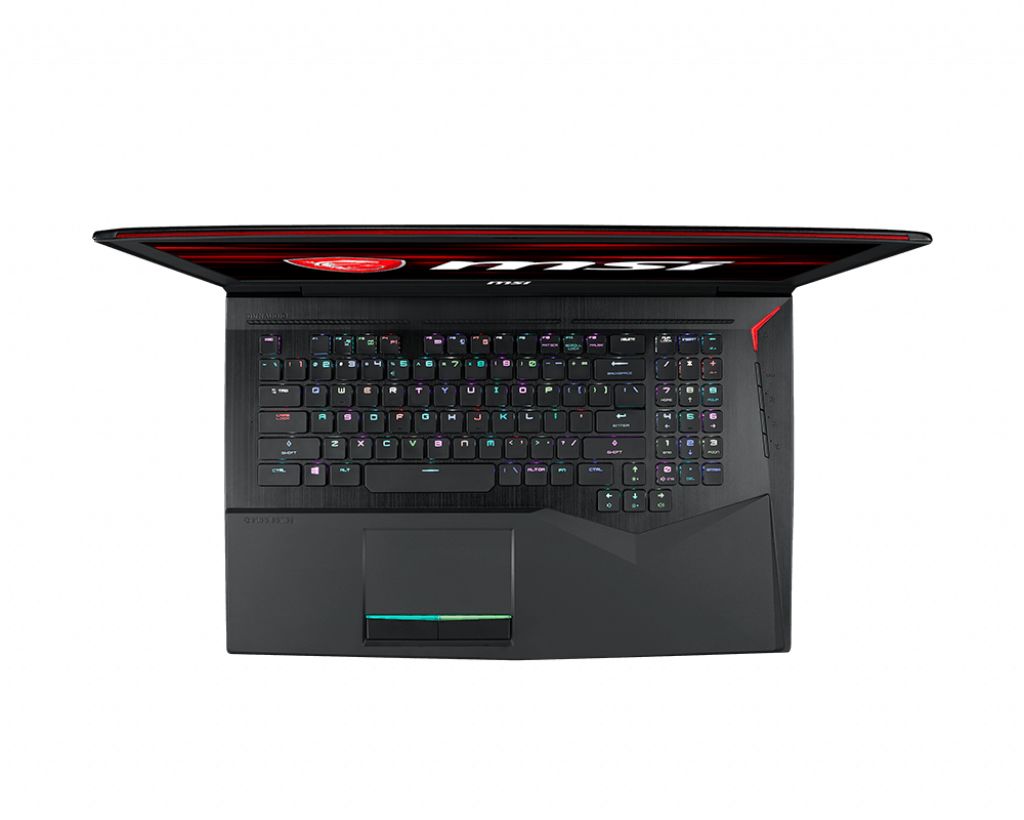
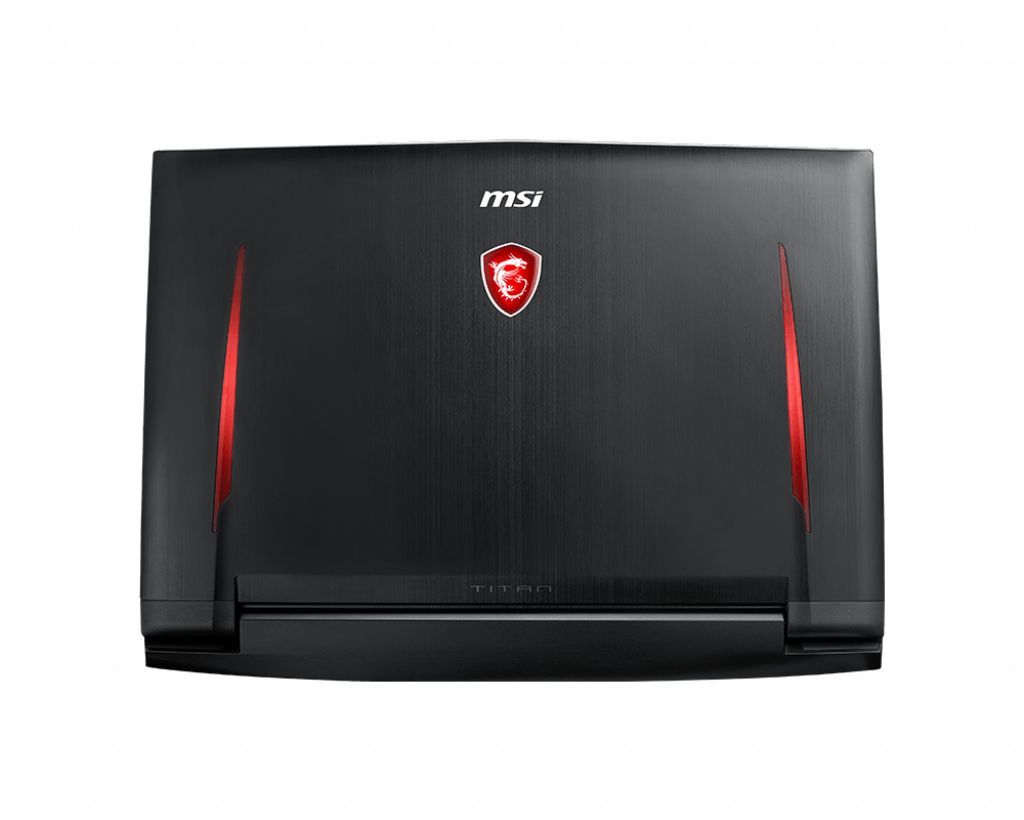

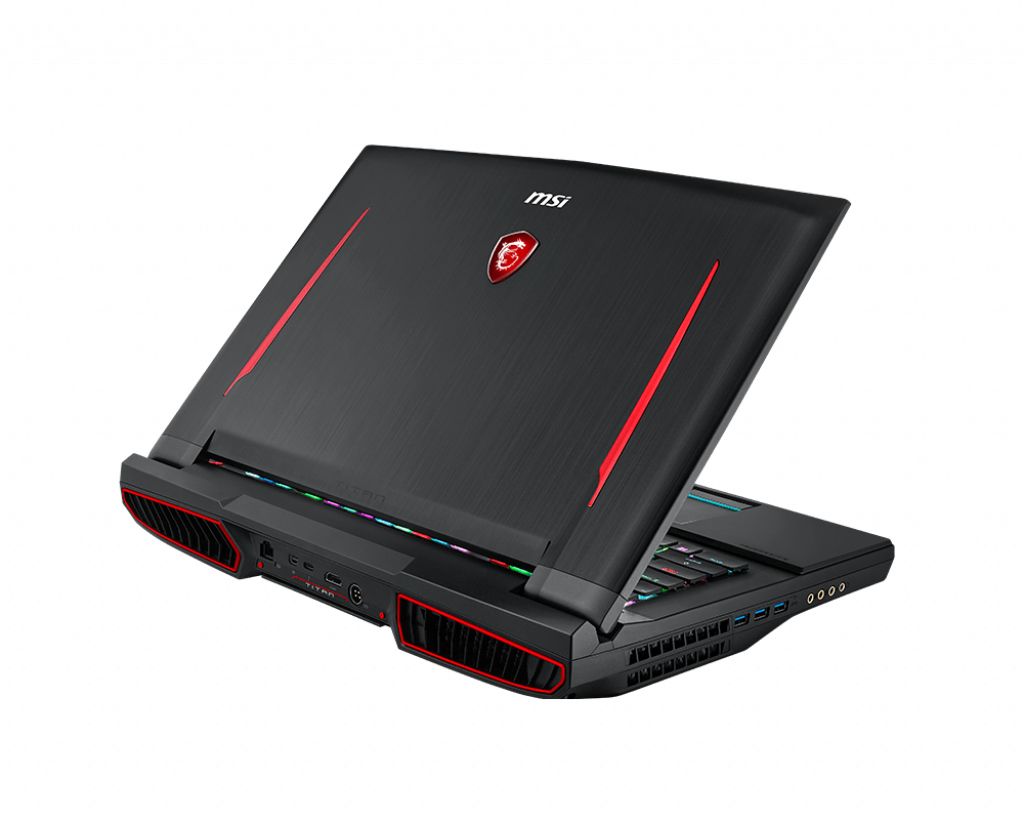
MSI GT75 8SG-200UK Titan gaming laptop supports DDR4-SDRAM memory upgrades across 4x SO-DIMM slots. Compatible RAM specifications include 2666 MHz frequency support with maximum capacity of 128 GB. The upgrade slots accommodate SO-DIMM form factor modules, enabling users to expand the laptop's memory configuration beyond factory specifications. The GT series Titan model specifications allow for flexible memory expansion using DDR4 technology standard for compatible performance.
Memory Upgrade Specifications
| Specification | Value |
|---|---|
| Memory slots | 4x SO-DIMM |
| Form factor | SO-DIMM |
| Memory type | DDR4-SDRAM |
| Frequency | 2666 MHz |
| Maximum RAM | 128 GB |
| Voltage | 1.2V |
| Number of pins | 260-pin |
| Interface | PC4 |
| PC Speed Rating | PC4-2666 (PC4-21328) |
| Bandwidth | 21.3 GB/s |
| Laptop Release date | 05 May 2019 |
Additional Notes
- The MSI GT75 8SG-200UK Titan accepts standard 260-pin SO-DIMM modules rather than desktop-sized components, limiting availability to laptop-specific memory configurations.
- The 2666 MHz specification indicates operation under JEDEC standards, though higher-rated modules will downclock to match this ceiling regardless of their advertised speeds.
- Four physical slots permit flexible upgrade strategies, allowing retention of existing modules while adding capacity incrementally without forced replacement of functional memory.
- The 128 GB maximum translates to 32 GB modules per slot, requiring careful verification of module density support before purchasing quad-rank or high-density configurations.
- DDR4 voltage tolerance typically ranges between 1.2V and 1.35V, but exceeding the manufacturer's validated specifications may trigger thermal throttling in confined laptop chassis designs.
- Dual-channel architecture requires matched pairs in specific slot combinations to achieve optimal bandwidth, with mismatched configurations defaulting to single-channel mode and reduced memory throughput.
- Access to memory slots on this platform typically necessitates complete bottom panel removal, exposing warranty seals that may void coverage if disturbed during user installation.
- Non-ECC unbuffered modules represent the only compatible topology, as registered or error-correcting memory types will fail POST diagnostics on consumer mobile platforms.
- Mixing modules with different timings forces all installed memory to operate at the slowest common denominator, potentially degrading performance below the 2666 MHz baseline.
- The SO-DIMM form factor imposes height restrictions of approximately 30mm, preventing installation of modules with oversized heat spreaders or non-standard component placement.