MSI Gaming GT76 9SG-021 Titan RAM upgrade specifications
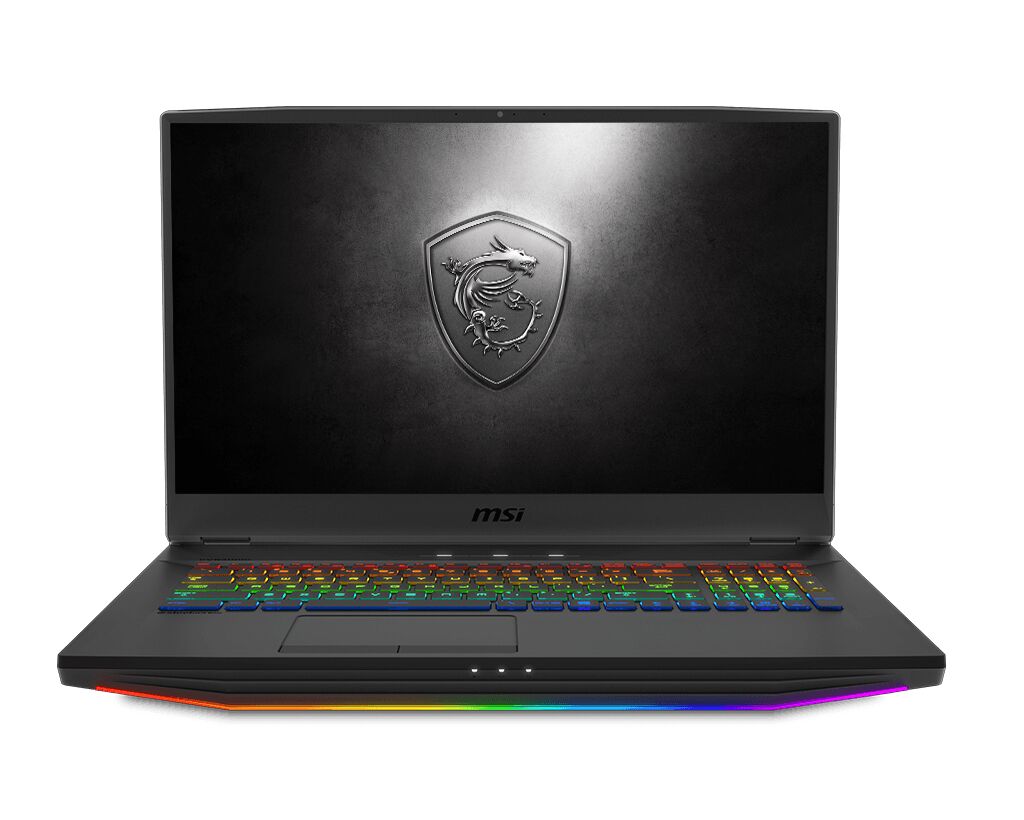
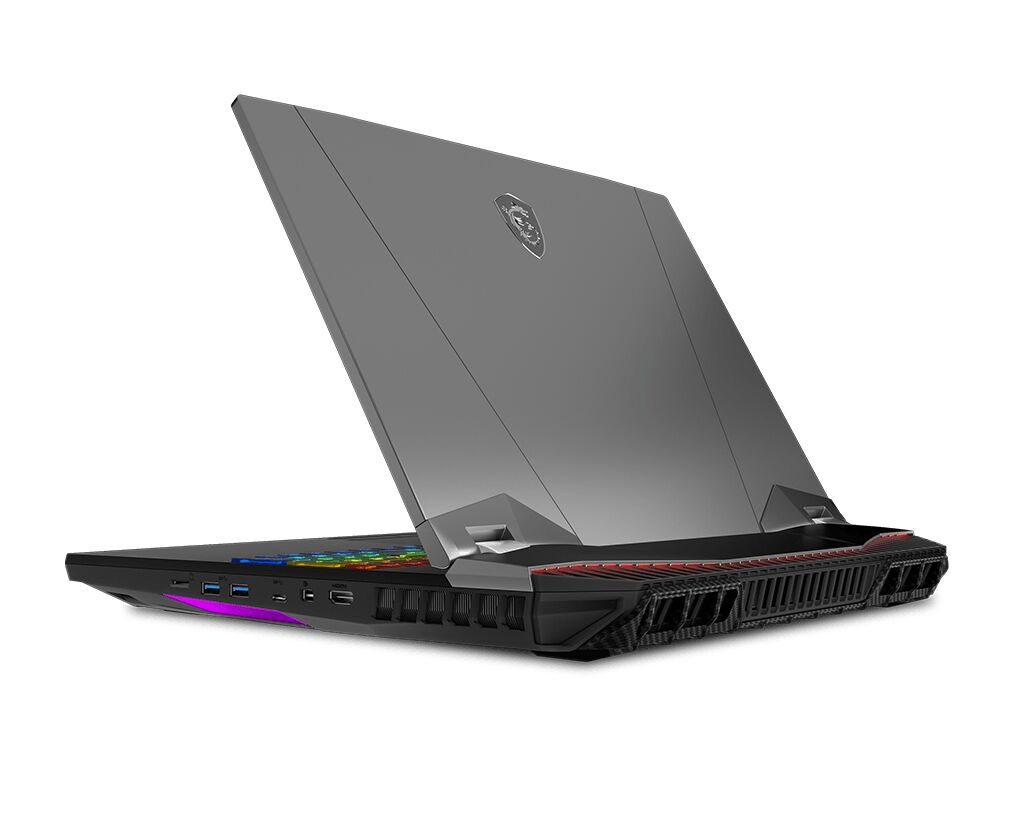
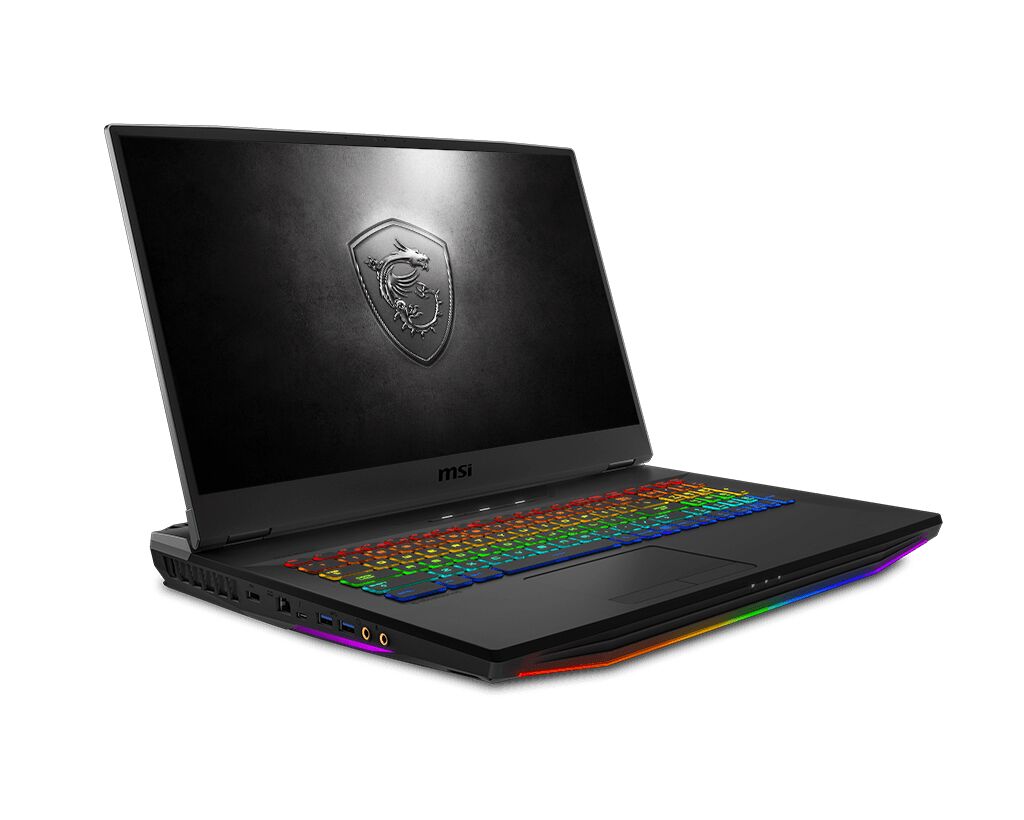
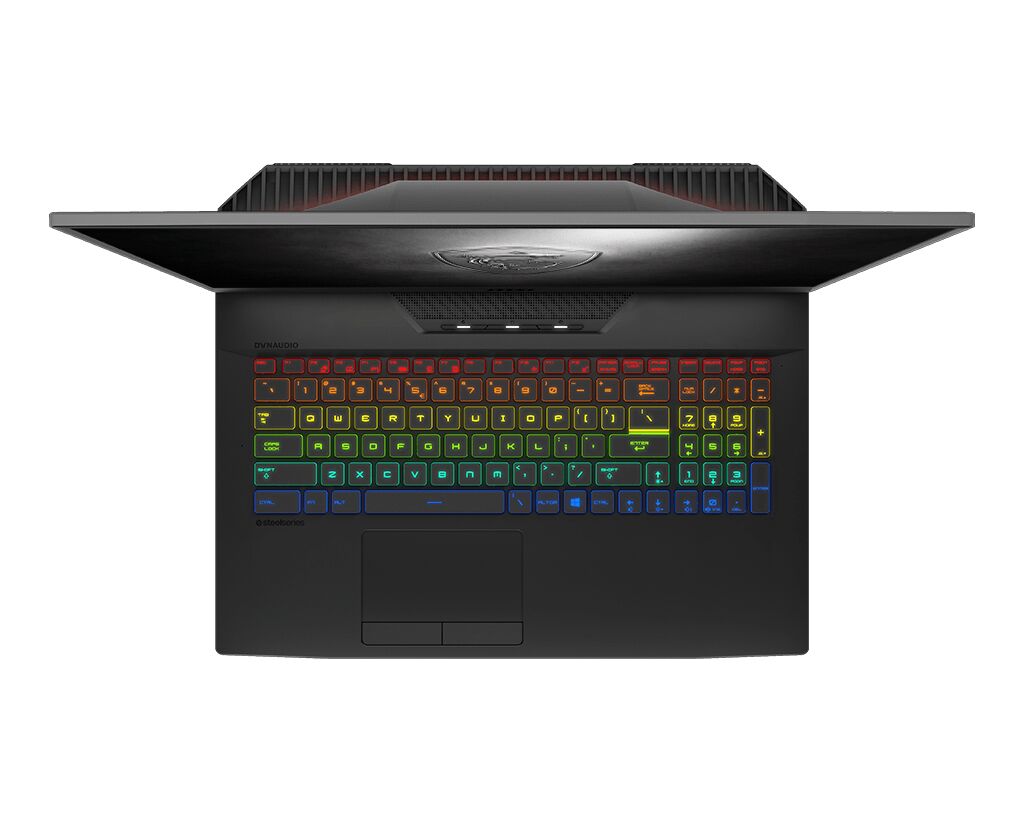
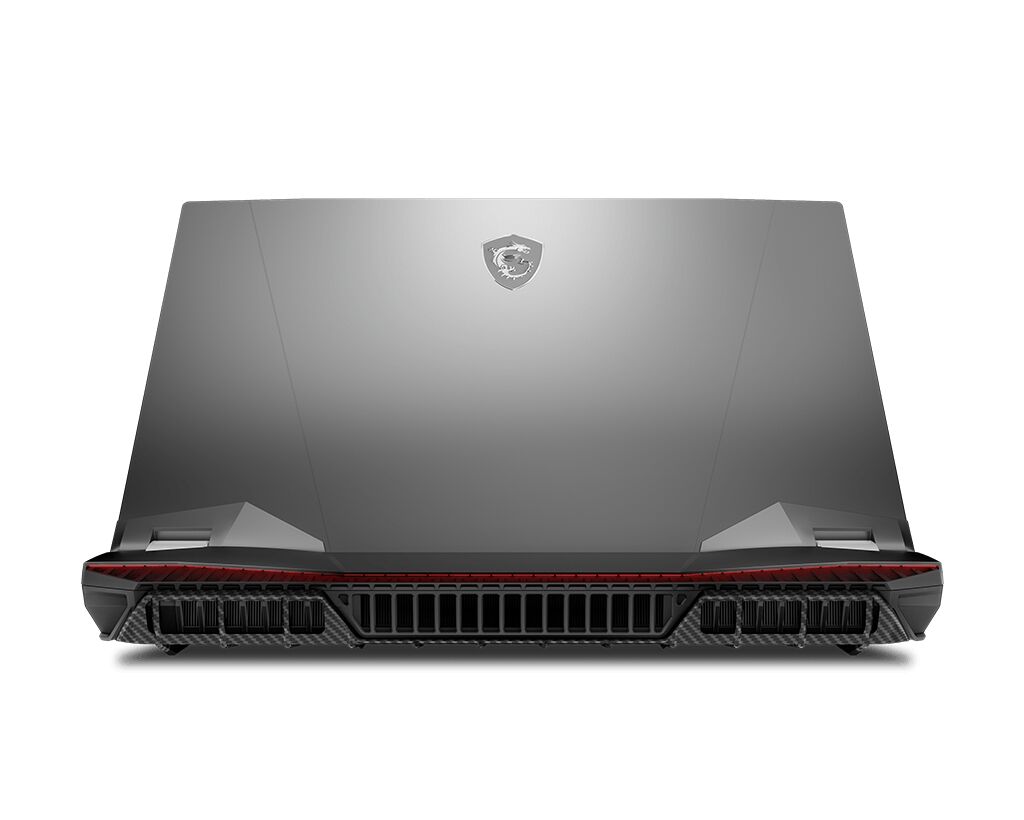
The MSI GT76 9SG-021 Titan gaming laptop features four SO-DIMM slots supporting DDR4-SDRAM memory upgrades. Compatible RAM specifications include DDR4 operating at 2666 MHz frequency. Maximum memory capacity reaches 128 GB total when all slots are populated with compatible modules. Current upgrade specifications accommodate SO-DIMM form factor modules, enabling users to expand memory beyond factory-installed configurations. The GT series Titan model supports memory expansion for enhanced multitasking and performance capabilities in gaming and professional applications.
Memory Upgrade Specifications
| Specification | Value |
|---|---|
| Memory slots | 4x SO-DIMM |
| Form factor | SO-DIMM |
| Memory type | DDR4-SDRAM |
| Frequency | 2666 MHz |
| Maximum RAM | 128 GB |
| Voltage | 1.2V |
| Number of pins | 260-pin |
| Interface | PC4 |
| PC Speed Rating | PC4-2666 (PC4-21328) |
| Bandwidth | 21.3 GB/s |
| Laptop Release date | 29 June 2020 |
Additional Notes
- The MSI GT76 9SG-021 Titan contains 4 SO-DIMM slots operating at 2666 MHz, which aligns with 9th-generation Intel platform specifications and predates the DDR4-3200 standard that became prevalent in subsequent generations, creating a performance ceiling for memory bandwidth.
- Dual-channel architecture across 4 slots means memory must be installed in matching pairs to maintain optimal 64-bit bandwidth utilization; single or mismatched DIMM configurations result in reduced throughput to the CPU and integrated graphics.
- The 128 GB maximum capacity threshold represents a practical limit imposed by BIOS configuration and memory controller design rather than physical slot count, requiring validation of SODIMM module density (32 GB modules) against manufacturer QVL lists before purchase.
- SO-DIMM form factor restricts upgrade options to laptop-grade modules; desktop DDR4 UDIMM components are physically incompatible and cannot be forced into the connectors without risking permanent socket damage.
- The 2666 MHz specification creates a latency penalty compared to 3000+ MHz configurations available in competing platforms; CPU-bound gaming workloads and memory-intensive applications may experience measurable frame rate reductions or extended processing times.
- Warranty coverage typically remains valid only when replacement modules carry identical timing specifications and manufacturer compatibility; mixing brands or non-QVL-listed modules may void support claims despite technical compatibility.
- Thermal dissipation within the laptop chassis limits practical upgrade headroom; higher-capacity DIMMs generate additional heat during sustained memory access patterns, potentially triggering thermal throttling in adjacent components.