MSI Gaming GT76 9SG-010UK Titan RAM upgrade specifications
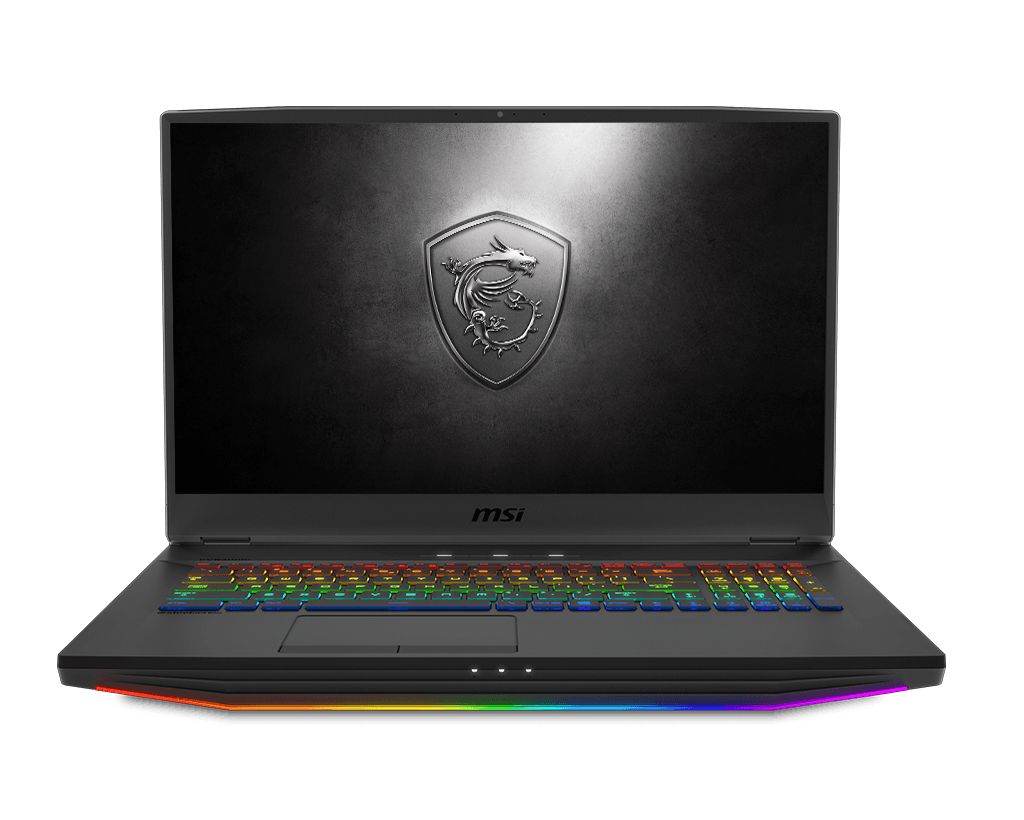
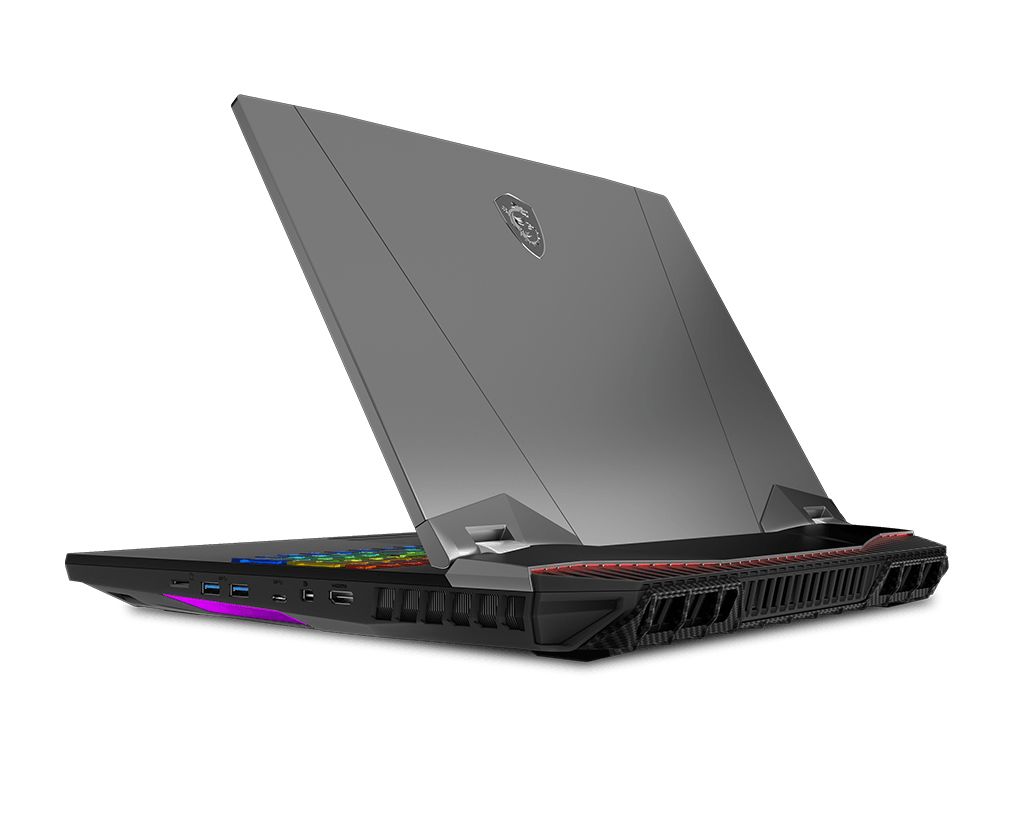
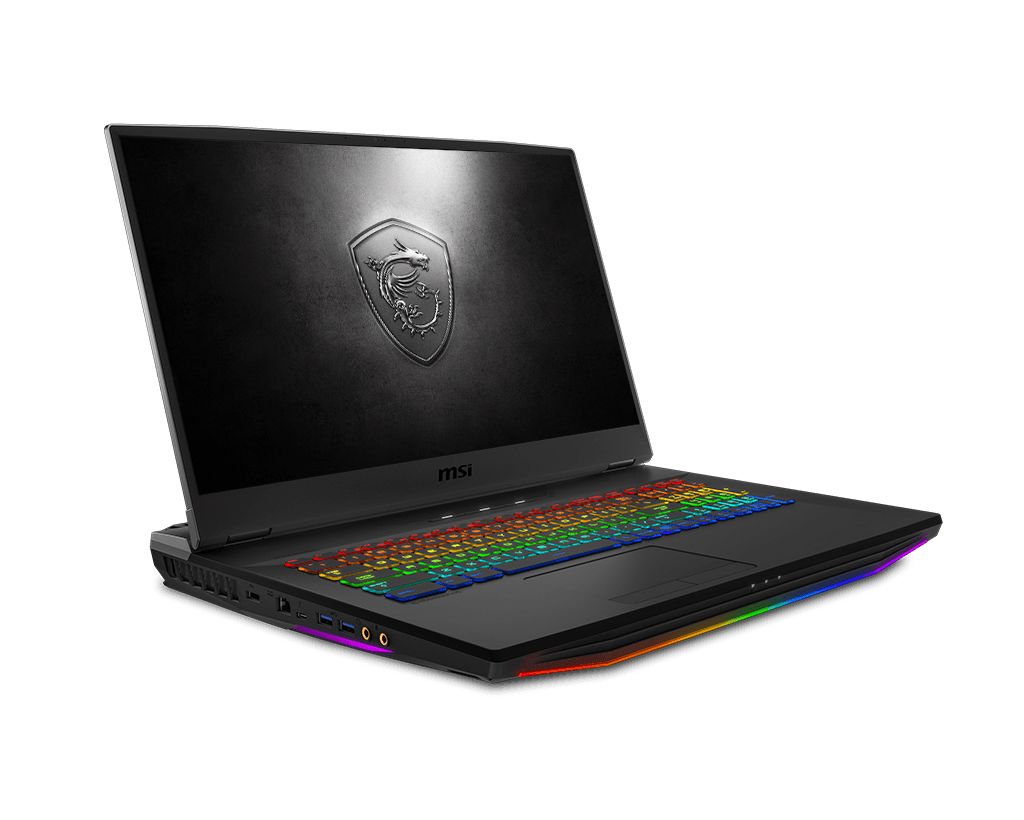
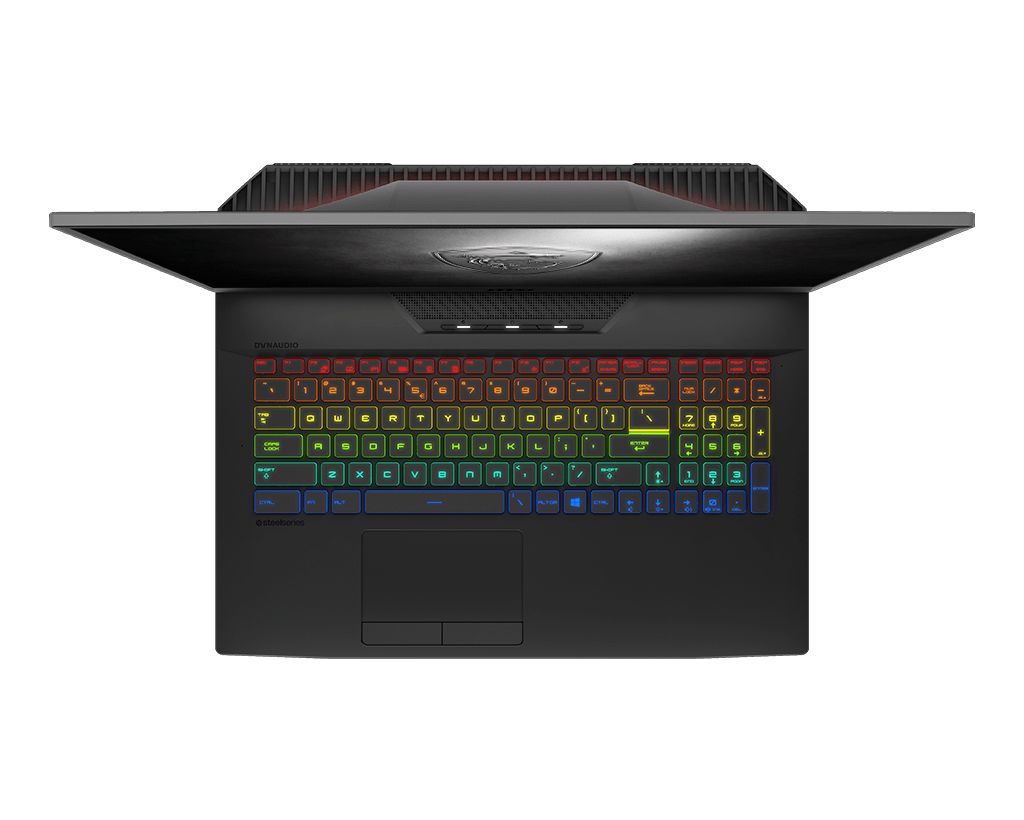
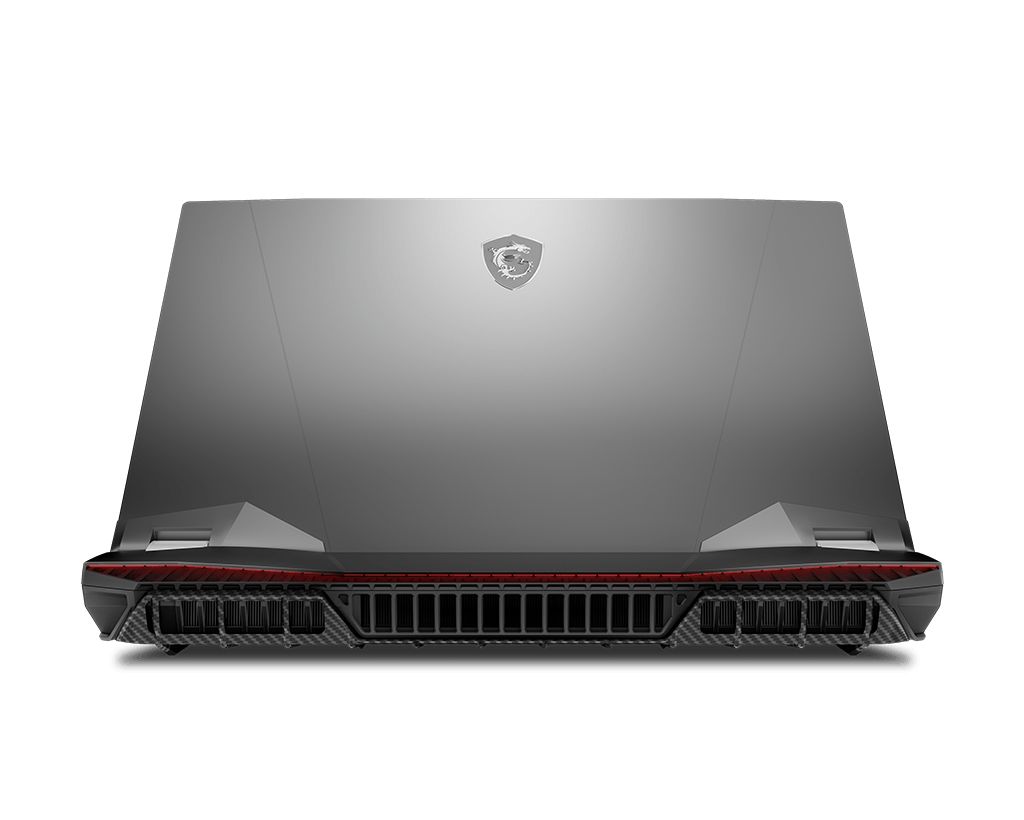
The MSI GT76 9SG-010UK Titan gaming laptop features DDR4-SDRAM memory upgrade capabilities. The system contains 4x SO-DIMM slots for memory expansion, supporting a maximum RAM capacity of 128 GB. Compatible memory modules operate at 2666 MHz frequency. Specifications indicate the upgrade slots accommodate SO-DIMM form factor modules. The GT76 Titan series supports memory upgrades to enhance multitasking performance and system responsiveness. Maximum memory configuration of 128 GB provides substantial capacity for demanding applications and gaming workloads.
Memory Upgrade Specifications
| Specification | Value |
|---|---|
| Memory slots | 4x SO-DIMM |
| Form factor | SO-DIMM |
| Memory type | DDR4-SDRAM |
| Frequency | 2666 MHz |
| Maximum RAM | 128 GB |
| Voltage | 1.2V |
| Number of pins | 260-pin |
| Interface | PC4 |
| PC Speed Rating | PC4-2666 (PC4-21328) |
| Bandwidth | 21.3 GB/s |
| Laptop Release date | 13 July 2019 |
Additional Notes
- The presence of 4 SO-DIMM slots in the MSI GT76 9SG-010UK Titan necessitates checking for dual-sided motherboard access as 2 slots are typically situated behind the keyboard while the remaining 2 reside under the bottom panel.
- Populating all 4 memory banks enables quad-channel memory interleaving which provides higher total bandwidth for memory-intensive rendering and simulation tasks compared to standard dual-channel configurations.
- Mixing modules with different timings or ranks across the 4 slots forces the memory controller to default to the slowest common denominator potentially increasing latency and reducing throughput.
- Reaching the 128 GB threshold requires the use of high-density 32 GB modules which must be matched in terms of voltage to ensure system stability under heavy thermal loads.
- The 2666 MHz clock speed acts as a hard limit for plug-and-play scenarios meaning higher rated modules will automatically downclock to match the integrated memory controller specifications.
- Upgrading memory requires careful handling of internal connectivity ribbons because accessing the primary slots often involves a partial disassembly of the chassis cooling shroud.
- Single-rank and dual-rank modules should not be mixed across the same channel to avoid boot failures or intermittent memory training errors during the power-on self-test.