MSI Gaming GT76 9SF-066UK Titan DT RAM upgrade specifications
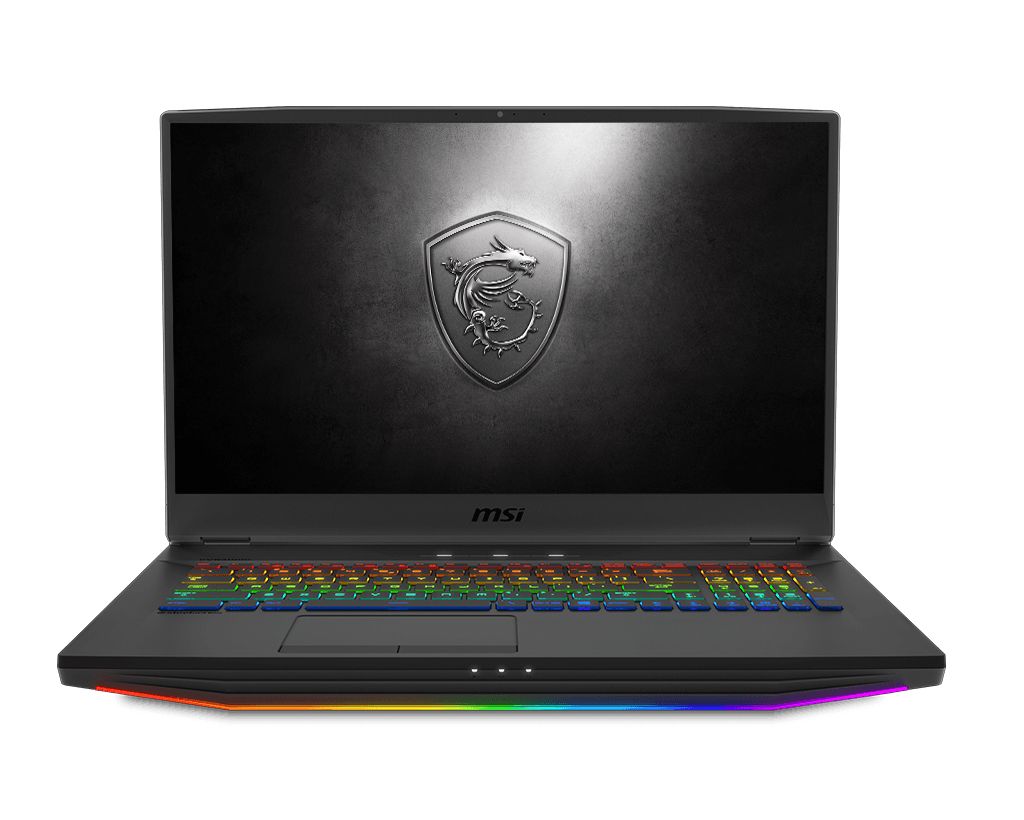
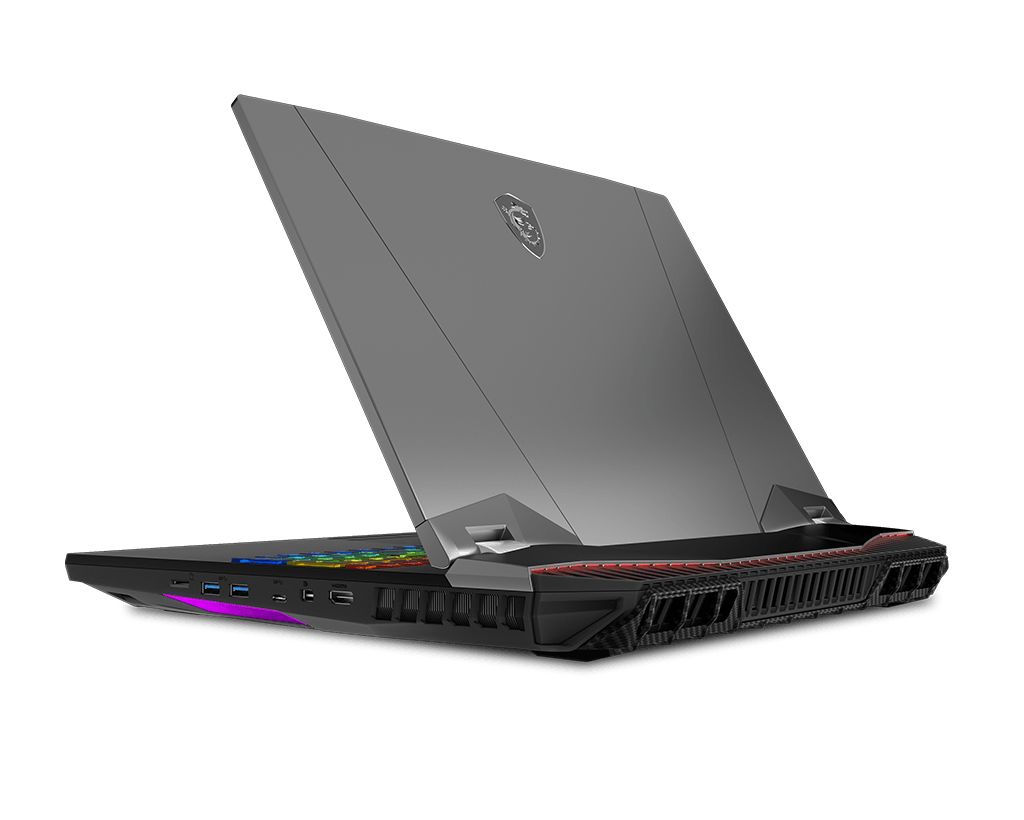
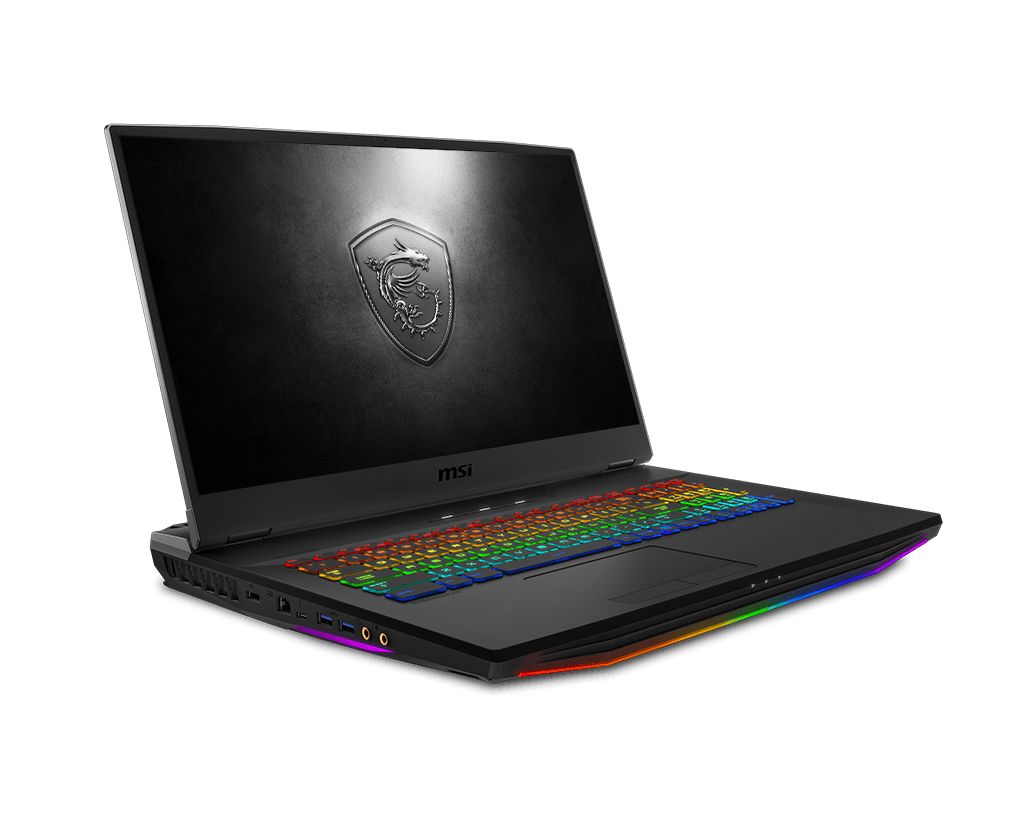
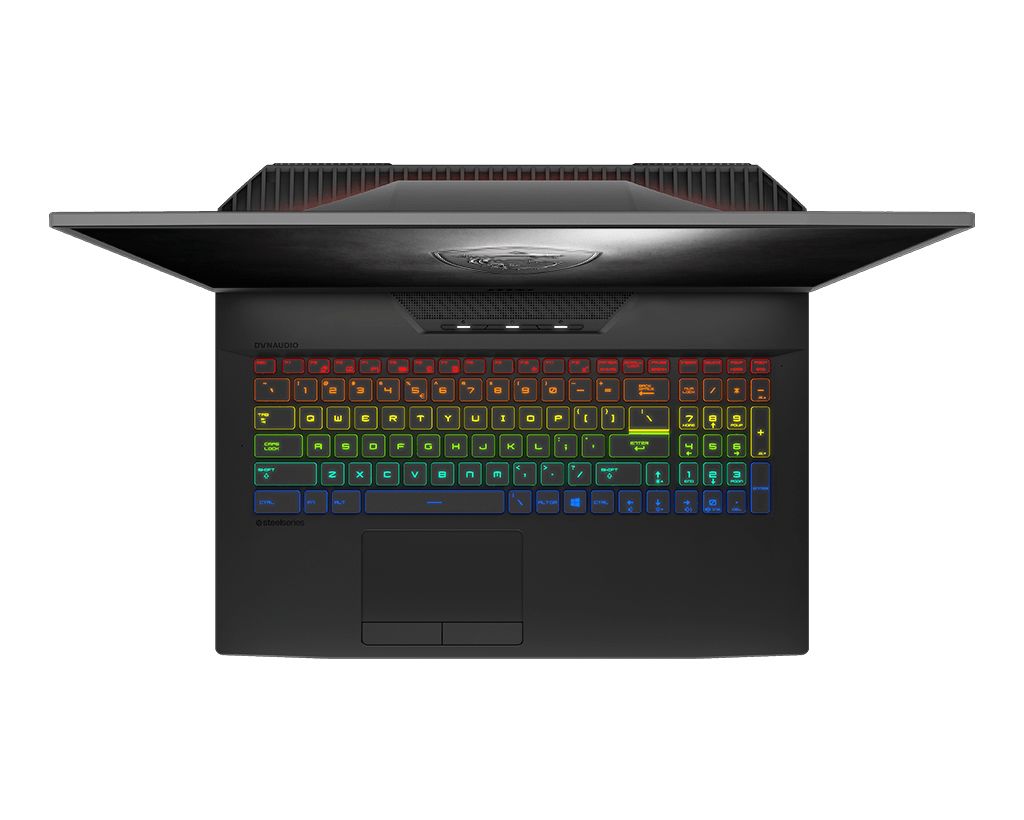
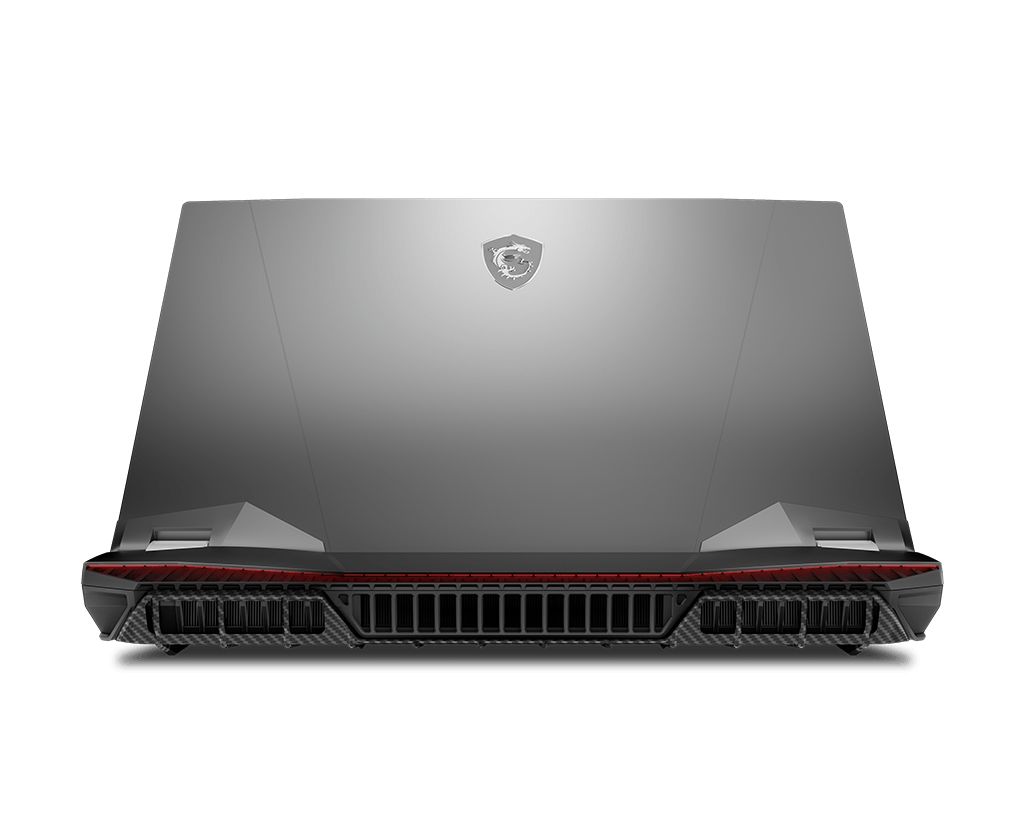
MSI GT76 9SF-066UK Titan DT gaming laptop compatible with DDR4-SDRAM memory upgrades. Specifications include 4x SO-DIMM slots supporting maximum RAM capacity of 128 GB. Memory operates at 2666 MHz frequency. Compatible upgrades utilize SO-DIMM form factor modules. Existing configuration and upgrade options available for enhanced performance specifications on this gaming series model.
Memory Upgrade Specifications
| Specification | Value |
|---|---|
| Memory slots | 4x SO-DIMM |
| Form factor | SO-DIMM |
| Memory type | DDR4-SDRAM |
| Frequency | 2666 MHz |
| Maximum RAM | 128 GB |
| Voltage | 1.2V |
| Number of pins | 260-pin |
| Interface | PC4 |
| PC Speed Rating | PC4-2666 (PC4-21328) |
| Bandwidth | 21.3 GB/s |
| Laptop Release date | 10 July 2019 |
Additional Notes
- The presence of 4 SO-DIMM slots implies a dual-channel architecture where memory modules must be installed in matched pairs across specific banks to maintain optimal memory bandwidth.
- The MSI GT76 9SF-066UK Titan DT utilizes a mobile workstation chassis design that often requires removing the keyboard or secondary internal shields to access the primary two memory slots located on the opposite side of the motherboard.
- Achieving the maximum 128 GB capacity necessitates the use of high-density 32 GB modules in every slot, which increases the thermal load on the internal cooling system due to the higher electrical density.
- Operating at a 2666 MHz frequency suggests that installing higher-rated modules will result in a hardware-level downclock to match the system bus speed unless the BIOS supports XMP profiles for overclocking.
- Mixing modules with different timings or ranks across the 4 slots can lead to stability issues or force the system into a lower-performing single-channel mode.
- The power delivery system must account for the additional wattage required by 4 active memory modules, which can slightly reduce battery runtime during memory-intensive tasks.
- Populating all 4 slots provides significant advantages for virtualization and heavy rendering workloads by expanding the available pool for high-resolution assets and virtual machine allocation.