MSI Gaming GT76 9SF-017FR Titan DT RAM upgrade specifications



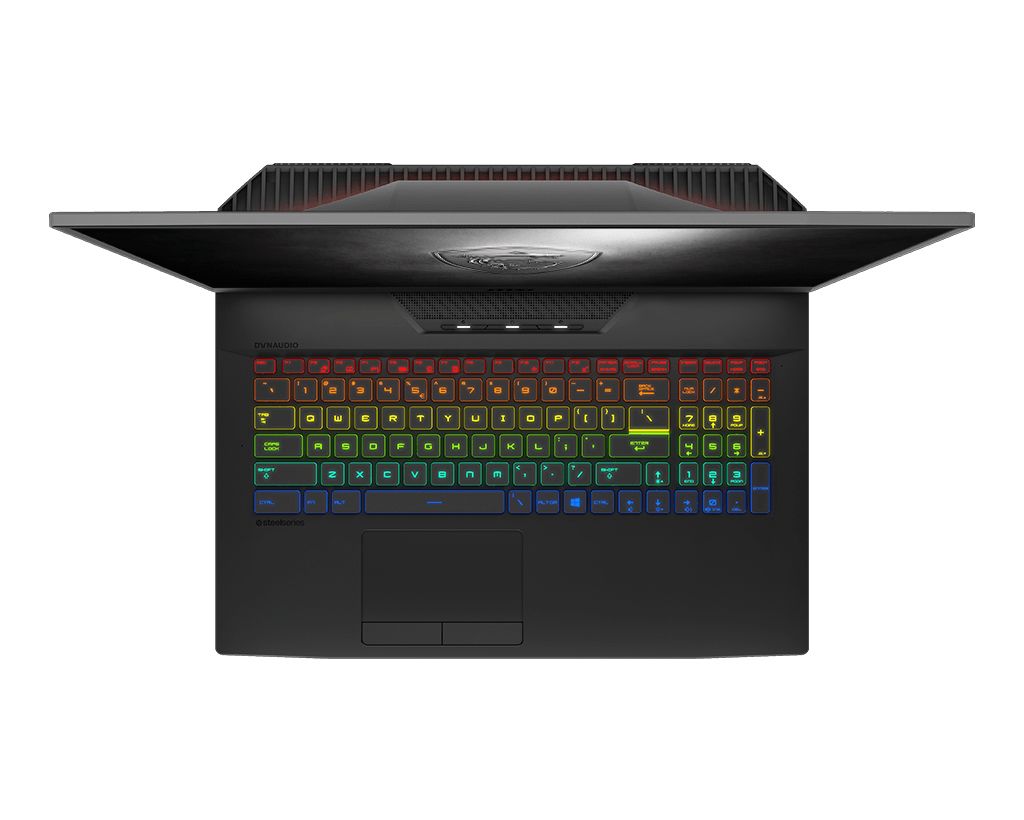
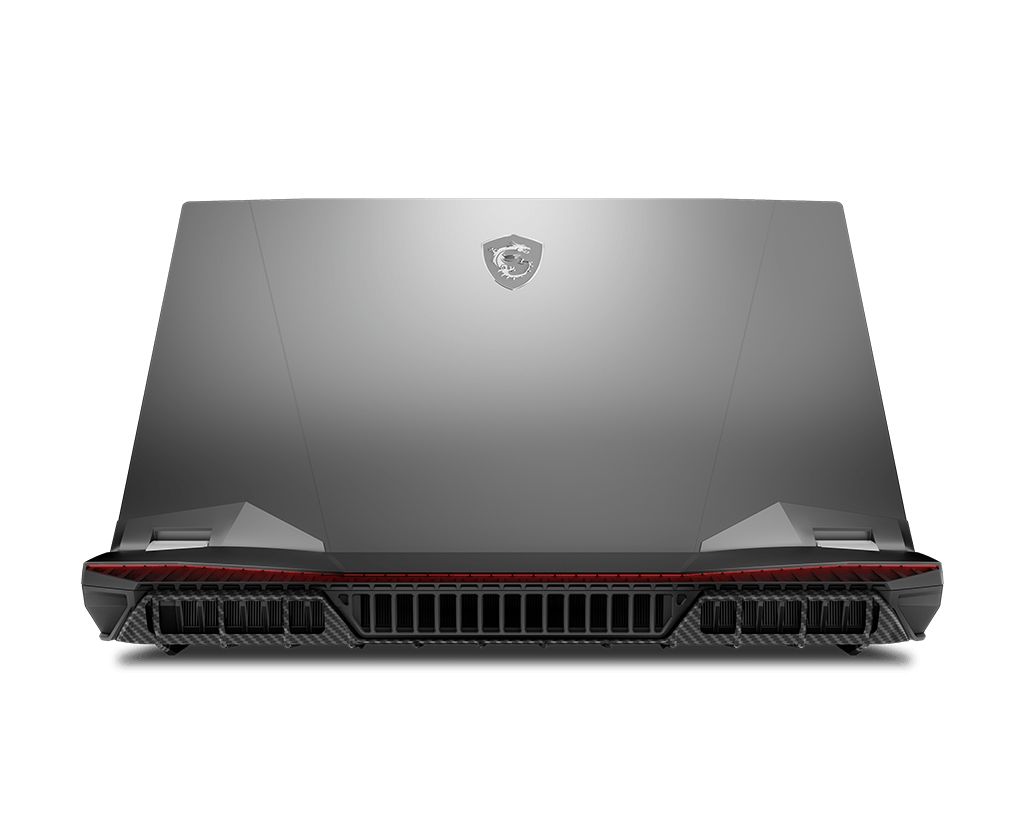
The MSI GT76 9SF-017FR Titan DT gaming laptop features DDR4-SDRAM memory configuration with four SO-DIMM slots supporting maximum RAM capacity of 128 GB. Memory upgrade specifications indicate compatibility with DDR4 modules operating at 2666 MHz frequency. The Gaming GT series Titan DT model accommodates SO-DIMM form factor memory upgrades, enabling users to expand system RAM from factory configurations to the maximum supported capacity of 128 GB across all four available memory slots.
Memory Upgrade Specifications
| Specification | Value |
|---|---|
| Memory slots | 4x SO-DIMM |
| Form factor | SO-DIMM |
| Memory type | DDR4-SDRAM |
| Frequency | 2666 MHz |
| Maximum RAM | 128 GB |
| Voltage | 1.2V |
| Number of pins | 260-pin |
| Interface | PC4 |
| PC Speed Rating | PC4-2666 (PC4-21328) |
| Bandwidth | 21.3 GB/s |
| Laptop Release date | 13 July 2019 |
Additional Notes
- The distribution of internal memory over 4 slots requires matched pairs across dual channels to maintain optimal memory bandwidth and avoid hardware induced latency.
- The MSI GT76 9SF-017FR Titan DT motherboard architecture limits data transfer rates to the base clock of the installed modules regardless of higher rated XMP profiles.
- Installation of maximum capacity modules necessitates high density components which may increase localized thermal output within the SODIMM area.
- Utilizing all 4 slots restricts future expansion without the complete replacement of existing modules to reach the 128 GB threshold.
- Physical access to secondary memory slots often requires significant disassembly of the cooling shroud and internal shielding which may impact the integrity of factory thermal seals.
- System stability at the 128 GB limit depends on the integrated memory controller capability to manage increased electrical load across all populated ranks.
- Mismatched module densities or varying internal timings between slots can trigger a fallback to single channel mode or prevent successful POST cycles.