MSI Gaming GT76 9SF-013 Titan RAM upgrade specifications



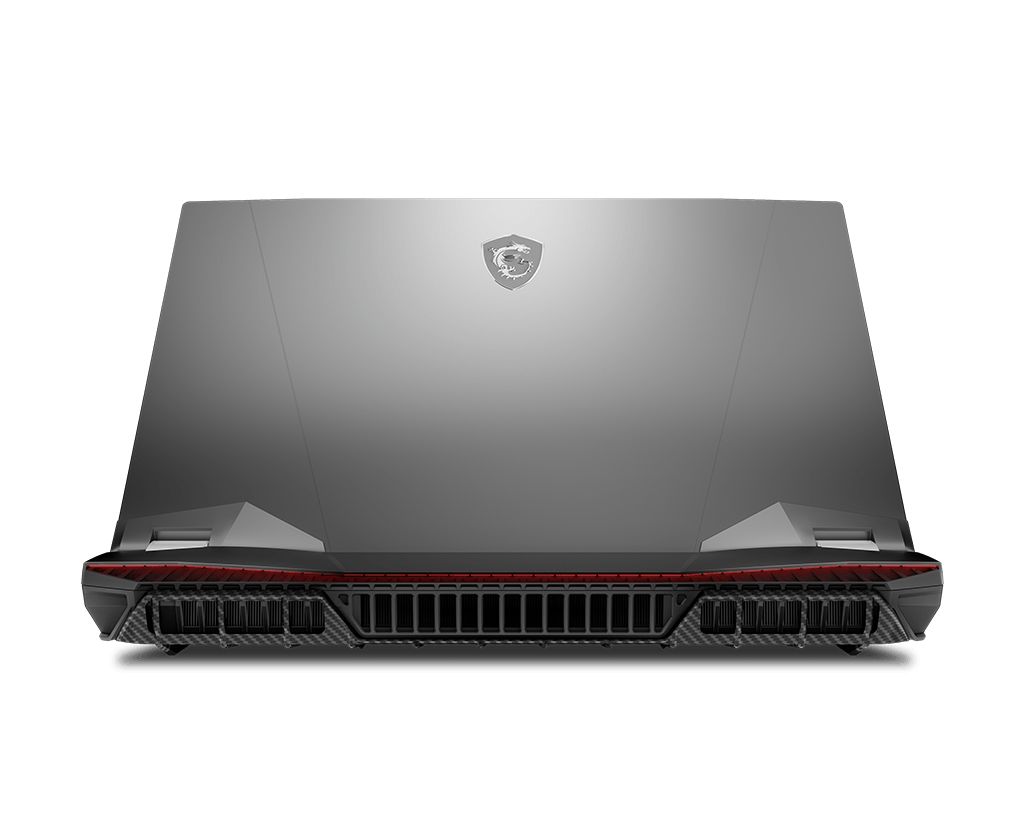

The MSI GT76 9SF-013 Titan gaming laptop features DDR4-SDRAM memory upgrade specifications. The system contains 4 SO-DIMM slots supporting maximum RAM capacity of 128 GB. Memory operates at 2666 MHz frequency. Compatible upgrades utilize SO-DIMM form factor specifications. The GT76 series supports DDR4-SDRAM modules for memory expansion and system performance enhancement.
Memory Upgrade Specifications
| Specification | Value |
|---|---|
| Memory slots | 4x SO-DIMM |
| Form factor | SO-DIMM |
| Memory type | DDR4-SDRAM |
| Frequency | 2666 MHz |
| Maximum RAM | 128 GB |
| Voltage | 1.2V |
| Number of pins | 260-pin |
| Interface | PC4 |
| PC Speed Rating | PC4-2666 (PC4-21328) |
| Bandwidth | 21.3 GB/s |
| Laptop Release date | 13 August 2019 |
Additional Notes
- The presence of 4 memory slots requires a dual bank architecture where components are often divided between the top and bottom of the motherboard, necessitating significant disassembly of the MSI GT76 9SF-013 Titan to reach all locations.
- Utilizing all 4 slots with high capacity modules increases the thermal load within the chassis requiring the cooling system to manage additional radiant heat from the memory area.
- Mixing modules of different densities or ranks across the 4 slots will result in the system defaulting to the lowest common denominator for timings and potentially disabling dual channel interleaving.
- The 128 GB maximum threshold indicates support for 32 GB high density modules which may require a specific BIOS version to recognize the full capacity across all banks.
- Installing memory with XMP profiles exceeding the 2666 MHz base frequency will result in automatic downclocking to the processor bus limit regardless of the module rating.
- Latency performance depends on populating slots in matched pairs to maintain symmetrical bandwidth across the integrated memory controller.
- Physical clearance for stackable SO-DIMM configurations restricts the use of modules with thick integrated heat spreaders due to vertical height limitations between the board and the casing.