MSI Gaming GT76 9SF-019CA Titan RAM upgrade specifications
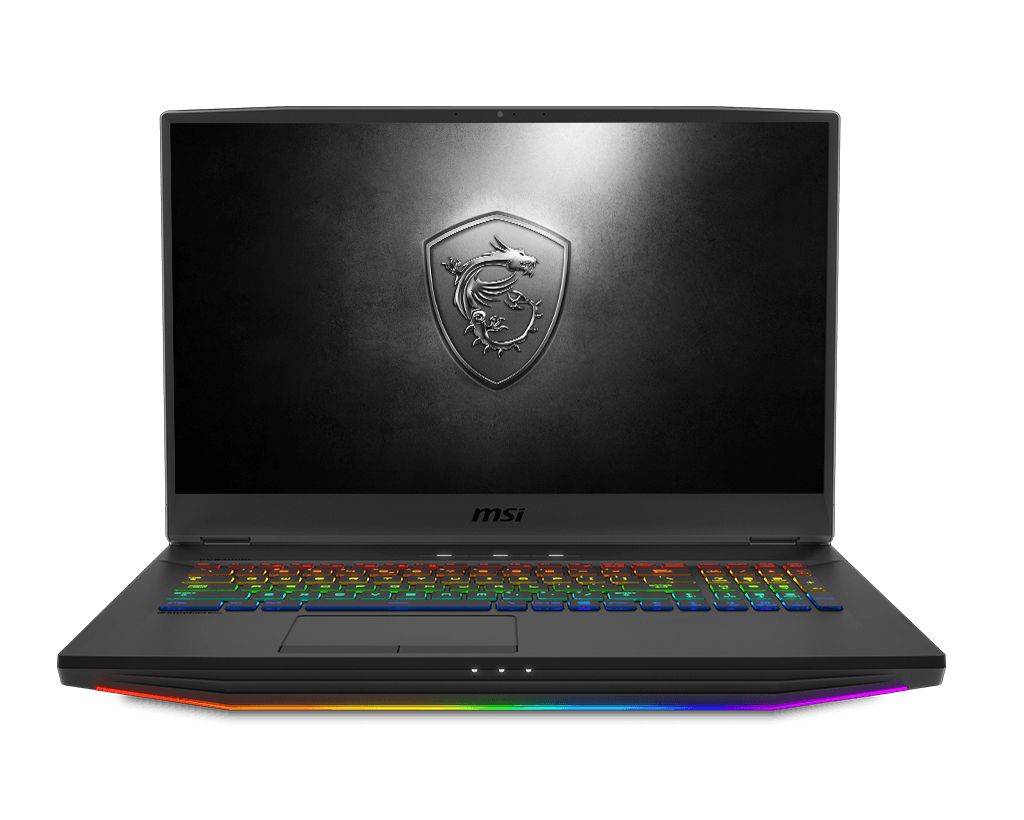
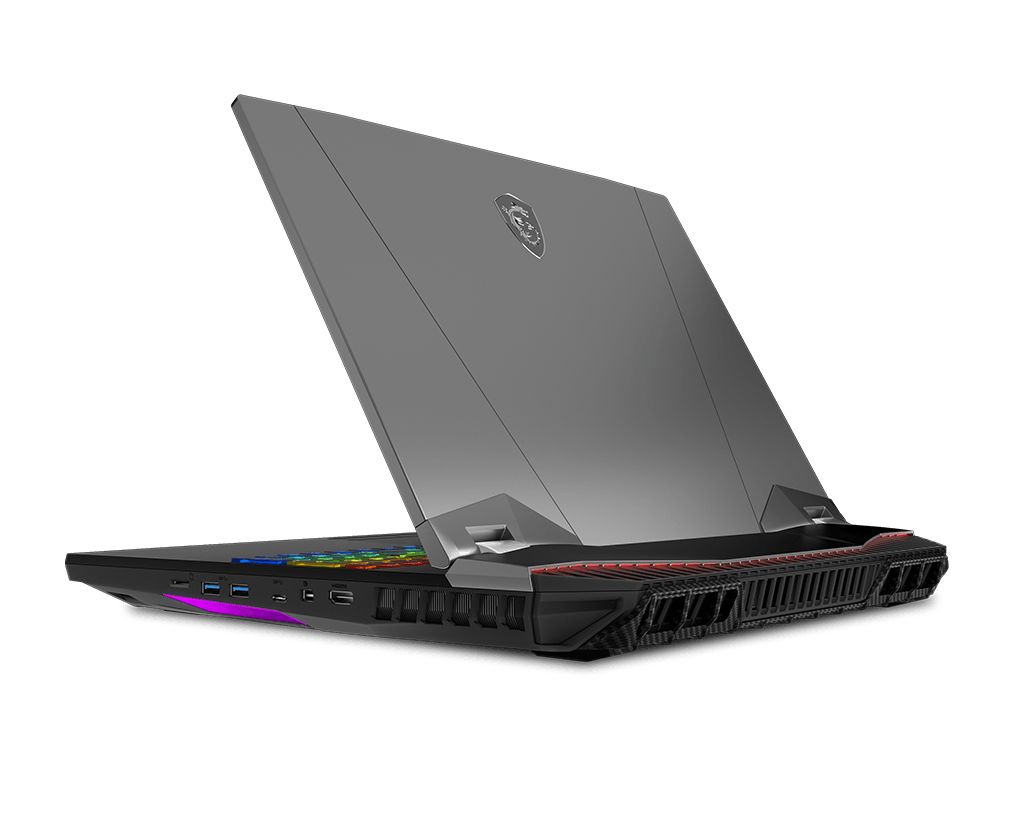
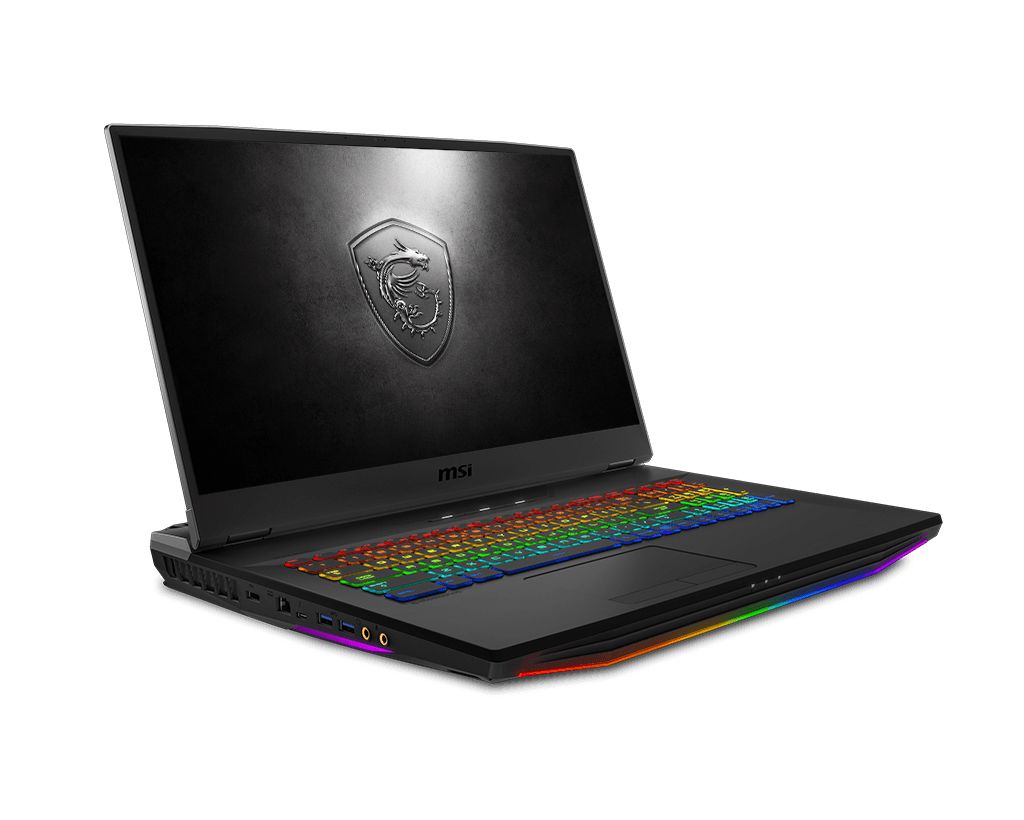
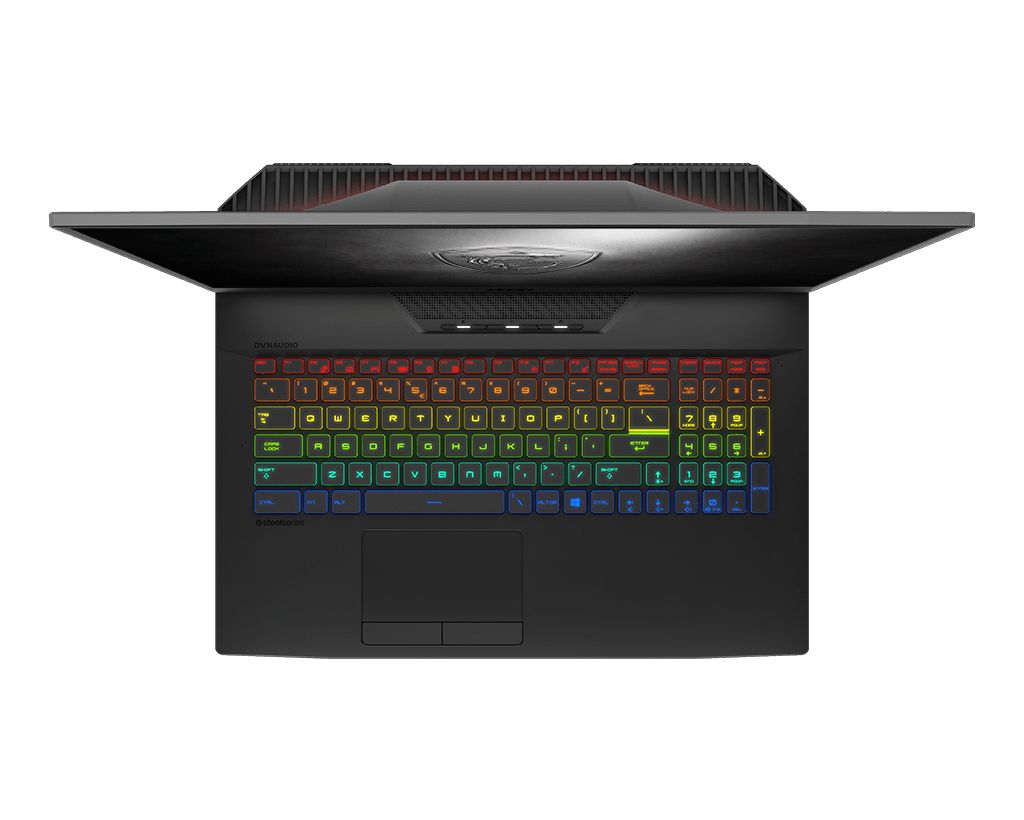
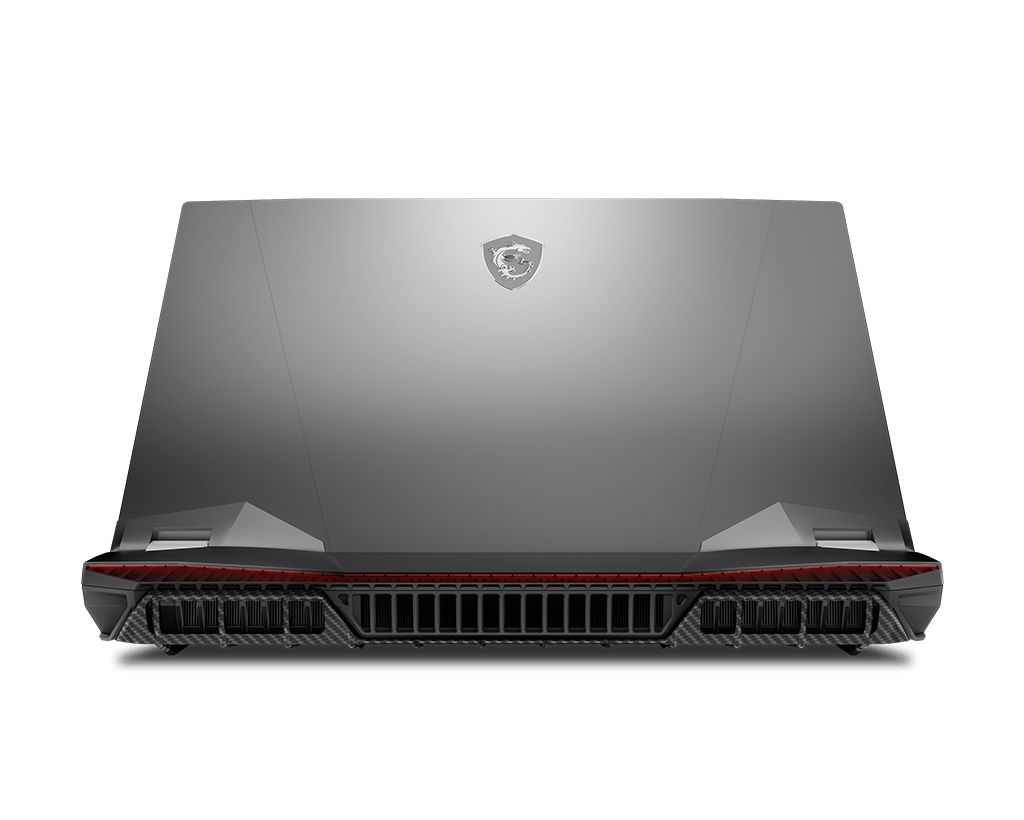
MSI GT76 9SF-019CA Titan gaming laptop memory upgrade specifications include four SO-DIMM slots supporting DDR4-SDRAM modules at 2666 MHz frequency. The laptop accommodates a maximum RAM capacity of 128 GB total, enabling users to expand the system memory through compatible DDR4 upgrades. Specifications indicate SO-DIMM form factor components are required for this MSI Gaming GT series model.
Memory Upgrade Specifications
| Specification | Value |
|---|---|
| Memory slots | 4x SO-DIMM |
| Form factor | SO-DIMM |
| Memory type | DDR4-SDRAM |
| Frequency | 2666 MHz |
| Maximum RAM | 128 GB |
| Voltage | 1.2V |
| Number of pins | 260-pin |
| Interface | PC4 |
| PC Speed Rating | PC4-2666 (PC4-21328) |
| Bandwidth | 21.3 GB/s |
| Laptop Release date | 06 November 2019 |
Additional Notes
- The 4 SO-DIMM slot configuration permits population up to 128 GB total capacity, but the 2666 MHz specification establishes a performance ceiling that predates faster DDR4 standards (3000 MHz and above), creating latency overhead on memory-intensive tasks regardless of capacity expansion.
- SO-DIMM form factor constrains upgrade options to laptop-grade modules exclusively; desktop DDR4 DIMM sticks cannot physically install in the MSI GT76 9SF-019CA Titan, eliminating repurposing of standard tower memory as a cost strategy.
- All 4 slots must be populated identically (matching capacity, speed, and timings) to maintain dual-channel memory architecture; mixed-module configurations result in single-channel operation on one slot pair, halving bandwidth to affected processors and GPU systems.
- Adding capacity beyond the original factory configuration does not require BIOS updates on this platform, but XMP/DOCP profiles are unavailable at 2666 MHz, meaning manual timing adjustments risk system stability without corresponding performance gains.
- The DDR4-2666 baseline indicates this 9th-generation Intel platform does not support DDR4-3200 or faster modules; purchasing premium high-speed SO-DIMMs offers no functional advantage and represents wasted expenditure.
- Thermal considerations apply to 4-slot configurations; stacking 128 GB requires monitoring DIMM proximity to dedicated GPU memory and M.2 storage, as gaming workloads generate ambient heat that can degrade DDR4 retention timing stability.