MSI Gaming GT76 9SGS-263ES Titan DT RAM upgrade specifications
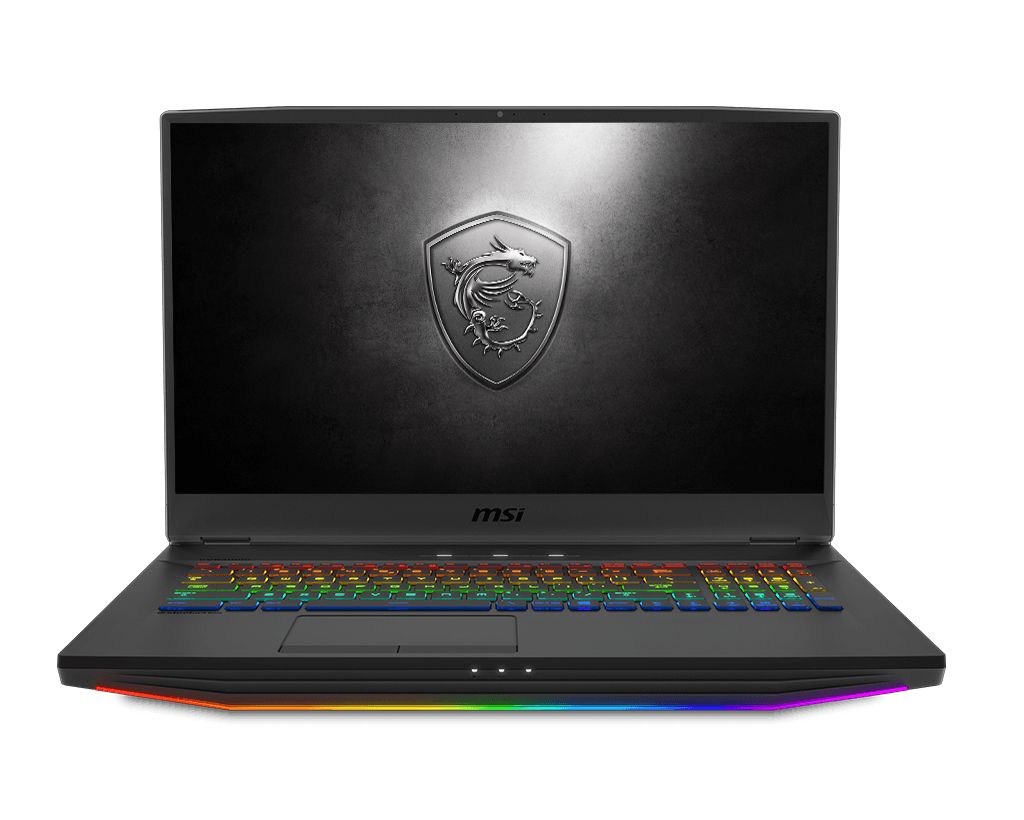
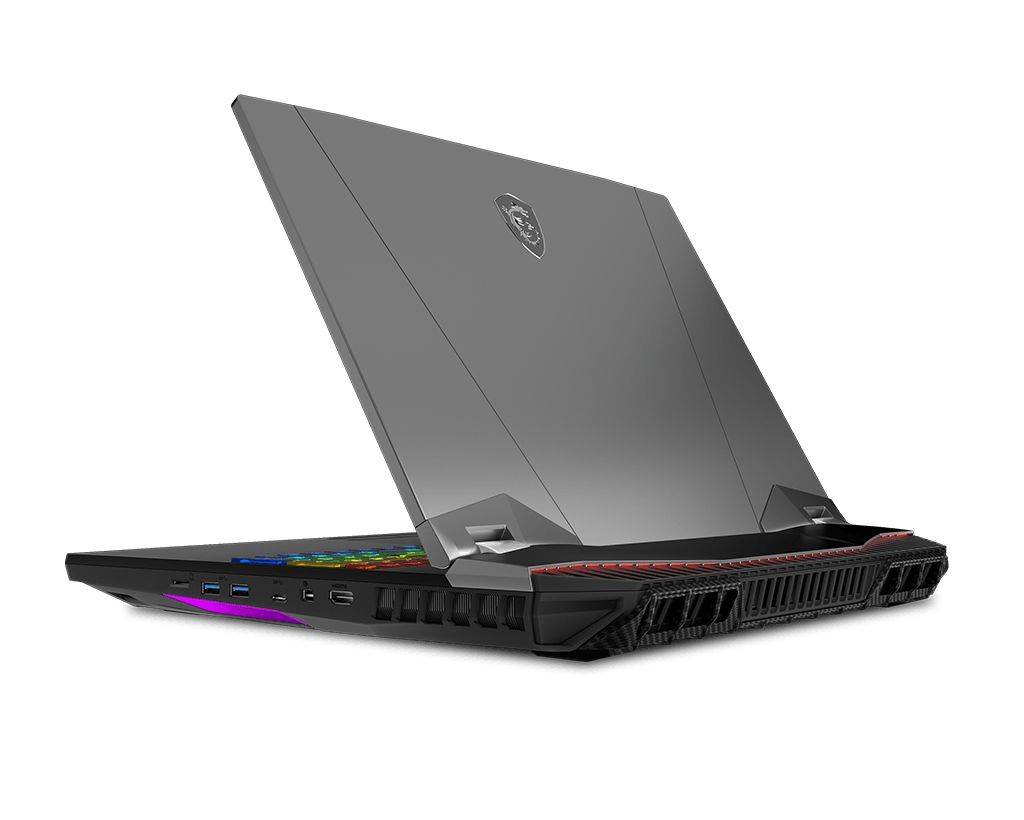
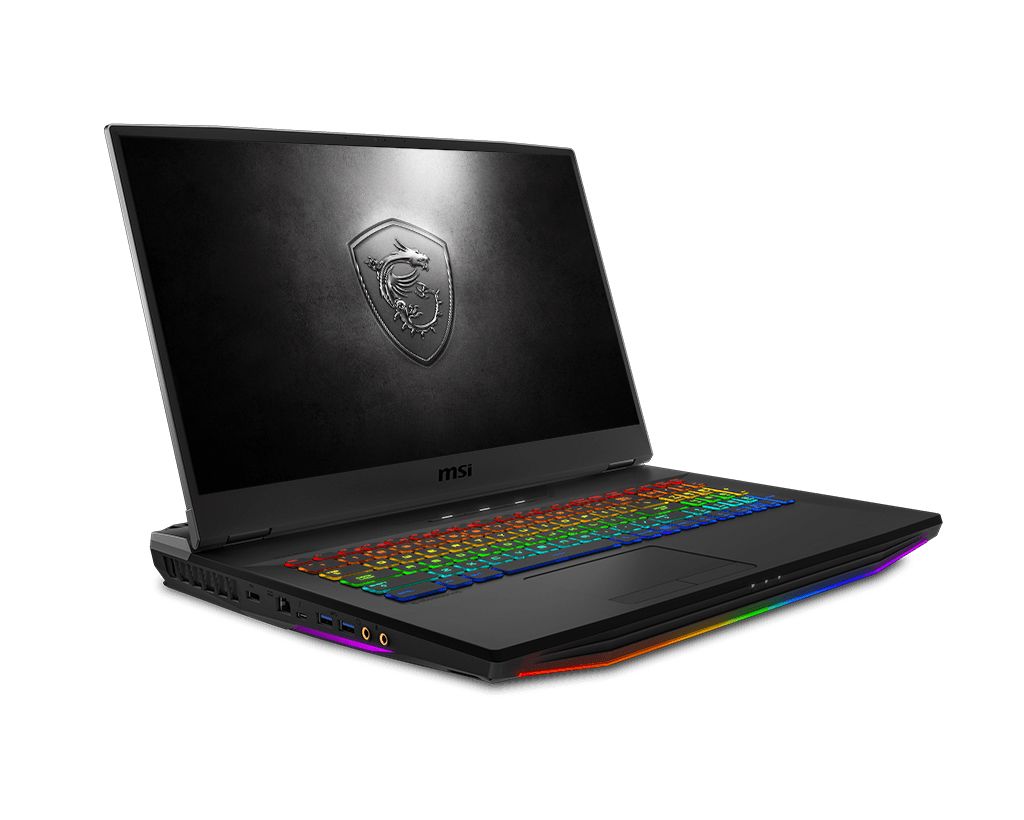
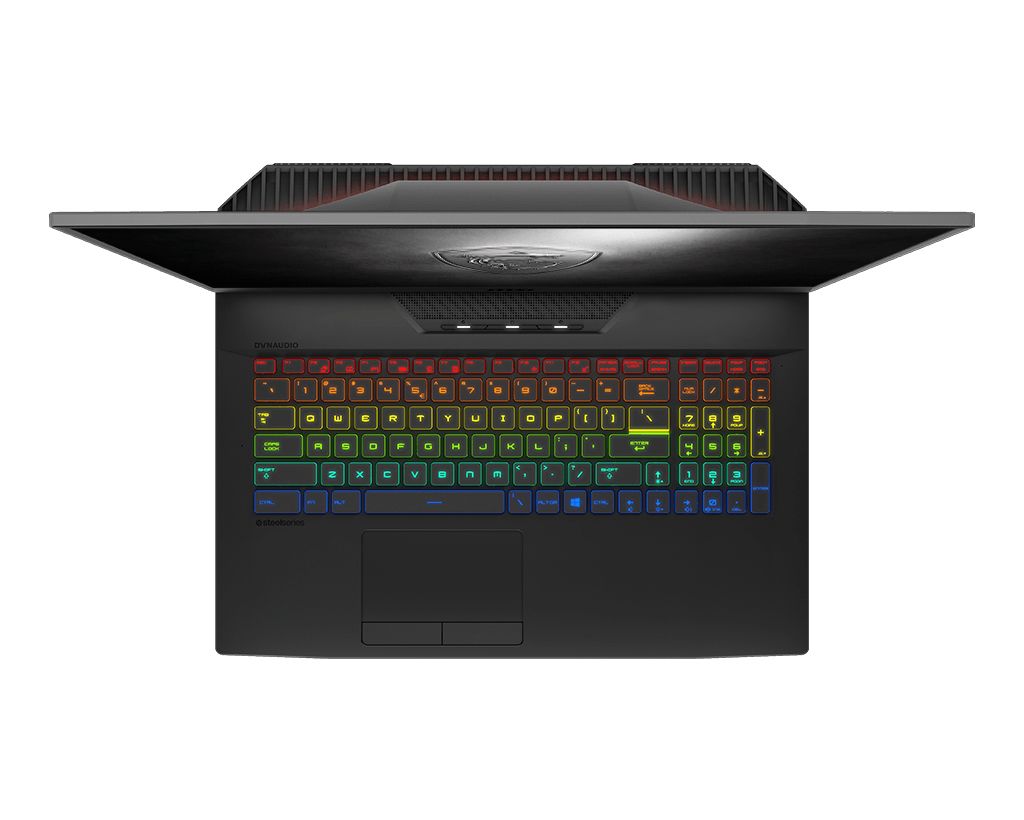
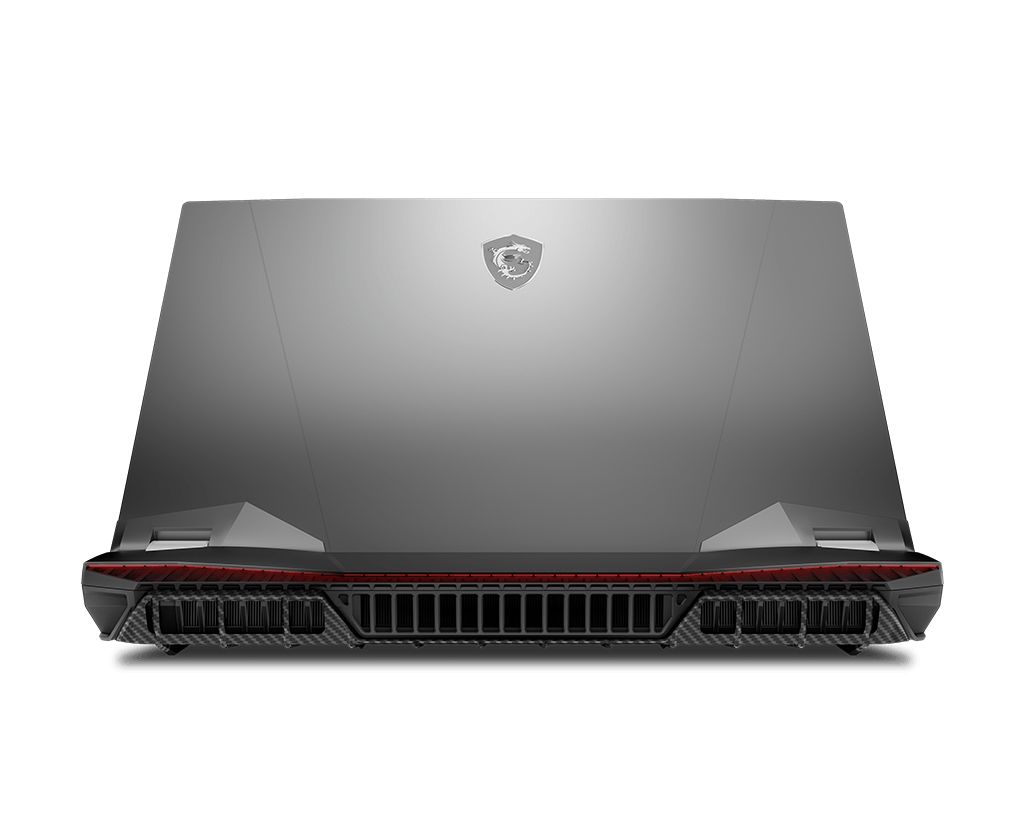
MSI GT76 9SGS-263ES Titan DT gaming laptop memory upgrade specifications include four SO-DIMM slots supporting DDR4-SDRAM modules. Maximum RAM capacity reaches 128 GB total. Compatible memory operates at 2666 MHz frequency. Upgrade options accommodate standard SO-DIMM form factor modules for expanding system memory capacity beyond factory configuration.
Memory Upgrade Specifications
| Specification | Value |
|---|---|
| Memory slots | 4x SO-DIMM |
| Form factor | SO-DIMM |
| Memory type | DDR4-SDRAM |
| Frequency | 2666 MHz |
| Maximum RAM | 128 GB |
| Voltage | 1.2V |
| Number of pins | 260-pin |
| Interface | PC4 |
| PC Speed Rating | PC4-2666 (PC4-21328) |
| Bandwidth | 21.3 GB/s |
| Laptop Release date | 04 April 2020 |
Additional Notes
- The SO-DIMM form factor restricts compatibility to laptop-specific modules, which typically cost 15-30% more than desktop DIMM equivalents at identical capacities and speeds.
- The 2666 MHz frequency specification indicates PC4-21300 memory standard, affecting data throughput calculations at 21.3 GB/s per module in single-channel operation.
- Four physical slots enable quad-channel memory architecture when populated with matched modules, quadrupling theoretical bandwidth from 21.3 GB/s to 85.2 GB/s compared to single-channel configuration.
- The MSI GT76 9SGS-263ES Titan DT supports 32 GB modules per slot to reach the 128 GB ceiling, requiring DDR4 SO-DIMM chips with dual-rank or quad-rank organization for optimal density.
- Mixing modules with different speeds forces all installed memory to operate at the lowest common frequency, potentially downclocking faster modules to 2666 MHz or below.
- Non-matching CAS latency timings across modules triggers automatic JEDEC standard fallback settings, potentially increasing latency from optimized XMP profiles to conservative baseline values.
- Installing memory exceeding 1.2V specification may trigger thermal throttling in compact laptop chassis, as higher voltage modules generate additional heat during sustained workloads.
- Single-sided SO-DIMM modules offer better physical clearance in constrained laptop internals compared to dual-sided variants, reducing potential conflicts with cooling assemblies or chassis structures.
- ECC memory compatibility requires specific chipset support not typically present in consumer gaming platforms, making unbuffered non-ECC modules the only viable option for capacity expansion.
- Upgrading beyond factory-installed capacity may require BIOS updates to recognize larger module densities, particularly when implementing 32 GB modules in systems originally shipped with lower-capacity configurations.