MSI Katana B12UDXK-054FR RAM upgrade specifications
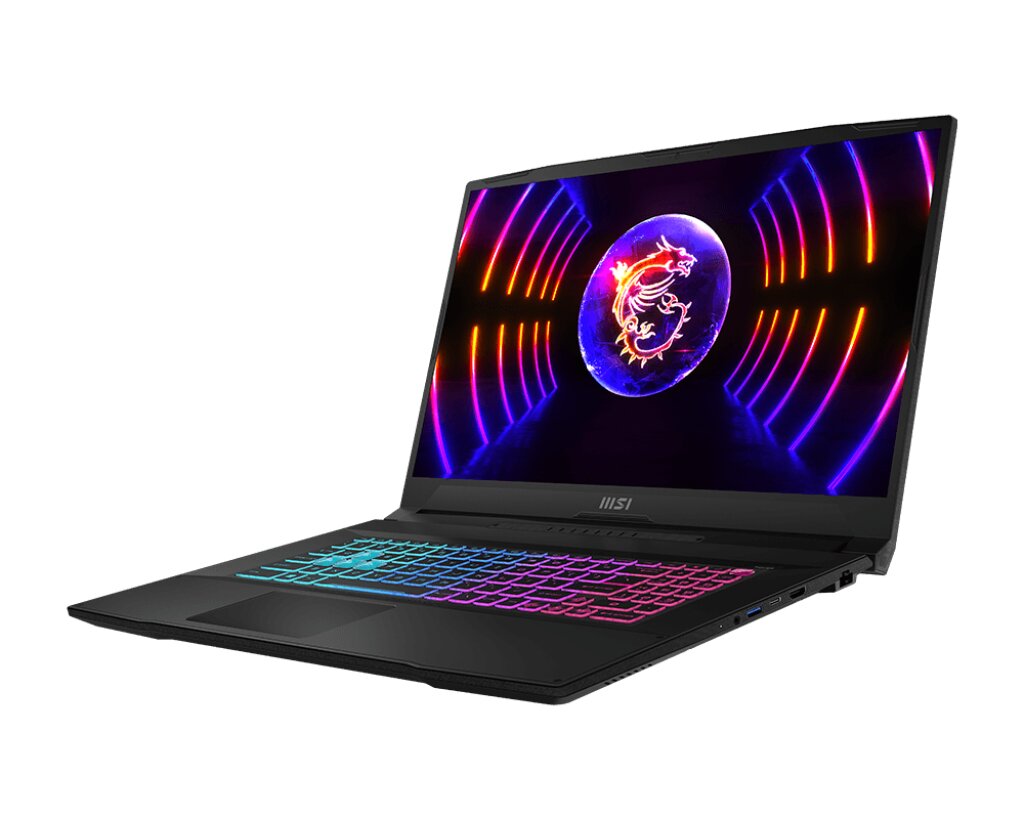
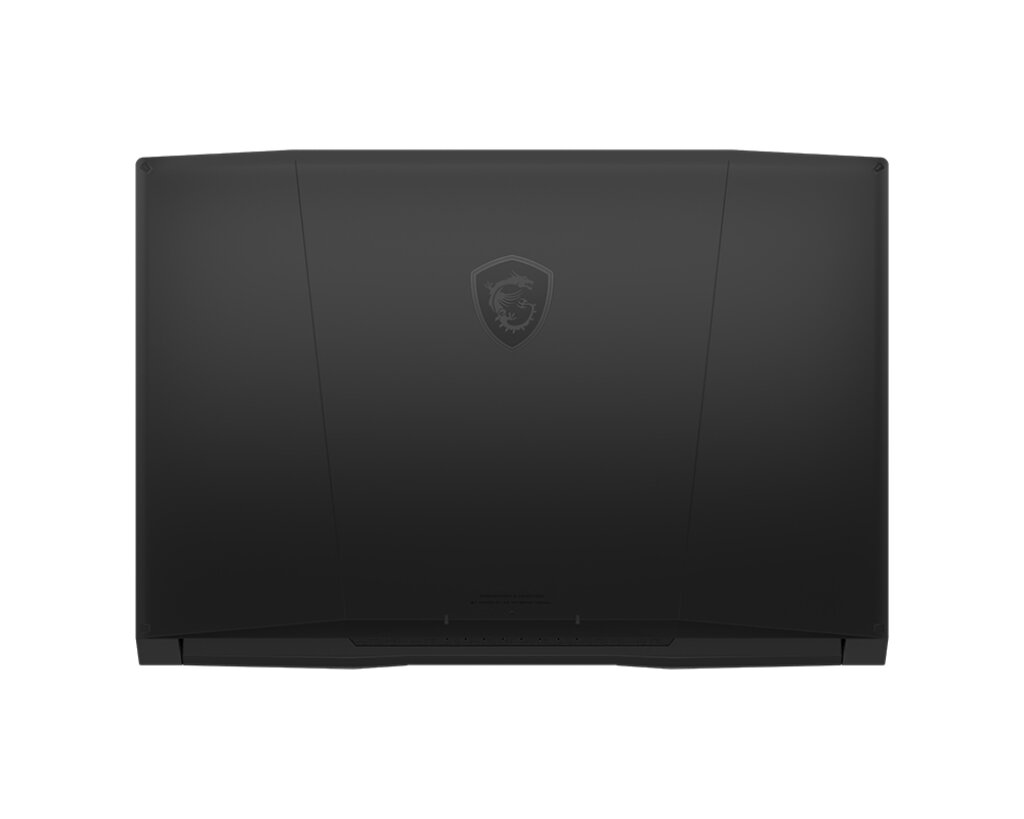
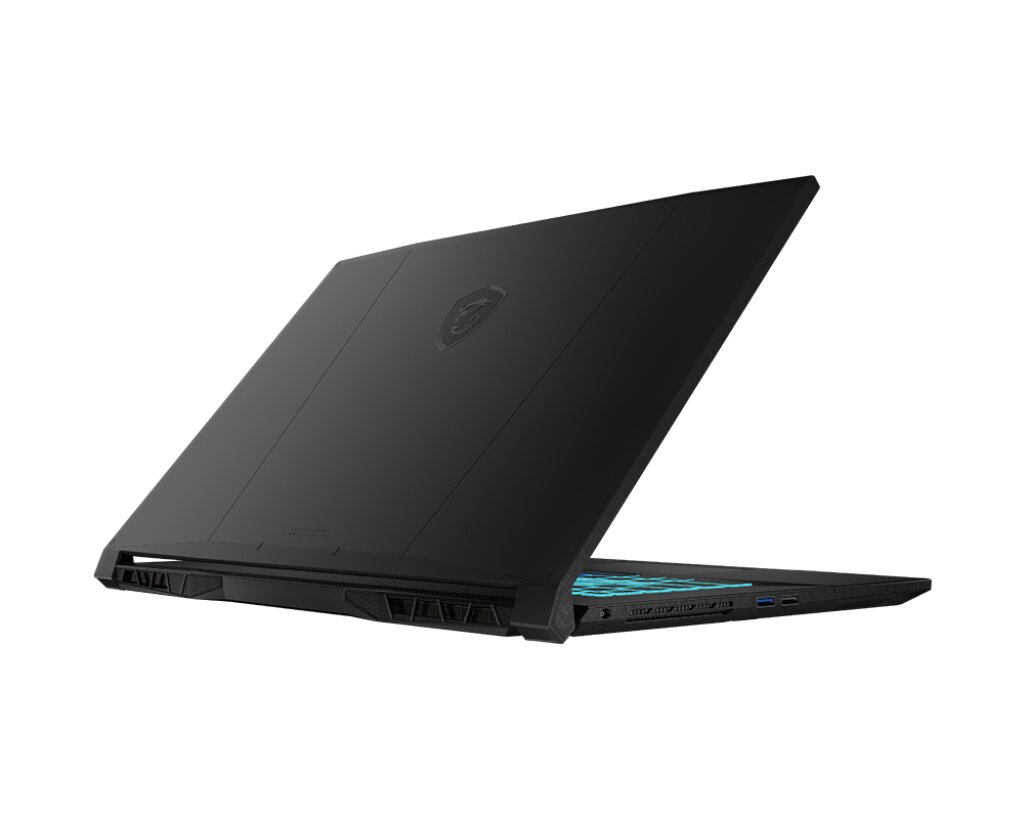
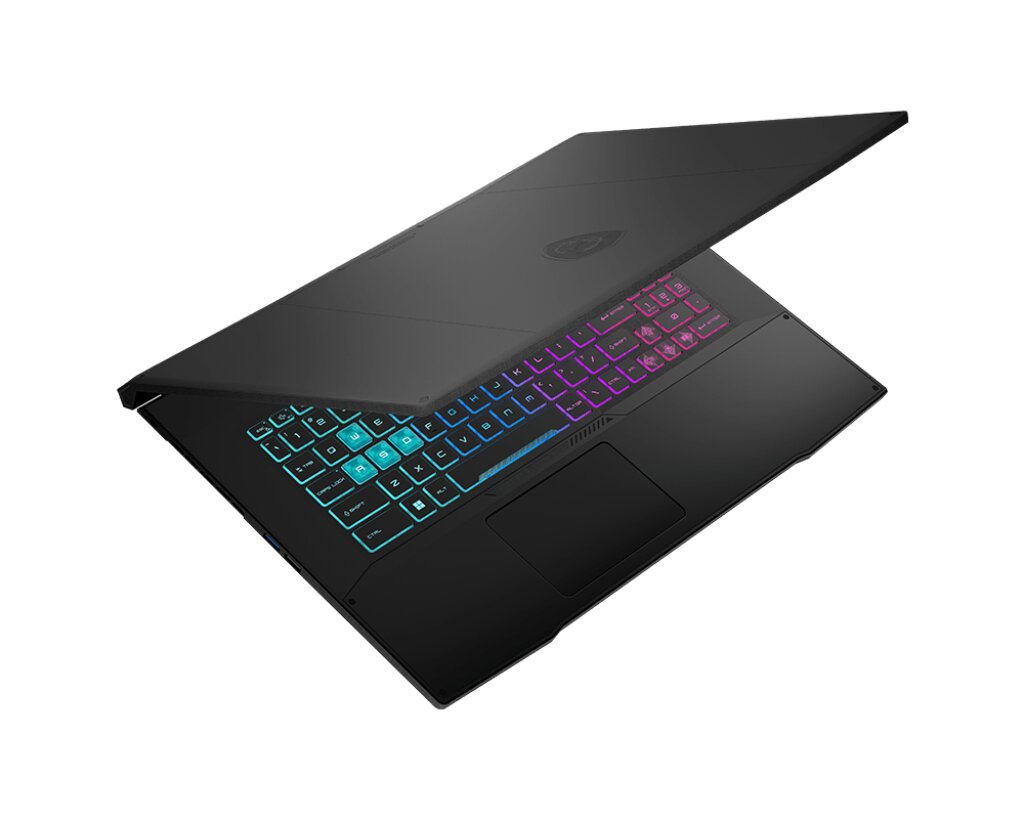
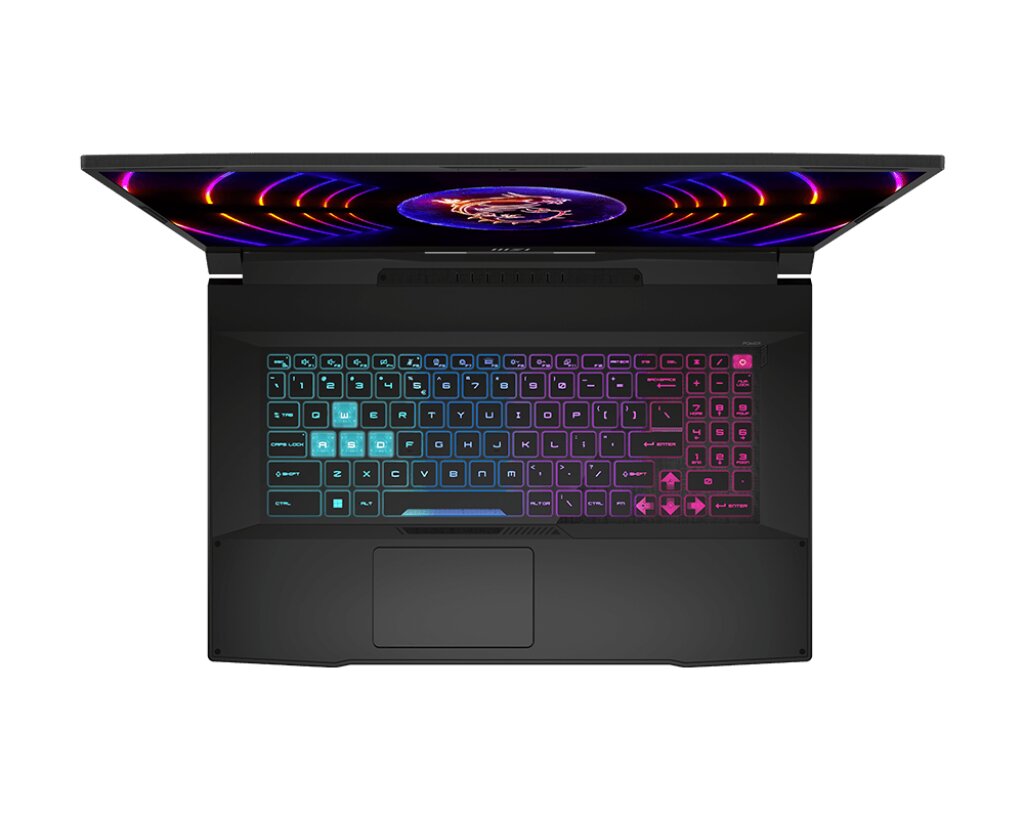
The MSI Katana 17 Series B12UDXK-054FR laptop features DDR5-SDRAM memory upgrade capabilities with two SO-DIMM slots supporting maximum RAM capacity of 64 GB. Compatible memory modules operate at 4800 MHz frequency specifications. The upgrade slots accommodate SO-DIMM form factor memory modules, enabling users to expand system memory from baseline configurations up to the maximum 64 GB capacity for enhanced multitasking and application performance.
Memory Upgrade Specifications
| Specification | Value |
|---|---|
| Memory slots | 2x SO-DIMM |
| Form factor | SO-DIMM |
| Memory type | DDR5-SDRAM |
| Frequency | 4800 MHz |
| Maximum RAM | 64 GB |
| Voltage | 1.1V |
| Number of pins | 262-pin |
| Interface | PC5 |
| PC Speed Rating | PC5-4800 (PC5-38400) |
| Bandwidth | 38.4 GB/s |
| Laptop Release date | 04 February 2023 |
Additional Notes
- The MSI Katana B12UDXK-054FR employs SO-DIMM modules rather than desktop DIMMs, limiting aftermarket availability compared to standard tower PCs and typically increasing cost per gigabyte.
- DDR5 backward compatibility does not exist with DDR4 modules due to different pin configurations, notch positions, and voltage requirements, preventing mixed installations.
- Dual SO-DIMM configuration enables dual-channel memory operation only when both slots contain matched capacity modules, otherwise reverting to single-channel mode with measurable bandwidth reduction.
- The 64 GB ceiling requires 2×32 GB modules, as no higher density SO-DIMM DDR5 modules currently exist in consumer markets, eliminating future expansion beyond this threshold without replacing existing modules.
- Operating at 4800 MHz represents JEDEC baseline DDR5 speed, while higher frequency modules will downclock to this specification unless motherboard firmware supports XMP 3.0 or EXPO profiles.
- Accessing memory slots typically requires bottom panel removal and potentially voiding seals that manufacturers use to track warranty-protected component access.
- DDR5 architecture integrates voltage regulation on each module rather than the motherboard, creating per-stick power management that affects thermal dissipation patterns within compact chassis designs.
- Installation of unmatched module speeds forces the memory controller to operate all sticks at the lowest common frequency, negating any performance advantage of faster modules.
- SO-DIMM height clearance rarely presents physical conflicts in laptops, though modules with aftermarket heat spreaders may exceed OEM thermal design tolerances.
- Single versus dual module configurations at identical total capacity produce measurable frame rate differences in integrated graphics scenarios, though discrete GPU systems show minimal impact.