MSI Katana B12UDXK-461FR RAM upgrade specifications
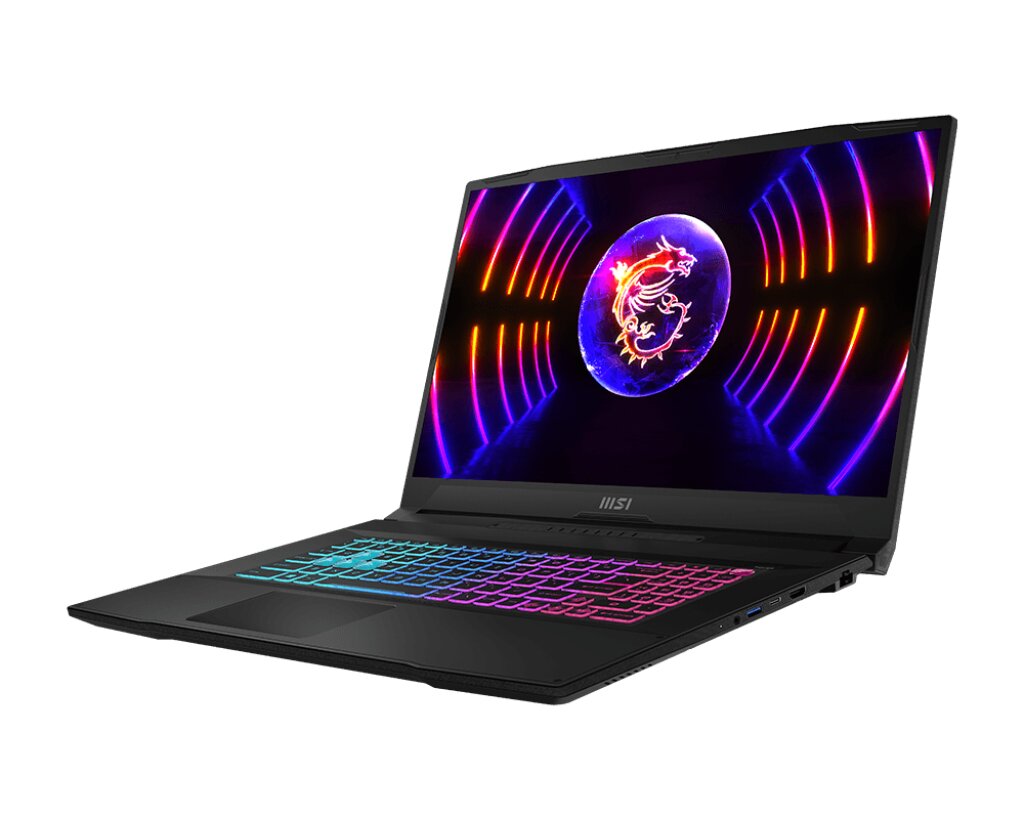
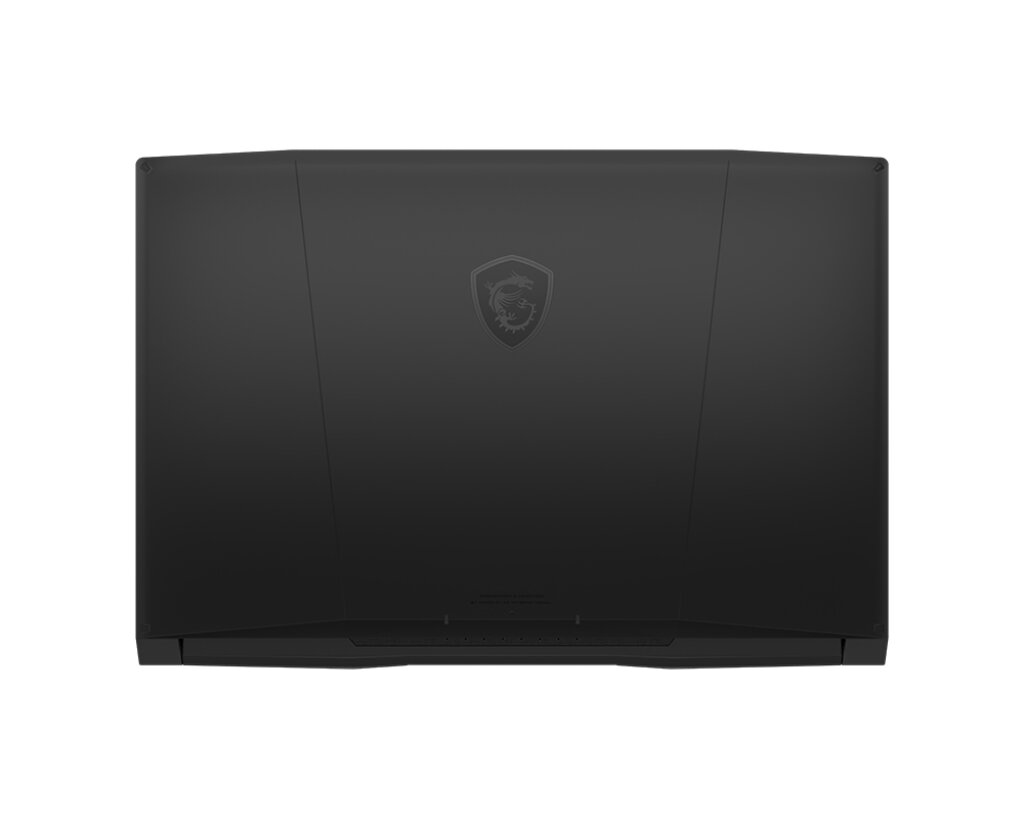
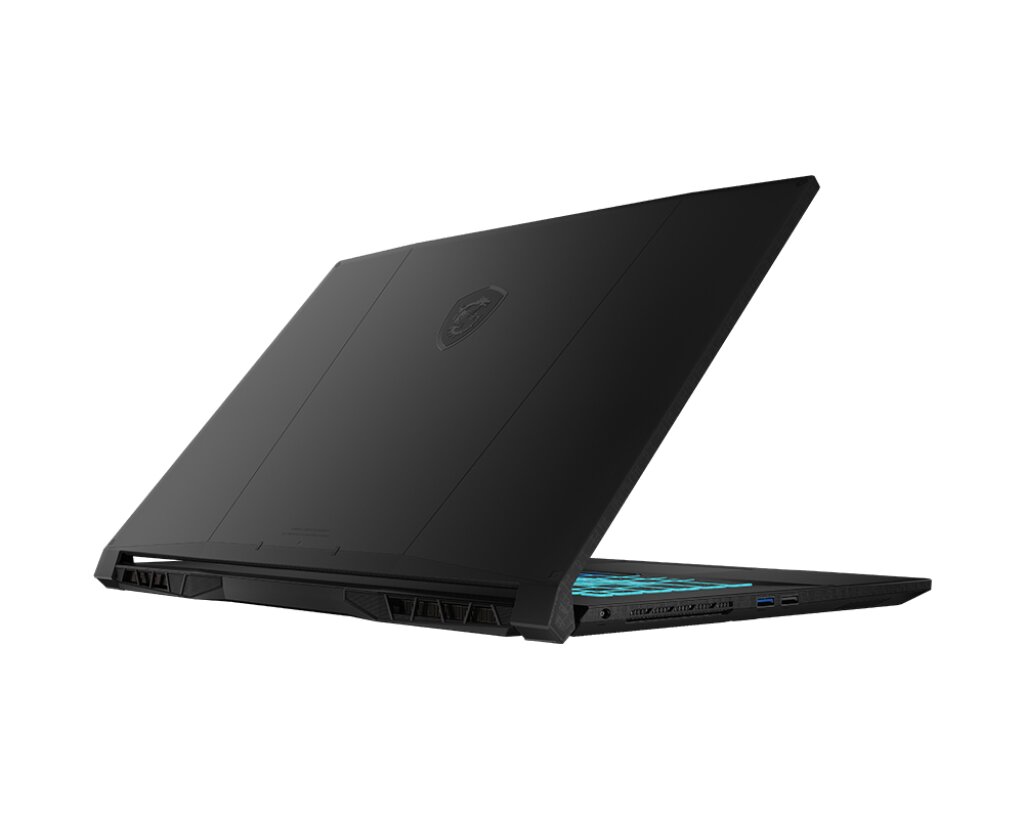
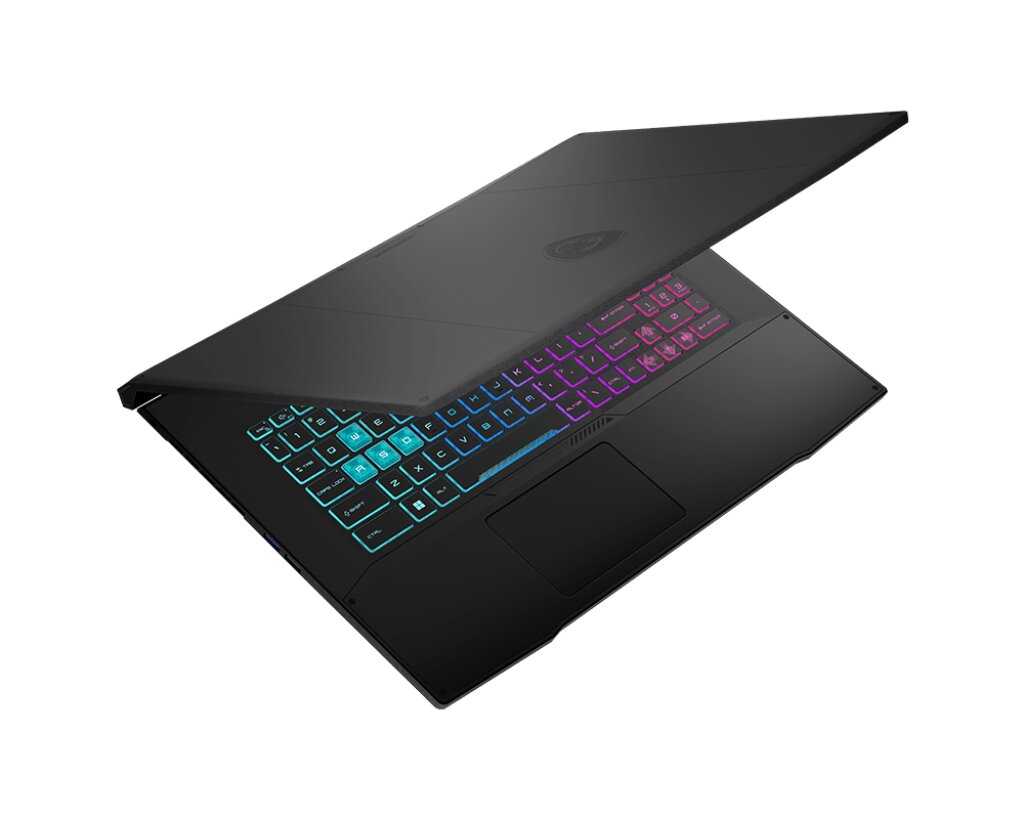
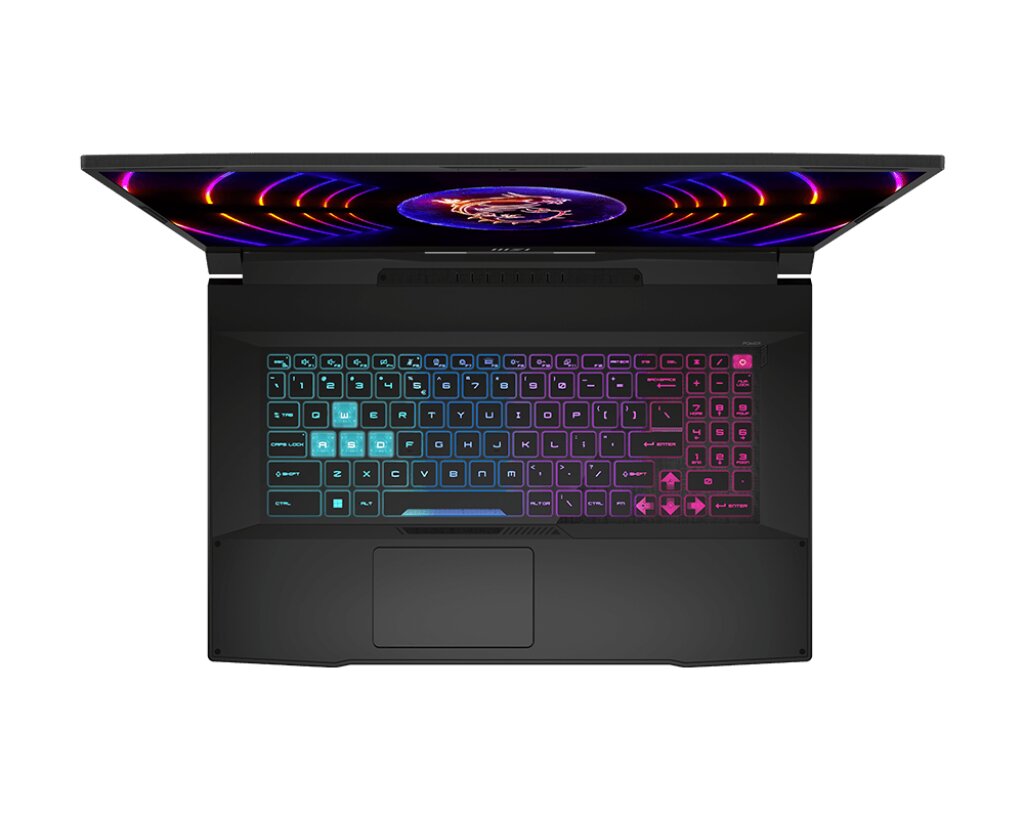
The MSI Katana 17 B12UDXK-461FR laptop supports DDR5-SDRAM memory upgrades across two SO-DIMM slots. The maximum RAM capacity reaches 64 GB, with compatible modules operating at 4800 MHz frequency. Specifications indicate the upgrade slots accommodate SO-DIMM form factor memory modules, enabling users to expand the system's memory configuration to the supported maximum capacity.
Memory Upgrade Specifications
| Specification | Value |
|---|---|
| Memory slots | 2x SO-DIMM |
| Form factor | SO-DIMM |
| Memory type | DDR5-SDRAM |
| Frequency | 4800 MHz |
| Maximum RAM | 64 GB |
| Voltage | 1.1V |
| Number of pins | 262-pin |
| Interface | PC5 |
| PC Speed Rating | PC5-4800 (PC5-38400) |
| Bandwidth | 38.4 GB/s |
| Laptop Release date | 16 June 2023 |
Additional Notes
- The MSI Katana B12UDXK-461FR uses SO-DIMM form factor memory, confirming this is a mobile platform with soldered or proprietary memory architecture in some configurations; only 2 slots exist, making maximum capacity finite at 64 GB rather than expandable beyond this threshold.
- DDR5-4800 MHz operation requires strict timing synchronization; mixing modules with different latency profiles (CAS latency, tRCD, tRP values) can force both modules to downclock to the slower module's specifications, reducing effective bandwidth by up to 25 percent depending on variance.
- A single SO-DIMM SO-DIMM slot failure or incompatibility leaves only 1 functional slot operational; dual-channel memory configuration collapses to single-channel mode, halving memory bandwidth and degrading system responsiveness in multithreaded workloads by 15 to 40 percent depending on application profile.
- Third-party DDR5 SO-DIMM modules certified for mobile platforms remain limited in market availability; purchasing compatible 32 GB modules requires vendor verification against MSI's qualified components list to avoid BIOS rejection or stability issues post-installation.
- Firmware updates to the BIOS may modify memory controller voltage or timing profiles; after any BIOS flash, existing third-party memory modules should be tested immediately under load to confirm continued stability, as controller revisions occasionally introduce incompatibilities with previously validated kits.
- The 64 GB ceiling assumes both slots populated with 32 GB modules; upgrading from 16 GB stock configuration to maximum capacity requires purchasing a matching pair rather than single modules, increasing upgrade cost relative to mixed-capacity alternatives.