MSI Modern 14 A10RAS-1054CA RAM upgrade specifications



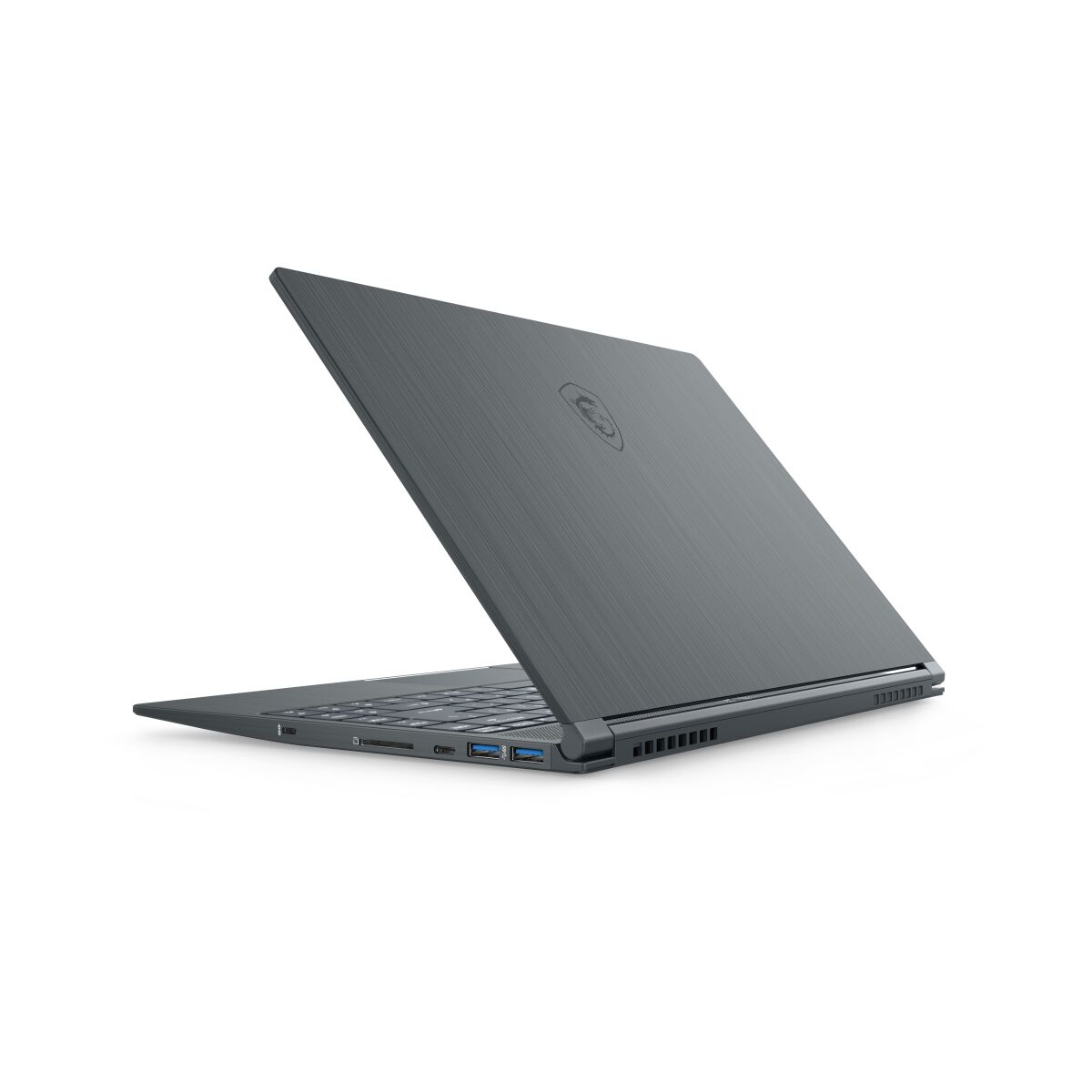
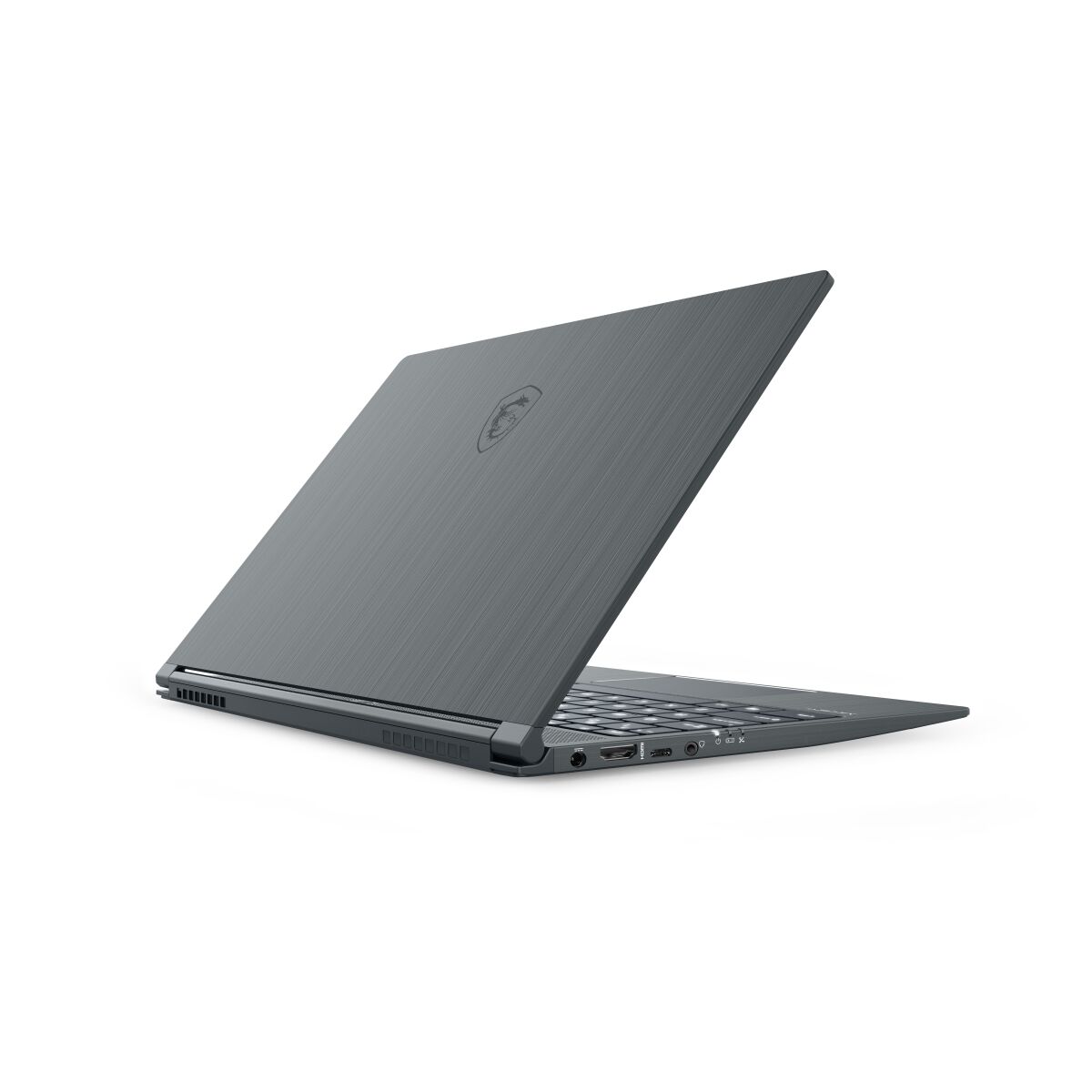
MSI Modern 14 A10RAS-1054CA laptop supports DDR4-SDRAM memory upgrades with one SO-DIMM slot available for expansion. Maximum RAM capacity reaches 32 GB, with compatible memory operating at 2666 MHz frequency. Current specifications enable single-module memory upgrades to enhance multitasking performance and system responsiveness on this portable computing device.
Memory Upgrade Specifications
| Specification | Value |
|---|---|
| Memory slots | 1x SO-DIMM |
| Form factor | SO-DIMM |
| Memory type | DDR4-SDRAM |
| Frequency | 2666 MHz |
| Maximum RAM | 32 GB |
| Voltage | 1.2V |
| Number of pins | 260-pin |
| Interface | PC4 |
| PC Speed Rating | PC4-2666 (PC4-21328) |
| Bandwidth | 21.3 GB/s |
| Laptop Release date | 21 July 2020 |
Additional Notes
- The single SO-DIMM socket architecture in the MSI Modern 14 A10RAS-1054CA eliminates dual-channel memory operation, reducing memory bandwidth by approximately 50% compared to systems with populated paired slots.
- Upgrading to 32 GB requires replacing the existing module entirely rather than adding a second stick, resulting in discarded hardware and higher upgrade costs.
- The 2666 MHz ceiling represents a JEDEC standard speed lock imposed by Intel's 10th generation mobile platform, preventing any performance gains from faster DDR4 modules rated at 3200 MHz or higher.
- Single-channel configurations create processing bottlenecks in integrated graphics workloads, as the GPU shares system memory and depends heavily on bandwidth for texture streaming and frame buffer operations.
- The 32 GB maximum capacity indicates compatibility with high-density memory ICs, though sourcing a single 32 GB SO-DIMM module may present availability challenges compared to more common 8 GB or 16 GB capacities.
- Memory latency characteristics remain fixed at JEDEC-standard timings for DDR4-2666, as the platform typically rejects XMP profiles and manual timing adjustments available in desktop environments.
- The SO-DIMM form factor requires careful ESD handling during installation due to exposed contact pins and sensitivity to static discharge that can damage both the module and motherboard traces.
- Warranty preservation depends on non-invasive access to the memory compartment, as breaking manufacturer seals on certain chassis sections may void coverage even when performing user-serviceable upgrades.
- Heat dissipation relies solely on passive airflow within the chassis, as SO-DIMM modules lack the heat spreaders common in desktop DIMMs, making thermal throttling possible under sustained memory-intensive operations.