MSI Modern 14 B10MW-285 RAM upgrade specifications
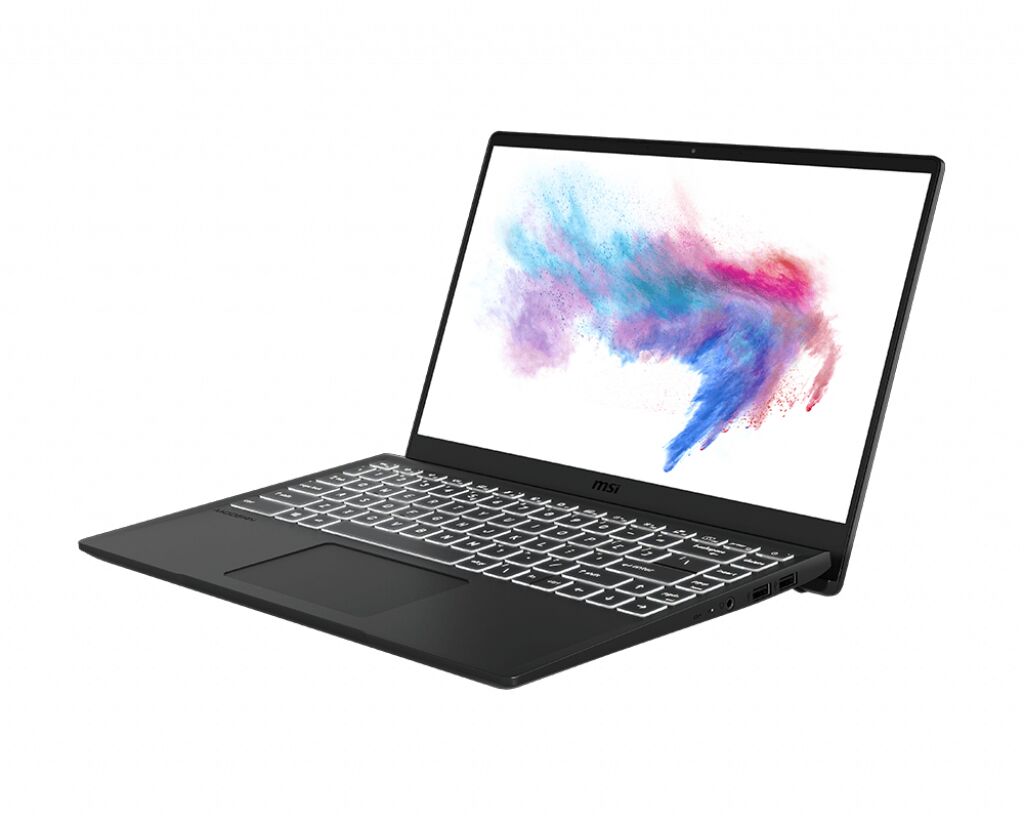
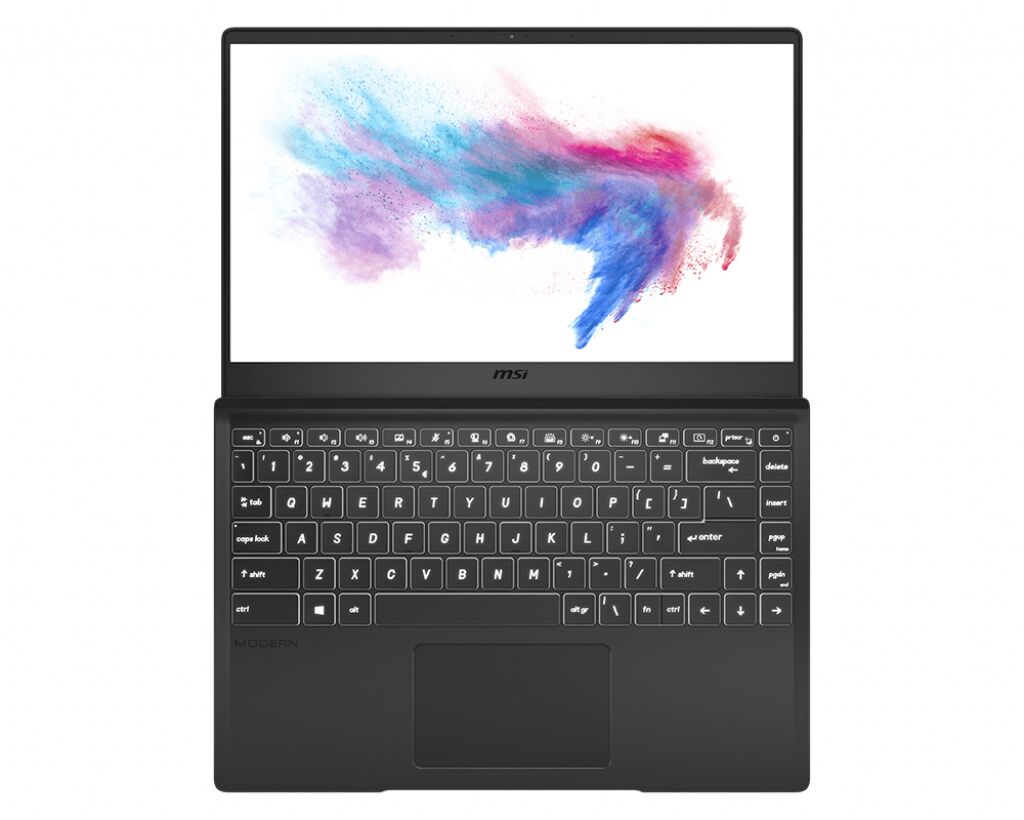
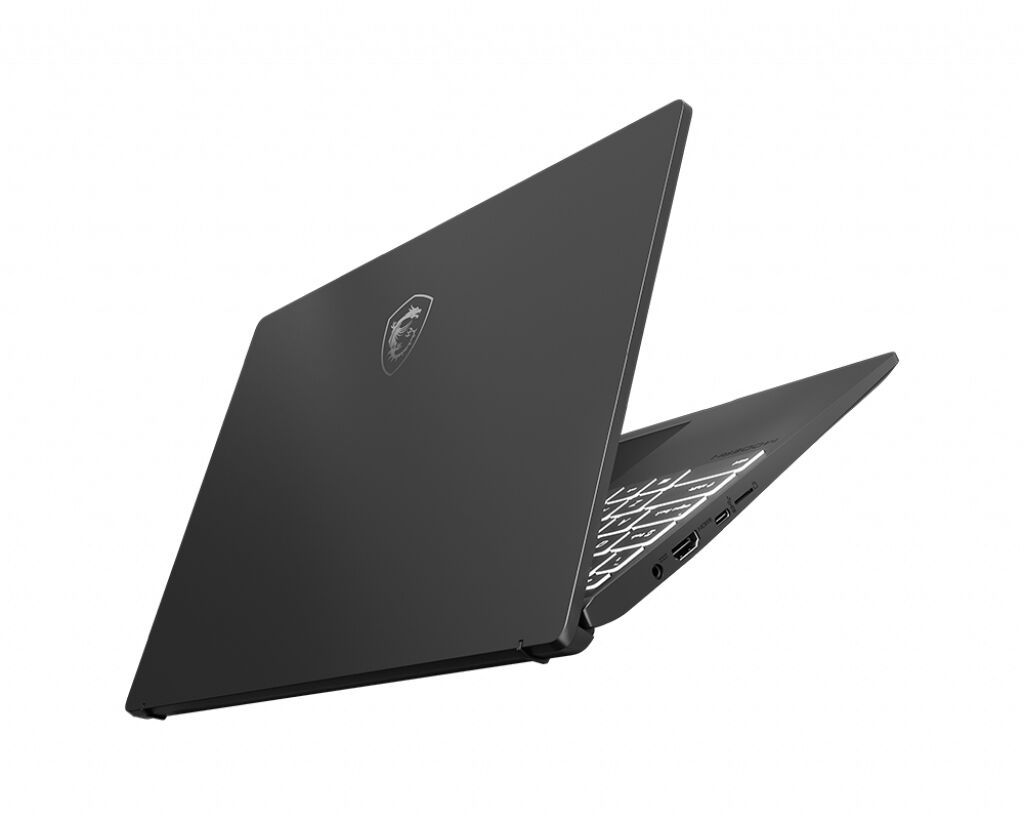
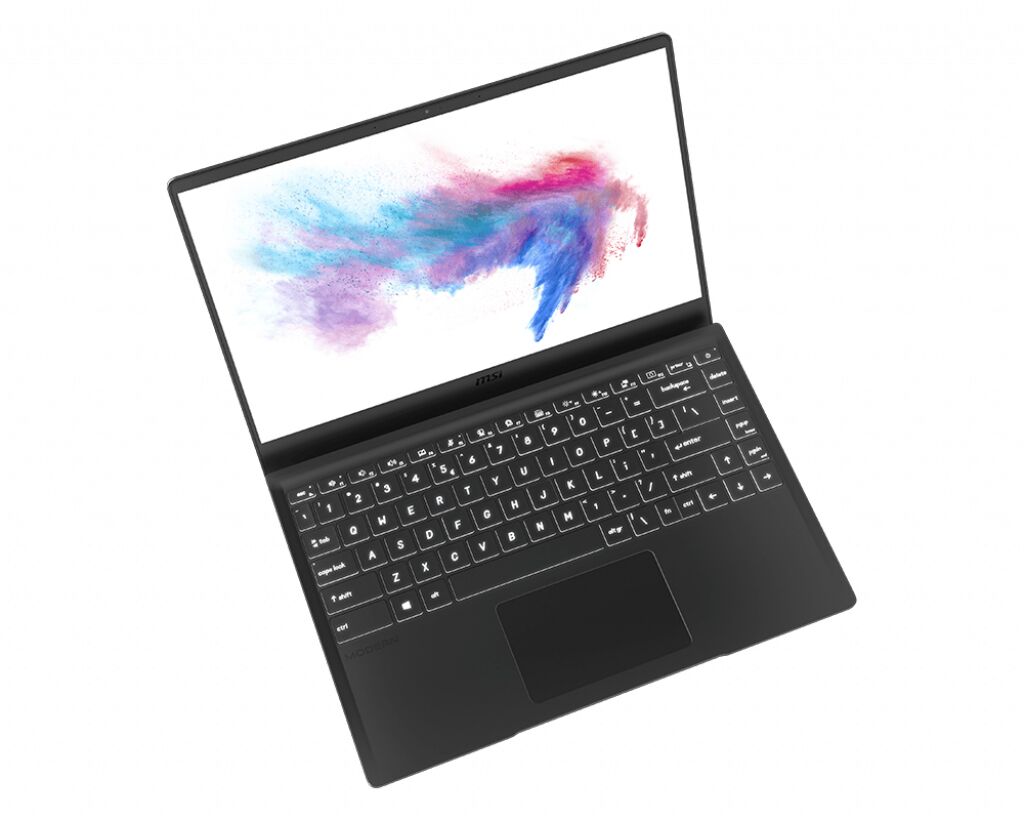
The MSI Modern 14 B10MW-285 laptop features DDR4-SDRAM memory upgrade specifications with one SO-DIMM slot supporting a maximum RAM capacity of 32 GB. Compatible memory modules operate at 2666 MHz frequency. The upgrade slot accommodates standard SO-DIMM form factor memory modules, enabling users to expand the system's memory capacity for enhanced multitasking performance and application responsiveness.
Memory Upgrade Specifications
| Specification | Value |
|---|---|
| Memory slots | 1x SO-DIMM |
| Form factor | SO-DIMM |
| Memory type | DDR4-SDRAM |
| Frequency | 2666 MHz |
| Maximum RAM | 32 GB |
| Voltage | 1.2V |
| Number of pins | 260-pin |
| Interface | PC4 |
| PC Speed Rating | PC4-2666 (PC4-21328) |
| Bandwidth | 21.3 GB/s |
| Laptop Release date | 25 October 2020 |
Additional Notes
- The MSI Modern 14 B10MW-285 contains a single memory slot, meaning only 1 additional module can be installed alongside the factory-installed module. This single-slot architecture prevents dual-channel operation unless both slots were populated, which constrains memory bandwidth to single-channel performance even after maximum capacity is reached.
- DDR4-2666 MHz represents the upper frequency ceiling for this platform. Installing faster DDR4 modules will automatically downclock to 2666 MHz due to JEDEC standard compliance, delivering no performance gain from premium-speed RAM variants.
- The 32 GB maximum capacity accommodates standard 16 GB SO-DIMM modules currently available in the market. Upgrading requires removal of the existing module, as the single slot cannot accommodate stacking.
- SO-DIMM physical constraints limit upgrade options exclusively to laptop-format memory. Desktop DDR4 UDIMM modules are physically incompatible and cannot be adapted mechanically or electrically.
- Warranty protection typically remains intact when replacing RAM with equivalent specifications, provided installation follows manufacturer guidelines and no physical damage occurs during removal or reinsertion of the memory module.
- Memory latency performance becomes a secondary factor in upgrade decisions since frequency headroom is already fixed at 2666 MHz. CAS latency variance between modules produces negligible real-world throughput differences at this platform speed.