MSI Modern 14 B10RBSW-451CA RAM upgrade specifications
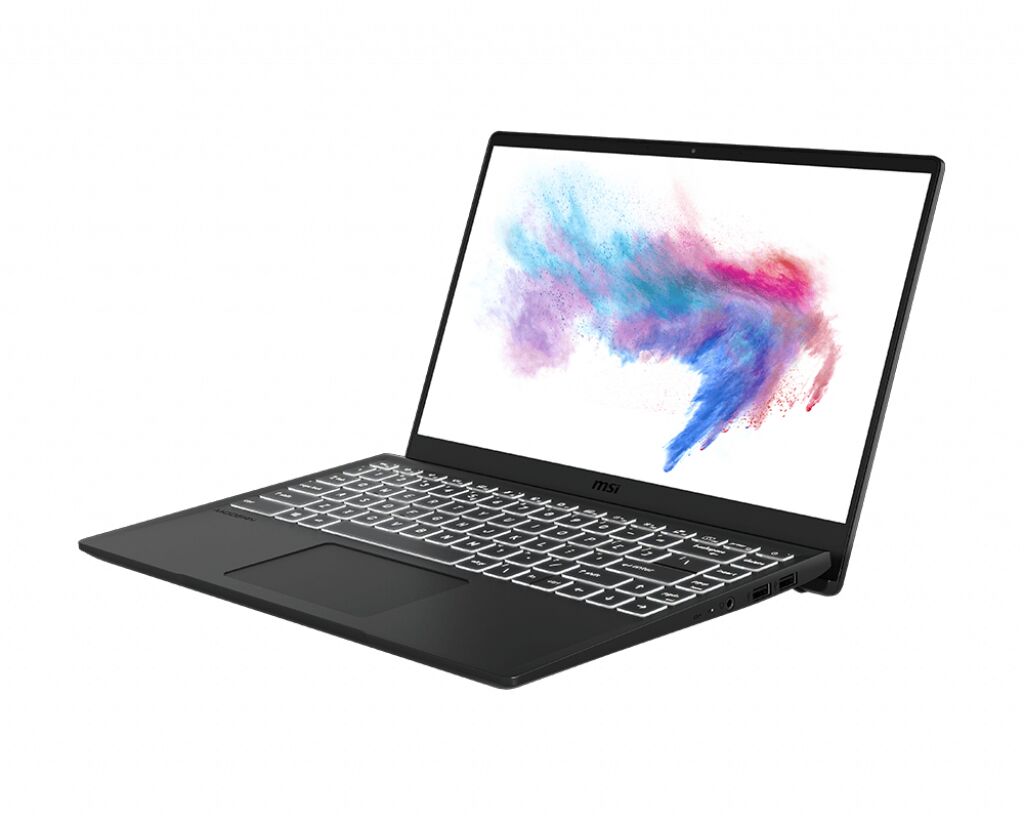
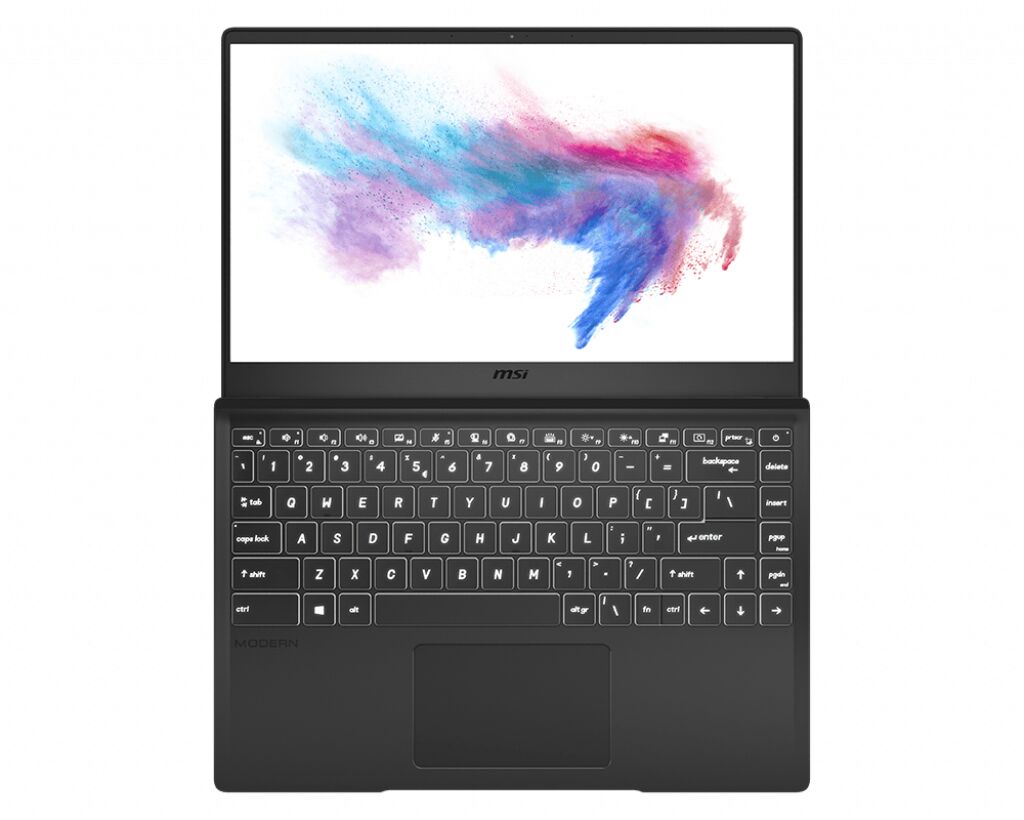
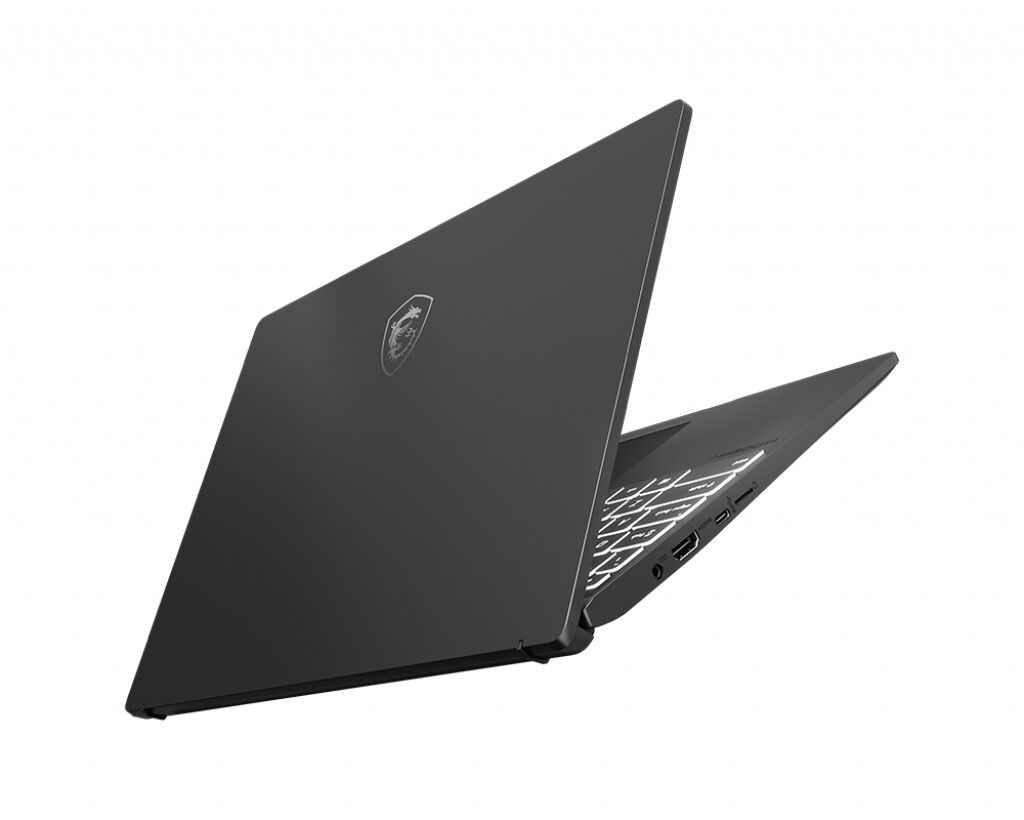
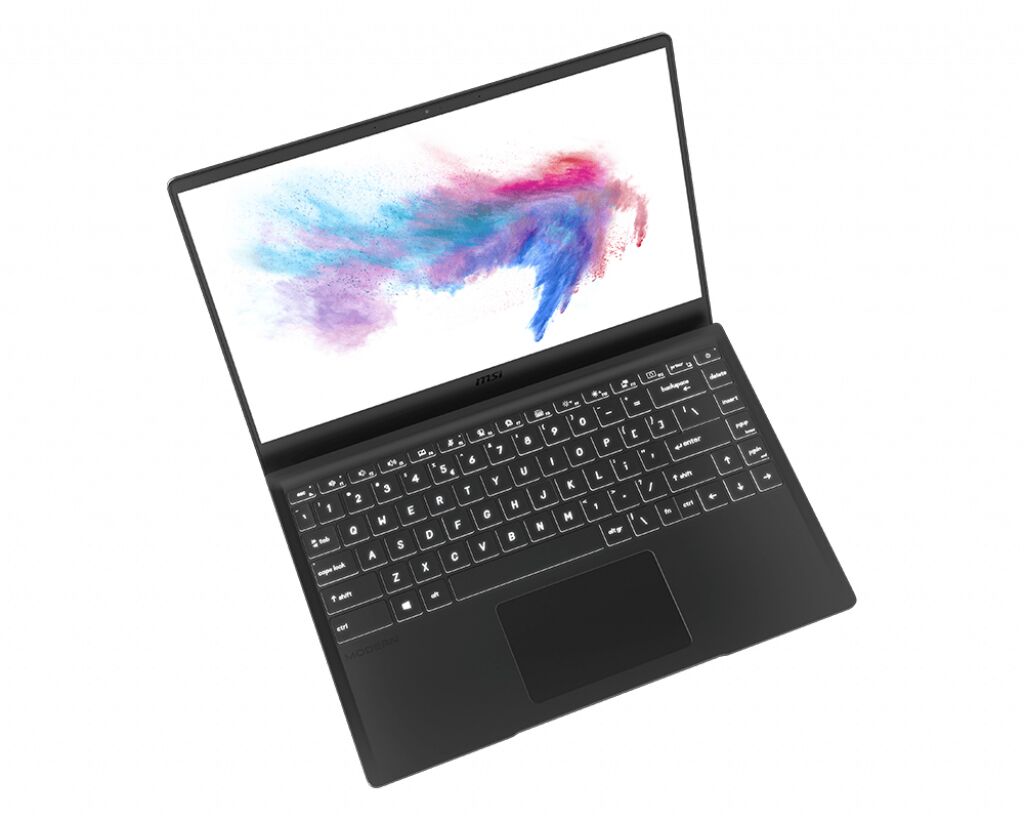
The MSI Modern 14 B10RBSW-451CA laptop features one SO-DIMM slot for memory expansion. The system supports DDR4-SDRAM modules operating at 3200 MHz frequency. Maximum compatible RAM capacity reaches 32 GB per slot. Upgrade specifications indicate single memory slot configuration, allowing users to expand or replace existing DDR4 memory modules. The SO-DIMM form factor and DDR4 technology define the compatible upgrade options for this MSI Modern series ultrabook.
Memory Upgrade Specifications
| Specification | Value |
|---|---|
| Memory slots | 1x SO-DIMM |
| Form factor | SO-DIMM |
| Memory type | DDR4-SDRAM |
| Frequency | 3200 MHz |
| Maximum RAM | 32 GB |
| Voltage | 1.2V |
| Number of pins | 260-pin |
| Interface | PC4 |
| PC Speed Rating | PC4-3200 (PC4-25600) |
| Bandwidth | 25.6 GB/s |
| Laptop Release date | 29 December 2020 |
Additional Notes
- The presence of a single memory slot on the MSI Modern 14 B10RBSW-451CA dictates that any memory increase requires the removal and replacement of the existing module rather than an addition.
- The hardware architecture operates in single channel mode exclusively because the motherboard lacks a second slot for dual channel memory configurations.
- Bandwidth limitations inherent to single channel memory will impact tasks dependent on high throughput such as integrated graphics rendering and heavy multitasking.
- Internal access to the SO-DIMM slot involves removing the bottom chassis cover which typically requires a Phillips head screwdriver and plastic prying tools to avoid marring the casing.
- While the system supports 3200 MHz modules the actual operating speed remains capped by the processor integrated memory controller and BIOS limitations.
- Upgrading to the 32 GB maximum capacity necessitates a single high density module because the system cannot distribute memory across multiple physical locations.
- Compatibility is restricted to non ECC unbuffered SO-DIMM modules with 260 pins for physical fitment.
- Power consumption remains optimized for mobile use as DDR4-SDRAM utilizes lower voltage than legacy standards to maintain battery longevity.