MSI Modern 14 B11M-028 RAM upgrade specifications
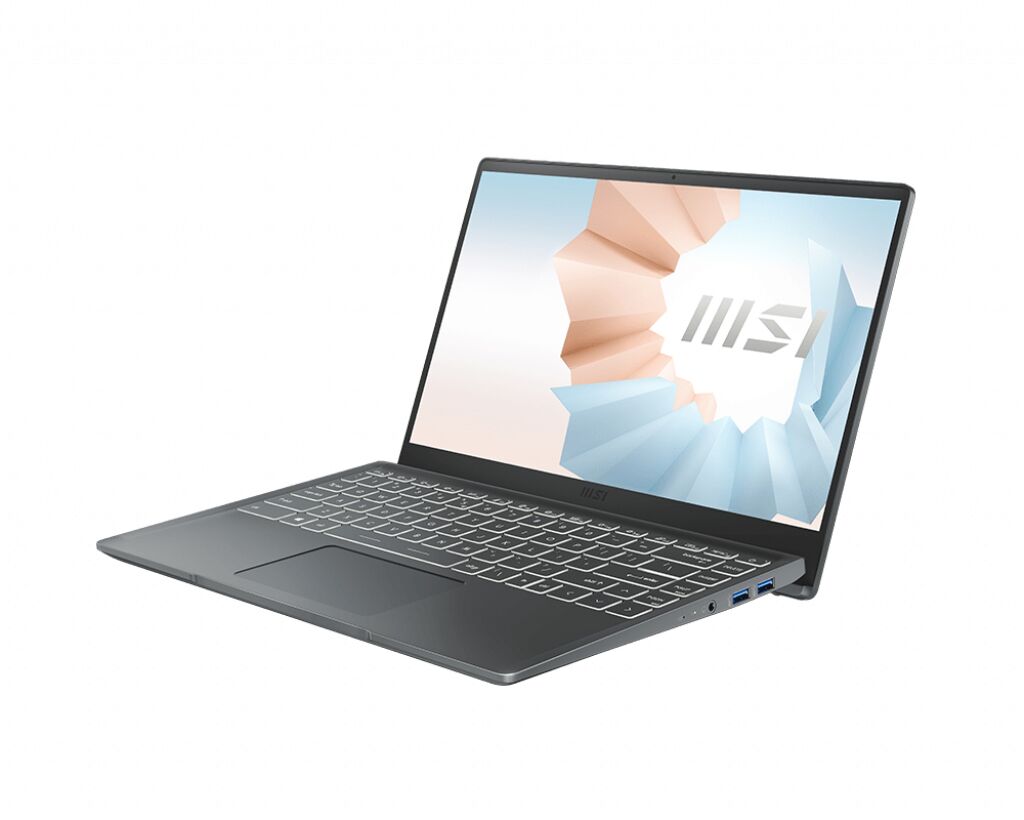
MSI Modern 14 B11M-028 laptop RAM upgrade specifications indicate DDR4-SDRAM memory type with 1x SO-DIMM slot configuration. Maximum compatible RAM capacity reaches 32 GB. Memory operates at 3200 MHz frequency. SO-DIMM form factor memory modules are required for upgrade compatibility. Specifications define memory upgrade parameters for MSI Modern 14 series model B11M-028.
Memory Upgrade Specifications
| Specification | Value |
|---|---|
| Memory slots | 1x SO-DIMM |
| Form factor | SO-DIMM |
| Memory type | DDR4-SDRAM |
| Frequency | 3200 MHz |
| Maximum RAM | 32 GB |
| Voltage | 1.2V |
| Number of pins | 260-pin |
| Interface | PC4 |
| PC Speed Rating | PC4-3200 (PC4-25600) |
| Bandwidth | 25.6 GB/s |
| Laptop Release date | 13 November 2020 |
Additional Notes
- The MSI Modern 14 B11M-028 contains soldered memory in addition to the single accessible slot, creating a dual-channel configuration where one channel remains permanently fixed.
- Upgrading requires matching the pre-installed module's specifications to maintain optimal dual-channel performance, as mismatched speeds or timings will force both channels to operate at the lower specification.
- The single SO-DIMM socket architecture prevents future expansion beyond the initial upgrade, requiring careful capacity planning since adding a second slot later is not possible without motherboard replacement.
- Installing a 32 GB module requires the system's chipset and BIOS to support high-density single-rank or dual-rank configurations, as older firmware revisions may not recognize modules exceeding 16 GB per slot.
- DDR4-3200 modules operate at JEDEC standard 1.2V, but aftermarket modules rated for higher speeds may default to 2666 MHz or 2933 MHz unless XMP profiles are supported and enabled in BIOS.
- The SO-DIMM form factor measures 67.6 mm in length compared to standard DIMM modules, making desktop memory physically incompatible regardless of electrical specifications.
- Accessing the memory slot typically requires complete bottom panel removal rather than a dedicated service door, increasing the complexity and time required for installation.
- Mixing different memory capacities between the soldered and socketed channels remains functional but may result in asymmetric dual-channel operation, where only a portion of total memory runs in dual-channel mode.
- Operating at 3200 MHz provides 25.6 GB/s theoretical bandwidth per channel, though real-world performance gains over 2666 MHz become marginal in typical productivity workloads.
- Third-party modules must comply with JEDEC timing specifications at 3200 MHz (typically CL22) to ensure compatibility, as tighter timings designed for desktop platforms may cause stability issues.
- Warranty preservation requires avoiding damage to the retention clips and ensuring the module is fully seated before applying pressure, as bent pins or improper installation constitute user-inflicted damage.
- Temperature constraints within the compact chassis may affect module selection, as modules with tall heat spreaders can interfere with the bottom panel closure or internal thermal solutions.