MSI Modern 14 B11M-259MX RAM upgrade specifications

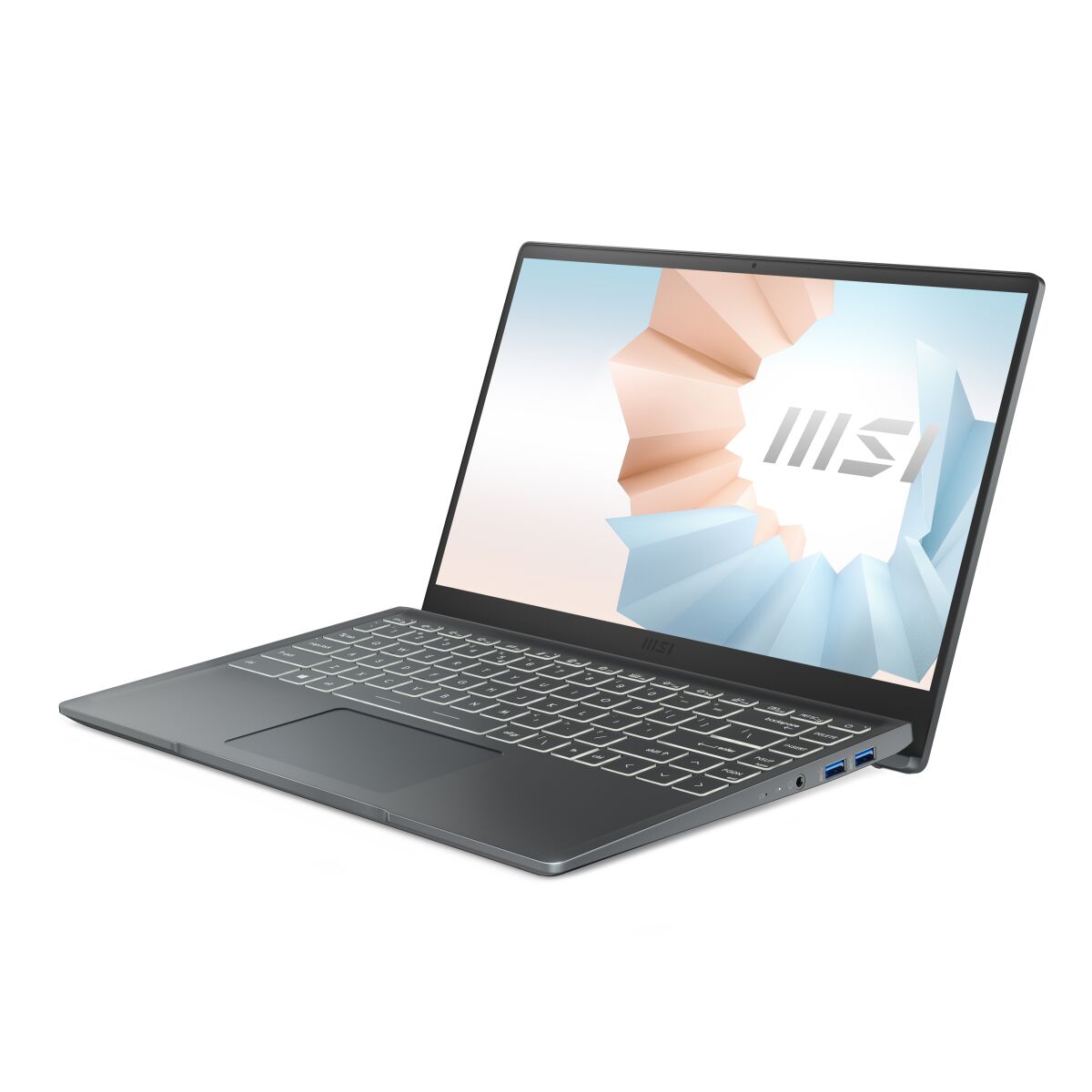
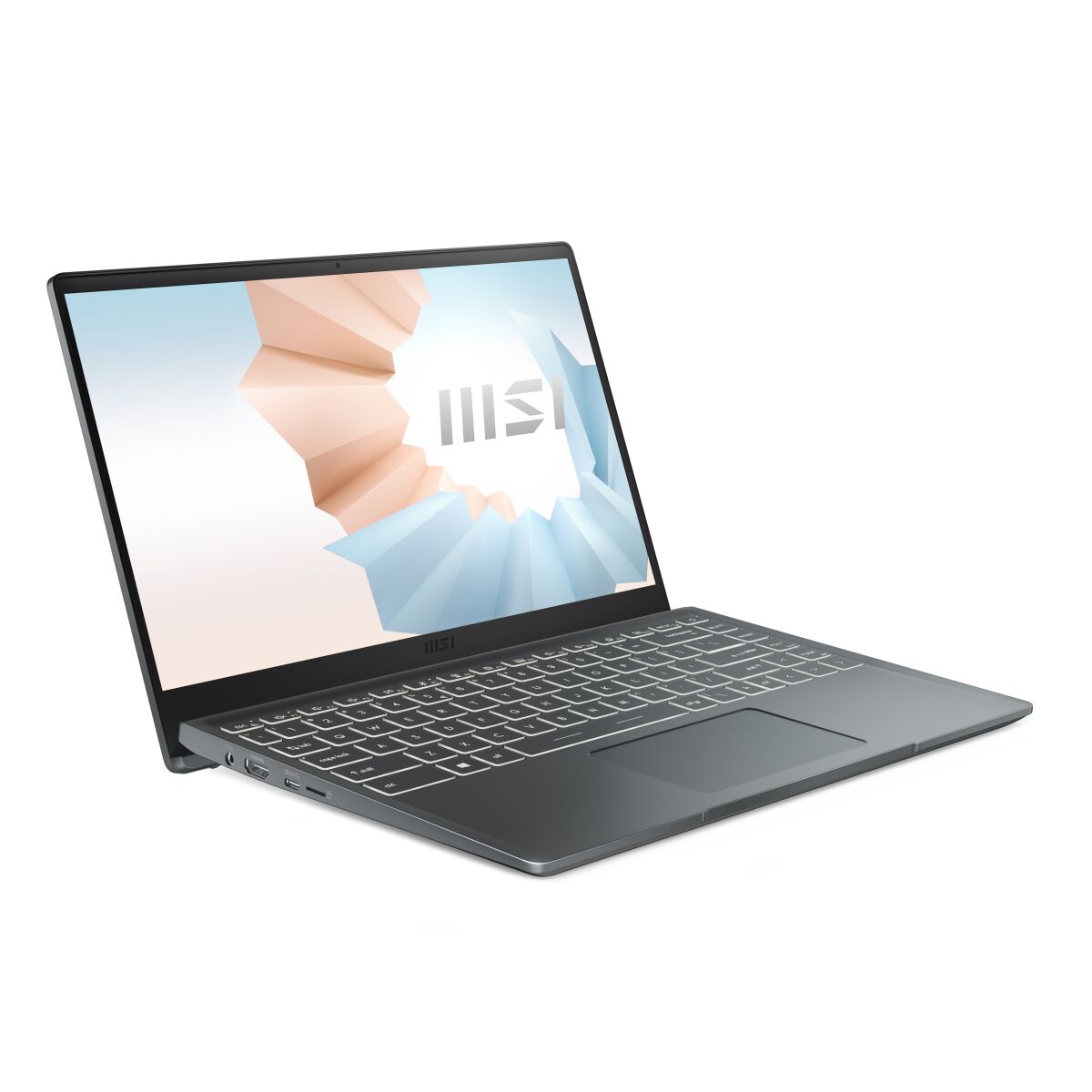
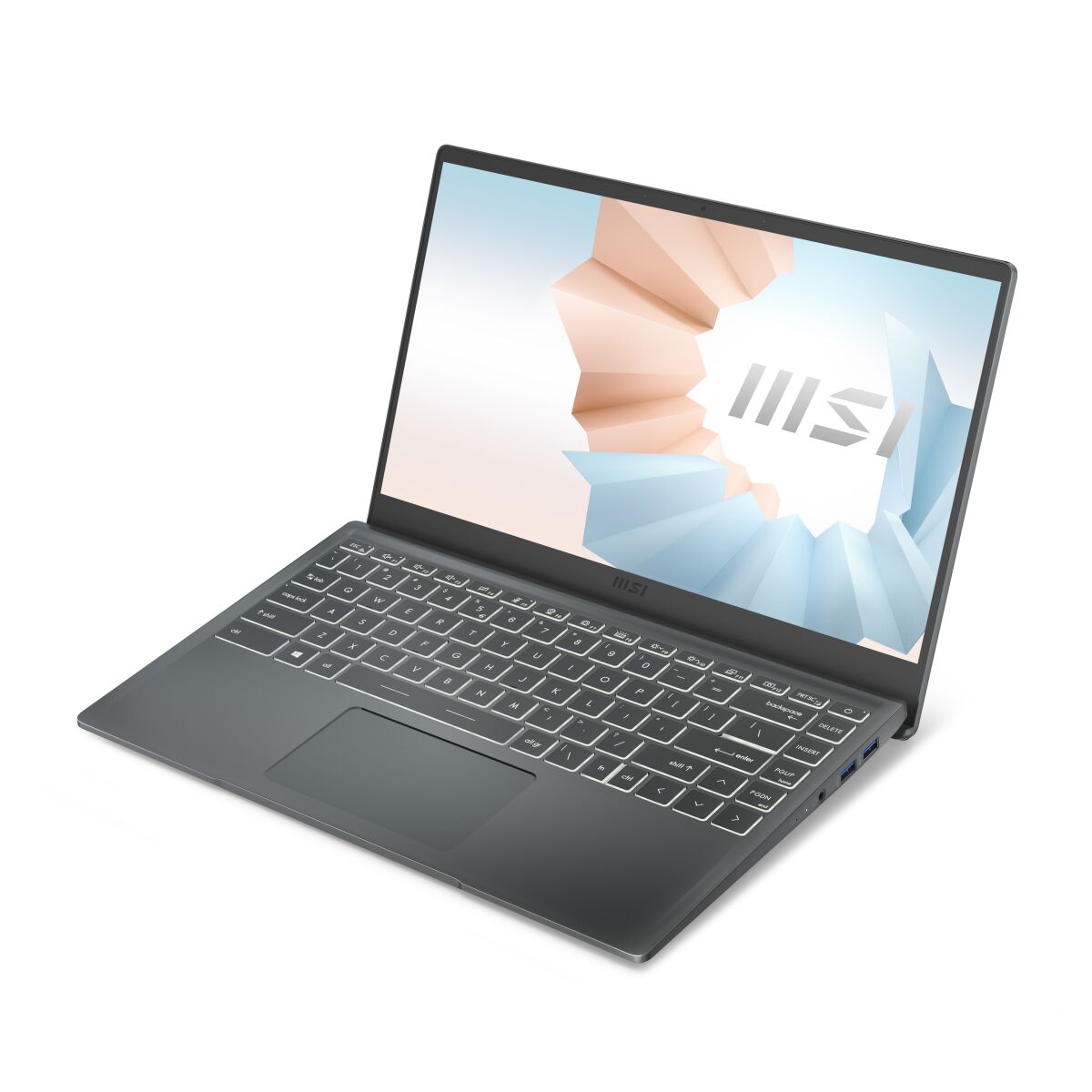
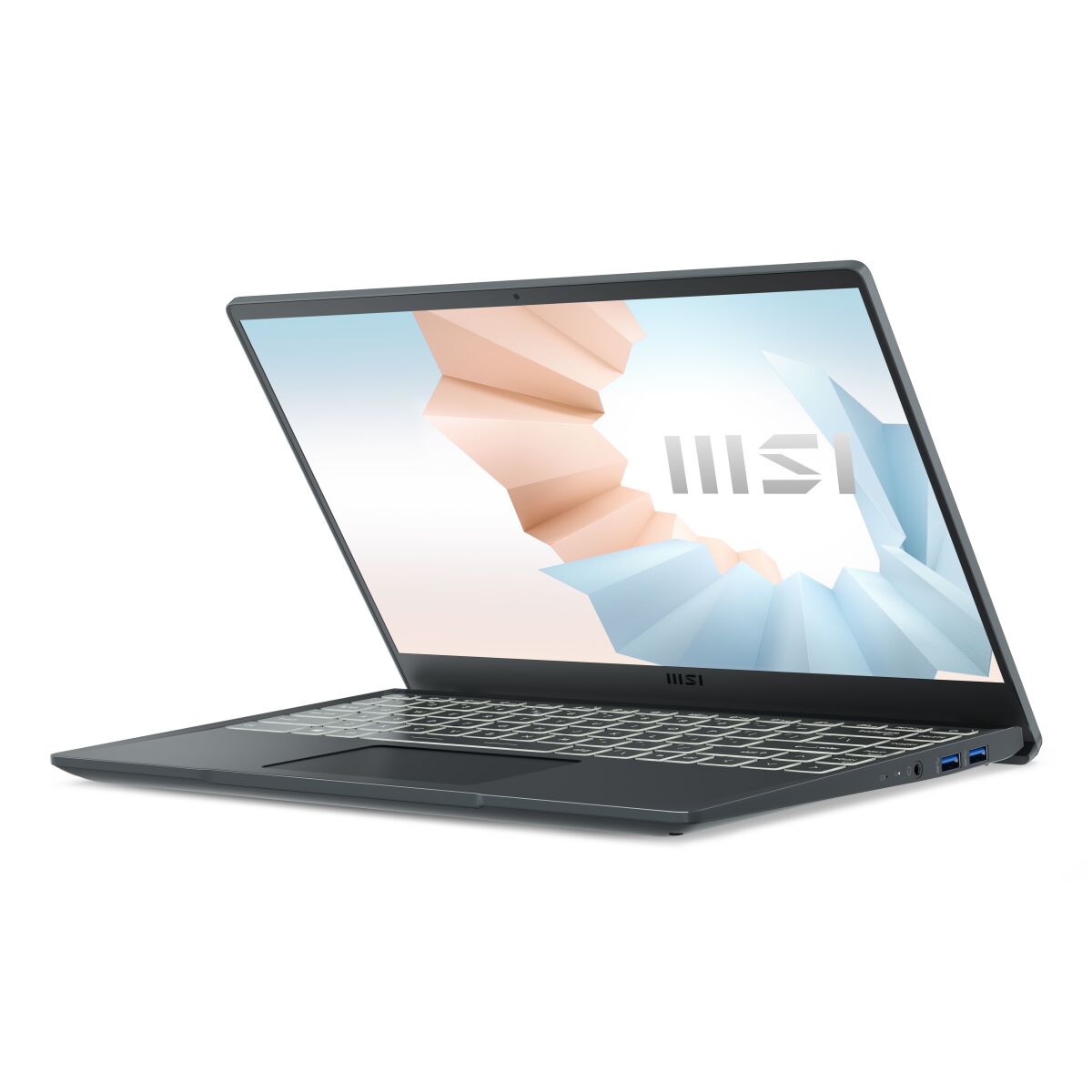
The MSI Modern 14 B11M-259MX laptop features DDR4-SDRAM memory upgrade capabilities with one SO-DIMM slot available for expansion. Maximum supported RAM capacity reaches 32 GB, operating at 3200 MHz frequency. Compatible memory modules utilize the SO-DIMM form factor, standard for ultraportable laptop specifications. Current upgrade specifications enable users to enhance system performance through single-slot memory configuration on this B11M series model.
Memory Upgrade Specifications
| Specification | Value |
|---|---|
| Memory slots | 1x SO-DIMM |
| Form factor | SO-DIMM |
| Memory type | DDR4-SDRAM |
| Frequency | 3200 MHz |
| Maximum RAM | 32 GB |
| Voltage | 1.2V |
| Number of pins | 260-pin |
| Interface | PC4 |
| PC Speed Rating | PC4-3200 (PC4-25600) |
| Bandwidth | 25.6 GB/s |
| Laptop Release date | 29 April 2021 |
Additional Notes
- The MSI Modern 14 B11M-259MX features a single memory slot configuration that eliminates dual-channel memory operation, reducing bandwidth to approximately 25.6 GB/s compared to the 51.2 GB/s achievable with dual-channel DDR4-3200 setups.
- With only 1 SO-DIMM socket available, any capacity upgrade requires complete replacement of the existing module rather than additive expansion, potentially rendering the original memory unusable.
- DDR4-3200 modules operating in single-channel mode may create performance bottlenecks in graphics-intensive applications, as integrated GPU architectures rely heavily on system memory bandwidth for frame buffer operations.
- The 32 GB maximum capacity specification indicates chipset and BIOS limitations that prevent recognition of higher-density modules, even if physically compatible SO-DIMM units are installed.
- Single-slot configurations typically signal soldered secondary memory on the motherboard, though this specification suggests all system RAM remains user-accessible through the lone SO-DIMM socket.
- Installation requires 1.2V DDR4 SO-DIMM modules specifically rated for 3200 MHz operation, as voltage or speed mismatches may cause POST failures or force the system to downclock to JEDEC fallback speeds.
- The absence of dual-channel architecture particularly impacts memory-latency-sensitive workloads, where random access patterns suffer from halved effective parallelism compared to symmetric memory configurations.
- Upgrading to the 32 GB ceiling provides headroom for virtual machine deployment and large dataset manipulation, though the single-channel limitation continues to constrain memory subsystem throughput regardless of installed capacity.
- SO-DIMM retention clips require precise perpendicular insertion at approximately 30-degree angles before seating flat, with improper alignment potentially damaging the socket's locking mechanism and voiding manufacturer warranties.
- Memory timing profiles beyond JEDEC standards, including XMP configurations, may not activate properly without corresponding BIOS support, forcing higher-spec modules to operate at conservative default timings.